Free standard shipping for orders OVER RS: 999
Common factors that affect

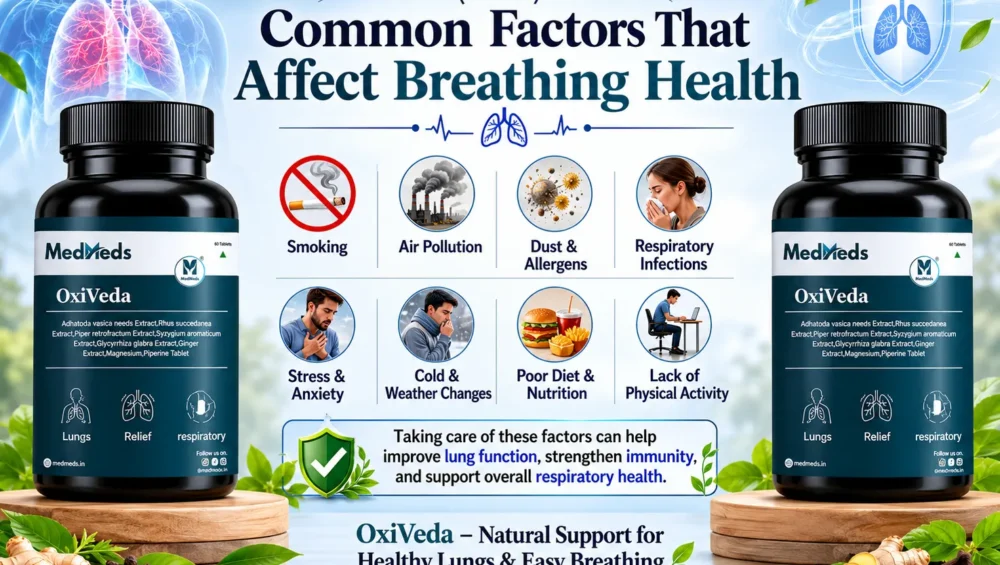
Common Factors That Affect Breathing Health

One of the most vital bodily processes is breathing. Your organs and tissues receive oxygen with each breath, while carbon dioxide is expelled. Energy production, physical activity, intellectual function, and general well-being are all supported by healthy lungs. However, a variety of environmental, lifestyle, and medical variables cause breathing problems for millions of people. People can take preventative actions and maintain better respiratory health by being aware of the most common causes of breathing issues. The respiratory system can be adversely affected by a variety of variables, including smoking, air pollution, allergies, and chronic lung disorders. It is feasible to enhance lung function and lower the chance of breathing problems by being aware of these dangers and forming healthy habits. The capacity of the lungs and respiratory system to effectively exchange carbon dioxide and oxygen is referred to as breathing health.

The respiratory system consists of:

  • Nasal passageways and the nose
  • Windpipe and throat
  • Airways and bronchi
  • Lungs
  • The breathing muscles and diaphragm

When any part of this system becomes irritated, inflamed, blocked, or damaged, Breathing Difficulty can occur.

Breathing Problems: Causes and Types of Breathing Problems: Major Factors Affecting Respiratory Health

Air Pollution and Environmental Toxins

Air pollution is among the main Breathing Problems Solution across the globe.

Outdoor pollutants contain:

  • Emissions from cars and vehicles
  • Smoke from factories
  • Particles from dust
  • Construction waste
  • Pollutants chemicals

The inhaled air can result in irritation of airways and inflammation of the lungs.

The exposure to air pollution in the long term can cause:

  • Coughing
  • Wheezing
  • Shortness of breath
  • Breathing problems
  • Higher risk of pneumonia and other lung infections

Children, elderly, and the existing lung patients are more sensitive to polluted air.

Smoking and Tobacco Smoke

One of the greatest harms to respiratory health is smoking. Cigarette smoke is composed of thousands of toxins, which harm your lung tissue and air passages.

Smoking can contribute to:

  • Chronic bronchitis
  • Emphysema
  • Lung cancer
  • COPD

smoke can also have a negative impact on your lungs. Those regularly breathing in smoke from others can experience respiratory problems, irritated airways, and respiratory illnesses. Quitting smoking is one of the greatest efforts you can make toward healthy lungs.

Respiratory Infections

Respiratory infections can cause problems with your breathing and lungs.

Common ones are:

  • cold
  • Influenza
  • Bronchitis
  • Pneumonia
  • Viral respiratory tract infections

These infections make your airways get swollen and fill up with mucus.

You might feel:

  • Short of breath
  • A cough that just won’t go away
  • Discomfort, in your chest
  • Wheezing
  • Have a fever

Getting infections again. Again can sometimes damage your lungs for good. Washing your hands a lot. Getting the right vaccinations can help you avoid getting infections.

Allergies and Asthma Triggers

Allergies are kinda a big player in breathing problems symptoms, so that s why they show up a lot. Some usual suspects are, pollen dust mites mold spores pet dander, and strong fragrances.  When someone is sensitive and they run into these allergenic bits the immune system can respond in a way that brings on airway inflammation.

For people with asthma it’s common to notice

  • Wheezing
  • Chest tightness
  • A cough that just won’t quit
  • and breathing difficulties that come along with it.

So figuring out what sets you off and then steering clear of those triggers, is a helpful method for keeping respiratory health stable and steady.

Obesity and lack of physical activity

A lot of people seem to ignore how body weight connects, with breathing health. Like, the link is there and still it gets missed. When someone carries excess weight, it can put real pressure on the lungs and diaphragm , so breathing becomes harder, kinda in a noticeable way.

Obesity might be linked with:

  • Shortness of breath
  • Sleep related breathing disorders
  • Lower lung capacity
  • Higher inflammation

And then, a mostly sedentary routine can also quietly weaken the respiratory muscles. On the other hand, regular exercise helps with oxygen usage and it helps build stronger lung support.

Walking, cycling, swimming, or even yoga can all help maintain healthier lung function.

Work Exposure to Dust, Chemicals, and Fumes

In some jobs, employees end up around airborne dangers that can really affect the respiratory system. Higher-risk work usually includes things like: Construction, Mining, Manufacturing, Agriculture, and chemical processing.

People in these roles may end up breathing in:

  • dust particles
  • chemical vapors
  • toxic fumes
  • industrial gases

If exposure drags on for months or years, it can trigger chronic respiratory illnesses and, in serious cases, cause irreversible lung injury. So, protective gear, plus strict attention to the workplace safety guidelines, should be treated as essential preventive steps, not just a formality.

Weak Indoor Air Quality

Indoor air quality matters a lot for respiratory health, even if people dont always think about it. Most folks spend much of their day indoors, so indoor pollutants become really, kind of unavoidable in daily life.

Typical indoor pollutants are things like  

  • Mold  
  • Dust  
  • Tobacco smoke  
  • Household chemicals  
  • Poor ventilation  

These contaminants can irritate the lungs and also make existing breathing issues worse, sometimes faster than youd expect.

To improve indoor air quality you might end up doing a mix of options like :

  • Using air purifiers  
  • Keeping ventilation up to snuff  
  • Cleaning on a regular basis  
  • Managing humidity levels  

And yeah, it can feel small, but those small changes add up.

Ongoing Respiratory Conditions

A few long term medical issues can directly make breathing harder, kind of every day.  

For example:  

  • Asthma  
  • COPD  
  • Pulmonary fibrosis  
  • Chronic bronchitis  
  • Other chronic lung disease conditions  

These problems usually bring persistent inflammation, or they create airway obstruction, it depends on the case.  

People often notice symptoms like:  

  • A persistent cough  
  • Wheezing  
  • Fatigue, or that low energy feeling  
  • Shortness of breath  

Getting an early diagnosis, and then following proper medical care, is critical for preserving quality of life, overall wellbeing.

Weather and shifts across seasons

The weather can affect how you breathe and also the respiratory symptoms you notice. In colder times the airways sometimes get tighter and coughing may show up. When it’s very hot, ozone levels can climb and it may become harder to breathe, like, more than usual. During certain seasons, pollen surges are a common aggravator and can worsen allergies and asthma. Also sudden changes in weather conditions can throw off people who already live with chronic respiratory illnesses. Keeping an eye on air quality reports and checking weather forecasts, in advance, can help at-risk individuals get ready in a safer way. 

Stress and Anxiety

Mental health can have a kinda surprising affect on breathing. When stress and anxiety kick in, they can shift normal breathing patterns, in a way that feels strange or unsettling.

If someone is dealing with anxiety, they might notice things like  

  • Rapid breathing
  • Hyperventilation
  • Chest tightness
  • shortness of breath

Even if these signs are not really from lung disease, they can still feel quite alarming. Keeping stress in check with relaxation practices , meditation, movement or exercise, and enough sleep can help, both mental wellbeing and breathing health.

How These Factors Affect the Lungs

The lungs kind of depend on healthy breathing paths and lung tissue to work the right way, you know.

A lot of those things mentioned before can start, or help start, several issues such as causing airway inflammation, boosting mucus output . They may also damage the lung tissue, and that in turn can reduce oxygen exchange. Sometimes they also trigger breathing difficulties, kinda right away.

Over time, if you keep getting exposed to harmful factors again and again, it may end up leading to longer-term chronic respiratory problems. Getting what these risks really mean is the first step toward prevention.

practical lung

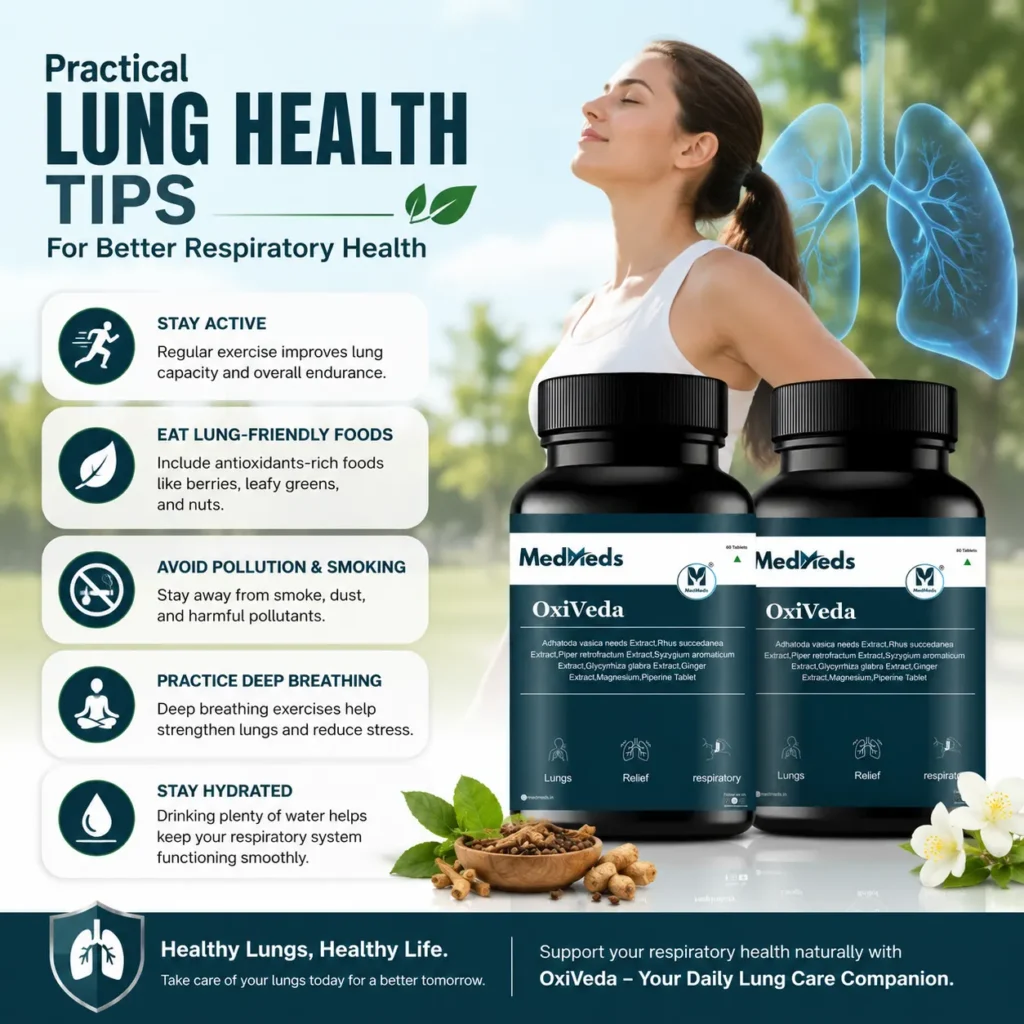
Practical Lung Health Tips for Better Respiratory Health

Taking care of your lungs dosent have to be some big fancy plan or complicated changes.

Even small, daily habits can really matter, like more than you’d think.

  • Skip Smoking:-Try to quit smoking completely. Also, stay away from secondhand smoke when you can.
  • Move More Often:-Regular exercise helps build the breathing muscles and makes lung function work more efficiently.
  • Make Indoor Air Cleaner :-Keep your home spaces tidy, and don’t forget ventilation. Fresh air helps a lot.
  • Drink Enough:-Staying hydrated can keep mucus less thick so it clears more easily.
  • Handle Allergies Wisely:-Figure out what sets things off, then follow the treatment guidance you get from professionals.
  • Use Protective Gear:- In dusty areas, or when chemicals are around, use the right masks and safety equipment.
  • Watch the Air Quality:- When pollution is heavy, try to cut back on time outside.
  • Try Deep Breathing Practices:- Breathing exercises might support lung function and also help you relax.
  • Eat Well, Stay Balanced:- A well rounded diet supports your respiratory system and immune response.
  • Think About Extra Wellness Aids:- Some people also look into supportive wellness products like Oxiveda as part of a broader healthy lifestyle routine, but to be clear, the basics—those steady good habits—are what really build lung care over time.

Warning Signs That Require Medical Attention

Warning signs you should take seriously and not just brush off Some breathing-related problem symptoms can be a red flag, and honestly, it should not be ignored, even if it feels minor at first. If you notice any of the following, it’s best to get medical care soon.

  • Consider medical attention if you have
  • Persistent shortness of breath , especially when it keeps returning
  • Wheezing that seems to grow louder or more intense over time
  • Chest pain when you inhale , or pain that gets worse with breathing
  • A cough that hangs around for weeks , without improving
  • Coughing up blood , even small amounts
  • Blue lips or blue fingertips
  • Repeated respiratory infections, coming back more often than usual
  • A sudden struggle to breathe, that feels immediate

Getting checked quickly can help spot serious underlying causes early, and it can also support better treatment results later on.

Conclusion

Getting a real grasp on the most common breathing problems causes is kinda key if you want to keep long term respiratory health safe. Things like air pollution, smoking, respiratory infections, allergies, obesity, workplace exposures, and the whole issue of poor indoor air quality can all mess with the lungs, and the breathing system too. Add chronic lung diseases, weather changes, and even stress, and it’s easy to see how breathing can get affected in different ways.

Good news though, a bunch of these risk factors can be dialed down with sensible lifestyle choices and prevention steps. If you focus on practical lung health tips, stay physically active, cut back on harmful pollutants, and don’t delay when medical care is needed, you can help support strong lungs and get better overall health along the way.

When you take proactive steps today, you’re basically backing healthier breathing, boosting quality of life, and lowering the chance of future respiratory problems.

FAQ’S

The usual causes usually include air pollution, smoking, respiratory infections , allergies, asthma, obesity, poor indoor air quality, and chronic respiratory conditions.  

Try regular exercise, avoid smoking, keep a healthy body weight, stay hydrated , and eat a balanced diet. Also, improving the air quality around you helps a lot, even if it sounds simple.  

Yes. Stress and anxiety can set off rapid breathing, chest tightness , and that annoying feeling of shortness of breath, even when lung function is normal.  

Not always right away, but long term exposure to severe air pollution can push toward chronic lung disease and reduced lung function. It affects vulnerable people the most.  

Go get medical help if the breathing problems are persistent , or severe. Also if you have chest pain or it starts interfering with daily activities.  

turmeric benefits

Turmeric Benefits for Liver Support: A Natural Way to Promote Liver Health

The liver is one of the most vital organs in the human body, it is an organ which plays an essential role in removing toxins from the body and also helps in digestion. It stores important nutrients and supports the metabolic process in the body. Because of unhealthy eating, excessive alcohol consumption, obesity and environmental factors there has been an increase in the cases of liver related problems and people are searching for natural remedies to help with liver function.

Turmeric is one such popular home remedy for the liver. Turmeric is known to have great antioxidant and anti-inflammatory effects in the body. For centuries turmeric has been used in traditional medicine and consuming it in the form of turmeric water, turmeric powder or turmeric in warm milk may promote healthy liver function and improve overall well-being. 

What Makes Turmeric Good for the Liver?

Turmeric has active compound that has been identified as curcumin. This curcumin is known to have all the important healing properties of turmeric. Various researches show that curcumin can be responsible for reducing inflammation and providing protective effects against damage of liver cells and helping support in detoxification processes within the body.

The liver functions continuously in breaking down toxins and hazardous substances. Oxidation stress can damage liver cells over a period and a rich antioxidant content in turmeric may help to neutralize this oxidation and improve the overall liver function.

How Turmeric Supports Liver Health

Helps Reduce Inflammation

Chronic inflammation causes several liver diseases and curcumin in turmeric has been proven to lower down pro-inflammatory mediators, that will aid long term wellness. Reduced inflammation will in return aid liver tissue protect against damage.

Supports Natural Detoxification

One of the most widely acknowledged advantages of Turmeric uses in purification process of body. The liver works at filtering toxic from blood. Turmeric can be considered as one supplement that aids liver work in detoxifying pathways by getting rid of waste products from the body more efficiently.

Provides Antioxidant Protection

Nowadays with all the environmental pollutants, consuming too much junk food and also a poor lifestyle there is a significant increase in the oxidation stress in the body. Antioxidant compounds present in turmeric can be good support that protect body from damaging effects and liver is no exception to this rule.

Supports Healthy Fat Metabolism

Accumulation of fat in the liver has been increasingly noted worldwide, therefore balanced diet, weight management and the use of Turmeric may benefit the body by promoting a healthy metabolism of fats.

Turmeric Water for Liver Support

For a good start to your day, try starting it with drinking Turmeric water.Turmeric. Mix it with some warm water, and take it in the morning on an empty stomach, for best effects.

Benefits include:

  • Provides hydration
  • Contains important antioxidant compounds
  • Helps in digestion
  • May boost overall well-being

Simple turmeric water recipe:

  • Boil one glass of water.
  • Stir in ½ a teaspoon of turmeric powder.
  • Stir well.
  • This mixture is best consumed in the morning prior to eating.

 A small amount of black pepper can also be added in to boost curcumin absorption.

How to use turmeric powder?

Turmeric Powder the simplest approach of all for incorporating this spice into your food. Sprinkle some turmeric powder into soups, curries, smoothies, drinks and healthy foods. It is believed that potential benefits may include:

  • Supports gut health
  • Offers protection with antioxidants
  • Promotes a healthy inflammatory response
  • Supports liver wellness

Choose a pure turmeric powder, free of additives or fillers.

Turmeric Milk for Liver health.

An extremely popular home remedy, known as the “golden milk”. A combination of milk heated, with the spice and other ingredients, like black pepper and cinnamon, is usually referred to as turmeric milk.

turmeric milk benefits

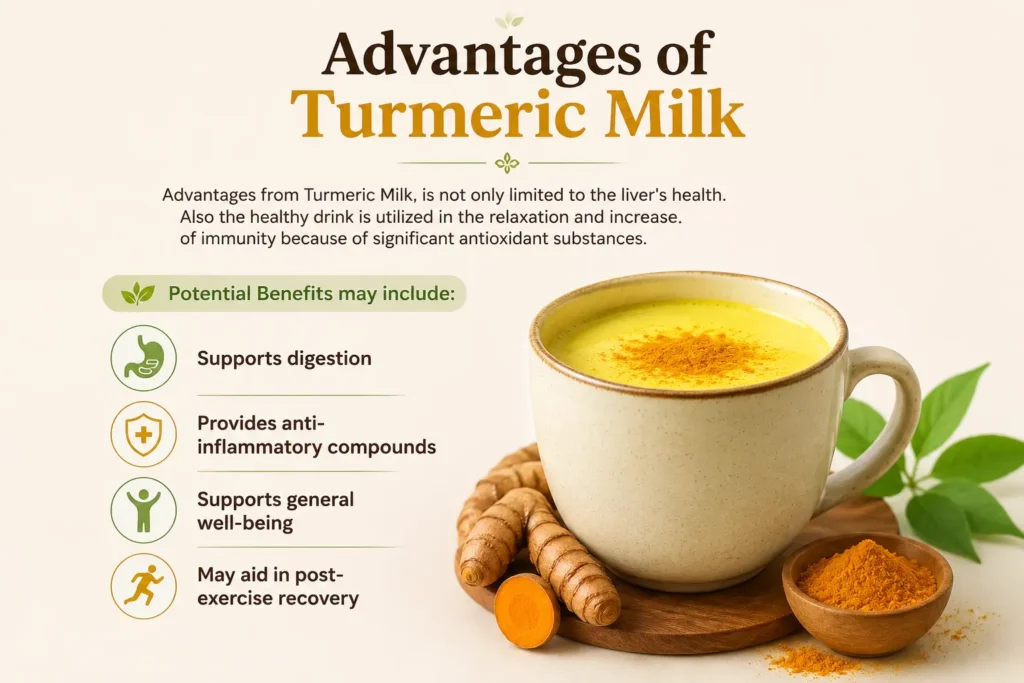
Advantages of Turmeric Milk

Advantages from Turmeric Milk, is not only limited to the liver’s health. Also the healthy drink is utilized in the relaxation and increase of immunity because of significant antioxidant substances.

Potential Benefits may include:

  • Supports digestion
  • Provides anti-inflammatory compounds
  • Supports general well-being
  • May aid in post-exercise recovery

Further Turmeric Milk Benefits

Most people who drink turmeric milk prefer it as part of their bedtime routine. Several turmeric milk benefits have been cited that may help with sleep and overall relaxation. Since liver cell regeneration is a very important part of recovering the liver and health as a whole, drinking this beverage before bedtime could be extremely beneficial.

Simple Turmeric Milk Recipe: 

  • 1 cup warm milk
  •  teaspoon Turmeric
  • Pinch of black pepper
  • Optional Honey

Combine ingredients and enjoy warm.

Can Turmeric Help with Fatty Liver?

Fatty liver symptoms develops when too much fat builds up in liver cells. It often occurs with a poor diet, obesity, insulin resistance and physical inactivity. Turmeric cannot be classified as a medicine but is a common alternative home remedy discussed for fatty liver disease due to its anti-oxidant and anti-inflammatory properties. In some research curcumin is believed to promote liver enzymes within the healthy range, as well as decrease oxidation related stress in relation to build up of fat. However, in reality the best approach to managing fatty liver is through:

  •  A balanced diet
  •  healthy body weight
  •  A physical activity regimen
  •  Limiting alcohol
  •  blood glucose control

Turmeric can be included in the diet as an aid to these beneficial changes in lifestyle.

Other Turmeric Uses for General Well-being:

Apart from Turmeric Benefits for Liver Support there are a variety of everyday uses for this bright yellow spice:

  • Helps digestion
  • Supports immune function
  • Aids in joint pain relief
  • Supports skin health
  • Maintains general health

Because of how versatile turmeric is it can be included easily in daily diet.

Conclusion

Many turmeric benefits for liver support make the spice a necessary component of your daily routine. Whether you take turmeric water, supplement your food with turmeric powder or drink turmeric milk for its benefit the golden spice is a natural way to improve overall well-being. It is important to note that turmeric milk benefits, traditional fatty liver remedies that turmeric can provide have made it popular for health-conscious people. When taken with a well-balanced diet, exercise, adequate hydration and rest, turmeric may offer an natural boost for your liver. 

FAQ’S

 If you have liver disease then you may take the amount of turmeric however you should be advised by your doctor before you start to consume too much or supplements. Turmeric is known to support an unhealthy liver but will not cure it.

 There is no such time of day as being the ‘best time’ for turmeric in the form of effects upon your liver. People who consume turmeric either take a warm glass of turmeric water in the mornings or turmeric milk in the evenings. It will make no difference to the actual effects you receive you will just feel more refreshed in the time of day you chose.

 The positive qualities of turmeric have been recognized for centuries now and they have always been believed to boost the body’s digestive system. It improves digestion that if in not working correctly will have an effect and therefore a detriment to your liver.

 Practically none. Turmeric both fresh and powdered contain exactly the same good stuff. You can consume fresh turmeric in the form of tea, add it to soup or a smoothie or make your own ‘health’ drink and actually how you take it really depends on how you feel it is having the best impact on your body.

You can enhance the benefits of turmeric on your liver by implementing the following habits in your life: adequate rest, being the correct weight, the right type of foods and exercise. With turmeric to the mix of the aforementioned lifestyle choice, your liver’s foundation of health is absolutely spectacular. 

best back pain oil

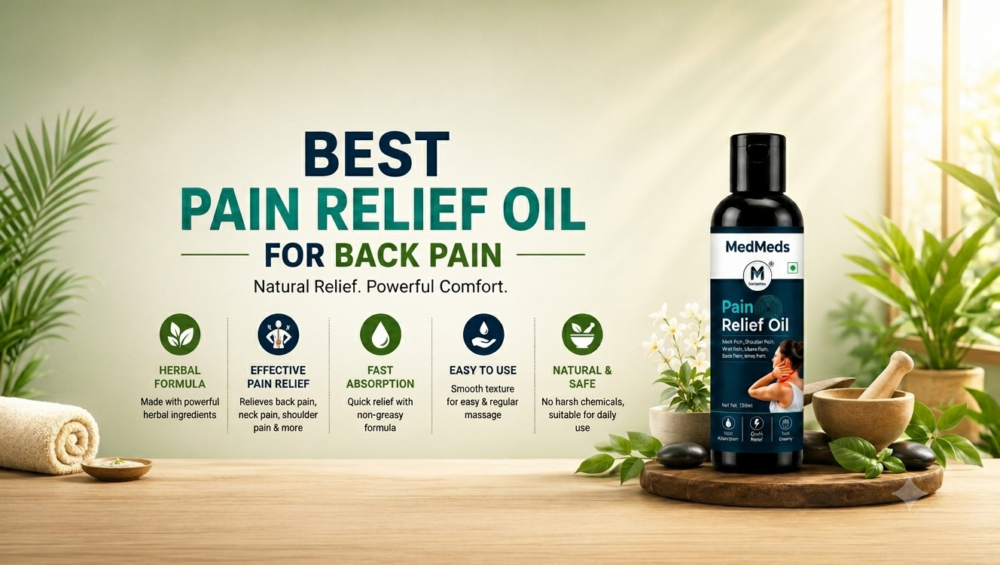
Best Pain Relief Oil for Back Pain: Why Herbal Oils are Natural Choice for Back Pain

Back pain is really common now, affecting people of all ages. It can disrupt your day whether it is caused by long working hours, poor posture, lifting something heavy, or physical activity.

Many people are looking for natural ways to feel better without relying entirely on medications. This is why Pain Relief Oil has become a popular option. Herbal formulations combine traditional wellness practices with natural ingredients that help support comfort and mobility.

Understanding Back Pain and Its Causes

Back pain can develop due to:

  • Poor posture while sitting or standing
  • Muscle strain from physical work or exercise
  • Joint stiffness associated with aging
  • Sports-related injuries
  • Inflammation in muscles and joints
  • Arthritis-related discomfort

If these issues are not addressed, they can lead to chronic pain, reduced flexibility, and difficulty performing daily activities.

Why People Are Choosing Herbal Oils for Back Pain

Many individuals prefer Back Pain Relief Oil because they offer a natural approach to wellness. Unlike chemical-based products, herbal formulations use plant-based ingredients traditionally known for their soothing properties.

Natural Ingredients

  • These herbal oil often contain ingredients such as camphor, sesame oil, wintergreen oil, peppermint, and other herbal extracts that help provide a soothing sensation and support relaxation. 

Targeted Relief

  • Unlike oral medications, a Back Pain Relief Oil is applied directly to the affected area. This allows the ingredients to work exactly where support is needed, making it suitable for localized muscle and back discomfort.

Massage Benefits

  • One of the biggest advantages of using herbal oils is the benefit of an Oil Massage for Back Pain. Massage may help improve blood circulation, relax tense muscles, reduce stiffness, and support overall comfort.

Daily Use Convenience

Many herbal oils absorb quickly and are easy to apply, making them suitable for people who need regular support throughout the day.

Traditional Herbal Ingredients

Pain Relief Oil contains a carefully selected blend of herbal oil  traditionally used to support muscle and joint comfort. The formulation includes:

  • Mahavish Garbh Oil – Traditionally used to support relief from muscle and joint discomfort.
  • Iramedadi Oil – Known in herbal wellness practices for its soothing properties.
  • Narayan Oil – Commonly used in traditional massage therapies to help support mobility and flexibility.
  • Tarpin Oil – Often included in topical formulations for its warming and comforting effect.
  • Nigiri Oil (Eucalyptus Oil) – Known for its refreshing aroma and soothing sensation during massage.
  • Sat Ajwain – Traditionally used to provide a warming effect and support comfort in sore areas.
  • Menthol Flower – Creates a cooling sensation that helps refresh tired muscles.
  • Kapoor (Camphor) – Widely used in herbal massage oils to provide a soothing and relaxing experience.

Best Reasons To Choose MedMeds Pain Relief Oil?

If you are searching for the Best Pain Relief Oil in India, MedMeds Pain Relief Oil is designed to support relief from neck pain, back pain, knee pain, and muscle discomfort.

Supports Back Pain Relief

  • Back pain often results from muscle tension and stiffness. Regular application may help improve flexibility and support easier movement.

Helps Relax Muscles

  • The oil can be used after exercise, physical activity, or long working hours to help soothe tired muscles.

Supports Joint Comfort

  • Many people experience both joint discomfort and back pain simultaneously. Herbal oils are often used to help reduce stiffness and improve mobility.

Easy to Apply

  • The oil is simple to use and can easily become part of a daily self-care routine.

How to Use Herbal Oil for Pain

To get the best results from a Herbal Oil, follow these simple steps:

  • Clean and dry the affected area.
  • Apply a small amount of oil to the upper or lower back.
  • Massage gently using circular motions.
  • Allow the oil to absorb completely.

Use regularly according to the product instructions.

For better results, combine regular application with stretching exercises, proper posture, and adequate hydration.

Additional Tips to Prevent Back Pain

While using the Best Pain Oil can provide support, healthy lifestyle habits are equally important.

  • Maintain proper posture while sitting and standing.
  • Exercise regularly to strengthen muscles that support the spine.
  • Stretch frequently to improve flexibility.
  • Lift heavy objects using proper techniques.
  • Get enough rest to support muscle recovery.

Conclusion

Back pain can interfere with work, exercise, and everyday activities. Choosing the right pain relief oil can help support mobility, flexibility, and overall comfort.

Herbal oils remain a popular option because they combine natural ingredients with the therapeutic benefits of massage. When used consistently alongside healthy lifestyle habits, MedMeds Pain Relief Oil may help reduce stiffness, relax muscles, and support a more active lifestyle.

FAQ’S

Yes. MedMeds Pain Relief Oil is designed to help support relief from muscle soreness, stiffness, and discomfort caused by physical activity or prolonged sitting.

Herbal pain relief oils use natural ingredients and are applied through massage, which may help support relaxation and improve circulation.

Yes. Older adults experiencing stiffness or mobility concerns may find herbal oils useful as part of their daily wellness routine.

Results vary from person to person. Many users experience a soothing sensation shortly after application, while regular use may provide better long-term support.

diabetes diet plan

Diabetes Diet: Plan a Healthy-Eating Diet for Better Blood Sugar Management

A Diabetes Diet is a comprehensive eating plan which is aimed at maintaining better blood sugar levels. The diet is essential in controlling the blood glucose levels in the body along with enhancing the overall health. Whether the condition of Prediabetes or Type 2 diabetes, a balanced meal plan will not only maintain sugar levels, but it also keeps your body free from health problems and makes you feel fresh. 

 In the health-eating plan, the person concerned is required to balance all their meals with adequate proportions of a nutritious diet and keep track of when they consume their meals. Fresh fruits, plenty of vegetables, whole grains, lean protein and healthy fats form the essence of a diabetic diet. “The most significant factor is eating appropriate food for blood sugar control,” says the world-renowned health website Mayo Clinic , followed by it, “Balanced meals can also lower your risk of diabetes complications.” 

Why Is a Healthy-Eating Diet Important? 

 A health-eating plan holds immense importance in Diabetes care and the long-term health of an individual. Excess high sugar levels can lead to serious ailments like: 

  •   Heart disease 
  •   Nerve damage 
  •  Kidney disease 
  •  Vision damage 

 It is advisable for people with Prediabetes or Type 2 diabetes to always have a balanced meal plan along with performing regular exercise. A proper meal plan can be beneficial for the following aspects: 

  •  Enhanced Blood sugar management 
  •  Boosted Energy levels 
  •  Healthy Weight loss 
  •  Minimal risk of Diabetes complications 
  •  Lower High blood pressure 
  •  Reduced High cholesterol levels 

 When the Insulin hormone in your body is unable to process and use glucose properly, high levels of sugar are formed and lead to Hyperglycemia. A proper meal plan is key to controlling such levels. 

Best Foods for Diabetes Diet 

Healthy Carbohydrates 

 It is known that carbohydrates can affect our blood glucose level at a higher scale. Thus, people with diabetes should consume Healthy carbohydrates. Good carbohydrate choices are: 

  •  Whole grains: Oats, Quinoa, and Brown rice 
  •   Fresh Fruits 
  •   Most vegetables: Non-starchy 
  •   Lentils and Beans 
  •  Low-fat dairy products 

Fiber-Rich Foods for Diabetes 

 Fiber-rich foods are good for Diabetes as they keep a check on spikes in blood sugar, delay the release of sugar, and are also good for heart and digestion. Good fiber foods: 

  •  Leafy green vegetables 
  •  Apple, Guava, Pears, Berries 
  •  Nuts and Seeds 
  •  Legumes 
  •  Whole grain foods 

Heart-Healthy Fish and Omega-3 Fatty Acids 

 It is advisable to take lean protein with adequate portion of omega 3 fatty acids as the rate of Heart diseases are very high in diabetic patients. Fatty fish (like salmon, sardines, tuna and mackerel) which is a great source of Omega-3 fatty acids. Health experts recommends to eat fish twice a week for diabetes diet. 

good fats vs bad fats

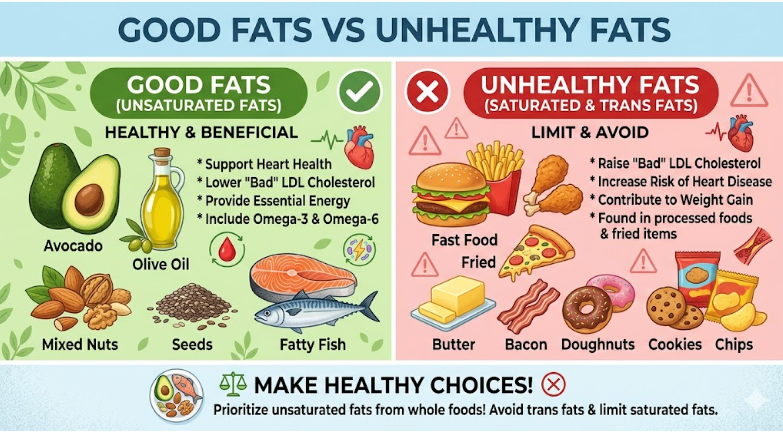
Good Fats vs Unhealthy Fats 

 Not all fats are unhealthy. While some are harmful, Good fats can reduce high cholesterol level. Good sources of fats include: 

  •  Avocados 
  •  Olive oil 
  •  Nuts and seeds 
  •  Peanut oil 

 Good fats have Monounsaturated Fat and Polyunsaturated fats in adequate quantities, making them ideal for people with Diabetes. 

Meal Planning for Diabetes 

 Eating on time, helps maintain the blood sugar levels. Thus, creating a plan for your meals will surely help to manage the disease better: 

The Plate Method 

It’s one of the simplest plans to get into healthy meals. Fill half your plate with non-starchy vegetables and the remaining two quarters with a quarter serving of protein and a quarter serving of carbohydrates. This plan also helps you monitor your portion sizes properly. 

Counting Carbohydrates 

As stated above, carbohydrates are responsible for increasing sugar levels in blood so they are also beneficial to count your carbohydrate intake in the day for effective sugar control. Dietician can give you proper guidance to read labels, servings and carbohydrate portions to make the diet healthier. 

Understanding the Glycemic Index 

Glycemic Index(GI) is also a beneficial factor when looking at food and carbohydrate absorption. GI of foods will tell you how they absorb into your bloodstream and affect the blood sugar level. Foods with a lower GI should be consumed by diabetes patients. Good GI foods include: 

  •   Lentils and beans 
  •   Oatmeal 
  •   Whole Grains 
  •  Most Vegetables 
  •   Nuts 

Healthy Lifestyle Tips for Diabetes Management 

  •   Exercise regularly 
  •  Stay hydrated 
  •   Get adequate sleep 
  •   Manage stress levels 
  •   Avoid Smoking 
  •   Maintaining Healthy weight 

 These are some of the very simple tips for Diabetes Management

Benefits of Healthy Diabetes Diet 

 Following a diabetes diet ensures numerous benefits such as: 

  •   Controlled blood sugar 
  •   Prevent hyperglycemia 
  •   Healthy Heart 
  •   Balanced Weight 
  •   Low Cholesterol 
  •  Good Mood and energy levels 

 A well-balanced meal plan will prove to be one of the effective solutions for a sound health and to combat problems caused by diabetes. 

Conclusion 

 A Diabetes Diet is essential to maintain a balanced sugar level and a positive quality of life. Focusing on Healthy meals, portion size, and a proper Meal plan helps to cope up with the chronic disease, and Fiber-rich foods, Whole grains, healthy fats, lean proteins and Fresh Fruits & Vegetables are considered to be great choices for Diabetes Diet. Along with the healthy food intake, exercise and healthy life style also makes one feel fresh and fit. 

FAQ’S

  • Foods rich in fiber and nutrients are considered best, such as oats, brown rice, leafy vegetables, fruits, lentils, nuts, seeds, and low-fat dairy products. 

Yes, people with diabetes can eat rice in moderation. Choosing brown rice or controlling portion size can help prevent sudden blood sugar spikes.

Most people with diabetes benefit from eating 3 balanced meals with 1–2 healthy snacks in between to maintain stable blood sugar levels throughout the day.

Yes, fruits can be part of a diabetes-friendly diet. Low-glycemic fruits like apples, guava, berries, oranges, and pears are usually better choices.

People with diabetes should limit sugary drinks, sweets, white bread, fried foods, processed snacks, and foods high in refined carbohydrates.

what is muscle stiffness

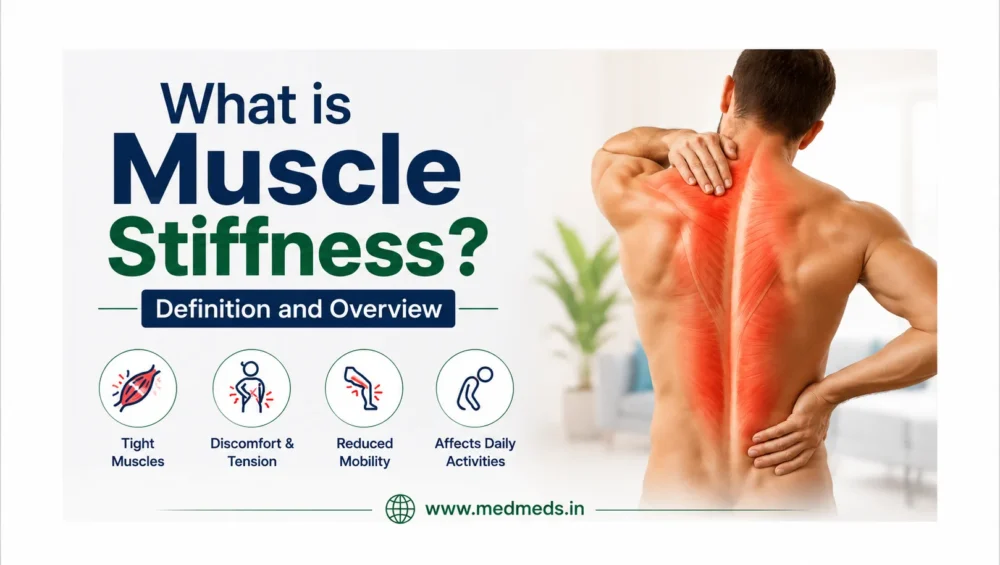
What is Muscle Stiffness? Definition and Overview

Muscle stiffness is way more than just a little discomfort, it’s kinda a physiological state where your muscle fibers hang out in a constant, involuntary partial contraction. Most times muscles act like an elastic band they stretch so you can move, and then they ease up when you’re resting. But when stiffness shows up, the fibers don’t really get the right biochemical or neurological signal to relax, so the tissue stays rigid and tight, kind of stubborn too. It pushes back against pressure, and even small motions, like your body is asking for one thing and the tissue just refuses to cooperate, even there.

Also it’s kind of different from joint pain. Joint pain often begins in the skeletal structure, or maybe in the cartilage, while Muscle Stiffness is rooted in the soft tissue itself, and that alone can narrow your normal range of motion. When that tension sticks around for long stretches , it can start pressing on nearby capillaries, which then cuts local blood flow quite a lot. After that the metabolic waste like lactic acid lingers in the same region, and suddenly you end up in this loop: dull aching, local throbbing and this heavy restricted feeling. So routine movements start feeling like an uphill battle every single time.

Muscle Stiffness Meaning: What Does It Actually Mean?

To really get the muscle stiffness meaning, you kinda gotta look at how regular everyday life messes with muscle biology in a close up way. Like if someone has chronic stiffness , the muscles are sorta… locked into a guarded holding pattern, almost like theyre bracing for something that never ends , even when nothing is actually going on. This tends to happen because the careful balance of intracellular minerals gets thrown off , mainly calcium and magnesium, and those are basically the molecular on-off switches for muscle behavior. Calcium kind of nudges a muscle to contract, but magnesium supports the “relax” signal, so if that equilibrium goes off, or if the nervous system keeps getting overstimulated for too long , the muscles start staying “switched on” in a sense.

Also, prolonged stillness, or constant repetitive strain doesn t just sit there quietly. It does something. Like, it tweaks the fascia, that dense web of connective tissue that wraps around basically every muscle, and it’s not subtle, at all. When you stay static for too long, the fascia loses hydration and that springy suppleness , then it starts thickening, and it can even help bond muscle fibers together more than it should. And this structural tightening, really, is often why you feel stiff and inflexible, because movements that are normally fluid and natural begin turning into rigid, forced actions, like the body forgot how to ease back out again.

Muscle Stiffness Causes: Why Are Your Muscles Feeling So Tight?

Identifying the exact muscle stiffness causes is the first step toward reclaiming your body’s natural agility. Muscle tissue doesn’t tighten up without a reason; it is always a direct response to specific physical or environmental triggers:

  • The Sedentary Desk Trap, (Prolonged Inactivity): is kind of a sneaky thing. Human bodies are biologically made for movement. When you sit in the same rigid chair for hours, your hip flexors, hamstrings, and the lower back muscles stay in a shortened kind of state. Eventually the brain adapts to that posture , it basically starts reprogramming the muscles to stay permanently tight, even after you finally stand up.
  • Micro Tears and delayed onset muscle soreness DOMS: when you push your body through heavy lifting, an intense at home workout, or some unfamiliar physical labor you end up creating tiny micro tears in the muscle fibers. While this is totally normal for building more strength, your body’s own inflammatory response to repair those micro tears triggers widespread swelling, and that can feel like intense stiffness about 24 to 48 hours later..
  • Cellular Dehydration and Electrolyte Depletion: Water acts as the primary transport medium for nutrients inside muscle cells. When you do not drink enough fluids, or when you lose vital minerals like sodium and potassium through sweat, the muscle cells shrink and lose their ability to glide past one another, resulting in intense rigidity, sudden knots, and painful cramping.
  • Mechanical Stress from Postural Imbalances: Slouching over a computer screen, leaning to one side while driving, or looking down at a smartphone forces your structural muscles to work overtime. To prevent your skeleton from collapsing forward, the muscles in your neck and spine undergo continuous isometric contraction, hardening like concrete to support the extra weight.
  • The Psychological Stress Reflex: When your mind experiences psychological stress or anxiety, your central nervous system triggers a primitive “fight-or-flight” response. This hormonal surge floods your body with cortisol, causing your muscles—especially around the jaw, shoulders, and back—to clench tightly in anticipation of a physical threat that never comes.
specific types of stiffness

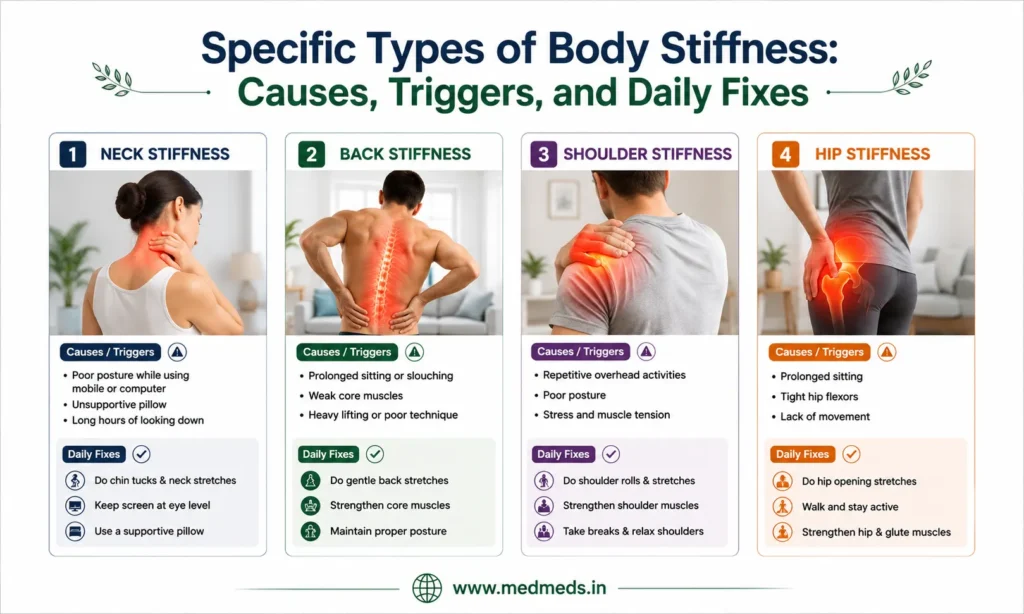
Specific Types of Body Stiffness: Causes, Triggers, and Daily Fixes

 Neck Stiffness

  • What it is: Neck stiffness is basically this acute tightening in the levator scapulae and trapezius muscles, that hold up the skull and also manage neck turning, pretty much day to day.  
  • Why it happens (Triggers): usually it’s because you spend hours staring at a monitor that’s not positioned well , or you’re cradling your phone between your ear and shoulder, and then there’s the classic sleeping on a pillow that’s unsupportive or lumpy, so the head just sits wrong.  
  • What you did to trigger it: you probably were scrolling the previous evening on a digital tablet or smartphone for hours, looking down a lot, which means the smaller muscles in the upper neck have to keep supporting a heavy head at this awkward angle.  
  • How to fix it naturally: start with slow, careful chin tucks to help bring the cervical spine back into a better line , then do gentle lateral neck tilts, guiding your ear toward your shoulder without rushing. Also, swap out thick pillows for an ergonomic contoured memory foam pillow so you don’t get that same overnight strain again.

 Back Stiffness (Lower & Upper Back)

  • What it is: This is basically deep, tiring rigidity that shows up across the big erector spinae muscles and the latissimus dorsi, those run sorta parallel to your spine, like both sides are just stuck, not really cooperating  
  • Why it happens (Triggers): Usually it comes from a weak core ,so your back muscles end up taking the whole load, you lift objects by folding at the waist instead of using your knees, or maybe you keep sitting on a soft, sagging couch, where it just flattens the usual lumbar curve  
  • What you did to trigger it: You probably lifted a heavy box or carried a grocery bag with rounded shoulders, or you stayed stuck in an office chair for like four hours straight and didn’t stand once to reset your posture .  
  • How to fix it naturally: Try gentle movement work like Cat-Cow stretch to help lubricate the spinal discs, or lie flat on your back and draw your knees toward your chest to decompress the lower back. Also focus on dynamic walking, like regular purposeful steps, to get fresh blood back into the spinal tissues and calm everything down

Shoulder Stiffness

  • What it is: it’s like a pretty severe sense of tightness that just hangs around the deltoids, the rhomboids, and the whole tangled web of tendons that basically keep the arm anchored in the shoulder joint so it stays, put.  
  • Why it happens, triggers: repetitive overhead motions of course , or sleeping completely on one side with your arm kinda pinned in an odd position under your body. Also if you leave your arms sitting on high desk surfaces, your shoulders end up doing this constant upward hunch, kind of stuck there.
  • What you did to trigger it: maybe you spent the day painting a wall, tossing a ball, or doing desk work with the table too high. That forces your shoulders to carry the load of your arms, with zero real pause.  
  • How to fix it naturally: do gentle shoulder shrugs, then backwards arm circles, to help open up the chest space. Try “wall walks” too—slowly crawl your fingers up a wall to extend your shoulder’s range of motion in a gradual and safe manner.4. Knee & Leg Stiffness

Hip Stiffness

  • It’s basically this deep seated kind of tightness, like it’s stuck in the iliopsoas area (your hip flexors) and also in the glute muscle groups. It tends to really clamp down and that, you know, limits your stride when you’re walking.  
  • And why it happens, well, it’s often linked to the modern lifestyle where your hips stay bent, like around a ninety degree angle, for most of the day. Then over time your hip tendons get physically shortened, not just “tight” in some temporary way.  
  • As for what triggered mine, it was sitting down for nearly the entire day. At breakfast, then on the commute , at my desk, and later on the living room sofa, with no real counter stretches to open the hips back up.  
  • To fix it naturally, I’d say try deep low lunges and when you go into them gently push your pelvis forward, kind of to elongate the tight hip flexors. Also add the butterfly stretch, pressing your knees down toward the floor, so you can open up the inner groin and hips a bit more.

What to Do If Natural Stretching and Rest Fail to Bring Relief?

You’ve spent days downing gallons of water , re-arranging your office ergonomics , trying every little stretch you can find online and telling yourself to rest even when you really dont want to… yet that deep, heavy iron-like stiffness in your muscles still wont move. And once that stiffness reaches this stubborn chronic stage it kind of looks like everything has settled really deep into the intramuscular matrix.

At that point, those surface level fixes , even the “easy” ones , just arent enough. The tiny blood vessels inside the locked muscle tissue have tightened up so much that your body basically cant deliver its own natural healing nutrients there. So to break this miserable loop of nonstop tension and pain, you need an external influence that can pass through skin barriers , get down into the muscle layers, and quickly jumpstart circulation so the rigidity loosens from the inside out.

The Ultimate Solution: Experience Instant Mobility with Our Premium Pain Relief Oil

When ordinary adjustments fail to restore your freedom of movement, our specially formulated Pain Relief Oil offers a direct, powerful pathway to comfort. Purpose-built to conquer chronic stiffness, stubborn muscular knots, and deep joint distress, this premium pain oil combines traditional botanical wisdom with high-absorption science to deliver rapid, lasting relief right where your body needs it most.

Why Our Pain Relief Oil Works Wonders on Stiffness:

  • Intense transdermal penetration : most common pain relief gels and sprays sort of just lean on menthol, like , to freeze or numb the skin surface for a bit, our oil uses deeply going carrier agents that move active anti-inflammatory herbal molecules down into the underlying muscle fibers, kinda quietly but definitely farther than usual.  
  • Thermal micro circulation activation : when you apply it, the special herbal compounds react gently with the tissue to make a comforting, localized warmth. That heat then opens up constricted blood vessels right away, so the stiff muscle gets oxygen-rich blood, flushing out stuck residues and lactic acid.  
  • Natural tissue relaxation : filled with organic anti-inflammatory extracts and those muscle soothing botanicals, this therapeutic oil works directly on hyperactive nerve endings, sort of telling the locked muscle spindles to loosen up and release their painful grip.  
  • Restores joint lubrication : massaged around sore zones like the knees, the lower back, or the neck , it helps calm localized inflammation, easing the mechanical tension on your tendons and bringing back smooth , fluid motion to your joints.How to Use It for Best Results:

To totally transform your stiff muscles , pour a generous coin-sized amount of the Pain Relief Oil into your palms, then rub them together a bit to warm up the oil. Put it straight onto the affected area , no matter if it’s your aching lower back, your stiff neck, or your tight knees.

With steady circular motions, massage the oil deep into the skin for about 5 to 10 minutes, so the beneficial ingredients have a chance to soak in completely.

For the best kind of comfort , use this oil right after a warm bath while your pores are more open, or work it thoroughly into your muscles right before bed so that its deep-support action can help your body repair , ease, and bring itself back as you sleep.

Stop letting everyday stiffness take over your life. Feel the rich, calming freedom of our premium Pain Relief Oil and move easily again

Conclusion

Muscle stiffness is kind of more than a small everyday bother; it’s like a warning system from your body saying your muscles are overworked, not getting enough flow, and stuck in a chronic, tightened state. If your stiffness shows up because you sit too long at a desk, or after intense physical training, or even from the natural aging of your joints, brushing it off can turn into bigger problems—like trouble moving well over time, and ongoing discomfort that just won’t really quit.

Add our premium Herbal Pain Oil into your everyday wellness routine, and you’re not merely hiding the discomfort, you’re actually helping blood circulation move along better, lowering the localized inflammation, and getting those stubborn muscle spindles to settle down. Don’t allow physical rigidity to lock up your potential or decide your daily schedule for you . Reclaim your flexibility, safeguard your joints, and feel that simple pure joy of effortless fluid movement . Give your body the natural care it deserves, then step into a more active, more vibrant, and pain-free life today !

FAQ’S

Morning muscle stiffness is pretty common, it kinda shows up a lot because you were basically still the whole night while you slept, no big surprise. When you stay immobile for hours , the blood flow to your muscles starts to slow down a bit and the joint fluid that normally helps things glide smoothly turns out to be more viscous or thick- feeling. Also if you end up lying in a strange awkward angle or you grab a pillow that does not quite support you then it can set off a small, localized irritation. Then when you finally stand up , you get that tight, rigid sensation like your body is taking its time to “wake up” or something like that , you know?

For quick easing of temporary stiffness, begin with mild heat therapy (a warm shower or a heating pad) to help calm the tight fibers and sort of “wake up” blood flow. Then, follow that with gentle dynamic stretches, not too much too fast, ok. Also massaging the spot using a deep-penetrating pain killer oil can be one of the more effective ways to immediately interrupt the tension loop and get your flexibility back.

The easiest way t o tell them apart is basically by how it feels and where it happens. Muscle stiffness feels more like a dull ache, tightness , or some kind of restriction across a wider stretch of tissue (for example your neck, thighs, or back), and it usually gets better once you start moving around. Joint pain is different though, it’s more often a sharp deep discomfort that you feel right inside a skeletal hinge (like your knees, elbows, or knuckles) and it is usually linked to cartilage wear or inflammation.

When it comes to muscle stiffness, and that chronic, always-acting-tight feeling, heat therapy is nearly always the better choice, for real. Heat tends to soften rigid tissues, it also dilates the small vessels, and in general it helps boost blood flow so the body can clear out the stuck metabolites. Cold therapy, like ice packs, is more of a short term thing, you really use it mostly for acute, sudden injuries, like a brand new ankle sprain or a muscle tear, where you need to numb sharp pain, and also bring down the immediate swelling.

Because a top-tier, well made pain oil is built using safe, natural, and botanical materials, it’s meant to be used every day, kinda effortlessly. If you’re dealing with mild or everyday stiffness, then a single application each day is usually right on track, either after a warm bath or right before you sleep. Now when it comes to chronic, or more intense tightness, you can massage the oil into the specific area 2 to 3 times a day, this helps keep the circulation moving and supports deeper calm relaxation without fuss.

habits that damage your liver

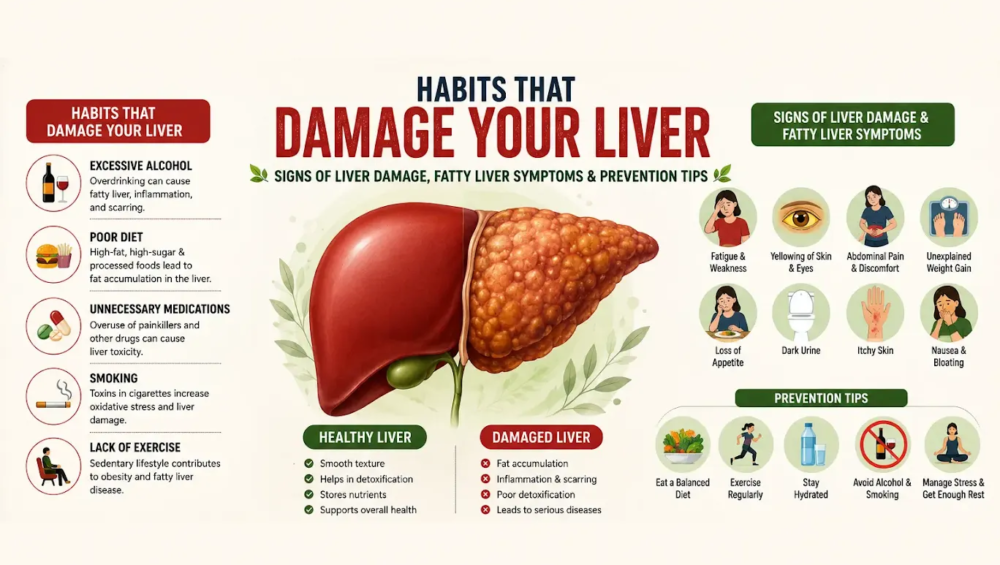
Habits That Damage Your Liver: Signs of Liver Damage, Fatty Liver Symptoms & Prevention Tips

Your liver performs more tasks than any other organ in your body. It rids your body of toxins, helps to digest fats, stores vitamins, controls metabolism, and a number of other tasks too! Certain things that we do each and everyday, could actually be slowly destroying our liver .There is an increased awareness regarding Fatty Liver, Fatty Liver Disease and other type of Liver Disease in today’s world, hence it has become crucial to look after your liver. People aren’t aware of the fact that their daily habits are leading to Liver Damage, Liver Inflammation, Fibrosis, Cirrhosis and even Liver Cancer .Knowing the Early signs of liver disease, symptoms of Liver Damage and ways to have a healthy liver can help you maintain a healthy liver over many years .In this guide we will cover about the most common Habits that damage your liver and how to improve your Liver health naturally. 

What does “liver-damage” mean?

Let us briefly look at what constitutes damage, before discussing these habits:

It is possible for liver cells to accumulate fat, to become inflamed, and then to develop scar tissue (fibrosis), eventually leading to scarring that may be so severe (cirrhosis), or can, in some instances, lead to liver cancer .Damage in its earliest forms, such as fat deposition within the liver, is entirely reversible; it is certainly possible to return the liver back to a state of healthy regeneration .Once functional cells have been replaced by scar tissue, the organ loses a significant amount of its regenerating capacity, making treatment much more problematic. The habits we will focus on are those to ‘cut the risk’ early and give the liver an excellent chance to regenerate: 

Habit 1: Excessive Alcohol Consumption

 Why is it harmful?

Ethanol is metabolized by the liver and can lead to oxidation into acetaldehyde (a toxic substance) as well as oxidative stress, inflammation, and fat accumulation in the liver cells, leading to alcoholic liver disease over a prolonged period of time. 

 Key Facts

  • Light to moderate use becomes even more hazardous when combined with other factors such as obesity and fatty liver.
  • Drinking nothing, or very little alcohol is often the most beneficial single step. 

Protective action

  • Drinking alcohol? Try cutting back, or quitting altogether.
  • Your doctor can check your liver enzymes (ALT and AST) regularly if you regularly drink. Also
  • skip the binge drinking! Pairing moderate drinking with an active, healthy life is   the way to go. 

Habit 2: Poor Diet – High Sugar, Processed Foods & Fructose

Why is it harmful?

So if you’re drinking a lot of sweet things, or eating foods that are highly processed, or have a high amount of fructose, your liver’s goal becomes turning all that extra sugar into fat. This causes what’s known as fat-infiltration, otherwise called steatosis, and can cause your liver to get inflamed. 

Key Facts

  •  NAFLD – a term for fatty liver not caused by drinking-is rapidly growing across the world, and for good reason: lifestyle and dietary choices.
  • The reason that the intake of simple sugar and fructose can lead to an increased load of fat in the liver is clear.

Protective action

  • Choose whole-foods: fruits, vegetables, whole grains rather than sugary snacks.
  • Replace soft drinks / sweetened beverages with water or unsweetened drinks.
  • Be mindful of portion size and avoid “empty calories”.

Habit 3: Obesity and Sedentary Lifestyle

Why is it harmful?

It causes a person to have excessive weight, especially fat around the tummy, sedentary behavior, accumulation of fats in the liver and eventually develops metabolic issues like insulin resistance 

Key Facts

  • Losing even 5% to 10% of body weight can decrease fat levels in the liver and also reduce its inflammatory processes.
  •  Exercise also decreases inflammation and increases the metabolic rate.

Protective action

  • Most days, engage in at least 30 minutes of moderate exercise.
  • Try slow weight loss if overweight (don’t try great dieting which puts stress on liver).
  • Cut down on your sitting time and include regular walking and leg moving break. 

Habit 4: Unnecessary or Improper Use of Drugs, Supplements & Over-the-counter Medications

Why is it harmful?

A lot of drugs (including quite a few which are freely available), herbal preparations and non regulated ‘natural’ products are toxic to the liver – in particular when used without professional supervision or used with alcohol. 

Key Facts

  • We need to remember drugs like paracetamol which is [b]available without prescription and if used in overdose [causes] fulminant hepatic failure.
  • Be cautious – Herbal supplements are not always safe to the liver, there could be dangerous levels. 

Protective action

  • Take medications strictly as directed, read label. Do not self-medicate.
  • Let your doctor know if take any supplements or herbal medicines.
  • Do not combine alcohol with medications.

Habit 5: Frequent Use of Obesogenic Fats, Red/Processed Meats & Saturated Fats 

Why is it harmful?

Consumption of a diet rich in saturated fatty acids and high levels of red and processed meat is associated with greater fat content, inflammation and risk of NAFLD. 

Key facts

  • Pan has been associated with Metabolic Dysfunction as well as with liver disease as well.
  • The liver really troubles with an abundance of nutrients and “bad fats” 

Protective action

  • Lean proteins: fish, poultry, beans.
  • Instead of caving in to unhealthy red/processed meats, opt for alternatives which are a little bit more health friendly.
  • Choose healthier fats such as olive oil, nuts or seeds instead of the saturated animal-fats.
  • Be sure to have a healthy and balanced diet. include plenty of fibre/vegetables or any plant based foods. 

Habit 6: Skipping Meals, Irregular Eating Patterns or High Late-Night Eating

Why is it harmful?

Poor eating habits that leading to irregular eating patterns, bregg breakfast, having large fatty meals during dinner time can influence the metabolism, cause up dress in blood sugar levels and liver’s production of fat and over stress liver function. 

Key facts 

  • Timing is crucial-both the liver follows circadian rhythms and loading it with metabolic demands.
  • Putting away haphazardly designed, excessive and sporadic dinner puts lots of psychological burden on your metabolism. 

Protective action

  • Provide a variety of regular, frequent, and balanced meals for the day.
  • Enormous. Binge at the bill of right! lunch, the, capping up your day.
  • In less than a few minutes you could be scarfing down some filling, hearty, and basic breakfast instead of forgoing.
  • Consume a diet of more energy at breakfast and lunch for example when trying to eat more energy diets choose to eat such foods as wholegrain lean protein and fibre. 

Habit 7: Exposure to Toxins – Environmental, Workplace and Household Chemicals

Why is it harmful?

The Liver: It is the body’s primary detoxifying organ. Can come under stress from industrial chemicals and pesticides, solvents and certain household toxins. 

Key facts

  • Any chemicals such as vinyl chloride have been linked to Liver fat deposition and injury.
  • There are all sorts of day-to-day toxins that we don’t even realize we’re ingesting that can build up over time: 

Protective action

  • Avoid using household chemicals, insecticides and solvents in enclosed areas and should be used with protection.
  • Wash your produce to lower the risk of pesticide poisoning.
  • Special precautions must be taken if you handle chemicals.
  • Do not self-medicate with unauthorized “body cleanses” or “toxins removal” dietary supplements that could overload your liver.

Habit 8: Poor Sleep, High Stress and Chronic Inflammation

Why is it harmful?

Liver Function-Related to Sleep/wake cycle and stress/inflammation burden. Sleep disturbance, Stress, disturbance of Circadian Rhythm increases inflammation and storage of Liver fat

Key facts

  • Liver regenerates and detoxifies during periods of rest: sleep disturbance interrupts it.
  • The chronic stress increases the cortisol level, adds to the metabolic aberration and finally results in the subsequent liver syndrome. 

Protective action

  • Sleep 7-9 hours on a good quality sleep.
  • Incorporate stress-management techniques: mindfulness, moderate exercising, relaxation.
  • Don’t consume heavy food, intoxicant or create based caffeine late into the day.
  • Follow a regular sleep-wake schedule (i.e. Go to bed/wake up at relatively consistent times).

Best Natural Supplements for Liver Health

Many people use natural liver health supplements to support overall liver function along with healthy lifestyle habits. These supplements often contain herbal ingredients like milk thistle, turmeric, dandelion root, and antioxidants that may help protect liver cells, reduce oxidative stress, and support natural detoxification processes. While they can be beneficial for liver wellness, they should not replace a balanced diet, exercise, or medical treatment. The best results are seen when natural supplements are combined with long-term healthy habits and regular medical check-ups.

Conclusion 

Your liver is hardworking 24/7. It filters, repairs and keeps you alive, so you don’t have to. But when we develop damaging patterns of behaviour, we shift the balance of possibility: from protection to harm; from strength to vulnerability. At RPS Hospital, we are here to help you identify these patterns, implement viable lifestyle changes and protect your liver health. If the patterns listed above sound familiar, or if you are concerned about your liver health, please contact us – we will help you make significant lifestyle changes.

FAQ’S

Stage 1- Symptoms are often go unrecognised, until it’s progressed; Fatigue, some discomfort in right upper quadrant, slight elevation of liver enzymes. Stage 2- Symptoms are :

  • Jaundice
  • Weight gain due to Ascites
  • Easy bruising 

Yes – even in established disease if the damage is early (fatty liver or mild inflammation) then alterations in lifestyle can lead to reversal or at least large improvements, which include weight loss, diet, alcohol, exercise. 

There is no safe minimally risky alcohol threshold in the aggregate it exists even in moderate consumption particularly if the individual has other risky behaviors (overeat, obese, viral hepatitis) expert advice: abstain/minimize. 

If you have non-alcoholic fatty liver disease (now more commonly named metabolic dysfunction associated steatotic liver disease) then you do need to change the underlying lifestyle habits: weight, diet, activity, sugar. Alcohol, toxins, smoking all increase your risk and should be eliminated or reduced if possible. Source: (NIH)

Inquire to your healthcare provider about: Lab work for liver function tests (ALT,AST, bilirubin), ultrasound of liver ( as appropriate), screening for Hepatitis B & C (as appropriate). Discuss your risk factors/risk behaviors with your provider. 

Sugar Ki Dawai

Sugar Ki Dawai – Simple Tips Jo Aapki Life Change Kar Sakte Hai

Aaj ke time me Blood Sugar ka issue bahut fast speed se badh raha hai, aur ye sirf bade logon tak limited nahi raha, young generation bhi isse affect ho rahi hai. Simple language me samjhe to jab body me glucose ka level zyada ho jata hai aur insulin usko control nahi kar pata, tab diabetes hoti hai. Ye problem dheere dheere develop hoti hai, isliye kai logon ko starting me pata bhi nahi chalta. Lekin agar time pe dhyaan na diya jaye to ye heart, kidney, nerves aur eyes tak ko damage kar sakti hai. Isi liye awareness aur early control sabse important step hai, aur sahi Sugar Ki Dawai ka use bhi utna hi zaroori hai.

High Blood Sugar Symptoms Kaise Pehchane

Hamari body hamesha hume signals deti hai, bas zarurat hoti hai unhe samajhne ki. Agar aapko High Sugar Symptoms jaise bar bar pyaas lagna, jaldi thak jana, frequent urination ya aankhon se dhundhla dikhna feel ho raha hai, to ye normal nahi hai. Kai log busy life ke chakkar me in signs ko ignore kar dete hai, lekin ye early stage diabetes ke indicators ho sakte hai. Ek simple blood test karvana aapko clear picture de sakta hai aur aapko future complications se bachane me help karta hai, isliye sahi time par Best Sugar Ki Dawai lena bhi zaroori hota hai.

Diabetes Medicine vs Natural Sugar Control

Jab kisi ko sugar detect hoti hai to sabse pehla sawal hota hai ki medicine le ya natural treatment follow kare. Reality ye hai ki Diabetes Medicine zaroori hoti hai, especially jab sugar level zyada ho. Lekin sirf medicines par depend rehna long term solution nahi hai. Agar aap apni daily habits jaise khana, sona aur activity improve karte ho to medicines ka effect aur bhi strong ho jata hai. Ek balanced approach jisme doctor ki advice aur natural care dono ho, wahi best kaam karti hai, aur isi ko log Natural Sugar Ki Dawai bhi kehte hai.

Natural Sugar Control Remedies Ghar Par

Hamare Indian gharon me aise kai Natural Remedies mil jate hai jo sugar control me kaafi helpful hote hai. Jaise methi dana ko raat me bhigo kar subah khana, karela juice peena aur neem ke patte ka use karna. Ye sab traditional methods hai jo body ko naturally detox karte hai aur blood sugar ko stable rakhne me help karte hai. Haan, ye turant result nahi dete, lekin regular use se aapko improvement zaroor dikhega. Bas consistency maintain karni hoti hai, aur isi tarah ke nuskhe ko log Ghar Ki Sugar Ki Dawai bhi bolte hai.

Diabetes Diet Plan Ka Sabse Bada Role

Agar sach me sugar control karna hai to aapki Diabetes Diet sabse important role play karti hai. Jo aap daily khate ho wahi decide karta hai ki aapka sugar level stable rahega ya fluctuate karega. Meetha, bakery items, cold drinks aur junk food ko avoid karna zaroori hai. Iski jagah aapko fiber-rich foods, green vegetables, fruits aur whole grains ko apni diet me include karna chahiye. Balanced diet sirf sugar control nahi karti, balki overall health ko bhi improve karti hai, aur agar aap sahi Sugar Control Ka Tarika follow karte ho to results aur bhi fast milte hai.

Sugar Control Exercise Routine Kyu Zaroori Hai

Aaj ke sedentary lifestyle me physical activity almost khatam si ho gayi hai, aur ye sugar badhne ka ek major reason hai. Daily Sugar Control Exercise karna aapki body ke liye bahut zaroori hai. Aapko heavy gym workout karne ki zarurat nahi hai, simple walking, yoga ya light exercise bhi kaafi hoti hai. Regular movement se insulin sensitivity improve hoti hai aur body glucose ko better use karti hai. Sirf 30 minutes daily activity aapki health me bada difference la sakti hai, aur isi tarah ki activity ko log Sugar Kam Karne Ka Tarika bhi kehte hai.

Diabetic Lifestyle Changes Jo Zaroori Hai

Kai baar hum medicines aur diet par focus karte hai, lekin lifestyle ko ignore kar dete hai, jabki Diabetic Lifestyle sabse bada factor hota hai. Agar aap late night jagte ho, stress lete ho aur routine follow nahi karte to sugar control mushkil ho jata hai. Healthy lifestyle ka matlab hai time par sona, stress kam lena aur disciplined routine follow karna. Ye chhoti habits aapki life ko long term me completely change kar sakti hai, aur isi ke sath Sugar Ka Gharelu Upay follow karna bhi aapko aur better results de sakta hai.

Stress Ka Effect Blood Sugar Par

Aaj ke fast-paced life me stress ek common problem ban chuka hai, lekin iska effect sirf mind tak limited nahi hota. Stress and Diabetes ka connection kaafi strong hota hai. Jab aap stress me hote ho to body me cortisol hormone release hota hai jo blood sugar level ko badha deta hai. Isliye stress ko manage karna bhi utna hi important hai jitna diet aur exercise. Meditation, yoga aur deep breathing jaise simple techniques aapko kaafi help kar sakte hai, aur isi ko log Sugar Control Ka Tarika bhi mante hai.

Regular Blood Sugar Monitoring Kyu Zaroori Hai

Kai log tab tak test nahi karvate jab tak condition serious na ho jaye, lekin ye approach galat hai. Regular Blood Sugar Monitoring karna aapko apni health par control deta hai. Isse aapko pata rehta hai ki aapki body kis tarah react kar rahi hai aur aap time par changes kar sakte ho. Fasting sugar, post-meal sugar aur HbA1c test aapko accurate result dete hai. Prevention hamesha treatment se better hota hai, isliye monitoring ko ignore mat karo.

Conclusion

Agar simple aur practical way me samjhe to Sugar Control Tips follow karna mushkil nahi hai, bas thodi consistency aur discipline chahiye. Medicine, diet, exercise aur lifestyle sab ek dusre se connected hai. Agar aap in sab par thoda thoda dhyaan dete ho to diabetes aapki life ko control nahi karegi. Aapko bas ek healthy routine banana hai aur usse follow karte rehna hai. Small steps se hi bada change aata hai.

FAQ’S

Agar aap proper Diabetes Control follow karte ho to sugar ko manage kiya ja sakta hai, lekin completely cure hona rare hota hai.

High Sugar Foods jaise sweets, cold drinks, white bread aur processed food avoid karna chahiye.

Low carb aur Healthy Diet Plan jisme fiber, protein aur vitamins ho wo best hoti hai.

Haan, regular Exercise Benefits blood sugar ko naturally control karne me kaafi madad karte hai.


fatty liver symtoms

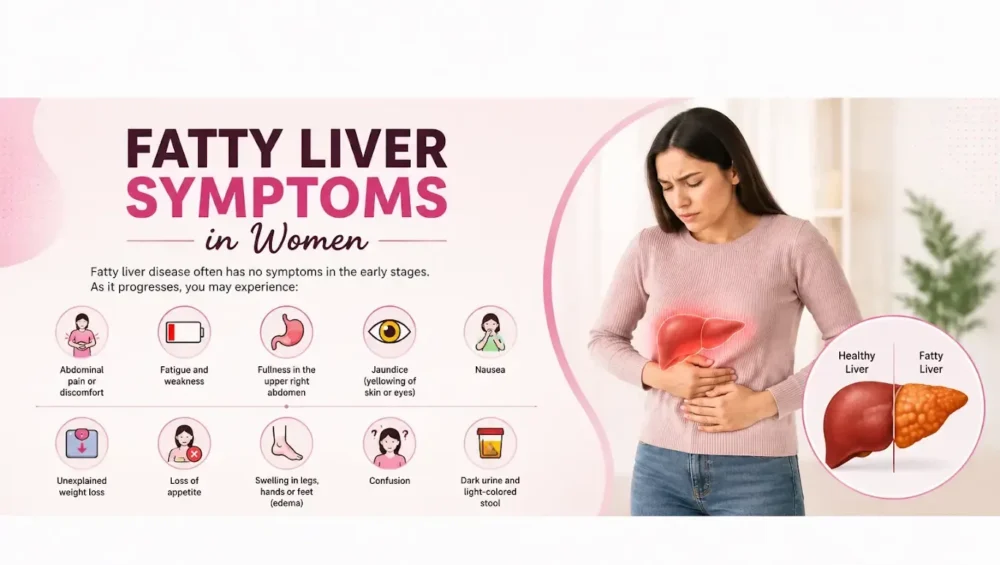
 Fatty Liver Symptoms in Women

Fatty Liver Disease is the most common type of liver disease worldwide. Excess fat that collects in liver cells causes fat deposition in the liver is known as fat liver. In the early stages, there may be no symptoms. This is one of the reasons it is often referred to as a silent liver disease. Women can present with different Fatty Liver Symptoms than men due to the hormonal changes that happen during pregnancy in the first and third trimester, menopause and PCOS. Liver is well protected by the female hormones like estrogen and similar ones. A change in hormone level can increase the risk of liver disease. Since the fatty liver disease goes untreated, liver inflammation, liver fibrosis, liver cirrhosis and liver failure occurs, it is important to diagnose it early. Recognizing Fatty Liver Symptoms in Women would help find the same and treat it before it develops.

Common Fatty Liver Symptoms in Women

A lot of women exhibit no symptoms in their early years. Even so, there are nuances that may be ignored.

Fatigue- early symptoms of fatty liver disease. The lack of sleep does not guarantee arousal for women.

Symptoms may include:

  • Low energy levels.
  • Difficulty concentrating.
  • Reduced physical performance.
  • Feeling tired throughout the day.

Abdominal Discomfort or Pain- Some women can experience a little pain in their abdomen or tummy, especially in the right hand upper side of the abdomen where the liver is situated. This pain might feel like this:

  • Dull, aching pain
  • Pressure under the ribs
  • Slight tenderness 

Upper right abdominal fullness-  A swollen liver will also very frequently be associated with a feeling of fullness or pressure on the right side and in the upper-right quadrant of the abdomen. 

Unexplained fatigue- An overwhelming number of women complain of feeling physically weak and lethargic even while otherwise generally healthy. This fatigue affects women’s abilities to get through the day as well as exercise.

 Loss of appetite-  Appetite loss  will often begin to occur as liver function decreases. Many women may complain of little to no interest in food, accompanied by sometimes, occasional nausea. 

Advanced Fatty Liver Disease Symptoms

Once the disease has advanced into a more severe form of liver disease, the symptoms will become more apparent and may represent that the liver is damaged to a significant degree.

Jaundice- Jaundice can occur due to bilirubin being present in the bloodstream in larger than  normal quantities.

Symptoms may include:

  • A yellow appearance of the skin
  • Yellow eyes
  • Dark colored urine 

Swelling in Legs and Feet (Edema)– When the liver fails to regulate the amount of fluid the body contains it results in Edema.

 The woman will notice:

  • Observe swollen legs
  • Observe swollen feet
  • Observe swollen hands
  • Ring will become tight, shoes will fit poorly 

Ascites (Fluid in the Abdomen)Ascites refers to fluid build up abdominal.

The symptoms of ascites can be:

  • Enlarged abdomen
  • Quickly expanding abdomen
  • Shortness of breath because of the distended abdomen 

Nausea and Vomiting- When the liver isn’t working well it can set off nonstop nausea and vomiting, and sometimes that just keeps going for a while, like a long time. In some situations, a person may also notice unplanned weight loss even though there hasn’t been any real change in what they eat. If the liver gets badly injured it can lead to portal hypertension, and that may interfere with how the body helps blood clot properly, and then internal bleeding can occur. Signs that suggest internal bleeding might include black stools, vomiting blood, and easy bruising, and each one of those really needs swift medical attention.

Confusion and Brain Fog- Too many toxins in the brain may be the cause of hepatic encephalopathy

This may cause:

  • Confusion
  • Memory loss
  • Brain fog
  • Loss of focus

Dark Urine and Pale Stools-

  • Passing dark-colored urine
  • Light-colored stools
  • Digestive issues 

The Skin becomes Itchy- This occurs because the bile salt has built up in your blood. Spider-Like Blood vessels on the skin. There are very small red blood vessels called Spider Angioma that appear on the chest, neck, arms and on the face. 

Fatty Liver Disease and Menstruation Symptoms

The liver is also involved in metabolising many hormones and some women with impaired liver function can have menstrual irregularities.

  • An irregular period- Some women with fatty liver disease suffer irregular periods due to changes in hormones

  • Heavy periods- Some women may experience heavy periods because they have an imbalanced production of hormones.

  • Missed periods- In cases of severe metabolic dysfunction or liver disease, some women is missed periods.

Hormonal Imbalance and Liver Health Connection- Liver performs an essential role in the catabolism of estrogen.

This could cause:

  • Hormonal imbalance
  • Ovarian hormonal imbalance
  • Changes in fertility
  • Menstrual symptom 

Fatty Liver Symptoms in Menopause

Why the risk of disease increase after menopause- Studies show that postmenopausal women have an increase risk of getting fatty liver disease.

The importance of estrogen in liver protection- A sufficient amount of estrogen level  has proven to protect normal liver cells. The loss of estrogen at menopause decreases the level of protection to the liver.

Belly Fat, Insulin Resistance and Liver Disease- In the post-menopausal period, a good number of women end up with various risk factors that can really raise the odds for fatty liver disease. It often shows up around weight gain, and in particular when the waist area fat becomes more noticeable, plus it goes hand in hand with higher insulin resistance, higher triglycerides , and then some broader metabolic well-being issues. When all these elements stack together, they tend to push the chance of fatty liver upward , fairly quickly, in a noticeable way.

Meanwhile, typical menopause symptoms—like hot flushes, night sweats, vaginal dryness, and that slow creeping weight gain—are also frequently brought up. So if someone is thinking about hormone replacement therapy (HRT) after menopause it s wise to talk with her physician first, just to make sure she figures out whether anything in her own situation could sway liver health, or not.

Acute Fatty Liver of Pregnancy (AFLP)

What is AFLP?

AFLP, the other name for Acute Fatty Liver of Pregnancy, is an uncommon but life-threatening liver condition which typically begins in late pregnancy. Although rare it is a medical emergency due to risk of grave maternal and fetal implications.

Risk factors for AFLP include: 

  • First pregnancy
  • Twins pregnancy
  • Pregnancy of a male child
  • Abnormalities in fat metabolism.

Acute Fatty Liver of Pregnancy (AFLP) Signs & Symptoms

Acute Fatty Liver of Pregnancy (AFLP) has a handful of main signs and symptoms that can show up fast then sort of slide downhill even faster after that. Severe nausea is often one of the first things people notice, and it usually keeps going, it doesn’t really ease up even after meds are given. This is commonly followed by ongoing vomiting that just doesn’t settle, even with proper treatment. A lot of women also mention abdominal discomfort, especially around the upper part of the belly. Jaundice can also appear, so the skin and the whites of the eyes can look yellowish. On top of that, some describe a steady, almost restless urge to drink, along with clear dehydration signals, like dry mouth or reduced output. As liver function starts to decline , confusion, trouble focusing, or that mental fog feeling can creep in, so thinking clearly becomes harder. Because this is such a serious condition, these symptoms really do need immediate medical attention.

Complications of AFLP– If AFLP is left untreated, the outcome is:

  • Liver Failure
  • Kidney Failure
  • Lung Failure
  • Infection

Hemorrhage Pregnancy complications AFLP may also accompany preeclampsia, and cholestasis of pregnancy 

Risk Factors for Fatty Liver in Women

There are several risk factors that contribute to fatty liver disease are:

Obesity and Overweight- One of the main risk factors of fatty liver disease.

Type 2 Diabetes– The blood sugar and resistance to insulin leads to accumulation of fat.

 High cholesterol and triglyceride– High blood fats including cholesterol and triglyceride levels .High risk of liver damage.

Metabolic syndrome

  •  high blood pressure,
  •  high blood sugar, 
  •  obesity and abnormal
  •  blood fats.

Alcohol intake– High intake of alcohol may lead to alcoholic fatty liver disease.

PCOS(polycystic ovary syndrome)– women with polycystic ovary syndrome tend to be insulin resistant and susceptible to higher risk of fatty liver disease.

Post-menopause– Hormonal changes in post-menopausal women lead to higher risk.

Turner’s syndrome– Liver abnormalities are more commonly seen in women with Turner’s syndrome.

Tamoxifen intake- Prolonged tamoxifen use for breast cancer treatment.

Other risk factors also present with fatty liver disease are:

  • Obstructive sleep apnea
  • Hypothyroidism
  • Hypopituitarism
  • Hypogonadism
  • Hispanics
  • Hypothyroidism
  • Hypopituitarism
  • Hypogonadism

How Fatty Liver Disease Is Diagnosed

  • Blood tests– blood test includes the measurement of liver enzymes as well as checking your overall health.

  • Liver function tests– These are blood tests carried out to check how well your liver is working and to diagnose the presence of inflammation.

  • Ultrasound– Usually the first imaging test undertaken for detection of fatty liver disease.

  • Fibro Scan– These tests measure the stiffness of your liver and to determine whether there is evidence of fibrosis.
  • MRI– This type of scan offers a detailed image of the liver tissue.

  • Liver Biopsy– A biopsy might be needed if diagnosis is unclear, and to stage the degree of illness.

Treatment for Fatty Liver Symptoms in Women

While there is no cure, treatment can halt or reverse disease progression.

Weight Loss : Weight loss is an important and effective treatment.

Losing 7–10% of body weight has the potential to help the liver.

Good Eating Habits : Provide nutrition and healthy foods rather than poor quality, fast foods and added sugars.

Exercise : This kind of physical activity can aid your body to burn the liver fat and can improve your insulin resistance. 150 minutes of moderate activity per week is the recommended target.

Alcohol Restriction : Aspirating of alcohol is strongly advised.

Medications : Certain patients may benefit from:

  • Vitamin E
  • Oral diabetes medications
  • Resmetirom (Rezdiffra)

Best Foods for Fatty Liver

A liver-friendly diet may include:

Leafy Greens:

  • Spinach
  • Kale

Fenugreek leaves:

  • Fruits
  • Apples
  • Berries
  • Citrus fruits

Whole Grains:

  • Oats
  • Brown rice
  • Whole wheat

Lean Protein:

  • Fish
  • Chicken
  • Lentils
  • Beans

Nuts and Seeds:

  • Walnuts
  • Almonds
  • Chia seeds

Healthy Fats:

  • Olive oil
  • Avocados
  • Fatty fish

Foods to Avoid

To support liver function improvement, limit:

Sugary Drinks:

  • Soft drinks
  • Energy drinks
  • Sweetened juices

Processed Foods:

  • Packaged snacks
  • Fast food

Refined Carbohydrates:

  • White bread
  • White rice
  • Pastries

Fried Foods:

  • Deep-fried snacks
  • Processed fried meals

Excess Alcohol: Alcohol can accelerate liver disease progression.

Prevention Tips

Women can reduce their risk through healthy lifestyle modifications.

  • Maintain a healthy body weight
  • Exercise regularly
  • Follow a healthy eating plan
  • Control blood sugar
  • Manage cholesterol levels
  • Avoid excessive alcohol
  • Get regular health checkups
  • Address sleep disorders
  • Seek nutritional guidance from a nutritionist

When to See a Doctor

Consult a doctor if you experience:

  • Persistent fatigue
  • Abdominal pain
  • Jaundice
  • Unexplained weight loss
  • Swelling in legs or abdomen
  • Confusion
  • Dark urine
  • Pale stools

In the event of signs of liver failure or internal bleeding, consult your doctor immediately!

Herbal Medicines and Liver Health Support

It is also important to understand the role of herbal medicines in supporting liver health in women with fatty liver symptoms. Certain herbal remedies such as milk thistle, turmeric, and green tea extract are traditionally believed to help improve liver function, reduce inflammation, and support detoxification processes. However, these herbal medicines should be used with caution and never considered a substitute for medical treatment or lifestyle changes. Since the effectiveness and safety of herbal products can vary, it is always recommended to consult a healthcare professional before starting any herbal medicines for fatty liver management.

Conclusion

This condition affects more and more women and in most cases the beginning stages are symptom free. Even though there is little to show the symptoms, fatigue, abdomen pain, and weakness in and out of eating are nothing to shrug off. If the condition progresses, other symptoms such as jaundice, ascites, edema,portal hypertension, liver fibrosis, cirrhosis and liver failure will show up.

Women have several risk factors such as: PCOS, menarche, hormonal imbalances, intra-uterine liver diseases, and other metabolic diseases. Thankfully with prompt action, women can get better. To recover and or stop the progression of this liver disease, women must maintain a normal weight, eat healthily, exercise frequently, and keep their cholesterol and blood sugars down. Any of the above listed conditions present as signs to see a physician or a liver specialist. 

FAQ’S

 Fatigue, minor abdomen pain, weakness, loss of appetite are first signs. Some women have no symptoms for years.

 Yes, liver processes hormones; hence, impaired function may cause hormonal imbalance and irregularities in menstruation.

In most instances, fatty liver is a reversible disease, and early diagnosis can allow it to be reversed.

 Yes, since after menopause women experience a decrease in the amount of estrogen hormones. They are then at greater risk of insulin resistance and accumulation of fats in the liver.

 Yes women with PCOS are at increased risk of fatty liver disease due to insulin resistance and other health related problems.

 Leafy greens, fruits, whole grains, lean protein, seeds, nuts and healthy fats are liver-friendly foods that can reverse the condition.

 Fatty liver can reverse in just months, some can take years depending on the condition and treatment given.

 While at initial stages, it might be relatively harmless; unattended fatty liver can lead to fibrosis, cirrhosis and other complications including liver failure.

 Yes, impaired liver can lead to changes in hormones, which in turn, can cause irregular or delayed periods, sometimes no periods, excessive bleeding, etc.

 It’s advised to see a liver specialist if the symptoms persist or liver test reports and liver scan show damage like cirrhosis or fibrosis.

causes breathing problems

What Causes Breathing Problems and How Can You Improve Lung Function Naturally?

Breathing is, i guess, a vital biological thing that keeps going on all the time , so oxygen can reach every part of the body. In modern ways of living, that natural process gets messed up sometimes, because of pollution and stress, and even just plain inactivity , and it quietly seems to pull down respiratory effectiveness. After a while this mess can lead to fatigue, some odd chest discomfort, and even a noticeable drop in physical stamina. One key sign inside all of this is Lung Health Improvement it really shows how smoothly the respiratory system handles ordinary daily pressure. When lung health begins to slide, the ability to draw in oxygen becomes less efficient and it can hit your energy levels, and your staying power, pretty directly. Once someone realizes that, they can start making small proactive moves to support their breathing pace—like tweaking daily habits, selecting cleaner surroundings, and doing better respiratory care routines.

What Are the Most Common Breathing Problems Causes in Everyday Life?

Breathing issues feel like they show up more lately, mostly because people are constantly around environmental pollutants and their day to day routines are kinda modern in a way that doesn’t really help much. Things like dust, smoke, allergens, and chemical irritants , sort of slowly mess with the air passages. After a while it can make breathing feel tight , sort of constricted, even if you haven’t done anything that’s really extreme. Also, sitting for long hours with awkward posture limits Lung Expansion , and then stress adds another layer by nudging your breathing into a shallow rhythm. When you put all that together it often leads to discomfort during regular everyday tasks.

So spotting early signs of lung problems is genuinely important. Sometimes they appear quietly at first, then later only become more serious. If someone ignores those early signals it can drift into long lasting respiratory trouble. But if you catch the triggers earlier, it gives people a better chance to improve breathing quality and keep symptoms from getting worse over time.

Why Should We Focus on Natural Lung Remedies for Everyday Care?

Your lungs are kind of getting hit, all the time, by toxins from air pollution , a few indoor chemicals, and even certain lifestyle choices that throw off the respiratory balance. If you do simple daily habits you can help lung health, and it usually translates into better breathing comfort, slowly, not like an overnight miracle. Things like steam inhalation, staying properly hydrated, and doing controlled breathing exercises can ease airway strain and back up smoother oxygen movement, you know. These methods generally work gradually, so your respiratory balance comes back in a more natural way, without the unwanted side effects folks worry about.

Also, the whole topic of Oxygen Therapy Benefits is relevant here. When oxygen delivery improves, energy production goes up and fatigue often eases off. With oxygen reaching the body more efficiently, lung performance can improve on its own, which then supports overall wellbeing and more steady breathing comfort, all day long.

how to protect lungs

How Can We Best Protect Adult Lung Health in Polluted Cities?

In busy urban areas the respiratory system gets exposed all the time to pollution from traffic, factories, and construction dust, like it never really ends . Those harmful specks kind of slip into the lungs and over time can make breathing less efficient, you know. If someone stays around it for years it might end up causing throat and lung irritation, lower stamina and also a heightened reaction to normal everyday environmental triggers . Good protective habits do matter, for example skipping the noisiest busiest pollution windows, wearing protective masks, and taking time in green spaces now and then. The phrase air pollution Lung damage is sort of a key idea here because ongoing exposure can directly affect respiratory function and general well-being. When people cut down on their exposure and keep up clean breathing practices it helps preserve lung strength even when the environment is still pretty polluted .

Can Home Remedies For Shortness Of Breath Provide Quick Relief?

Shortness of breath can show up sudden, and it may trigger panic which then makes the breathing pattern worse , like immediately. Some simple physical tweaks can help bring calm back, pretty fast . Try sitting upright , leaning forward a little, and then paying attention to slow exhalation, this helps the Respiratory Muscles loosen up. Using controlled breathing techniques also helps steady the oxygen flow and lowers stress , overall. The phrase breathing anxiety relief really matters here, because anxiety often turns mild episodes into something harder to manage. When you handle both the physical response and the emotional reaction together, normal breathing tends to come back more effectively. These simple ways are useful for quick relief , and you can practice them anywhere .

Why Is Maintaining Clean Indoor Air Essential for Your Family?

Stuff like dust, smoke , and even the chemical vapors that come from cleaning products can kind of slowly nibble away at lung capacity over time. When ventilation is weak or kind a blocked, it can also make more of those irritating particles build up in the air. Keeping indoor air cleaner tends to drop those risks, and it can also help breathing feel easier in general. Natural ventilation, routine cleaning , and cutting back on the use of harsh chemicals can make a real difference for air quality, honestly.

And there’s this Air Quality Monitoring that’s important too, because if you keep an eye on what’s going on with indoor air conditions, you can keep the space more safe and healthier. Clean air then supports better lung performance, and it can improve overall well being, as well.

simple lungs exercises

What Are Some Easy Lung Exercises You Can Do Anywhere?

A bunch of folks end up using just a little bit of their lung capacity , mostly because they get tangled in shallow breathing habits. it kind of builds up over time, bit by bit, like it sort of happened slowly without notice. this kind of routine really limits how much oxygen comes in, and it can also drag down stamina. still, there are fairly simple breathing exercises for lungs that can, over time, help the lungs work more smoothly, and bring back a more natural rhythm. for instance, deep breathing, diaphragm activation, and a slower exhale method can help strengthen the respiratory muscles, and make them more ready to respond.

also, the phrase Breathing Exercises for Lungs really matters here, since doing them consistently supports better oxygen exchange, and it can even lift endurance. the nice thing is you can do these anywhere—inside, outside, or even while waiting around. there’s no gear needed, so it becomes an easy daily way to improve how the breathing system functions.

How Do Healthy Lung Foods Protect Your Respiratory System?

Nutrition really helps , like a lot, when it comes to keeping the lungs in good shape day to day. If you eat foods that have antioxidants, plus vitamins and minerals , it can help calm inflammation and also give a lift to respiratory work. And sure, drinking enough water counts too because hydration keeps mucus moving more smoothly , and that can reduce the chances of airway blockage, happening in the first place. The whole idea of anti inflammatory foods for lungs matters here , because when inflammation levels drop, breathing efficiency usually improves , and lung resilience can stay steadier.

You can see support from things like ginger and garlic, turmeric, and green vegetables. Those foods help respiratory health and they also offer some defense against environmental damage, pollutants and similar stuff. When the diet stays balanced , it can improve long term lung performance and everyday breathing comfort , without turning your meals into a complicated thing.

How Can You Clear Airways Naturally Using Simple Kitchen Herbs?

Natural herbs are kinda widely used to support respiratory wellbeing , and help ease congestion in some cases in a pretty noticeable way too. Ingredients like ginger, tulsi, and peppermint can help calm the airway muscles a bit, and make it easier for mucus to slide out. They also tend to strengthen the immune response, and they may reduce irritation inside the respiratory passage .

Warm herbal drinks give a gentle sort of comfort , they ease that heavy feeling in the chest and can make breathing feel smoother overall. The thing about Natural Remedies for Breathing problems really matters here, because herbal options might support longer-term lung comfort , while helping you avoid a bunch of unwanted side effects. Overall these remedies tend to work well for mild symptoms and fit nicely into everyday respiratory care .

What Are the Warning Signs That Tell You When To See A Doctor?

Seeing serious breathing signs early, like, is genuinely important so that you can get medical help in time. Examples such as a cough that just will not quit, chest discomfort , wheezing, or that sudden “can’t get enough air” feeling shouldn’t be brushed aside or ignored. Those signals may point to an airway issue that actually needs a clinician’s look, not just usual home remedies.

Even when basic, everyday care can still help keep lungs in decent shape overall, any severe or lingering symptoms should still be checked by a doctor. “Chronic Respiratory Symptoms” really is the key phrase here, because ongoing troubles with breathing often suggest something deeper underneath.

Conclusion: Charting a Path to Optimal Lung Function

Healthy breathing is kinda like the core base of our daily energy, stamina  and mental sharpness. But you know modern life has that whole thing — urban pollution, continuing stress , long hours of mostly sitting still, and even some sneaky indoor irritants—so it can slowly mess with respiratory efficiency . And if you ignore lung mechanics even a little bit, the body starts to “get used to it” with these shallow breathing patterns. Then you end up feeling kinda constantly worn-out, low on motivation, and sort of mentally foggy too.

Reclaiming your natural lung range, and shielding your airways doesn’t always mean huge life overhauls . Real, long-term respiratory resilience usually grows from small, steady, future-minded routines, not from some big dramatic changes :

 FAQ’S

To keep your lungs safe in city areas , try to check the daily Air Quality Index, AQI, and basically avoid outdoor workouts when pollution is really high , it’s often around mid day and then again during that early evening rush time . If you can , shift your sessions toward greener places like parks , because that tends to help a lot . On days that are extra smoky or just kind of grimy , consider using well made protective masks, for instance N95s, so the air gets filtered better.

Breathing and the nervous system really have a direct two way relationship. Like, when you’re stressed your breathing just kind of goes fast and shallow on its own, without asking. And then the other direction happens too, so if you breathe in a shallow way out of habit, you’re basically telling your brain that the body is in a fight-or-flight kind of condition. That then leads to stress hormones being released, which creates this looping problem with breathing anxiety, you know. If you slow down your exhalations right away, it instantly tells the brain to settle, and to chill a bit and relax.

In the medical world, when a cough is persistent for 8 weeks, or more, it can be regarded as a chronic cough. When your cough is accompanied by wheezing, chest pain or tightness, along with the peculiar sensation that you are not getting enough air despite relaxing, that would definitely be a red flag.

In the medical world, when a cough is persistent for 8 weeks, or more, it can be regarded as a chronic cough. When your cough is accompanied by wheezing, chest pain or tightness, along with the peculiar sensation that you are not getting enough air despite relaxing, that would definitely be a red flag.

practical guide for healthy lungs

A Practical Guide to Maintaining Healthy Lungs and Comfortable Breathing Every Day

Every single day, the human body depends on this continuous oxygen supply system that, kind of quietly, powers every cell, organ, and muscle, with no pause. This natural process creates the living foundation for life, and it also ends up shaping Lung Health , physical stamina, mental focus, and overall biological efficiency in a very straightforward way. When the lungs are doing their job properly, oxygen flows freely through the respiratory pathway, and energy creation stays more steady across the day.  

But in today’s surroundings, filled with pollution , dust, persistent stress, and those long sedentary routines, the fragile balance gets thrown off, sometimes without any real warning signs at first. Over time, reduced airflow efficiency can slip in gradually, and then it may show up as mild breathlessness, less endurance, and a general sense of tiredness. Keeping track of breathing quality, posture, and even the outdoor air conditions becomes genuinely important for long term wellness.  

And if you support the lungs using simple daily habits, oxygen exchange often remains smoother, so the body can stay active, more alive with energy , and naturally resilient even when environmental stressors keep nudging respiratory comfort out of rhythm.

Why Do Mature Adults Suffer From Adult Respiratory Issues in Modern Environments?

It all piles up together and reduces airflow ability, then over time it weakens the natural breathing rhythm a bit. So yeah, as lung function slowly slides down, a lot of people notice less Lung Capacity, which makes deep breathing feel harder and also less effective. They all make respiratory comfort feel worse , honestly. Eventually the body kind of adapts to this shallow breathing routine, and then oxygen intake stays limited. After that, the heart and muscles have to work more, than they really should, which is not great.

All this mix, environmental stressors plus day to day habits, really adds to adult breathing discomfort. Improving lung function through awareness, better movement, and breathing correction matters, if you want to come back to a more natural respiratory efficiency and help long-term physical vitality stay steady.

What Strategy Works Best for Long-Term Chronic Breathlessness Management?

So honestly, handling long term breathing discomfort usually needs a steadier kind of rhythm not some quick remedy that helps for a little bit , then kinda fades out. The ongoing breathlessness is often linked with environmental sparks, weaker lower airway resilience , stress, or other sensitivities that make the passageways feel a bit less dependable. The first real step is sort of figuring out what lights it up, like dust, pollution, allergens, or even emotional strain, and also the smaller everyday bits in between. Once you can sort the triggers out, the usual day to day habits that actually back Lung Function start to matter a lot if you want anything that lasts.

That can mean staying properly hydrated, using measured breathing approaches, and doing gentle movement so the respiratory muscles slowly return their strength. Over time these routines tend to support better oxygen exchange , and they can also ease that twitchy feeling in the air passages.  

At the same time , emotional steadiness counts too, because stress can nudge breathing patterns slightly off center, and then it adds extra chest tightness. A calmer routine that holds steady is often what lets the lungs rebuild endurance at their own pace, not by force. With ongoing awareness , the respiratory system usually ends up more even, so episodes of breathlessness show up less often , and your everyday life quality tends to improve, gradually.

safest herbal respiratory remedies

Which Plants Provide the Safest Herbal Respiratory Remedies for Everyday Protection?

Nature kind of hands us a few strong herbal picks that people have used for ages to support respiratory wellness and keep the airways a bit clearer, not always in a dramatic way , but more like steady help. You’ll hear names like tulsi, mulethi, ginger, and vasaka mentioned a lot, because they seem to bring a soothing kind of shield for the respiratory system , and somehow help with that whole “air feels easier” thing. Generally, these botanicals work to calm irritation, keep mucus in better balance, and make the flow through the lungs feel less blocked, if that makes sense.  

When you take them regularly in teas or other herbal preparations, they can do some folks call Lung DetoxSupport, and practically speaking, it means the body can naturally clear out extra particles and pollutants you end up breathing in each day. They feel gentle, yet still surprisingly useful , so they can fit into a longer-term natural wellness routine without too much fuss. And yes, they may also help the immune response grow a little stronger, so seasonal shifts and environmental stressors don’t smack breathing comfort as hard. So in the end , by backing the body’s own cleansing actions inside the respiratory tract, these herbs support clear, smooth, and healthier breathing patterns for everyday life.

What Steps Provide Immediate Shortness Relief During a Sudden Breathing Flare-Up?

Sudden bursts of breathlessness can feel really overwhelming, and then anxiety sort of kicks in , making the body feel even more uncomfortable within seconds. In those moments it’s kind of crucial to maintain a calm upright posture, along with steady breathing. Just sit up straight , let the shoulder muscles loosen a bit ,and try not to do any tight chest movement, because that can quickly help the airflow settle, more or less. One of the better and also more dependable ways is slow controlled exhalation , it helps Oxygen Flow in a smoother way and it can guide your breathing back toward a familiar rhythm. This also tends to interrupt those fast shallow breathing loops that usually make everything worse.

Instead of a strong inhalation , try to keep your attention on long gentle breaths, because it eases strain on the lungs and lets the air passages open more easily. And honestly keeping your mind steady matters a lot too ,since panic can crank up the symptoms fast. When you pair physical positioning with mindful breath steering, the respiratory system can move back into a more stable mode fairly soon, and the discomfort eases ,while normal breathing returns within a short time window.

How Does Implementing Natural Air Purification Transform the Indoor Home Environment?

Indoor air quality really does matter , especially for lung comfort, because most people are indoors a lot—homes , offices , and other enclosed spaces too. If the ventilation isn’t great , dust starts to pile up, and then chemical pollutants can show up from cleaning products or even furniture finishes, and it can slowly interfere with respiratory health over time. After a while of breathing that kind of air, you might notice airway irritation , and breathing just feels a bit less comfortable.  

To Clean Lungs you can lean on ventilation , like letting natural airflow move through the rooms. You can also use plant based filtration systems which sort of assists. These ideas work because they reduce airborne irritants that would otherwise slip into the respiratory system. Plant purifiers , such as snake plants and peace lilies, add a more grounded filtering touch , while routine airflow also prevents rooms from getting stale , and it helps stop fine particles from lingering around  

With a cleaner indoor environment, the lungs tend to work more efficiently, so there’s less unnecessary strain and you may see improved oxygen uptake. In the end, this supports a healthier atmosphere that backs long term respiratory comfort , and it ties into overall wellness as well

diaphragmatic breathing exercise

Why Are Diaphragmatic Breathing Exercises Considered the Foundation of Lung Training?

Most folks, if they don’t really catch it, end up kinda sliding into this shallow chest breathing deal, and it sorta keeps oxygen transfer on the low side, plus it adds extra grind to the upper airway muscles. And since that whole routine is a bit inefficient, lung ability can slowly drift downward over time , then fatigue shows up … and you also feel this ongoing stress buildup thing, like it’s hanging around inside you somewhere.

 Lung Capacity Improvement usually helps untangle it because it pulls more from the lower lung areas and it trains the core breathing mechanism, the diaphragm. With this style you often notice a clearer shift in lung volume, as if you’re getting deeper oxygen intake with less overall strain on the body. When breathing starts moving more smoothly, oxygen swapping improves too, so your system can stay steadier for energy, and mental clarity tends to show up across the day

What Practical Methods Provide a True Lung Capacity Enhancement?

To improve lung performance you usually want a steady physical effort, something that slowly, maybe even a little quietly , bothers the respiratory system then kind of helps it afterward , bit by bit. Activities like walking, cycling , swimming, or some light cardio tend to work well because they gradually train lung function. In real life , they raise oxygen demand while also making the breathing muscles a little stronger , so the body gradually figures out how to move air in a smoother, more balanced way. If you keep moving regularly , the way oxygen is used can become more efficient, and that often leads to more endurance, plus less exhaustion. You might even notice Deep Breathing , since your lungs can open up more fully on each inhale, little by little. Eventually this commonly shows up as better stamina, healthier blood flow, and higher respiratory efficiency, whether you are resting or you are actually being active.

And it’s a bit different from hard training sessions, because gradual movement is mostly about building long term lung strength, without pushing the whole system too aggressively. If you stick with it , many people end up with calmer breathing rhythms and more everyday physical comfort.

When Should Unexplained Symptoms Prompt an Immediate Clinical Evaluation?

Even if adjustments to your everyday rhythm, and these natural approaches, can in quite a few cases help respiratory wellness in a solid way, it’s still really important to notice the exact moment when you might actually need medical care. Like if the symptoms don’t ease up, for instance a cough that drags on for too long, chest tightness that keeps returning, wheezing, or that sudden “can’t get air” sort of shortness of breath feeling, don’t just decide it’s “not a big deal”. Those signs may be pointing toward something more intricate, and that usually means you should seek a professional diagnosis. Getting checked sooner rather than later is the right step, and it also lowers the risk of complications,because honestly it’s better to identify problems early. This early awareness really matters for keeping respiratory health on the safer side, because a serious situation can be recognized and managed the right way.

Clinic may recommend diagnostic testing, such as lung function assessments , or imaging, so they can figure out more precisely what’s happening with your breathing. And when medical advice lines up with steady daily practices, it can turn into a more rounded lung wellness plan, so you get Health Safety and longer-term ease when you breathe.

Conclusion

Comfortable, unrestricted breathing is kind of like that quiet engine underneath our physical endurance, mental focus, and general systemic vitality . But because breathing is automatic, it can seem like nobody really pays attention to it, and honestly that’s where the trouble starts. In modern spaces, with their stuck, stale indoor air, weak posture, ongoing stress, and plenty of environmental pollutants, people don’t notice the slow change… they gradually lose lung capacity, and the way the upper airway works can start to shift too.

When you treat respiratory health as an active daily practice, your lungs can adapt as life changes, whether it’s the structural shifts that happen during pregnancy, or you’re slowly building long-term cardiovascular stamina. Yes, natural habits can create a solid base for whole-body wellness, but Health Safety still means you stay aware of your boundaries, and you get a clinical evaluation if any breathing feels off

 FAQ’S

take a deep breath in through your nose, and kind of aim for your belly to move up, like it’s lifting upward, while your chest keeps still as much as you can . After that, breathe out slowly, with your lips pursed like you’re pushing air through a tiny gap . Do this for about 5 minutes each day, and little by little, you’ll start re-educating your nervous system so it leans on the diaphragm on its own, automatically .

If you’re trying to take the easiest road, it’s mostly about staying on your back, one hand set on your chest, and the other sort of resting across your belly, ok. Then take a solid breath in through your nose, and try to have your belly drift upward, like it’s gently rising, while your chest stays put as much as possible . After that, breathe out slowly , with your lips pursed like you’re forcing the air through a very tiny opening. Do this for around 5 minutes every day, and slowly, step by step, you’ll start retraining your nervous system so it leans on the diaphragm by itself, right away and automatically .

If you end up dehydrated ,that mucus turns thicker, sort of tacky, and it messes with the lungs natural self cleaning process. It also ramps up airway resistance, so breathing feels heavier, and more effortful, like you have to push harder every time.

Yeah, when taken in moderate, traditional ways (like in a daily brewed tea) herbs such as mulethi , (licorice root) tulsi and ginger are pretty supportive. 

if the breathlessness shows up even while you’re sitting completely still , or if it comes with a lingering cough, a whistling wheeze sound, chest pain, or that choking sort of sensation, then it counts as an odd symptom you can’t ignore and it needs prompt clinical checking.

Select the fields to be shown. Others will be hidden. Drag and drop to rearrange the order.
  • Image
  • SKU
  • Rating
  • Price
  • Stock
  • Availability
  • Add to cart
  • Description
  • Content
  • Weight
  • Dimensions
  • Additional information
Click outside to hide the comparison bar
Compare
Shopping cart close