Free standard shipping for orders OVER RS: 999
Best Foods for Respiratory Wellness: Nutrient-Rich Foods for Healthy Lungs

Best Foods for Respiratory Wellness

Keeping up with good respiratory health is kinda crucial for overall well-being. Our lungs keep working nonstop to bring oxygen to every cell in the body, while also clearing out carbon dioxide. When the lungs are in a decent shape, people often notice better energy, a stronger immune system, and that overall quality of life feels more steady. Even though regular movement and staying away from nasty pollutants are key, food , nutrition actually matters a lot too, for how well the lungs perform.

A nutritious lung-friendly diet can give your body a bundle of antioxidants, vitamins, minerals and those anti-inflammatory compounds that help shield lung tissue from harm. A lot of specialists basically line up on this idea, that picking the best foods for Respiratory Wellness can help you breathe more comfortably, lower inflammation and encourage long-term respiratory steadiness.

In this guide, we’ll look at the best foods for lung health, then break down how nutrition affects respiratory wellness and share practical ways to mix these nutrient-rich picks into your everyday meals, without making it feel like a chore.

The Connection Between Diet and Respiratory Wellness

The foods we eat in our daily routine directly affect our respiratory system. Nutrients like vitamins A, C, E, omega-3 fatty acids, and antioxidants help lessen oxidative stress and inflammation in the lungs. It’s kind of a domino effect , you know, what goes in helps how your airways behave.

Some benefits from respiratory wellness foods are these , not always in the same order though:

  • Supporting healthy lung tissue
  • Helping reduce inflammation within the airways
  • Strengthening the immune defenses
  • Improving oxygen exchange
  • Assisting with breathing, overall comfort
  • Promoting proper lung function

So if you’re asking what kinds of foods help with respiratory wellness, then the nutrient rich choices below should fit into your regular diet, consistently.

Leafy green veggie kinds, like spinach, kale, and Swiss chard  

These leafy greens are pretty top tier for respiratory wellness because they’re full of vitamins A, C, and E, plus some pretty potent antioxidants, you know.  

Key nutrients in them  

  • Vitamin C  
  • Beta carotene  
  • Magnesium  
  • Folate  
  • Lung health advantages  

These compounds help push back oxidative stress, and they support lung tissues staying healthy. Magnesium can also help with keeping airway performance pretty steady.  

  • Ways to add them in daily life  
  • Toss spinach into smoothies  
  • Add kale for salads, if you want  
  • Sauté Swiss chard as a side dish  

Overall, these are excellent choices for your lungs and for wellness in general.

Cruciferous vegetables, like broccoli,l Cauliflower, and Brussels Sprouts, have sulfur compound s and antioxidants that help the body manage unwanted residues or “toxins” over time. Kind of.  

Key nutrients in them are Vitamin C, fiber, sulforaphane, and folate, so you get a well rounded mix.  

For respiratory wellness, sulforaphane might help calm inflammation and also support lung cleansing pathways, which is why these are some of the best foods to reduce irritation in the lungs.  

Cruciferous Vegetables

Cruciferous vegetables   Broccoli, Cauliflower, and Brussels sprouts maybe sound a little stern , but they’re actually pretty friendly. these contain sulfur compounds along with antioxidants, which in turn help the body with that slow cleanup kind of process, eliminate toxins, well sorta.

Key nutrients you’ll notice are Vitamin C, Fiber, Sulforaphane, and folate. not just one of those , it’s kind of a whole combo.

For respiratory wellness, Sulforaphane may reduce inflammation, and it can also support lung detoxification. so yea, they’re among the better foods for reducing inflammation in the lungs , especially when you keep them in rotation.

Meal tips, roast brussels sprouts, steam broccoli . if you want an easy win add cauliflower to soups, casseroles, or even stir fries.

Citrus Fruits

Oranges, Lemons and Grapefruit, (kinda)

Citrus fruits are pretty packed with vitamin C, and because of that they are valuable foods for better respiratory health, you know, maybe.  

They can help support your body in a general way against oxidative stress, particularly in the lungs.

Key Nutrients

  • Vitamin C  
  • Flavonoids  
  • Antioxidants

Benefits  

Vitamin C supports immunity too, and it helps shield lung tissues from oxidative harm.

  • Easy Ways to Eat More Citrus  
  • Try orange slices in the morning, right away.  
  • Add lemon to your water, or even to warm tea.  
  • Include grapefruit at breakfast, if you can.

Overall these fruits count among the best for lung health, and they are easy to fit into daily meals.

Fatty Fish Rich in Omega-3 Fatty Acids

Infographic showing fatty fish rich in omega-3 fatty acids, including salmon, mackerel, and sardines, alongside fish oil capsules and flaxseeds. The image highlights benefits such as supporting heart health, boosting brain function, reducing inflammation, and strengthening immunity.

Salmon, Sardines, and mackerel  

These kinda fatty fish give you omega-3 fats, which are pretty known for anti inflammatory effects, not just general “health stuff”, you know.  

Key nutrients, you might care about  

  • Omega 3 fats  
  • Vitamin D  
  • Protein  

What they can do  

Omega-3s may help support healthy airways and can improve breathing performance, especially when your lungs feel a bit irritated.  

Garlic and Onions

How to eat them: easy ideas. Grill the salmon. Toss sardines into a salad lightly. Have baked mackerel after work. So yeah, they’re solid anti-inflammatory foods for lungs, overall.

Garlic & onions, ok they have been used for centuries to help with whole body wellness. Like generally people say it supports overall health in a kind of broad way, though.  

Key nutrients include allicin, quercetin and sulfur compounds.  

Because of their anti-inflammatory, and antioxidant qualities they might help back up healthy breathing plus the immune system in particular.  

Ways to use them? Just add garlic and onions into soups, toss them in stir-fries, or use them in homemade sauces that you make yourself.

Ginger and Turmeric  

These spices are kind of powerful natural anti-inflammatory foods, you know

Key Nutrients  

  • Gingerol, Curcumin
  • Benefits  

They might help lower inflammation inside respiratory tissues, and then promote steady airflow too, generally speaking.

Practical Tips  

  • Brew ginger tea  
  • Toss turmeric into curries  
  • Stir in both with smoothies

Those are popular picks for people looking for natural ways, through food, to support lung function.

Apples  

Apples are among the most easy to find and nutritious fruits, when you are thinking about respiratory wellness, you know.  

Key nutrients  

  • Quercetin  
  • Vitamin C  
  • Dietary fiber  
  • Benefits  

Some research indicates that eating apples consistently could help with keeping good lung capacity, more or less.  

  • Easy incorporation  
  • Just eat fresh apples  
  • Toss them into salads  
  • Pair with nut butter

Nuts and Seeds  

Almonds , Walnuts , Chia Seeds and Flaxseeds  ok  

Nuts and seeds give healthy fats, plus antioxidant vibes, and it helps with overall balance a bit, you know  

Key Nutrients  

  • Vitamin E  
  • Omega-3 fats  
  • Magnesium  

Benefits  

Vitamin E aids in protecting lung tissue from oxidative harm  It’s one of those small support things that matters.

Serving Ideas  

Sprinkle seed bits on oatmeal every morning. Toss nuts into salads, blend them into smoothies, and keep it moving.

Legumes and Beans

Lentils, Chickpeas, and Black Beans

Legumes and Beans, kind of a classic combo honestly. Lentils, Chickpeas, and Black Beans— these little power foods are nutrient-dense and they help in general wellbeing. You know, like they are there for your whole body, not just one thing.

Key nutrients include plant protein, plus dietary fiber, iron, and magnesium. Together, they give a sort of steady support for the body in a low-key way.

Tomatoes

Tomatoes are, honestly one of the best diet sources for lycopene, you know that red pigment.  

They can help bring some extra good things to the table, too.

Key nutrients are usually the spotlight here: lycopene, plus vitamin C and potassium.  

Benefits wise, lycopene works like a strong antioxidant, it may help shield lung tissue from everyday wear and stress.

  • If you want to eat more tomatoes, try keep it simple:  
  • fresh salads, tomato soups and homemade sauces.

Benefits can look like healthy circulation and oxygen transport, which then supports optimal respiratory wellness, not that it’s magic, but it’s pretty helpful.

For meal ideas, try bean soups, lentil curries, or even chickpea salads, simple and fairly flexible.

Green Tea

Green tea, sort of, has compounds that may help with overall wellness and breathing-related health too. In there are key nutrients, like catechins and other polyphenols, which work as antioxidants— these support the body in handling inflammation and oxidative stress in a calmer kind of way. For daily use, try to drink about 1–2 cups per day, and instead of swapping water i mean sugary beverages… replace those with green tea.

Foods and Habits That May Negatively Affect Respiratory Health

When you’re zeroing in on the best foods for respiratory wellness, it’s also kinda crucial to dodge the everyday habits that can mess up your lungs, a bit. Like not just what you eat but also how you live in general. 

  • Processed Foods:-Highly processed foods usually pack in unhealthy fats, preservatives , and too much sodium, which can feed inflammation.  
  • Sugary Beverages:- Too much sugar can crank up inflammation, and it may also throw off overall health, in the long run.  
  • Smoking:-Smoking is still one of the most harmful patterns for lung health and respiratory performance.  

Additional Tips  

If you want better respiratory wellness:  

  • Keep yourself hydrated  
  • Choose a range of bright fruits and vegetables  
  • Hold a healthy weight  
  • Move your body regularly  
  • Avoid smoking ,and keep away from secondhand smoke  
  • Cut back on ultra-processed foods  

These straightforward diet ideas for better respiratory health can really add up, over time.

Conclusion

Picking out the right foods for respiratory wellness is, honestly, one of the better ways to help support your lungs and your general well-being. If you lean into nutrient-rich choices like leafy greens, cruciferous vegetables, berries, citrus fruits, fatty fish, garlic, ginger, turmeric, nuts, seeds, legumes, tomatoes, apples and green tea, you end up getting antioxidants and anti-inflammatory compounds working in the background. These can support breathing and help maintain healthy lung function over time.

If you keep a lung-friendly eating pattern and fold these foods for healthy lungs into your day to day routine, you can make real progress toward long-term respiratory wellness. Also, try to remember that small, steady dietary tweaks, can stick around in a good way, and eventually show up as a meaningful positive effect on your overall respiratory health.

Frequently Asked Questions (FAQ)

Some of the best options include leafy green vegetables, broccoli, citrus fruits, berries, fatty fish, garlic, ginger, turmeric, apples, nuts, seeds, legumes, tomatoes, and green tea.

The best fruits and vegetables for lung health include oranges, lemons, grapefruit, blueberries, strawberries, spinach, kale, broccoli, cauliflower, Brussels sprouts, tomatoes, and apples.

Foods that help improve breathing naturally include omega-3-rich fish, leafy greens, berries, garlic, ginger, turmeric, and foods high in antioxidants and vitamin C.

Understanding how nutrition affects respiratory wellness is important because nutrients like antioxidants, vitamins, and anti-inflammatory compounds help protect lung tissues, reduce inflammation, and support healthy breathing.

The best foods to reduce inflammation in the lungs include fatty fish, berries, leafy greens, cruciferous vegetables, turmeric, ginger, nuts, and seeds.

How Air Quality Impacts Breathing

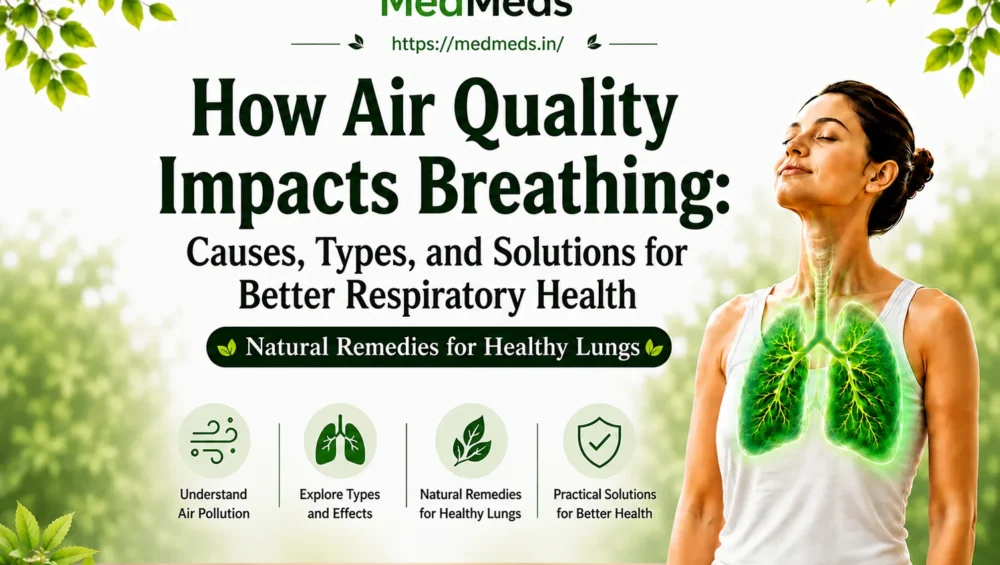
How Air Quality Impacts Breathing: Causes, Types, and Solutions for Better Respiratory Health

Breathing is one of the most essential functions of the human body, still a lot of people don’t really think about their respiratory health until they get some discomfort or find it hard to breathe. In the past few years, the rising levels of pollution , industrial emissions vehicle exhaust dust smoke, and indoor contaminants have really changed the air quality almost everywhere. Because of that, millions of people end up with breathing problems that slow them down , affect how well they work, and even hurt their general sense of well-being.

Air quality really hits how smoothly our lungs work, like it i s direct. When the air is loaded with harmful pollutants, fussy allergens, and these very tiny microscopic bits, then the respiratory system has to work harder to filter and move those annoyances out. If someone keeps getting exposed for a long stretch, it can bring short-term troubles and also lingering , chronic problems. And sometimes it escalates into serious health complications—yeah, that.

Trying to figure out how air quality messes with breathing is key, if you want to steer clear of respiratory diseases and keep your lungs in good shape, you know. This bit is about how air quality ties into respiratory health, what breathing problem reasons usually are,different types of breathing problems out there, and some workable breathing problem solutions you can use in real life, to help support lung function and your overall wellbeing.

Understanding Air Quality and Its Importance

Air quality is mostly about whether the air is clean or more polluted, kinda like how “fresh” it feels. When the air quality is good, it has very little in the way of pollutants, and it gives a safer place for healthy breathing too. But if the air quality is bad, it can include harmful substances that really can mess with human health in a negative way.

Some common air pollutants include:

  • Particulate Matter (PM2.5 and PM10)
  • Carbon Monoxide (CO)
  • Nitrogen Dioxide (NO₂)
  • Sulfur Dioxide (SO₂)
  • Ground-Level Ozone (O₃)
  • Volatile Organic Compounds (VOCs)
  • Dust and Smoke Particles

These pollutants can enter the respiratory system and cause irritation, inflammation, and long-term lung damage. Individuals exposed to poor air quality for extended periods often develop breathing problems and respiratory illnesses.

Air quality is basically about how clean, or how polluted, the air feels and looks like it is. When the air quality is good, there are only a few pollutants hanging around and it tends to make for a safer place to breathe, without too much strain on the lungs. If the air quality is bad though, the air can carry a mix of harmful substances, and that can cause real trouble for people’s health, sometimes sooner, sometimes later

How Air Quality Impacts Breathing

The respiratory system is built to filter, warm, and humidify the air, before it actually reaches the lungs. Still, too much pollution can basically overwhelm those natural defenses it has, kinda pushing them past their limit.  

  • Irritation of Airways :- When harmful particles get in the respiratory tract they irritate the lining of the air passages. That irritation can bring on coughing, an uncomfortable throat, and shortness of breath.  
  • Inflammation of Lung Tissue :- When people are exposed to pollutants it can trigger inflammation inside the lungs. Inflamed airways tend to become narrower, so air can not travel as freely. This is one of the major “breathing trouble” reasons connected with lousy air quality.  .  
  • Increased Risk of Respiratory Diseases :-Long term exposure to poor air quality raises the chance of developing a few conditions, 

including:  

  • Asthma  
  • Bronchitis  
  • Chronic Obstructive Pulmonary Disease (COPD)  
  • Pneumonia  
  • Lung infections  
  • Lung cancer  

These problems often lead to breathing issues that last , and they may need continued medical attention or management.

major breathing problem

Major Breathing Problem Reasons Linked to Poor Air Quality

A lot of things can mess up breathing. If someone understands the breathing problem reasons behind it they can spot dangers sooner and also try to prevent it. It’s not just one single cause, it’s kind of a mix and match situation, even if it feels random at first.

  • Air Pollution:-air pollution and lung health is probably one of the top breathing problem reasons around the globe. Pollutants from vehicles, factories, construction sites, and the burning fuels, all release harmful substances into the air, basically all day long.
  • Allergens in the Air:-Pollen, mold spores, dust mites, and pet dander can trigger allergic reactions that mess with breathing. These allergens commonly worsen respiratory symptoms, especially for people with asthma, or anyone whose breathing is already sensitive.
  •  Indoor Air Contamination :-A lot of people assume indoor air is safer than outdoor air , but sometimes it’s just as risky. Indoor contaminants often include  
  • Cigarette smoke  
  • Cleaning chemicals  
  • Mold growth  
  • Dust accumulation  
  • Poor ventilation
  • Smoking and Secondhand Smoke:- Smoking harms lung tissue and can narrow the air passages. Secondhand smoke exposure can still push people into serious breathing problems, especially children who don’t really have a choice.
  • Respiratory Infections:-Colds, flu, COVID-19, and bacterial infections can inflame the airways and make breathing feel harder than it should. Sometimes it starts mild, then suddenly becomes noticeable.
  • Occupational Exposure:-Workers in construction, mining, manufacturing, agriculture. you know the usual high exposure jobs often inhale dust, chemicals, and fumes. That inhalation increases respiratory risks, and it builds up over time.
  • Climate Change and Wildfires:-Higher temperatures, plus more wildfire activity, both contribute to poor air quality. Smoke from wildfires carries fine particles that can travel far, and it can cause significant breathing problems for many people even far away.

Common Types of Breathing Problems

There are a few different types of breathing problems, each one with its own reasons and signs . If people learn about these conditions sooner, they can usually look for the right kind of care, quicker

Shortness of Breath (Dyspnea)  

Feeling short of breath is one of the more common breathing issues. Some folks may feel like they can’t fully fill the lungs, or they struggle to get enough air in

Typical causes might include :  

  • Asthma  
  • Heart disease  
  • Anxiety  
  • Air pollution  
  • Lung infections  
  • Wheezing  

Wheezing is that high pitched sound people hear while breathing. It often points to airways that are narrowed, or simply blocked up in a way that makes moving air harder

Chronic Cough  

A cough that sticks around, more than about eight weeks, may suggest chronic irritation of the respiratory system. This can come from pollutants or an ongoing illness

Rapid Breathing (Tachypnea)  

Rapid breathing is when someone breathes faster than usual. This can happen with respiratory infections , lung problems, or even low oxygen levels

Chest Tightness  

Chest tightness is often linked with asthma and allergic reactions, it can make breathing feel uncomfortable and kind of tense

Sleep Apnea:- Sleep apnea is also on the more serious side of breathing problems. It involves repeated pauses or interruptions in breathing while someone is asleep, and it can really affect overall health

Hyperventilation  

Hyperventilation means breathing too fast , and often deeper than normal. It can disturb the normal balance of oxygen and carbon dioxide in the body

Who Is Most Vulnerable to Air Pollution?

Even though poor air quality affects basically everyone, some groups seem to get hit more often with breathing problems. It’s not just the same level for all people, you know.

Children  

Kids have lung problems​ that are still developing, so they tend to be more sensitive to things like pollution exposure, especially when the air looks wrong.

Older Adults  

As people age, lungs problem symptom​  tends to naturally decline, which makes respiratory complications much more likely.

Individuals with Asthma  

For people with asthma, air pollution can really aggravate symptoms, the coughing and wheezing may show up more.

People with Chronic Lung Diseases  

Those who have COPD, bronchitis, or other related respiratory conditions are particularly at risk, not just “slightly” either.

Pregnant Women  

When air pollution is around during pregnancy, it may influence maternal wellbeing and also fetal health, in ways that are easy to overlook.

Signs That Air Quality Is Affecting Your Breathing

Spotting early clues can help you stop worse complications before they get too far, and you know, it feels like they show up sooner than you think.  

Some common signs include  

  •  Persistent cough  
  • Wheezing  
  • Shortness of breath  
  • Sore throat  
  • Chest discomfort, or a tight kind of feeling  
  • More mucus than usual  
  • Respiratory infections that seem to pop up often  
  • Fatigue  
  • Reduced ability for exercise  

These symptoms might mean your breathing is getting affected by dwindling air quality, and that can happen even when you don’t notice it right away.

Effective Breathing Problem Solutions

  • Breathing problems can feel rough, but there are practical solutions that help cut down pollutant exposure and, honestly, make breathing feel a bit more normal. For a lot of people this is about doing small things a lot of the time, not some one big trick
  • Monitor the air quality, like really check it. Looking at the Air Quality Index (AQI) before you go outside helps you dodge those nasty high pollution hours, where everything seems to hit harder
  • Use air purifiers too, especially ones with HEPA filters. They trap harmful particles and can make indoor air feel cleaner, less dusty, less irritating, in a way that’s easier on the lungs
  • If the outside air is bad, wear protective masks. N95 masks can filter many airborne pollutants and provide solid protection. Just during those poor air quality periods, not randomly whenever
  • Improve indoor ventilation and keep air moving. Better ventilation lowers indoor pollutant levels and usually helps your breathing stay more steady
  • Also, keep indoor spaces clean. Regular cleaning helps remove dust, allergens, and various contaminants that feed into breathing issues, and it’s kind of amazing how much that matters over time
  • Don’t forget hydration. Drinking enough water helps keep mucus membranes healthy and supports respiratory function, so your system isn’t all dried out
  • Exercise, but do it smart. Physical activity strengthens the lungs, but outdoor exercise should be avoided during high pollution levels. If you can, choose indoor sessions when conditions are rough Practice breathing exercises. These can be really effective breathing problem solutions for building lung capacity, and improving respiratory efficiency. You can try diaphragmatic breathing, pursed-lip breathing, or deep breathing exercises
  • Avoid smoking, that one is pretty huge. Quitting smoking remains one of the most effective breathing problem solutions available. Even cutting back is a step but quitting is the goal
  • And if symptoms keep hanging around, seek medical treatment. Persistent issues should be checked by healthcare professionals, they can provide proper diagnosis and treatment, not just guesswork.

Long-Term Strategies for Better Respiratory Health

Trying to stop breathing problems, really depends on a mix of your own routines plus how you manage the space around you. Not just one thing, you know, it’s kind of all connected

Keep a Solid Lifestyle Eating a balanced diet with plenty of fruits and vegetables helps lung function, because it brings essential antioxidants. Also, a steady hydration routine and consistent sleep, tend to support immune strength, if you pay attention

Cut Down Contact With Pollutants  As often as you can.Try to avoid heavily polluted zones. Choose cleaner commute options, when possible. And during severe pollution days, stay indoors, at least for a while. Do Regular Health Checkups  

Routine medical check-ups can catch respiratory concerns early, before they grow into something more serious. Sometimes a small symptom is a clue, rather than just “nothing”

Back Cleaner Surroundings When communities push for less emissions and better environmental rules, the air quality usually improves for everyone. It’s not only personal effort, it’s also collective responsibility, kind of tandem action.

The Future of Air Quality and Respiratory Health

As city growth keeps going and industrial work ramps up, air quality is still going to be a big public health issue. Governments, companies, and everyday people all have roles in dialing down pollution and keeping breathing problem in better shape.  

With new technology coming in, like smart air monitoring systems, cleaner energy sources, and more effective air filtration tools, there’s real hope that the future will bring less pollution-related breathing trouble. Some solutions are already showing up, kind of quietly, and it feels like things could turn around, even if it takes time.

Conclusion

Air quality has a big, almost profound effect on respiratory health. When people get exposed to pollutants, allergens, smoke, or harmful particles, it can cause all kinds of breathing issues, it can lower lung function, and it may raise the odds of long-term respiratory illnesses.  

If you try to understand the main breathing issue reasons, notice the different kinds of breathing problems, and actually use practical breathing problem solutions, that’s one of the important ways to keep lungs healthier and also boost your overall quality of life, day to day.  

Also, by keeping an eye on air quality, cutting down exposure to those pollutants, doing a few healthy lifestyle habits, and getting timely medical help when it’s necessary, individuals can safeguard their breathing system and, in time, enjoy easier and healthier breathing for years ahead.

FAQ’S

Poor air quality comes with pollutants like dust, smoke, ozone and fine particulate matter, that can bother the air passages and lungs. If it keeps happening over time ,you may see inflammation build up, lung performance drop, and then all sorts of breathing troubles. This is especially true for people with asthma , allergies, or other respiratory issues they already deal with.

Some of the usual reasons include air pollution, smoking, respiratory infections, allergies, asthma, long term lung conditions, obesity, and being around harsh chemicals or irritating fumes. On top of that, not great indoor air quality can also be a big factor for breathing difficulties.

There are many breathing issues ,for example:

  • Shortness of breath (Dyspnea)
  • Wheezing
  • Chronic cough
  • Rapid breathing (Tachypnea)
  • Chest tightness
  • Sleep apnea
  • Hyperventilation

Each one has its own causes, plus symptoms, and a few may end up needing medical care.

Yes , absolutely. Air pollution is a very common trigger for asthma attacks. Pollutants can irritate the airways, make inflammation worse and push symptoms up, like wheezing, coughing, and feeling short of breath.

ypical early warning signs include :

  • Persistent coughing
  • Wheezing
  • Shortness of breath
  • Sore throat
  • Chest discomfort
  • More mucus than usual
  • Often getting respiratory infections
  • Feeling tired a lot

If these signs linger , it is a good idea to talk with a healthcare professional.

Healthy Breathing in a Modern Lifestyle: Simple Habits for Better Health and Well-Being

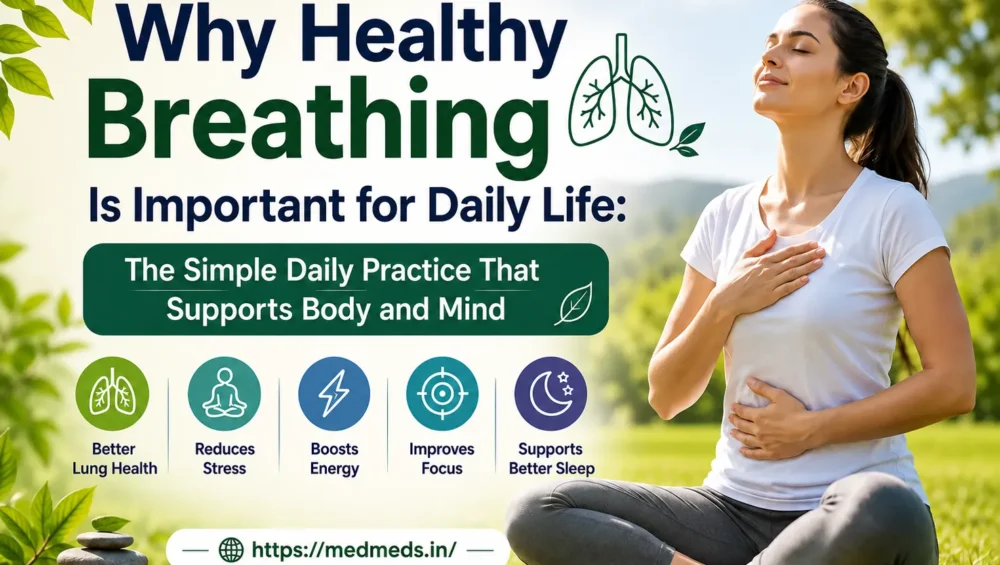
Why Healthy Breathing Is Important for Daily Life: The Simple Daily Practice That Supports Body and Mind

Healthy Breathing is something most people never really think about, until a problem shows up. Still, health experts keep saying that the way people breathe across the day can really shift physical health , mental wellness, energy levels, sleep quality, and even overall quality of life.

As wellness trends keep changing, breathing techniques along with mindfulness routines are getting much more attention from researchers, healthcare professionals, and fitness coaches. You can see it in stress relief programs at work, as well as in yoga and meditation classes, where breathing becomes kind of a main thread in conversations about prevention and daily steadiness.

Even though breathing is an automatic function, experts underline that better breathing habits can help someone feel more awake , more focused, and more tough-minded in everyday life.

The Science Behind Healthy Breathing

Breathing is the body’s main way of getting oxygen to cells, while also letting carbon dioxide out. Every organ depends on a consistent oxygen flow to stay working the way it should, and not sort of lag behind.

If breathing becomes shallow or kinda inefficient, oxygen delivery can drop. That may lower energy output, mess with focus and also reduce physical performance.

Health researchers say the average adult is taking roughly 17,000 to 25,000 breaths in one day. Since breathing happens so constantly, even small upgrades in your breathing style might show up as real changes in overall well-being.

Why Oxygen Intake Matters

Good oxygen intake supports:

  • Brain function
  • Heart health
  • Muscle performance
  • Immune system activity
  • Cellular energy production

Experts add that having enough oxygen helps cells make energy in a more streamlined way. This supports stamina, and it also keeps everyday body functions on track, more or less.

Healthy Breathing and Physical Health

  • Supporting Lung Health:-One of the most important benefits of healthy breathing is maybe improved lung health, and it really matters. The lungs do the job of exchanging oxygen and carbon dioxide. If respiratory function stays in good shape, people often feel more capable staying active , and they may lower the odds of complications that come with poor breathing habits.
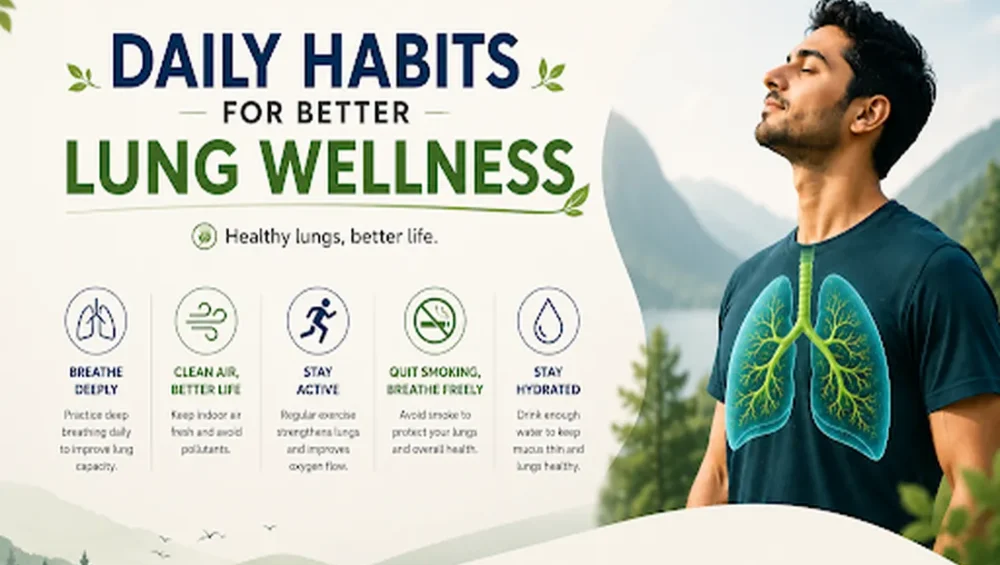
  • Healthcare professionals usually suggest regular physical activity, avoiding smoking, limiting exposure to air pollution , and practicing breathing exercises. Those steps support long term respiratory function, in a kind of steady way.
  • Promoting Respiratory Health:- Good breathing habits don’t just stop at lung health. They also help with overall respiratory wellbeing. Respiratory specialists often mention diaphragmatic breathing—also known as belly breathing. The idea is that it can make lung performance more efficient by leading to fuller breaths, rather than shallow chest breathing.

With this approach, the diaphragm works in a better, more coordinated manner. That helps the body use oxygen more efficiently, like it’s not wasting as much along the way.

Increased Energy Levels:-Some people get fatigue, but they don’t always connect it to breathing patterns. When oxygen delivery is optimized, the body can create energy more efficiently. Experts say individuals who practice Healthy Breathing often notice:

  • Improved stamina  
  • Reduced feelings of fatigue  
  • Better exercise performance  
  • Enhanced recovery after physical activity

The Link Between Healthy Breathing and Mental Wellness

Growing scientific evidence suggests that breathing patterns directly influence the nervous system, in ways that are pretty easy to miss at first.

Researchers have found that slow, well-controlled breathing can activate the body’s parasympathetic nervous system, often referred to as the “rest and digest” response. And yeah, it really feels more calm, at least for many people.

This pathway may help bring stress down, while also supporting emotional regulation, even if someone isn’t trying very hard.

Breathing and Stress Management

Stress still counts as one of the most common health issues worldwide. Because of that, plenty of experts now point people toward breathing exercises for stress relief, since it’s simple and still accessible as a wellness tool.

Controlled breathing techniques may help with things like:

  • Slower heart rate
  • Less muscle tightness
  • Gentle relaxation
  • A steadier emotional state

Mental health professionals often weave these breathing practices into treatment plans for anxiety and for stress-related conditions, too.

Deep Breathing Benefits for Daily Life

The deep breathing benefits health experts commonly highlight include:

  • Lower stress
  • Sharper focus
  • Stronger emotional control
  • More relaxation
  • Better oxygen delivery

Studies indicate that even a handful of minutes of slow breathing can cause noticeable physiological changes linked to relaxation and mental clarity.

How Breathing Affects Focus and Productivity

Sleep quality has become a major public health concern as millions of adults report difficulties falling sleep or staying asleep.

Health experts increasingly recommend breathing techniques as part of a healthy bedtime routine.

Better Sleep Through Controlled Breathing

Practicing slow breathing before bed may help:

  • Lower stress hormones
  • Reduce racing thoughts
  • Promote relaxation
  • Improve sleep quality

People who struggle with stress-related sleep disturbances often find breathing exercises useful for preparing the body and mind for rest.

Because quality sleep is closely linked to immune function, mood regulation, and physical recovery, breathing may indirectly support many aspects of health.

The Rising Popularity of Breathing Exercises

In the last few years breathing practices have turned into a huge wellness trend.

You’ll see them on social media, in workout routines , inside meditation apps and even in workplace wellness programs, where people get guided through sessions.

Many specialists say the reason these breathing methods are catching on is because people are looking for health improvements that are low-cost, easy to find, and still pretty approachable.

Common breathing methods people recommend

A bunch of evidence-leaning breathing techniques are often suggested:

1. Diaphragm breathing:-This approach is about using the diaphragm more and making the abdomen expand when you inhale.

Possible upsides like:

  • Better lung work
  • Less stress
  • More efficient oxygen use

2. Box breathing- Athletes and high-performance folks often use it. Box breathing is basically inhale for the same amount of time you hold, then exhale for the same time, and hold again.

Reported benefits might be:

  • Sharper attention
  • Lower anxiety
  • Stronger mental regulation

3. Alternate nostril breathing:- This one shows up in yoga lineages , and it means breathing through one nostril, then switching.

A few studies indicate it could help with easing tension, and bringing a steadier inner state, too.

Understanding Pranayama Benefits

Among the oldest breathing practices is Pranayama, it is part of traditional yoga and it tends to emphasize controlled breathing techniques in a very deliberate way.  

Pranayama benefits that have been supported by research  

Research has linked some pranayama practices with  

  • reduced stress levels  
  • better respiratory efficiency  
  • stronger emotional well-being  
  • enhanced relaxation  

Health experts often mention that while more research is still underway, many of the findings suggest pranayama may help both physical health and psychological wellbeing , though of course the story is not fully finished yet.

Healthy Breathing in a Modern Lifestyle

Healthy breathing in a modern lifestyle infographic

Among the oldest breathing practices is Pranayama, it is part of traditional yoga and it tends to emphasize controlled breathing techniques in a very deliberate way.  

Pranayama benefits that have been supported by research  

Research has linked some pranayama practices with  

  • reduced stress levels  
  • better respiratory efficiency  
  • stronger emotional well-being  
  • enhanced relaxation  

Health experts often mention that while more research is still underway, many of the findings suggest pranayama may help both physical health and psychological wellbeing , though of course the story is not fully finished yet.

Conclusion

Healthy breathing is being seen more and more as one of the main pillars for physical as well as mental balance. It helps with lung health and respiratory health but also, it can nudge your energy levels upward, support focus, stress management, and even better sleep. Breathing, kind of quietly, touches almost everything in everyday life.

As breathing exercises keep becoming more popular inside wellness plans and healthcare settings, experts say that breathing the right way is still one of the simplest and most available tools we have for long-run health. Not just the fancy routines either, because even basic breathing improvements can matter.

So whether you go with deep breathing, mindfulness practices, or pranayama methods, noticing how you breathe might be a small change, but it can bring real, meaningful benefits to your overall wellbeing.

FAQ’S

Healthy breathing helps with oxygen delivery , energy production , better focus , stress management, and just overall well-being too.

Breathing brings oxygen to the organs , and it removes carbon dioxide, which supports basic body functions.  

Yes . Controlled breathing techniques can, kind of, trigger relaxation responses in the nervous system.

Deep breathing brings stress reduction, improved focus, a calmer state, and better oxygen intake.  

Try diaphragmatic breathing, keep a solid posture , move your body with regular exercise, and avoid smoking or inhaling smoke.

Common factors that affect

Common Factors That Affect Breathing Health

One of the most vital bodily processes is breathing. Your organs and tissues receive oxygen with each breath, while carbon dioxide is expelled. Energy production, physical activity, intellectual function, and general well-being are all supported by healthy lungs. However, a variety of environmental, lifestyle, and medical variables cause breathing problems for millions of people. People can take preventative actions and maintain better respiratory health by being aware of the most common causes of breathing issues. The respiratory system can be adversely affected by a variety of variables, including smoking, air pollution, allergies, and chronic lung disorders. It is feasible to enhance lung function and lower the chance of breathing problems by being aware of these dangers and forming healthy habits. The capacity of the lungs and respiratory system to effectively exchange carbon dioxide and oxygen is referred to as breathing health.

The respiratory system consists of:

  • Nasal passageways and the nose
  • Windpipe and throat
  • Airways and bronchi
  • Lungs
  • The breathing muscles and diaphragm

When any part of this system becomes irritated, inflamed, blocked, or damaged, Breathing Difficulty can occur.

Breathing Problems: Causes and Types of Breathing Problems: Major Factors Affecting Respiratory Health

Air Pollution and Environmental Toxins

Air pollution is among the main Breathing Problems Solution across the globe.

Outdoor pollutants contain:

  • Emissions from cars and vehicles
  • Smoke from factories
  • Particles from dust
  • Construction waste
  • Pollutants chemicals

The inhaled air can result in irritation of airways and inflammation of the lungs.

The exposure to air pollution in the long term can cause:

  • Coughing
  • Wheezing
  • Shortness of breath
  • Breathing problems
  • Higher risk of pneumonia and other lung infections

Children, elderly, and the existing lung patients are more sensitive to polluted air.

Smoking and Tobacco Smoke

One of the greatest harms to respiratory health is smoking. Cigarette smoke is composed of thousands of toxins, which harm your lung tissue and air passages.

Smoking can contribute to:

  • Chronic bronchitis
  • Emphysema
  • Lung cancer
  • COPD

smoke can also have a negative impact on your lungs. Those regularly breathing in smoke from others can experience respiratory problems, irritated airways, and respiratory illnesses. Quitting smoking is one of the greatest efforts you can make toward healthy lungs.

Respiratory Infections

Respiratory infections can cause problems with your breathing and lungs.

Common ones are:

  • cold
  • Influenza
  • Bronchitis
  • Pneumonia
  • Viral respiratory tract infections

These infections make your airways get swollen and fill up with mucus.

You might feel:

  • Short of breath
  • A cough that just won’t go away
  • Discomfort, in your chest
  • Wheezing
  • Have a fever

Getting infections again. Again can sometimes damage your lungs for good. Washing your hands a lot. Getting the right vaccinations can help you avoid getting infections.

Allergies and Asthma Triggers

Allergies are kinda a big player in breathing problems symptoms, so that s why they show up a lot. Some usual suspects are, pollen dust mites mold spores pet dander, and strong fragrances.  When someone is sensitive and they run into these allergenic bits the immune system can respond in a way that brings on airway inflammation.

For people with asthma it’s common to notice

  • Wheezing
  • Chest tightness
  • A cough that just won’t quit
  • and breathing difficulties that come along with it.

So figuring out what sets you off and then steering clear of those triggers, is a helpful method for keeping respiratory health stable and steady.

Obesity and lack of physical activity

A lot of people seem to ignore how body weight connects, with breathing health. Like, the link is there and still it gets missed. When someone carries excess weight, it can put real pressure on the lungs and diaphragm , so breathing becomes harder, kinda in a noticeable way.

Obesity might be linked with:

  • Shortness of breath
  • Sleep related breathing disorders
  • Lower lung capacity
  • Higher inflammation

And then, a mostly sedentary routine can also quietly weaken the respiratory muscles. On the other hand, regular exercise helps with oxygen usage and it helps build stronger lung support.

Walking, cycling, swimming, or even yoga can all help maintain healthier lung function.

Work Exposure to Dust, Chemicals, and Fumes

In some jobs, employees end up around airborne dangers that can really affect the respiratory system. Higher-risk work usually includes things like: Construction, Mining, Manufacturing, Agriculture, and chemical processing.

People in these roles may end up breathing in:

  • dust particles
  • chemical vapors
  • toxic fumes
  • industrial gases

If exposure drags on for months or years, it can trigger chronic respiratory illnesses and, in serious cases, cause irreversible lung injury. So, protective gear, plus strict attention to the workplace safety guidelines, should be treated as essential preventive steps, not just a formality.

Weak Indoor Air Quality

Indoor air quality matters a lot for respiratory health, even if people dont always think about it. Most folks spend much of their day indoors, so indoor pollutants become really, kind of unavoidable in daily life.

Typical indoor pollutants are things like  

  • Mold  
  • Dust  
  • Tobacco smoke  
  • Household chemicals  
  • Poor ventilation  

These contaminants can irritate the lungs and also make existing breathing issues worse, sometimes faster than youd expect.

To improve indoor air quality you might end up doing a mix of options like :

  • Using air purifiers  
  • Keeping ventilation up to snuff  
  • Cleaning on a regular basis  
  • Managing humidity levels  

And yeah, it can feel small, but those small changes add up.

Ongoing Respiratory Conditions

A few long term medical issues can directly make breathing harder, kind of every day.  

For example:  

  • Asthma  
  • COPD  
  • Pulmonary fibrosis  
  • Chronic bronchitis  
  • Other chronic lung disease conditions  

These problems usually bring persistent inflammation, or they create airway obstruction, it depends on the case.  

People often notice symptoms like:  

  • A persistent cough  
  • Wheezing  
  • Fatigue, or that low energy feeling  
  • Shortness of breath  

Getting an early diagnosis, and then following proper medical care, is critical for preserving quality of life, overall wellbeing.

Weather and shifts across seasons

The weather can affect how you breathe and also the respiratory symptoms you notice. In colder times the airways sometimes get tighter and coughing may show up. When it’s very hot, ozone levels can climb and it may become harder to breathe, like, more than usual. During certain seasons, pollen surges are a common aggravator and can worsen allergies and asthma. Also sudden changes in weather conditions can throw off people who already live with chronic respiratory illnesses. Keeping an eye on air quality reports and checking weather forecasts, in advance, can help at-risk individuals get ready in a safer way. 

Stress and Anxiety

Mental health can have a kinda surprising affect on breathing. When stress and anxiety kick in, they can shift normal breathing patterns, in a way that feels strange or unsettling.

If someone is dealing with anxiety, they might notice things like  

  • Rapid breathing
  • Hyperventilation
  • Chest tightness
  • shortness of breath

Even if these signs are not really from lung disease, they can still feel quite alarming. Keeping stress in check with relaxation practices , meditation, movement or exercise, and enough sleep can help, both mental wellbeing and breathing health.

How These Factors Affect the Lungs

The lungs kind of depend on healthy breathing paths and lung tissue to work the right way, you know.

A lot of those things mentioned before can start, or help start, several issues such as causing airway inflammation, boosting mucus output . They may also damage the lung tissue, and that in turn can reduce oxygen exchange. Sometimes they also trigger breathing difficulties, kinda right away.

Over time, if you keep getting exposed to harmful factors again and again, it may end up leading to longer-term chronic respiratory problems. Getting what these risks really mean is the first step toward prevention.

practical lung

Practical Lung Health Tips for Better Respiratory Health

Taking care of your lungs dosent have to be some big fancy plan or complicated changes.

Even small, daily habits can really matter, like more than you’d think.

  • Skip Smoking:-Try to quit smoking completely. Also, stay away from secondhand smoke when you can.
  • Move More Often:-Regular exercise helps build the breathing muscles and makes lung function work more efficiently.
  • Make Indoor Air Cleaner :-Keep your home spaces tidy, and don’t forget ventilation. Fresh air helps a lot.
  • Drink Enough:-Staying hydrated can keep mucus less thick so it clears more easily.
  • Handle Allergies Wisely:-Figure out what sets things off, then follow the treatment guidance you get from professionals.
  • Use Protective Gear:- In dusty areas, or when chemicals are around, use the right masks and safety equipment.
  • Watch the Air Quality:- When pollution is heavy, try to cut back on time outside.
  • Try Deep Breathing Practices:- Breathing exercises might support lung function and also help you relax.
  • Eat Well, Stay Balanced:- A well rounded diet supports your respiratory system and immune response.
  • Think About Extra Wellness Aids:- Some people also look into supportive wellness products like Oxiveda as part of a broader healthy lifestyle routine, but to be clear, the basics—those steady good habits—are what really build lung care over time.

Warning Signs That Require Medical Attention

Warning signs you should take seriously and not just brush off Some breathing-related problem symptoms can be a red flag, and honestly, it should not be ignored, even if it feels minor at first. If you notice any of the following, it’s best to get medical care soon.

  • Consider medical attention if you have
  • Persistent shortness of breath , especially when it keeps returning
  • Wheezing that seems to grow louder or more intense over time
  • Chest pain when you inhale , or pain that gets worse with breathing
  • A cough that hangs around for weeks , without improving
  • Coughing up blood , even small amounts
  • Blue lips or blue fingertips
  • Repeated respiratory infections, coming back more often than usual
  • A sudden struggle to breathe, that feels immediate

Getting checked quickly can help spot serious underlying causes early, and it can also support better treatment results later on.

Conclusion

Getting a real grasp on the most common breathing problems causes is kinda key if you want to keep long term respiratory health safe. Things like air pollution, smoking, respiratory infections, allergies, obesity, workplace exposures, and the whole issue of poor indoor air quality can all mess with the lungs, and the breathing system too. Add chronic lung diseases, weather changes, and even stress, and it’s easy to see how breathing can get affected in different ways.

Good news though, a bunch of these risk factors can be dialed down with sensible lifestyle choices and prevention steps. If you focus on practical lung health tips, stay physically active, cut back on harmful pollutants, and don’t delay when medical care is needed, you can help support strong lungs and get better overall health along the way.

When you take proactive steps today, you’re basically backing healthier breathing, boosting quality of life, and lowering the chance of future respiratory problems.

FAQ’S

The usual causes usually include air pollution, smoking, respiratory infections , allergies, asthma, obesity, poor indoor air quality, and chronic respiratory conditions.  

Try regular exercise, avoid smoking, keep a healthy body weight, stay hydrated , and eat a balanced diet. Also, improving the air quality around you helps a lot, even if it sounds simple.  

Yes. Stress and anxiety can set off rapid breathing, chest tightness , and that annoying feeling of shortness of breath, even when lung function is normal.  

Not always right away, but long term exposure to severe air pollution can push toward chronic lung disease and reduced lung function. It affects vulnerable people the most.  

Go get medical help if the breathing problems are persistent , or severe. Also if you have chest pain or it starts interfering with daily activities.  

practical guide for healthy lungs

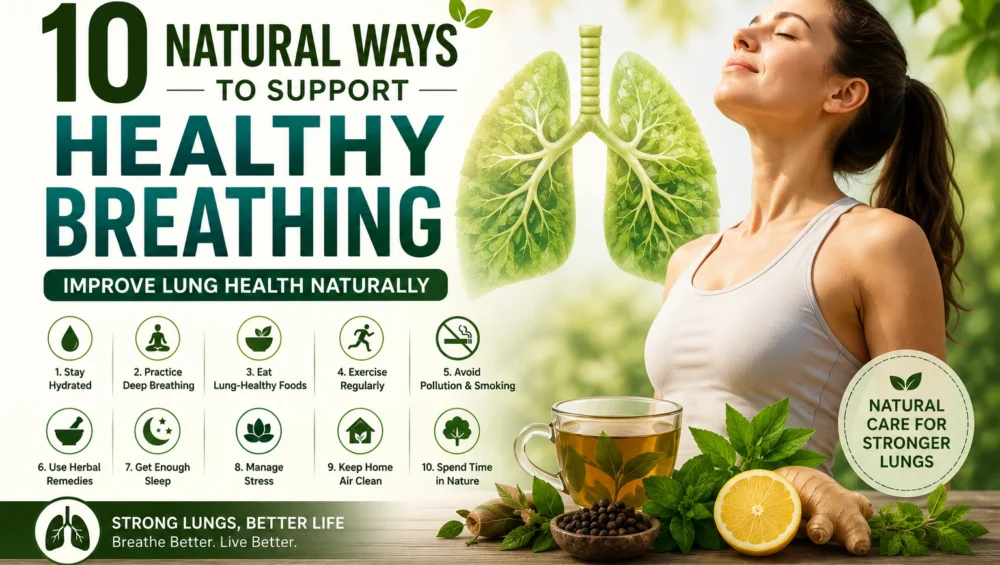
A Practical Guide to Maintaining Healthy Lungs and Comfortable Breathing Every Day

Every single day, the human body depends on this continuous oxygen supply system that, kind of quietly, powers every cell, organ, and muscle, with no pause. This natural process creates the living foundation for life, and it also ends up shaping Lung Health , physical stamina, mental focus, and overall biological efficiency in a very straightforward way. When the lungs are doing their job properly, oxygen flows freely through the respiratory pathway, and energy creation stays more steady across the day.  

But in today’s surroundings, filled with pollution , dust, persistent stress, and those long sedentary routines, the fragile balance gets thrown off, sometimes without any real warning signs at first. Over time, reduced airflow efficiency can slip in gradually, and then it may show up as mild breathlessness, less endurance, and a general sense of tiredness. Keeping track of breathing quality, posture, and even the outdoor air conditions becomes genuinely important for long term wellness.  

And if you support the lungs using simple daily habits, oxygen exchange often remains smoother, so the body can stay active, more alive with energy , and naturally resilient even when environmental stressors keep nudging respiratory comfort out of rhythm.

Why Do Mature Adults Suffer From Adult Respiratory Issues in Modern Environments?

It all piles up together and reduces airflow ability, then over time it weakens the natural breathing rhythm a bit. So yeah, as lung function slowly slides down, a lot of people notice less Lung Capacity, which makes deep breathing feel harder and also less effective. They all make respiratory comfort feel worse , honestly. Eventually the body kind of adapts to this shallow breathing routine, and then oxygen intake stays limited. After that, the heart and muscles have to work more, than they really should, which is not great.

All this mix, environmental stressors plus day to day habits, really adds to adult breathing discomfort. Improving lung function through awareness, better movement, and breathing correction matters, if you want to come back to a more natural respiratory efficiency and help long-term physical vitality stay steady.

What Strategy Works Best for Long-Term Chronic Breathlessness Management?

So honestly, handling long term breathing discomfort usually needs a steadier kind of rhythm not some quick remedy that helps for a little bit , then kinda fades out. The ongoing breathlessness is often linked with environmental sparks, weaker lower airway resilience , stress, or other sensitivities that make the passageways feel a bit less dependable. The first real step is sort of figuring out what lights it up, like dust, pollution, allergens, or even emotional strain, and also the smaller everyday bits in between. Once you can sort the triggers out, the usual day to day habits that actually back Lung Function start to matter a lot if you want anything that lasts.

That can mean staying properly hydrated, using measured breathing approaches, and doing gentle movement so the respiratory muscles slowly return their strength. Over time these routines tend to support better oxygen exchange , and they can also ease that twitchy feeling in the air passages.  

At the same time , emotional steadiness counts too, because stress can nudge breathing patterns slightly off center, and then it adds extra chest tightness. A calmer routine that holds steady is often what lets the lungs rebuild endurance at their own pace, not by force. With ongoing awareness , the respiratory system usually ends up more even, so episodes of breathlessness show up less often , and your everyday life quality tends to improve, gradually.

safest herbal respiratory remedies

Which Plants Provide the Safest Herbal Respiratory Remedies for Everyday Protection?

Nature kind of hands us a few strong herbal picks that people have used for ages to support respiratory wellness and keep the airways a bit clearer, not always in a dramatic way , but more like steady help. You’ll hear names like tulsi, mulethi, ginger, and vasaka mentioned a lot, because they seem to bring a soothing kind of shield for the respiratory system , and somehow help with that whole “air feels easier” thing. Generally, these botanicals work to calm irritation, keep mucus in better balance, and make the flow through the lungs feel less blocked, if that makes sense.  

When you take them regularly in teas or other herbal preparations, they can do some folks call Lung DetoxSupport, and practically speaking, it means the body can naturally clear out extra particles and pollutants you end up breathing in each day. They feel gentle, yet still surprisingly useful , so they can fit into a longer-term natural wellness routine without too much fuss. And yes, they may also help the immune response grow a little stronger, so seasonal shifts and environmental stressors don’t smack breathing comfort as hard. So in the end , by backing the body’s own cleansing actions inside the respiratory tract, these herbs support clear, smooth, and healthier breathing patterns for everyday life.

What Steps Provide Immediate Shortness Relief During a Sudden Breathing Flare-Up?

Sudden bursts of breathlessness can feel really overwhelming, and then anxiety sort of kicks in , making the body feel even more uncomfortable within seconds. In those moments it’s kind of crucial to maintain a calm upright posture, along with steady breathing. Just sit up straight , let the shoulder muscles loosen a bit ,and try not to do any tight chest movement, because that can quickly help the airflow settle, more or less. One of the better and also more dependable ways is slow controlled exhalation , it helps Oxygen Flow in a smoother way and it can guide your breathing back toward a familiar rhythm. This also tends to interrupt those fast shallow breathing loops that usually make everything worse.

Instead of a strong inhalation , try to keep your attention on long gentle breaths, because it eases strain on the lungs and lets the air passages open more easily. And honestly keeping your mind steady matters a lot too ,since panic can crank up the symptoms fast. When you pair physical positioning with mindful breath steering, the respiratory system can move back into a more stable mode fairly soon, and the discomfort eases ,while normal breathing returns within a short time window.

How Does Implementing Natural Air Purification Transform the Indoor Home Environment?

Indoor air quality really does matter , especially for lung comfort, because most people are indoors a lot—homes , offices , and other enclosed spaces too. If the ventilation isn’t great , dust starts to pile up, and then chemical pollutants can show up from cleaning products or even furniture finishes, and it can slowly interfere with respiratory health over time. After a while of breathing that kind of air, you might notice airway irritation , and breathing just feels a bit less comfortable.  

To Clean Lungs you can lean on ventilation , like letting natural airflow move through the rooms. You can also use plant based filtration systems which sort of assists. These ideas work because they reduce airborne irritants that would otherwise slip into the respiratory system. Plant purifiers , such as snake plants and peace lilies, add a more grounded filtering touch , while routine airflow also prevents rooms from getting stale , and it helps stop fine particles from lingering around  

With a cleaner indoor environment, the lungs tend to work more efficiently, so there’s less unnecessary strain and you may see improved oxygen uptake. In the end, this supports a healthier atmosphere that backs long term respiratory comfort , and it ties into overall wellness as well

diaphragmatic breathing exercise

Why Are Diaphragmatic Breathing Exercises Considered the Foundation of Lung Training?

Most folks, if they don’t really catch it, end up kinda sliding into this shallow chest breathing deal, and it sorta keeps oxygen transfer on the low side, plus it adds extra grind to the upper airway muscles. And since that whole routine is a bit inefficient, lung ability can slowly drift downward over time , then fatigue shows up … and you also feel this ongoing stress buildup thing, like it’s hanging around inside you somewhere.

 Lung Capacity Improvement usually helps untangle it because it pulls more from the lower lung areas and it trains the core breathing mechanism, the diaphragm. With this style you often notice a clearer shift in lung volume, as if you’re getting deeper oxygen intake with less overall strain on the body. When breathing starts moving more smoothly, oxygen swapping improves too, so your system can stay steadier for energy, and mental clarity tends to show up across the day

What Practical Methods Provide a True Lung Capacity Enhancement?

To improve lung performance you usually want a steady physical effort, something that slowly, maybe even a little quietly , bothers the respiratory system then kind of helps it afterward , bit by bit. Activities like walking, cycling , swimming, or some light cardio tend to work well because they gradually train lung function. In real life , they raise oxygen demand while also making the breathing muscles a little stronger , so the body gradually figures out how to move air in a smoother, more balanced way. If you keep moving regularly , the way oxygen is used can become more efficient, and that often leads to more endurance, plus less exhaustion. You might even notice Deep Breathing , since your lungs can open up more fully on each inhale, little by little. Eventually this commonly shows up as better stamina, healthier blood flow, and higher respiratory efficiency, whether you are resting or you are actually being active.

And it’s a bit different from hard training sessions, because gradual movement is mostly about building long term lung strength, without pushing the whole system too aggressively. If you stick with it , many people end up with calmer breathing rhythms and more everyday physical comfort.

When Should Unexplained Symptoms Prompt an Immediate Clinical Evaluation?

Even if adjustments to your everyday rhythm, and these natural approaches, can in quite a few cases help respiratory wellness in a solid way, it’s still really important to notice the exact moment when you might actually need medical care. Like if the symptoms don’t ease up, for instance a cough that drags on for too long, chest tightness that keeps returning, wheezing, or that sudden “can’t get air” sort of shortness of breath feeling, don’t just decide it’s “not a big deal”. Those signs may be pointing toward something more intricate, and that usually means you should seek a professional diagnosis. Getting checked sooner rather than later is the right step, and it also lowers the risk of complications,because honestly it’s better to identify problems early. This early awareness really matters for keeping respiratory health on the safer side, because a serious situation can be recognized and managed the right way.

Clinic may recommend diagnostic testing, such as lung function assessments , or imaging, so they can figure out more precisely what’s happening with your breathing. And when medical advice lines up with steady daily practices, it can turn into a more rounded lung wellness plan, so you get Health Safety and longer-term ease when you breathe.

Conclusion

Comfortable, unrestricted breathing is kind of like that quiet engine underneath our physical endurance, mental focus, and general systemic vitality . But because breathing is automatic, it can seem like nobody really pays attention to it, and honestly that’s where the trouble starts. In modern spaces, with their stuck, stale indoor air, weak posture, ongoing stress, and plenty of environmental pollutants, people don’t notice the slow change… they gradually lose lung capacity, and the way the upper airway works can start to shift too.

When you treat respiratory health as an active daily practice, your lungs can adapt as life changes, whether it’s the structural shifts that happen during pregnancy, or you’re slowly building long-term cardiovascular stamina. Yes, natural habits can create a solid base for whole-body wellness, but Health Safety still means you stay aware of your boundaries, and you get a clinical evaluation if any breathing feels off

 FAQ’S

take a deep breath in through your nose, and kind of aim for your belly to move up, like it’s lifting upward, while your chest keeps still as much as you can . After that, breathe out slowly, with your lips pursed like you’re pushing air through a tiny gap . Do this for about 5 minutes each day, and little by little, you’ll start re-educating your nervous system so it leans on the diaphragm on its own, automatically .

If you’re trying to take the easiest road, it’s mostly about staying on your back, one hand set on your chest, and the other sort of resting across your belly, ok. Then take a solid breath in through your nose, and try to have your belly drift upward, like it’s gently rising, while your chest stays put as much as possible . After that, breathe out slowly , with your lips pursed like you’re forcing the air through a very tiny opening. Do this for around 5 minutes every day, and slowly, step by step, you’ll start retraining your nervous system so it leans on the diaphragm by itself, right away and automatically .

If you end up dehydrated ,that mucus turns thicker, sort of tacky, and it messes with the lungs natural self cleaning process. It also ramps up airway resistance, so breathing feels heavier, and more effortful, like you have to push harder every time.

Yeah, when taken in moderate, traditional ways (like in a daily brewed tea) herbs such as mulethi , (licorice root) tulsi and ginger are pretty supportive. 

if the breathlessness shows up even while you’re sitting completely still , or if it comes with a lingering cough, a whistling wheeze sound, chest pain, or that choking sort of sensation, then it counts as an odd symptom you can’t ignore and it needs prompt clinical checking.

Select the fields to be shown. Others will be hidden. Drag and drop to rearrange the order.
  • Image
  • SKU
  • Rating
  • Price
  • Stock
  • Availability
  • Add to cart
  • Description
  • Content
  • Weight
  • Dimensions
  • Additional information
Click outside to hide the comparison bar
Compare
Shopping cart close