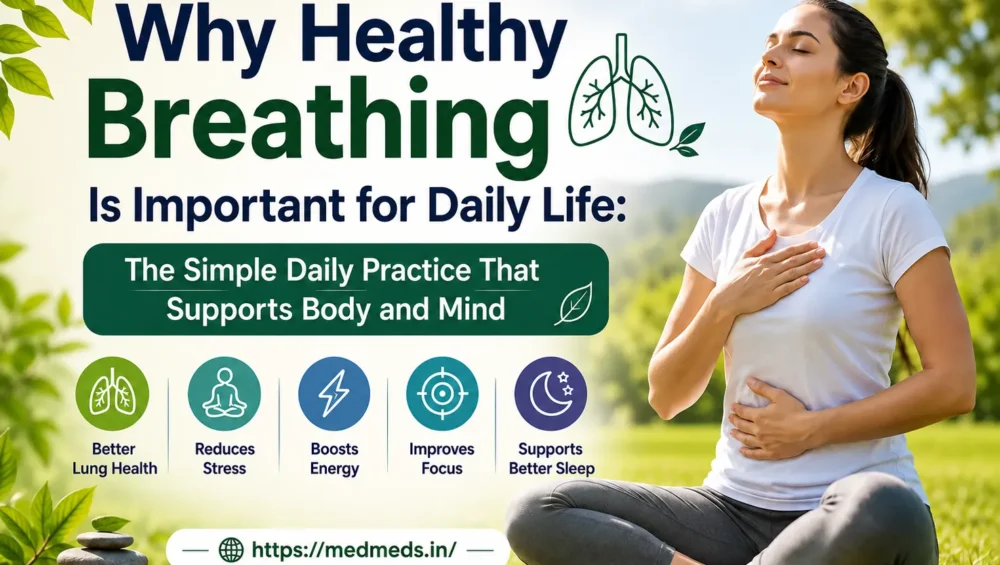
Why Healthy Breathing Is Important for Daily Life: The Simple Daily Practice That Supports Body and Mind
Healthy Breathing is something most people never really think about, until a problem shows up. Still, health experts keep saying that the way people breathe across the day can really shift physical health , mental wellness, energy levels, sleep quality, and even overall quality of life.
As wellness trends keep changing, breathing techniques along with mindfulness routines are getting much more attention from researchers, healthcare professionals, and fitness coaches. You can see it in stress relief programs at work, as well as in yoga and meditation classes, where breathing becomes kind of a main thread in conversations about prevention and daily steadiness.
Even though breathing is an automatic function, experts underline that better breathing habits can help someone feel more awake , more focused, and more tough-minded in everyday life.
The Science Behind Healthy Breathing
Breathing is the body’s main way of getting oxygen to cells, while also letting carbon dioxide out. Every organ depends on a consistent oxygen flow to stay working the way it should, and not sort of lag behind.
If breathing becomes shallow or kinda inefficient, oxygen delivery can drop. That may lower energy output, mess with focus and also reduce physical performance.
Health researchers say the average adult is taking roughly 17,000 to 25,000 breaths in one day. Since breathing happens so constantly, even small upgrades in your breathing style might show up as real changes in overall well-being.
Why Oxygen Intake Matters
Good oxygen intake supports:
- Brain function
- Heart health
- Muscle performance
- Immune system activity
- Cellular energy production
Experts add that having enough oxygen helps cells make energy in a more streamlined way. This supports stamina, and it also keeps everyday body functions on track, more or less.
Healthy Breathing and Physical Health
- Supporting Lung Health:-One of the most important benefits of healthy breathing is maybe improved lung health, and it really matters. The lungs do the job of exchanging oxygen and carbon dioxide. If respiratory function stays in good shape, people often feel more capable staying active , and they may lower the odds of complications that come with poor breathing habits.
- Healthcare professionals usually suggest regular physical activity, avoiding smoking, limiting exposure to air pollution , and practicing breathing exercises. Those steps support long term respiratory function, in a kind of steady way.
- Promoting Respiratory Health:- Good breathing habits don’t just stop at lung health. They also help with overall respiratory wellbeing. Respiratory specialists often mention diaphragmatic breathing—also known as belly breathing. The idea is that it can make lung performance more efficient by leading to fuller breaths, rather than shallow chest breathing.
With this approach, the diaphragm works in a better, more coordinated manner. That helps the body use oxygen more efficiently, like it’s not wasting as much along the way.
Increased Energy Levels:-Some people get fatigue, but they don’t always connect it to breathing patterns. When oxygen delivery is optimized, the body can create energy more efficiently. Experts say individuals who practice Healthy Breathing often notice:
- Improved stamina
- Reduced feelings of fatigue
- Better exercise performance
- Enhanced recovery after physical activity
The Link Between Healthy Breathing and Mental Wellness
Growing scientific evidence suggests that breathing patterns directly influence the nervous system, in ways that are pretty easy to miss at first.
Researchers have found that slow, well-controlled breathing can activate the body’s parasympathetic nervous system, often referred to as the “rest and digest” response. And yeah, it really feels more calm, at least for many people.
This pathway may help bring stress down, while also supporting emotional regulation, even if someone isn’t trying very hard.
Breathing and Stress Management
Stress still counts as one of the most common health issues worldwide. Because of that, plenty of experts now point people toward breathing exercises for stress relief, since it’s simple and still accessible as a wellness tool.
Controlled breathing techniques may help with things like:
- Slower heart rate
- Less muscle tightness
- Gentle relaxation
- A steadier emotional state
Mental health professionals often weave these breathing practices into treatment plans for anxiety and for stress-related conditions, too.
Deep Breathing Benefits for Daily Life
The deep breathing benefits health experts commonly highlight include:
- Lower stress
- Sharper focus
- Stronger emotional control
- More relaxation
- Better oxygen delivery
Studies indicate that even a handful of minutes of slow breathing can cause noticeable physiological changes linked to relaxation and mental clarity.
How Breathing Affects Focus and Productivity
Sleep quality has become a major public health concern as millions of adults report difficulties falling sleep or staying asleep.
Health experts increasingly recommend breathing techniques as part of a healthy bedtime routine.
Better Sleep Through Controlled Breathing
Practicing slow breathing before bed may help:
- Lower stress hormones
- Reduce racing thoughts
- Promote relaxation
- Improve sleep quality
People who struggle with stress-related sleep disturbances often find breathing exercises useful for preparing the body and mind for rest.
Because quality sleep is closely linked to immune function, mood regulation, and physical recovery, breathing may indirectly support many aspects of health.
The Rising Popularity of Breathing Exercises
In the last few years breathing practices have turned into a huge wellness trend.
You’ll see them on social media, in workout routines , inside meditation apps and even in workplace wellness programs, where people get guided through sessions.
Many specialists say the reason these breathing methods are catching on is because people are looking for health improvements that are low-cost, easy to find, and still pretty approachable.
Common breathing methods people recommend
A bunch of evidence-leaning breathing techniques are often suggested:
1. Diaphragm breathing:-This approach is about using the diaphragm more and making the abdomen expand when you inhale.
Possible upsides like:
- Better lung work
- Less stress
- More efficient oxygen use
2. Box breathing- Athletes and high-performance folks often use it. Box breathing is basically inhale for the same amount of time you hold, then exhale for the same time, and hold again.
Reported benefits might be:
- Sharper attention
- Lower anxiety
- Stronger mental regulation
3. Alternate nostril breathing:- This one shows up in yoga lineages , and it means breathing through one nostril, then switching.
A few studies indicate it could help with easing tension, and bringing a steadier inner state, too.
Understanding Pranayama Benefits
Among the oldest breathing practices is Pranayama, it is part of traditional yoga and it tends to emphasize controlled breathing techniques in a very deliberate way.
Pranayama benefits that have been supported by research
Research has linked some pranayama practices with
- reduced stress levels
- better respiratory efficiency
- stronger emotional well-being
- enhanced relaxation
Health experts often mention that while more research is still underway, many of the findings suggest pranayama may help both physical health and psychological wellbeing , though of course the story is not fully finished yet.
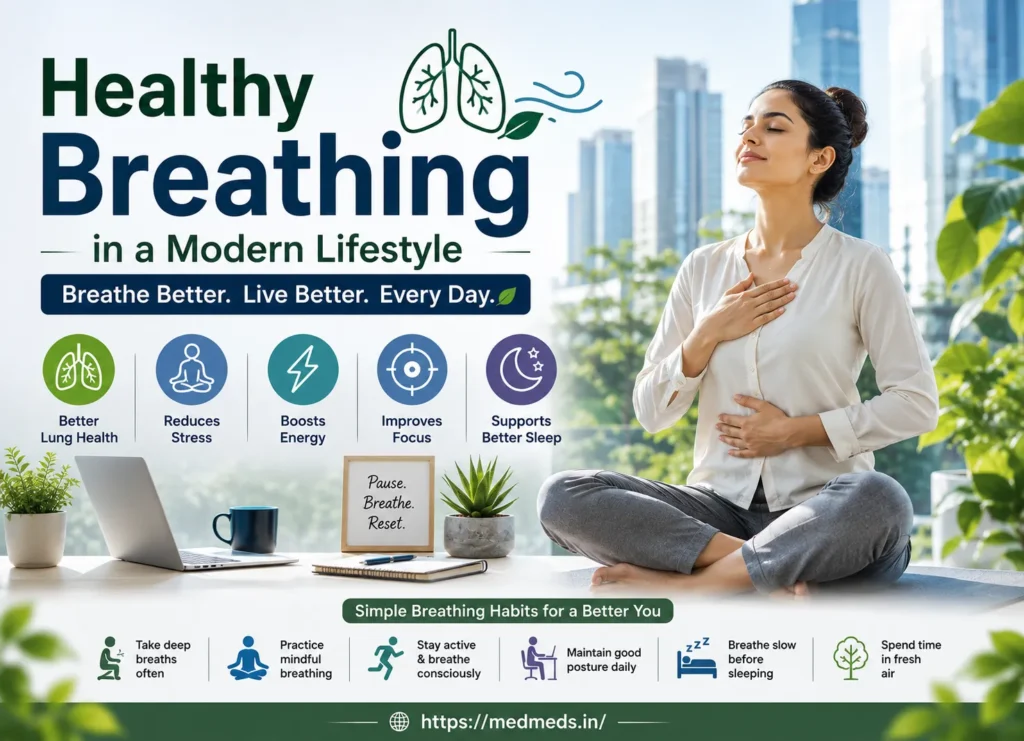
Healthy Breathing in a Modern Lifestyle
Among the oldest breathing practices is Pranayama, it is part of traditional yoga and it tends to emphasize controlled breathing techniques in a very deliberate way.
Pranayama benefits that have been supported by research
Research has linked some pranayama practices with
- reduced stress levels
- better respiratory efficiency
- stronger emotional well-being
- enhanced relaxation
Health experts often mention that while more research is still underway, many of the findings suggest pranayama may help both physical health and psychological wellbeing , though of course the story is not fully finished yet.
Conclusion
Healthy breathing is being seen more and more as one of the main pillars for physical as well as mental balance. It helps with lung health and respiratory health but also, it can nudge your energy levels upward, support focus, stress management, and even better sleep. Breathing, kind of quietly, touches almost everything in everyday life.
As breathing exercises keep becoming more popular inside wellness plans and healthcare settings, experts say that breathing the right way is still one of the simplest and most available tools we have for long-run health. Not just the fancy routines either, because even basic breathing improvements can matter.
So whether you go with deep breathing, mindfulness practices, or pranayama methods, noticing how you breathe might be a small change, but it can bring real, meaningful benefits to your overall wellbeing.