Free standard shipping for orders OVER RS: 999
Best Herbal Ingredients

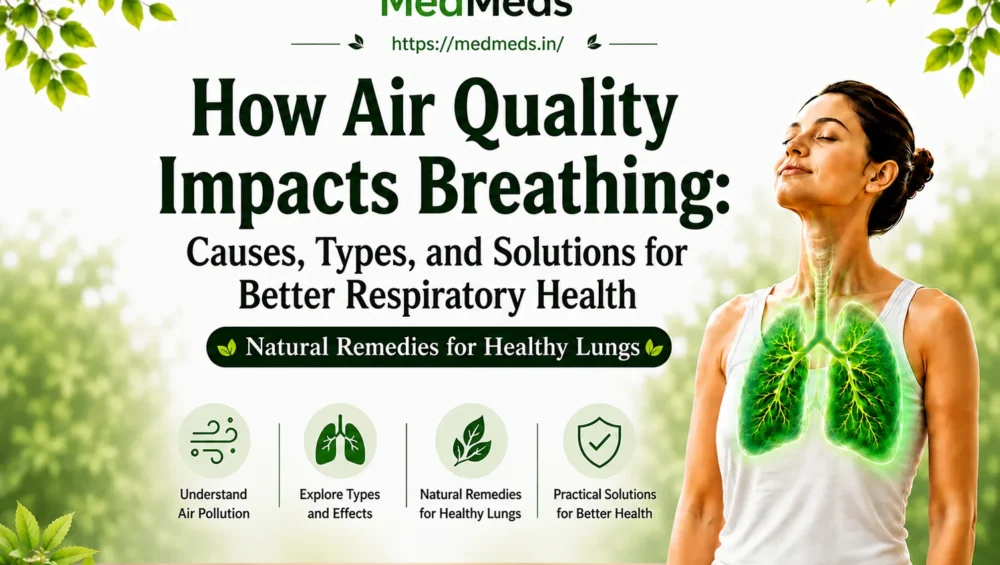
Best Herbal Ingredients for Respiratory Support: Natural Ways to Support Lung Health and Healthy Breathing

Respiratory well being plays a huge, kind of quiet role in our overall life. Every breath we take feeds oxygen to the body and keeps the essential processes moving along. Still, stuff like air pollution, seasonal shifts, dust exposure, smoking, allergens, and even modern daily routines can mess with respiratory wellness. And in many Indian cities, the rising levels of pollution have made people look more, a bit more than before, toward natural approaches to keep healthy airways and better breathing comfort.

For ages, traditional herbal remedies have been used to help with breathing health. A lot of herbs include naturally occurring compounds that can help calm the throat, support airway comfort, and back long term lung health. Unlike some remedies that only aim for quick, stop-like cough relief, some Herbal ingredients may add to long term respiratory wellness when they are included alongside a healthy lifestyle, not just taken in isolation.

In this guide, we will wander through the best herbal ingredients for respiratory support, how they generally work, where they were used traditionally, and practical ways to bring them into your everyday routine for wellness.

Why Respiratory Health Matters

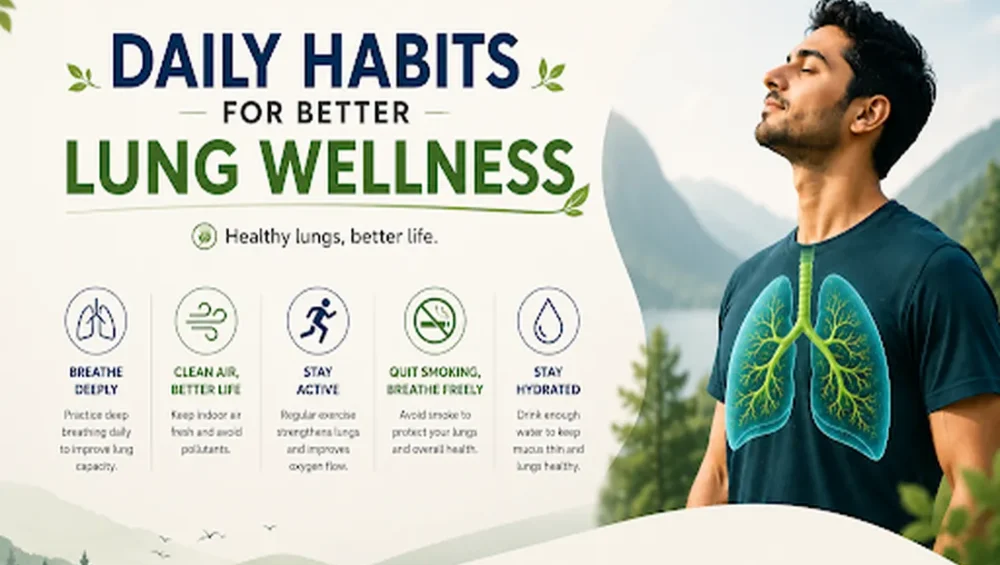
Healthy lungs and the air passages are sort of essential if you wanna keep your energy up, your physical performance steady, and your overall well-being. When respiratory function is well supported , the body can move oxygen efficiently to tissues, organs, and basically everything that needs it. Sometimes it feels like it’s all connected, and it is.

People in polluted city environments, those working inside air-conditioned offices , or anyone dealing with seasonal environmental changes might do well to give respiratory wellness a bit more attention. Supporting lung health with balanced nutrition, regular exercise, staying well hydrated, and choosing certain herbs with care can be a useful part of a more holistic wellness approach. Sometimes its not just one thing, it’s a whole rhythm of small supports.

Top herbal ingredients for respiratory support, you know 

1. Tulsi (Holy Basil)  

Tulsi is one of the most respected herbs in traditional Indian wellness systems. It’s often called the “Queen of Herbs” or something close like that, Tulsi has been used for centuries to help respiratory comfort and general vitality.  

Tulsi benefits for lungs  

  • Helps support respiratory wellness when the seasons shift  
  • Helps keep healthy airways  
  • Packed with antioxidants  
  • Traditionally used to help with breathing comfort  
  • Supports the body’s own response to environmental stressors  

Also, Tulsi tea is still one of the most popular Indian herbal remedies people choose for everyday respiratory support.

2. Mulethi (Licorice Root )  

Mulethi is pretty well known for being soothing, like it calms things down a bit. In the past, people used it to help keep throat comfort and respiratory wellness in a good place, you know?  

Mulethi Benefits for Cough and Throat Comfort  

  • Helps soothe irritated throat tissues  
  • Supports respiratory comfort  
  • Traditionally used during seasonal cough   and congestion  
  • Contains natural plant compounds that are valued in herbal medicine  

Also, a lot of herbal blends mix Mulethi with Tulsi   and ginger, for a more complete kind of respiratory support, and honestly it feels like a common pairing in folk use.

3. Ginger  

Ginger is a strong herbal ingredient, it’s known for that warming , calming feel. For generations it’s stayed as a common part of traditional well being practices across Asia.  

Why Ginger Helps Respiratory Wellness  

  • It brings throat comfort  
  • It also supports healthy circulation  
  • It contains helpful antioxidants  
  • It is often used in lung focused natural remedies  

A warm ginger herbal tea is usually enjoyed during seasonal shifts, when respiratory discomforts tend to rise.

4. Vasaka (Adhatoda Vasica)  

Vasaka is one of the most important herbs, that’s been traditionally used for respiratory wellness in Ayurveda. It sort of works in the background, you know, for the airways.

Benefits of Vasaka  

  • Traditionally used to support airway comfort  
  • Helps maintain healthy breathing  
  • Often included in herbal respiratory formulations , especially ones aimed at easier inhaling  
  • Popular during seasonal changes , when the environment can feel a bit harsher  

Because of its long history of traditional use, it’s become a key ingredient in many respiratory-supporting herbal products.

5. Turmeric

Turmeric is widely known for its wellness upsides. The active molecules in turmeric help explain why it has become so popular within natural health traditions.  

For Lung Health, Turmeric It is rich in antioxidants. It helps with general wellness. It is commonly used in traditional Indian herbal remedies, and often people drink it with warm milk or in herbal beverages too.  

Turmeric is frequently part of routines that aim to back healthy respiratory function, and still keep a sense of overall vitality.

6. Peppermint  

Peppermint has menthol, which is a naturally occurring compound famous for that cool and refreshing sensation.

How Peppermint helps with Breathing comfort  

  • It creates a cooling sensation  
  • It may help you feel like your breathing is clearer  
  • It supports respiratory comfort  
  • It’s commonly found in herbal teas and wellness products  

Peppermint is still a go to ingredient in blends aimed at natural respiratory support, and yes it stays popular.

7. Eucalyptus  

Eucalyptus is something that has been used in herbal wellness routines around the world for a long time.  

Eucalyptus advantages  

  • It gives a refreshing smell  
  • It s often used when seasonal respiratory issues start showing up  
  • It helps support breathing comfort  
  • You can frequently find it in herbal steam preparations  

A lot of people use eucalyptus products, so they can make that more fresh breathing atmosphere, even at home or in rooms where you just want things to feel easy.

8. Thyme  

Thyme is an aromatic herb, it is pretty well appreciated in cooking and also in traditional wellness practices, kind of both sides.

Why Thyme is seen as one of the best herbs for breathing problems  

  • It contains beneficial plant compounds  
  • It has been traditionally used for respiratory support, and that part matters to a lot of people  
  • It supports general airway wellness, not just for one specific situation  
  • You will often see thyme in herbal teas and also in various formulations  

Lately, thyme has been getting even more attention, because curiosity around natural breathing support herbs keeps rising, and folks are looking for simple plant based options.

How These Herbs Support Respiratory Wellness

Herbal ingredients can support respiratory wellness through a few complementary mechanisms, and it’s not just one thing. Different herbs carry their own plant compounds, and these can add up toward better breathing comfort and healthier airway function.  

Some herbs help calm the throat, while others back up airway ease or bring antioxidant benefits. Then there are adaptogenic herbs, like Tulsi, which may also help the body adjust to environmental stressors, and honestly that part can matter a lot for people in polluted cities.  

This is also why many well-made herbal products blend multiple ingredients instead of betting on just a single herb. Those combos are usually meant to give wider respiratory wellness support, sort of covering more angles at once.

Best Respiratory Herbs During Seasonal Air Quality Changes

When the weather changes, it can mess with humidity, temperature, pollen reach, and air quality, more or less all at once. During those stretches, a lot of people look for natural support for lung function, like a steady kind of help.  

Some seasonal respiratory support herbs that folks commonly use are:  

  • Tulsi  
  • Ginger  
  • Peppermint  
  • Thyme  
  • Eucalyptus  

Most times these herbs get taken as teas, turned into herbal infusions , or added into respiratory wellness supplements too.

Herbs That Support Lung Health in Polluted Indian Cities

In a lot of Indian metro areas, air pollution still feels like a big deal. You know, dust, smog, and those tiny airborne particles , can really push the importance of looking after your breathing comfort. Respiratory wellness becomes harder when the air is not as clean, so many people lean on traditional options as extra support.

A few herbs that are often used in wellness routines for folks living in higher pollution conditions include

  • Tulsi
  • Turmeric
  • Vasaka
  • Mulethi
  • Ginger

Even so, herbs cannot just erase exposure to environmental pollutants. But they may work as supportive parts of a wider healthy lifestyle aimed at respiratory well-being

Other habits that also make sense are

  • staying hydrated
  • using indoor air purifiers when possible, especially at home
  • avoiding smoking.
  • getting some regular exercise
  • keeping a nutrient-rich diet in your everyday routine

Best Respiratory Herbs During Seasonal Air Quality Changes

When the weather changes, it can mess with humidity, temperature, pollen reach, and air quality, more or less all at once. During those stretches, a lot of people look for natural support for lung function, like a steady kind of help.  

Some seasonal respiratory support herbs that folks commonly use are:  

  • Tulsi  
  • Ginger  
  • Peppermint  
  • Thyme  
  • Eucalyptus  

Most times these herbs get taken as teas, turned into herbal infusions , or added into respiratory wellness supplements too.

Respiratory-Supporting Herbs for Office Workers

Professional office-themed health infographic

In office settings people can run into dry air, lots of air-conditioning time , and that kinda awkward lack of fresh-air flow.  

If you spend most of your hours inside, some herbs like Tulsi, ginger, and peppermint might slot into your daily self-care routine in a pretty straightforward way, for example:  

  • herbal teas, warming sips  
  • wellness tonics, light daily blends  
  • traditional herbal formulations, used the older way  
  • functional beverages, a practical option between meetings  

Also, keeping up your hydration matters just as much with herbal support, and it may help your breathing feel more comfortable through the day.

How to use herbal ingredients in a safe way  

Even though herbal ingredients are mostly well tolerated, when you use them correctly, it still matters to be careful, and be a bit responsible. It can be sort of easy to forget that “natural” is not automatically risk free, so some attention is needed.  

Safety tips  

  • Just stick with the instructions on the product label.  
  • Pick reputable brands, not random sources, even if the price looks attractive.  
  • If you are pregnant , nursing, or you are dealing with a medical condition, check in with a healthcare professional first.  
  • Try not to go overboard with dosage, excessive use can create problems.  
  • Keep an eye out for individual sensitivities , some people react to otherwise ordinary botanicals.  

Also, herbs should be treated like a part of a bigger wellness approach, rather than as a replacement for professional medical care.

Choosing Quality Herbal Products  

The impact of herbal wellness items can rely on ingredient quality and how they are made, sorta like manufacturing standards in the background.  

sorta like manufacturing standards in the background.  

When you’re picking herbal respiratory support products, it helps to look for:  

  • Transparent ingredient labeling  
  • Well known manufacturers  
  • Quality testing practices  
  • Standardized herbal extracts, if they’re available  
  • Minimal unnecessary additives  

Also, try to review product certifications and sourcing information whenever possible, just to be sure it’s legit.

Conclusion

More people are getting interested in natural respiratory wellness, and that’s kind of made the value of time worn herbs really stand out. Over many generations, certain plants have been leaned on, and ingredients like Tulsi, Mulethi, Ginger, Vasaka, Turmeric, Peppermint, Eucalyptus, and Thyme still show up as some of the best herbal ingredients for respiratory support. This is mainly because they’ve been used for a long time, and the wellness gains are well known in traditional circles.

If you’re trying to find natural remedies for lungs, or you’re curious about herbs for lung health, or you want a more natural way to back up lung function, these herbal picks can be a solid extra to a healthy routine. When they’re paired with good nutrition, steady exercise, enough hydration, and being mindful about the surrounding environment, herbal ingredients might help support breathing comfort, and even long term respiratory wellness.

Frequently Asked Questions (FAQ)

I mean, people always ask that , like “what works fastest” but honestly it depends . Tulsi is often seen as one of the more versatile herbs for respiratory wellness, mostly because it s got this long history of traditional use and antioxidant properties.

 You’ll hear Tulsi , Vasaka, Mulethi, Ginger, Turmeric, Thyme, Peppermint and Eucalyptus mentioned a lot. They’re usually used as supportive botanicals, not as some instant fix, just for airway comfort and overall respiratory wellness.

Yeah, many traditional herbs get used when seasons shift, kind of to help with airway comfort during those times and to keep respiratory wellness steady. People rely on them during the slight seasonal changes , not only one day or two.

 Tulsi stays one of the most widely used Indian herbal remedies for respiratory wellness and healthy breathing support. It’s sort of the default answer , you know.

Generally, most herbal products are intended to be used according to the manufacturer guidelines. If someone has a medical condition, it’s smart to check with a qualified healthcare professional before using them, just to be careful.

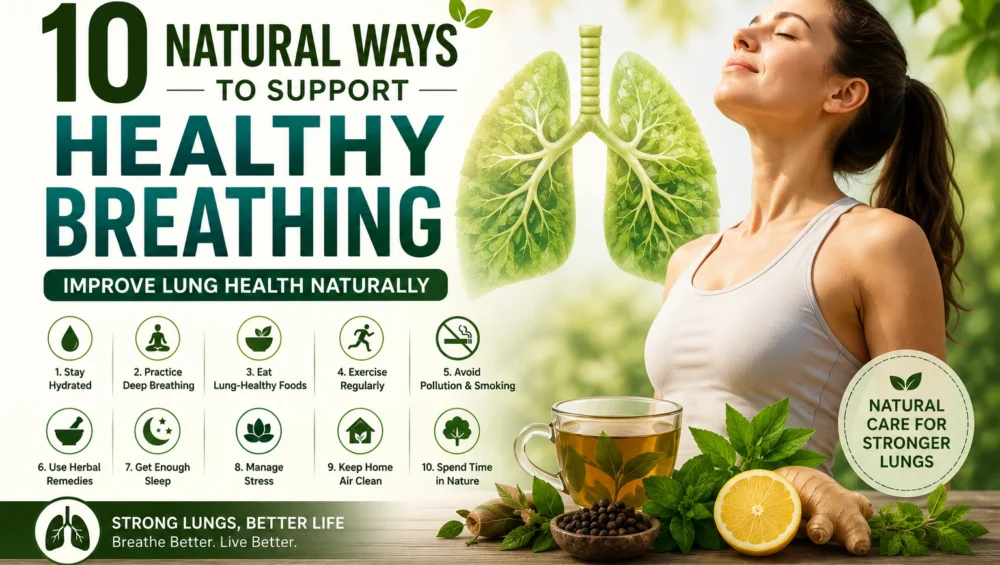
10 Natural Ways to Support Healthy Breathing Naturally

10 Natural Ways to Support Healthy Breathing: Improve Lung Health Naturally

Healthy breathinɡ is kinda essential for your overall well-being, you know. Your lungs work all the time to send oxygen into the body and to get rid of carbon dioxide. Still, a bunch of things can mess with respiratory health, like air pollution, smoking, poor indoor ventilation, seasonal allergies, and also unhealthy lifestyle habits .

The good news is that small everyday routines can help support  healthy lungs naturally. Things like breathing exercises and drinking enough water, plus yoga for lungs, and keeping your indoor air quality clean . There are a few simple natural approaches that can improve how you breathe, and that can also boost your general wellness.

Why Healthy Breathing Matters

A solid respiratory system, like it helps your lungs do what they should, makes it easier to : get oxygen moving through the whole body, keep your physical performance steady, and maintain your energy level. It also helps your overall breathing wellness and can even make everyday life feel better , more bearable. 

And per the World Health Organization, WHO , air pollution is tied to almost 7 million premature deaths each year worldwide, so the health impacts from dirty air become a huge public health worry.  

Quick Fact: Roughly 99% of people across the globe inhale air pollution health effects that is above the WHO air quality standards, on a daily basis.

1. Avoid Smoking and Secondhand Smoke (lung care tips)

Smoking is still one of the biggest hazards for lung health and respiratory health.

For healthier lungs naturally try this:

  • Skip tobacco products.
  • Don’t be around secondhand smoke.
  • Build smoke-free indoor spaces so air stays fresher.

2. Stay Physically active  

Try to stay moving regularly, because exercise can support lung function naturally, it sort of nudges your body into doing deeper breathing and using oxygen more efficiently , too.  

Best activities include walking, cycling, swimming, jogging , and yes even dancing.  

Some studies hint that consistent physical activity can build stronger respiratory muscles and improve breathing efficiency overall , in a very practical way.  

3. Practice Deep Breathing Exercises  

Among the more effective breathing techniques for adults, deep breathing kind of nudges full lung expansion, you know.  

How to Practice:  

  1. Sit  comfortably  
  2. Inhale slowly through your nose  
  3. Let your abdomen expand  
  4. Exhale gently through your mouth  
  5. Do this for 5–10 minutes, not more than that at first  

Benefits:  

  • Promotes relaxation, more calm overall  
  • Supports oxygen flow  
  • Improves breathing awareness, and your overall focus

4. Try diaphragmatic breathing,  

Also called belly breathing, this approach helps strengthen the diaphragm an d can make your breathing more efficient , kind of like getting a smoother rhythm.  

Benefits:  

  • Better oxygen exchange,  
  • Reduced shallow breathing.  
  • Improved respiratory control

5. Stay Hydrated for Respiratory Health  

Keeping yourself hydrated is one of the simplest but still very effective healthy breathing tip(s) you can actually do.  

Daily hydration tricks:  

  • Drink enough water each day  
  • Try foods that bring extra moisture, like cucumber and watermelon  
  • Cut back on sugary drinks   
  • Boost your water intake when it’s hot outside  

Why hydration matters  

Water helps keep the lining moist inside the airways; it also supports normal mucus texture which can make breathing feel more comfortable and a little easier.

6. Eat foods that support lung health  

A balanced diet is  really important for maintaining healthy lungs naturally, and it helps your body in a kind of steady way  

Antioxidant-Rich foods  

  • Amla  
  • Oranges  
  • Spinach  
  • Carrots  
  • Tomatoes  
  • Berries  

Anti-Inflammatory foods  

  • Turmeric  
  • Ginger  
  • Garlic  
  • Nuts and seeds  
  • Omega-3 rich fish  

7. Try Yoga for Lungs  

Yoga for lungs breathing infographic

A lot of people put “yoga for lungs” into they’re everyday wellness routine , like sort of without thinking too much.  

Best Yoga Poses for Breathing  

  • Bhujangasana (Cobra Pose) :-This helps expand the chest , and it can gently pull your breathing deeper.  
  • Setu Bandhasana (Bridge Pose) :-It backs up chest opening , and it also helps with posture improvements in a calm way.  
  • Matsyasana (Fish Pose):-This tends to encourage more chest expansion, especially when you breathe slowly.  
  • Ardha Matsyendrasana (Spinal Twist):-It supports flexibility and breath awareness , so you can notice how air moves through you.  

8. Enjoy the Benefits That Pranayama Brings  

With so many pranayama benefits, it’s often treated as one of the more popular breathing routines in India, and honestly most people stick with it because it seems to work, right away.

Most Liked Pranayama Practices  

Anulom Vilom  :-Helps you build breathing awareness, and at the same time it nudges relaxation.

Bhramari Pranayama:-This one is pretty well known for calming the nervous system, and also bringing a more mental hush, too.

Ujjayi Breathing:- It supports steady breath control, kinda like you’re keeping the rhythm in your own hands.

Kapalabhati:- Usually done for respiratory wellness, and lots of people notice a light refreshing effect after.

9. Improve Indoor Air Quality

Having decent indoor air quality matters for healthy breathing, even if it feels small sometimes. If the air is stale, people can start to feel off.

Clean Air Habits

  • Keep rooms ventilated, whenever you can  
  • Clean the dust regularly, don’t let it build up  
  • Maintain AC filters, and check them routinely  
  • Use exhaust fans while cooking, it helps a lot  
  • Avoid indoor smoking, for everyone’s sake

10. Reduce Exposure to Air Pollution

When you understand how air pollution impacts your health, it can help you safeguard your lungs , and keep your respiratory system more stable.

Some common air pollution health effects  

  • Airway irritation, like a rough feeling in the throat  
  • Persistent coughing , sometimes showing up even when you dont feel sick  
  • Breathing discomfort  
  • Lower respiratory efficiency  
  • Respiratory conditions becoming worse over time

Ways to reduce your exposure  

  • Keep an eye on AQI levels  
  • Avoid outdoor workouts when pollution peaks , even if its just for a short while  
  • Use protective masks when its needed  
  • Reduce time outside on high pollution days, like choose errands indoors

Conclusion

Helping healthy breathing really begins with everyday little habits, not some big thing. If you get into breathing exercises, drink enough water, stick to a well balanced diet, and also work on indoor air quality, it all adds up. Try to cut back on being around air pollution too , and bring in yoga breathing methods as part of your routine. With those simple choices, you can support your lungs in a natural way , and also help long term respiratory well-being at the same time.

Frequently Asked Questions

I mean, not like a magic upgrade, but regular breathing practice might help you use your lungs more efficiently and gradually build up respiratory muscle strength over time.

A lot of people say yes, because pranayama supports breathing awareness, encourages calm, and helps with general respiratory wellness, like a steadier rhythm in your breath.

Well hydration needs shift from person to person but drinking enough water each day can support healthy airway function and just overall well being, so your mucus and tissues don’t feel so dried out.

Yes, air pollution health effects can include airway irritation , more coughing and even making existing respiratory issues worse.

It seems foods with antioxidants and anti-inflammatory compounds may help, for example amla, turmeric, ginger, leafy greens, and citrus fruits—these might support lung well being.

Healthy Breathing in a Modern Lifestyle: Simple Habits for Better Health and Well-Being

Why Healthy Breathing Is Important for Daily Life: The Simple Daily Practice That Supports Body and Mind

Healthy Breathing is something most people never really think about, until a problem shows up. Still, health experts keep saying that the way people breathe across the day can really shift physical health , mental wellness, energy levels, sleep quality, and even overall quality of life.

As wellness trends keep changing, breathing techniques along with mindfulness routines are getting much more attention from researchers, healthcare professionals, and fitness coaches. You can see it in stress relief programs at work, as well as in yoga and meditation classes, where breathing becomes kind of a main thread in conversations about prevention and daily steadiness.

Even though breathing is an automatic function, experts underline that better breathing habits can help someone feel more awake , more focused, and more tough-minded in everyday life.

The Science Behind Healthy Breathing

Breathing is the body’s main way of getting oxygen to cells, while also letting carbon dioxide out. Every organ depends on a consistent oxygen flow to stay working the way it should, and not sort of lag behind.

If breathing becomes shallow or kinda inefficient, oxygen delivery can drop. That may lower energy output, mess with focus and also reduce physical performance.

Health researchers say the average adult is taking roughly 17,000 to 25,000 breaths in one day. Since breathing happens so constantly, even small upgrades in your breathing style might show up as real changes in overall well-being.

Why Oxygen Intake Matters

Good oxygen intake supports:

  • Brain function
  • Heart health
  • Muscle performance
  • Immune system activity
  • Cellular energy production

Experts add that having enough oxygen helps cells make energy in a more streamlined way. This supports stamina, and it also keeps everyday body functions on track, more or less.

Healthy Breathing and Physical Health

  • Supporting Lung Health:-One of the most important benefits of healthy breathing is maybe improved lung health, and it really matters. The lungs do the job of exchanging oxygen and carbon dioxide. If respiratory function stays in good shape, people often feel more capable staying active , and they may lower the odds of complications that come with poor breathing habits.
  • Healthcare professionals usually suggest regular physical activity, avoiding smoking, limiting exposure to air pollution , and practicing breathing exercises. Those steps support long term respiratory function, in a kind of steady way.
  • Promoting Respiratory Health:- Good breathing habits don’t just stop at lung health. They also help with overall respiratory wellbeing. Respiratory specialists often mention diaphragmatic breathing—also known as belly breathing. The idea is that it can make lung performance more efficient by leading to fuller breaths, rather than shallow chest breathing.

With this approach, the diaphragm works in a better, more coordinated manner. That helps the body use oxygen more efficiently, like it’s not wasting as much along the way.

Increased Energy Levels:-Some people get fatigue, but they don’t always connect it to breathing patterns. When oxygen delivery is optimized, the body can create energy more efficiently. Experts say individuals who practice Healthy Breathing often notice:

  • Improved stamina  
  • Reduced feelings of fatigue  
  • Better exercise performance  
  • Enhanced recovery after physical activity

The Link Between Healthy Breathing and Mental Wellness

Growing scientific evidence suggests that breathing patterns directly influence the nervous system, in ways that are pretty easy to miss at first.

Researchers have found that slow, well-controlled breathing can activate the body’s parasympathetic nervous system, often referred to as the “rest and digest” response. And yeah, it really feels more calm, at least for many people.

This pathway may help bring stress down, while also supporting emotional regulation, even if someone isn’t trying very hard.

Breathing and Stress Management

Stress still counts as one of the most common health issues worldwide. Because of that, plenty of experts now point people toward breathing exercises for stress relief, since it’s simple and still accessible as a wellness tool.

Controlled breathing techniques may help with things like:

  • Slower heart rate
  • Less muscle tightness
  • Gentle relaxation
  • A steadier emotional state

Mental health professionals often weave these breathing practices into treatment plans for anxiety and for stress-related conditions, too.

Deep Breathing Benefits for Daily Life

The deep breathing benefits health experts commonly highlight include:

  • Lower stress
  • Sharper focus
  • Stronger emotional control
  • More relaxation
  • Better oxygen delivery

Studies indicate that even a handful of minutes of slow breathing can cause noticeable physiological changes linked to relaxation and mental clarity.

How Breathing Affects Focus and Productivity

Sleep quality has become a major public health concern as millions of adults report difficulties falling sleep or staying asleep.

Health experts increasingly recommend breathing techniques as part of a healthy bedtime routine.

Better Sleep Through Controlled Breathing

Practicing slow breathing before bed may help:

  • Lower stress hormones
  • Reduce racing thoughts
  • Promote relaxation
  • Improve sleep quality

People who struggle with stress-related sleep disturbances often find breathing exercises useful for preparing the body and mind for rest.

Because quality sleep is closely linked to immune function, mood regulation, and physical recovery, breathing may indirectly support many aspects of health.

The Rising Popularity of Breathing Exercises

In the last few years breathing practices have turned into a huge wellness trend.

You’ll see them on social media, in workout routines , inside meditation apps and even in workplace wellness programs, where people get guided through sessions.

Many specialists say the reason these breathing methods are catching on is because people are looking for health improvements that are low-cost, easy to find, and still pretty approachable.

Common breathing methods people recommend

A bunch of evidence-leaning breathing techniques are often suggested:

1. Diaphragm breathing:-This approach is about using the diaphragm more and making the abdomen expand when you inhale.

Possible upsides like:

  • Better lung work
  • Less stress
  • More efficient oxygen use

2. Box breathing- Athletes and high-performance folks often use it. Box breathing is basically inhale for the same amount of time you hold, then exhale for the same time, and hold again.

Reported benefits might be:

  • Sharper attention
  • Lower anxiety
  • Stronger mental regulation

3. Alternate nostril breathing:- This one shows up in yoga lineages , and it means breathing through one nostril, then switching.

A few studies indicate it could help with easing tension, and bringing a steadier inner state, too.

Understanding Pranayama Benefits

Among the oldest breathing practices is Pranayama, it is part of traditional yoga and it tends to emphasize controlled breathing techniques in a very deliberate way.  

Pranayama benefits that have been supported by research  

Research has linked some pranayama practices with  

  • reduced stress levels  
  • better respiratory efficiency  
  • stronger emotional well-being  
  • enhanced relaxation  

Health experts often mention that while more research is still underway, many of the findings suggest pranayama may help both physical health and psychological wellbeing , though of course the story is not fully finished yet.

Healthy Breathing in a Modern Lifestyle

Healthy breathing in a modern lifestyle infographic

Among the oldest breathing practices is Pranayama, it is part of traditional yoga and it tends to emphasize controlled breathing techniques in a very deliberate way.  

Pranayama benefits that have been supported by research  

Research has linked some pranayama practices with  

  • reduced stress levels  
  • better respiratory efficiency  
  • stronger emotional well-being  
  • enhanced relaxation  

Health experts often mention that while more research is still underway, many of the findings suggest pranayama may help both physical health and psychological wellbeing , though of course the story is not fully finished yet.

Conclusion

Healthy breathing is being seen more and more as one of the main pillars for physical as well as mental balance. It helps with lung health and respiratory health but also, it can nudge your energy levels upward, support focus, stress management, and even better sleep. Breathing, kind of quietly, touches almost everything in everyday life.

As breathing exercises keep becoming more popular inside wellness plans and healthcare settings, experts say that breathing the right way is still one of the simplest and most available tools we have for long-run health. Not just the fancy routines either, because even basic breathing improvements can matter.

So whether you go with deep breathing, mindfulness practices, or pranayama methods, noticing how you breathe might be a small change, but it can bring real, meaningful benefits to your overall wellbeing.

FAQ’S

Healthy breathing helps with oxygen delivery , energy production , better focus , stress management, and just overall well-being too.

Breathing brings oxygen to the organs , and it removes carbon dioxide, which supports basic body functions.  

Yes . Controlled breathing techniques can, kind of, trigger relaxation responses in the nervous system.

Deep breathing brings stress reduction, improved focus, a calmer state, and better oxygen intake.  

Try diaphragmatic breathing, keep a solid posture , move your body with regular exercise, and avoid smoking or inhaling smoke.

Select the fields to be shown. Others will be hidden. Drag and drop to rearrange the order.
  • Image
  • SKU
  • Rating
  • Price
  • Stock
  • Availability
  • Add to cart
  • Description
  • Content
  • Weight
  • Dimensions
  • Additional information
Click outside to hide the comparison bar
Compare
Shopping cart close