Free standard shipping for orders OVER RS: 999
herbs for liver health

Herbs for Liver Health

The liver is one of the most important organs in the human body. It helps remove toxins, supports digestion, regulates metabolism, and keeps overall body functions balanced. However, due to unhealthy diet, stress, pollution, alcohol use, and sedentary lifestyle, liver health can get affected over time.

To support liver wellness, many people use herbs and natural liver health supplements as part of their daily routine. Several herbs have been traditionally used in Ayurveda and herbal medicine for liver care and are now studied for their supportive role in liver function.

This article explains the best herbs for liver repair, their benefits, precautions, and simple lifestyle tips for better liver wellness.

Why Liver Health Matters

The liver performs more than 500 important functions in the body. It filters toxins, processes nutrients, produces bile, and helps maintain energy balance.

When liver health is disturbed, it may lead to:

  • Fatigue and low energy
  • Poor digestion
  • Fat accumulation in the liver (fatty liver)
  • Toxin buildup in the body
  • Weak metabolism

That is why many people focus on liver health supplements and lifestyle improvements to support long-term wellness.

How Herbs Support Liver Function

Herbs contain natural antioxidants and plant compounds that may help support liver function. Many herbal supplements for liver health are designed around these traditional ingredients.

They may help:

  • Support natural detox processes
  • Reduce oxidative stress in liver cells
  • Improve liver enzyme balance
  • Support bile flow and digestion
  • Promote overall liver function

However, herbs should always be used as supportive care, not as a replacement for medical treatment.

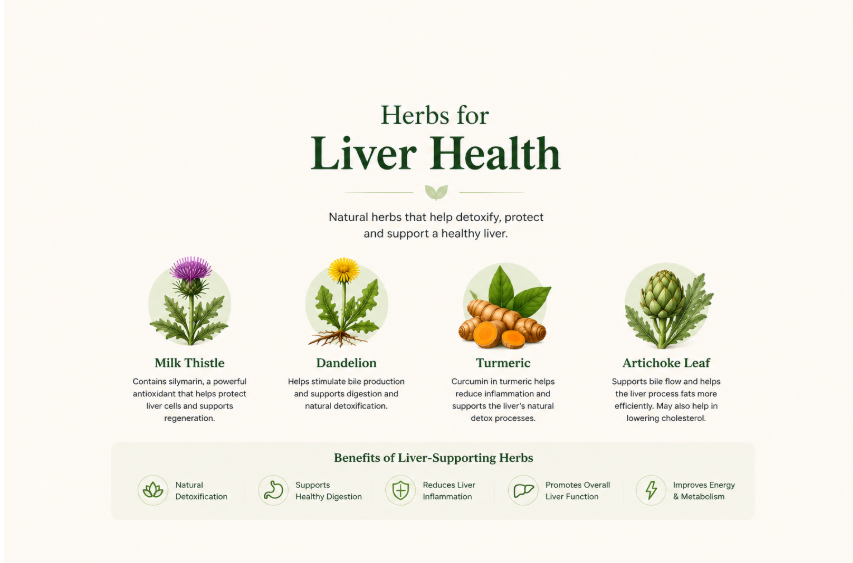
Top 10 Best Herbs for Liver Health

1. Milk Thistle (Silymarin)

Milk Thistle is one of the most researched and best herbs for liver health. Its active compound, silymarin, acts as a strong antioxidant that may protect liver cells from damage. It is widely used in liver support supplements and is known for supporting liver cell repair and healthy liver enzymes. It is also considered one of the key herbs for liver detox support.

2. Ginseng

Ginseng is a traditional herb known for improving energy and reducing fatigue. It may help protect liver cells from inflammation and oxidative stress. It is often included in natural liver support formulations to improve overall vitality and body balance.

3. Green Tea

Green Tea contains powerful antioxidants called catechins. These compounds may help protect the liver from damage caused by toxins. It is often linked with liver cleansing herbs, but excessive intake of concentrated extracts should be avoided.

4. Licorice Root

Licorice Root has anti-inflammatory properties that may help support liver health. It is used in traditional medicine to support liver balance and reduce irritation. However, it may affect blood pressure, so it should be used carefully.

5. Turmeric

Turmeric is one of the most studied herbs for liver wellness. Its active compound curcumin provides strong anti-inflammatory and antioxidant benefits. Turmeric for liver health may support bile production, reduce inflammation, and protect liver cells. It is commonly included in natural liver health supplements.

6. Garlic

Garlic contains sulfur compounds that help activate liver enzymes involved in detoxification. It also supports antioxidant activity in the liver. It is a simple dietary addition for those looking at how to improve liver health naturally.

7. Ginger

Ginger supports digestion and metabolism and has anti-inflammatory effects that may help reduce liver stress. It is also considered helpful in supporting herbs for fatty liver when combined with a healthy lifestyle.

8. Danshen

Danshen is a traditional Chinese herb known for supporting circulation and antioxidant activity. It may help protect liver tissues and support liver function. It is often used in traditional herbal liver support systems.

9. Ginkgo Biloba

Ginkgo Biloba is mainly used for brain health, but its antioxidants may also help reduce oxidative stress in the liver. It provides supportive benefits for overall liver wellness when used in moderation.

10. Astragalus

Astragalus is an immune-supporting herb that may help protect liver cells from damage. It is often included in liver wellness supplements for overall health support.

Benefits of Liver Health Herbs

These herbs may help support liver health in several ways:

  • Support natural detoxification
  • Protect liver cells from damage
  • Improve enzyme balance
  • Support digestion and metabolism
  • Reduce oxidative stress
  • Enhance overall liver function

These effects make them useful in liver detox support and general wellness routines.

Precautions and Side Effects

Precautions and Side Effects

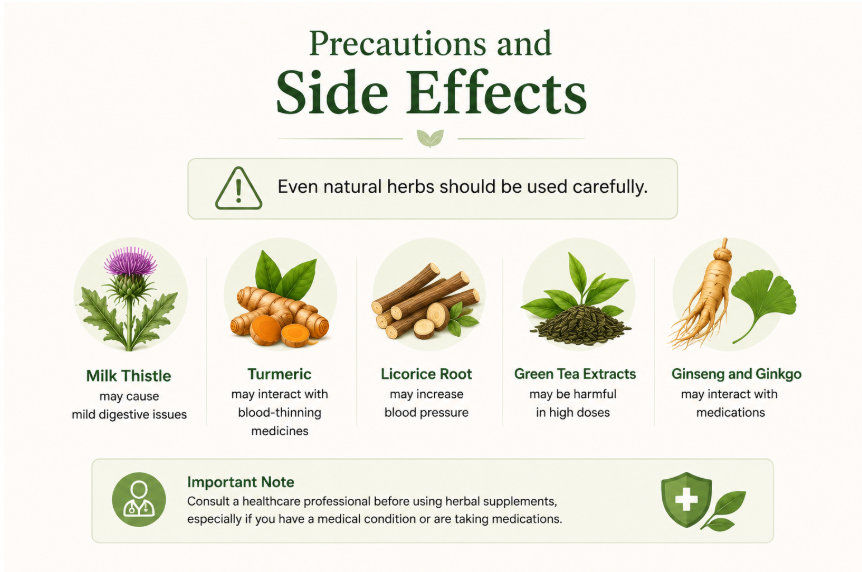
Even natural herbs should be used carefully:

  • Milk Thistle may cause mild digestive issues
  • Turmeric may interact with blood-thinning medicines
  • Licorice Root may increase blood pressure
  • Green Tea extracts may be harmful in high doses
  • Ginseng and Ginkgo may interact with medications

Always choose safe and reliable liver health herbal supplements and avoid self-medication if you have liver disease.

When to Consult a Doctor

Consult a healthcare professional if you:

  • Have liver disease or fatty liver
  • Experience ongoing fatigue or jaundice
  • Take prescription medicines
  • Are pregnant or breastfeeding
  • Want to combine multiple supplements

Medical advice ensures safe use of liver support supplements.

Lifestyle Tips for Liver Health

Herbs work best with healthy lifestyle habits:

  • Eat fresh fruits, vegetables, and whole foods
  • Avoid processed and oily foods
  • Exercise regularly
  • Stay hydrated
  • Avoid alcohol and smoking
  • Manage stress well

These habits strongly support natural liver support and long-term wellness.

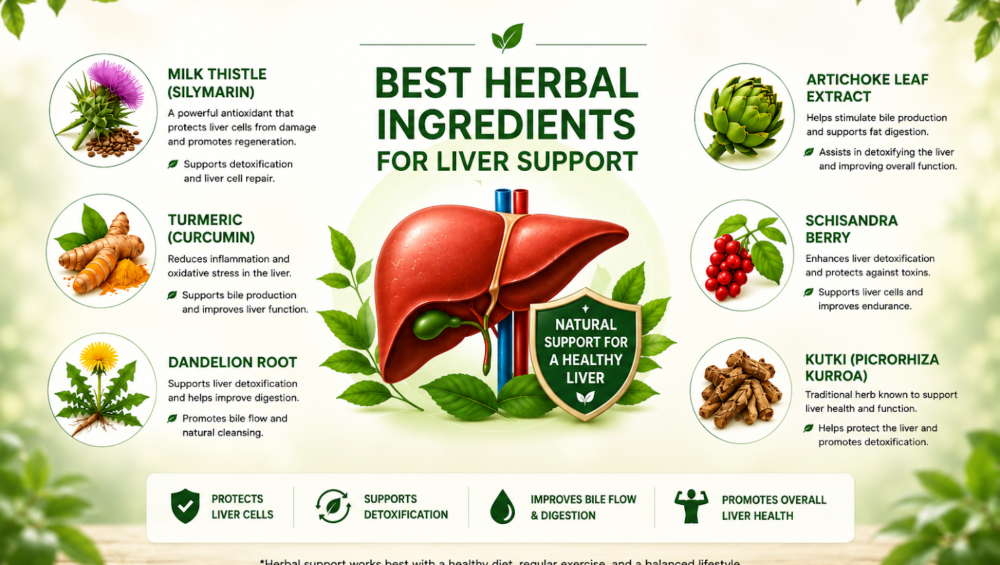
Best Herbal Ingredients for Liver Support

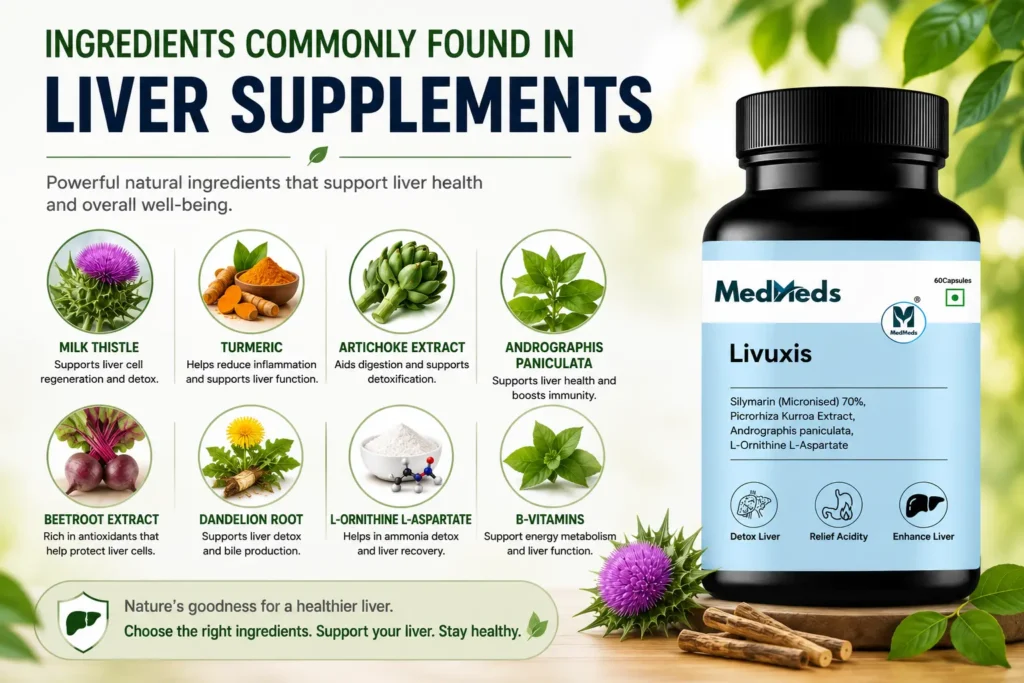
The best herbal ingredients for liver support are those that contain strong antioxidants, anti-inflammatory compounds, and natural detoxifying properties. Herbs such as milk thistle, turmeric, ginger, garlic, green tea, and ginseng are widely recognized for their potential to support liver function and protect liver cells from damage. These ingredients are often included in natural liver health supplements because they may help improve digestion, reduce oxidative stress, and support overall liver wellness when combined with a healthy lifestyle. However, their effectiveness depends on quality, dosage, and consistent use along with proper diet and medical guidance.

Conclusion

The liver plays a vital role in maintaining overall health, and taking care of it is essential. Herbs like Milk Thistle and Turmeric are among the most researched for liver support, while others like Garlic, Ginger, and Ginseng also offer supportive benefits.

While the best herbs for liver health can support liver function, they should not replace medical treatment. Real liver wellness comes from a combination of healthy lifestyle habits, proper nutrition, and responsible use of natural liver health supplements.

FAQ’S

Some of the best herbs for liver health include Milk Thistle, Turmeric, Ginger, Garlic, Green Tea, Ginseng, and Astragalus.

Yes, certain herbs contain antioxidants and anti-inflammatory compounds that may support liver function and overall liver health.

Milk Thistle is one of the most researched herbs and is commonly used for liver detox support and liver cell protection.

Yes, Turmeric contains curcumin which may help reduce inflammation and support liver health in fatty liver conditions. Are herbal liver supplements safe? Most herbal liver supplements are safe when used properly, but dosage and quality matter. Always choose trusted products.

best ingredients for liver support

Best Herbal Ingredients for Liver Support

The liver is one of the most important organs in the human body. It helps remove toxins, supports digestion, stores nutrients, and plays a key role in metabolism. However, unhealthy eating habits, alcohol consumption, stress, pollution, and lack of exercise can put extra pressure on the liver. This is why many people look for natural ways to support liver health.

Herbal remedies have been used for centuries in traditional medicine systems like Ayurveda and Traditional Chinese Medicine. Certain herbs are known for their ability to support liver function, protect liver cells, and promote detoxification. In this article, we will explore the best herbal ingredients for liver support and how they may benefit your overall health.

Why Liver Health Matters

A healthy liver performs several important functions:

  • Filters toxins from the blood
  • Helps digest fats through bile production
  • Stores vitamins and minerals
  • Regulates blood sugar levels
  • Supports metabolism
  • Helps fight infections

When the liver becomes overloaded, it may not function properly. Supporting liver health through a balanced diet, exercise, and herbal supplements can help maintain optimal liver function.

Milk Thistle

Milk Thistle is one of the most popular herbs for liver support. It contains an active compound called silymarin, which is known for its antioxidant and anti-inflammatory properties.

Benefits of Milk Thistle

  • Protects liver cells from damage
  • Supports liver regeneration
  • Helps reduce oxidative stress
  • May support people with fatty liver disease

Milk thistle is commonly available in capsules, tablets, and herbal teas.

Turmeric

Turmeric is a bright yellow spice widely used in cooking and traditional medicine. Its active ingredient, curcumin, has powerful antioxidant and anti-inflammatory effects.

Benefits of Turmeric for Liver Health

  • Supports natural detoxification processes
  • Helps reduce liver inflammation
  • Protects liver cells from oxidative damage
  • May improve liver enzyme levels

Adding turmeric to your daily diet or taking curcumin supplements may help support liver wellness.

Dandelion Root

Dandelion Root has been used for centuries as a natural liver tonic. It is believed to help stimulate bile production, which supports digestion and detoxification.

Benefits of Dandelion Root

  • Supports healthy digestion
  • Encourages bile flow
  • May help the body’s natural cleansing process
  • Rich in antioxidants

Dandelion root is commonly consumed as tea or dietary supplements.

Licorice Root

Licorice Root is a traditional herb known for its soothing and anti-inflammatory properties. Some studies suggest it may help support liver health.

Benefits of Licorice Root

  • May reduce liver inflammation
  • Supports antioxidant activity
  • Helps protect liver tissues

People with high blood pressure should consult a healthcare professional before using licorice root regularly.

Schisandra Berry

Schisandra Berry is a popular herb in Traditional Chinese Medicine. It contains compounds called lignans that may support liver function and antioxidant defenses.

Benefits of Schisandra Berry

  • Supports liver detoxification
  • Helps protect liver cells
  • Promotes overall wellness
  • May improve energy levels

This herb is often found in liver-support supplements.

Artichoke Leaf

Artichoke Leaf Extract is known for supporting liver and digestive health. It may help stimulate bile production and improve digestion.

Benefits of Artichoke Leaf

  • Supports healthy liver function
  • Promotes bile production
  • Helps digestion of fats
  • Rich in antioxidants

Artichoke supplements are commonly used for digestive and liver support.

Green Tea

Green Tea contains natural antioxidants known as catechins. These compounds may help protect the liver from oxidative stress.

Benefits of Green Tea

  • Supports healthy liver enzyme levels
  • Rich in antioxidants
  • Helps reduce oxidative damage
  • Supports overall metabolic health

Moderate consumption is generally considered beneficial for liver wellness.

Ginger

Ginger is a well-known herbal ingredient used for digestive health. Research suggests it may also provide benefits for liver function.

Benefits of Ginger

  • Supports healthy digestion
  • May reduce inflammation
  • Provides antioxidant protection
  • Supports overall liver wellness

Fresh ginger tea is an easy way to include this herb in your daily routine.

Tips for Maintaining a Healthy Liver

Along with herbal support, consider these healthy lifestyle habits:

  • Eat a balanced diet rich in fruits and vegetables
  • Limit processed foods and sugary drinks
  • Maintain a healthy weight
  • Exercise regularly
  • Drink enough water
  • Avoid excessive alcohol consumption
  • Get regular health check-ups

Best Liver Health Supplement

Choosing the Best Liver Health supplement can help support overall liver function when combined with a healthy lifestyle. A good quality supplement typically contains well-researched herbal ingredients such as milk thistle, turmeric, dandelion root, and antioxidants that may help protect liver cells and support natural detoxification processes. However, it is important to understand that not all supplements are the same—quality, ingredient sourcing, and proper formulation play a major role in effectiveness. The best results are achieved when supplements are used alongside a balanced diet, regular exercise, and medical guidance rather than as a standalone solution.

Conclusion

The best herbal ingredients for liver support include Milk Thistle, Turmeric, Dandelion Root, Licorice Root, Schisandra Berry, Artichoke Leaf, Green Tea, and Ginger. These herbs have been traditionally used to support liver function, protect liver cells, and promote overall wellness.

While herbal remedies can be beneficial, they should not replace medical treatment. Always consult a healthcare professional before starting any new supplement, especially if you have a liver condition or take prescription medications.

By combining healthy lifestyle habits with natural herbal support, you can help maintain a healthy and well-functioning liver for years to come.

FAQ’S

1. Which herb is considered best for liver health?
Milk Thistle is often considered one of the most effective herbs for supporting liver health.

2. Can herbal remedies help with fatty liver disease?
Some herbs may support liver function, but lifestyle changes remain the most important factor.

3. Is turmeric good for the liver?
Yes, turmeric contains curcumin, which may help reduce inflammation and oxidative stress.

4. How often should I take liver-supporting herbs?
Follow product instructions or consult a healthcare professional for personalized advice.

5. Are herbal supplements safe for everyone?
Not always. Some herbs can interact with medications or health conditions.

Best Liver Health Supplement

How to choose the Best Liver Health Supplement

Your liver is absolutely critical to filtering out toxins, assisting digestion and generally promoting the good health of your entire body. Getting a Best Liver Health supplement can help these crucial functions when coupled with the right lifestyle practices. However, all products are not created equal so you should look for a few key components that would allow you to differentiate quality liver supplements from generic products.

In today’s society the dietary, environmental and even stress factors lead many individuals to use supplements for supporting their liver. A good quality product could complement good practices and nutrients. The factors involved in ensuring the right quality of ingredients and products could really matter.

What exactly is a liver health supplement?

A Liver Health Supplement contains nutrients, herbs, or certain compounds that will hopefully benefit the natural function of the liver. Most products have certain vitamins, compounds and botanicals that contribute to wellness and proper metabolic processes of your liver.

Before you go out to purchase the product you need to know and understand what the product is for. Different kinds are used for different purposes.

Finding the Best Supplement for Liver Health

There are certain quality and manufacturing standards you need to be looking out for in the best supplement for liver health that you wish to purchase. Most high quality products offer a clearly labeled explanation of the products they include and why they are there and information about testing done on products.

Customers have needs and interests related to their personal life style and nutritional requirement when searching for a product. Reading all aspects of the product description and talking to medical professionals if need be will help you make a more informed choice.

Benefits of liver support supplement

A lot of individuals may choose Liver Support Supplements as a part of the healthy regimen of life. Such supplements have certain nutritional ingredients which are aimed at assisting normal liver activity and protect them with antioxidants against environmental factors which could harm your body.

When coupled with healthy diets and exercises such supplements will boost your natural body system that aims to make you healthy. Consistency is key when it comes to supplements; it’s meant to help you and not replace your healthy lifestyle.

Choosing Natural Liver Health Supplements

A lot of people are increasingly turning to Natural liver Health Supplements as they look for more organic and naturally acquired products to improve their body systems. Herbal products have been used for centuries within various traditional medicines for improving digestive and metabolic function.

For people looking for supplements without synthetic additives natural choices may seem preferable. However, natural isn’t always the best, which is why it’s always important to consider the quality and safety of the product’s ingredients.

Evaluating Supplements for Liver Detox

Supplements marketed as supplements for liver detox to boost the body’s detoxification mechanisms. While it is true that your liver naturally detoxifies, certain nutrients and herbs may indeed supplement the existing natural process to make your liver function better and healthily.

Before purchasing such a supplement make sure it lists all ingredients and look for research supported information. You must steer clear of any supplement that promises unreasonable results. The best products enhance normal function instead of providing over-the-top results.

Selecting the Best Supplement for Fatty Liver

Choosing a best supplement for fatty liver should focus on general health support and maintaining your metabolic functions. Diet, exercise and weight are all essential factors that contribute to managing liver health; therefore, these are very important even when taking a supplement.

A supplement could supplement an overall regimen designed to make you healthy and help your liver work best, but remember that not all products have the same level of quality. It’s always recommended to search for reputable brands and evaluate them well before making a purchase.

Understanding Liver Supplements for Fatty Liver

The typical liver supplements for fatty liver  combines herbs, nutrients, and antioxidants. These products are normally used in conjunction with improved diets and life-style changes.

When searching for supplements you must always take care that they will supplement, and never replace, your medical care and professional doctor’s advice as their role will help you greatly when you already have a problem with your liver.

How to Improve Liver Health Naturally

Most of my readers will always wonder how to improve their Liver Health Naturally. Diet, proper exercise, adequate fluid intake and moderate or no alcohol intake are some ways that are beneficial to liver health long-term.

Sleep and reduced stress can also boost metabolic function in the body and increase the body’s natural capability to get rid of toxins. Supplements should always be a boost, not a replacement for these simple lifestyle actions.

Ingredients to Look for in Liver Supplements

An integral part of choosing an appropriate Liver Health Supplement is to know and research all the components the supplement uses. Antioxidants, amino acids, botanical extracts and certain vitamins which are vital to your liver’s performance will be included in good supplements, together with a generally helpful range of natural compounds.

Always remember to look for transparency regarding the specific proportions or quantities for each ingredient. Certified products backed by third party testing and having high quality labels will guarantee the best products.

Milk Thistle Liver Supplement

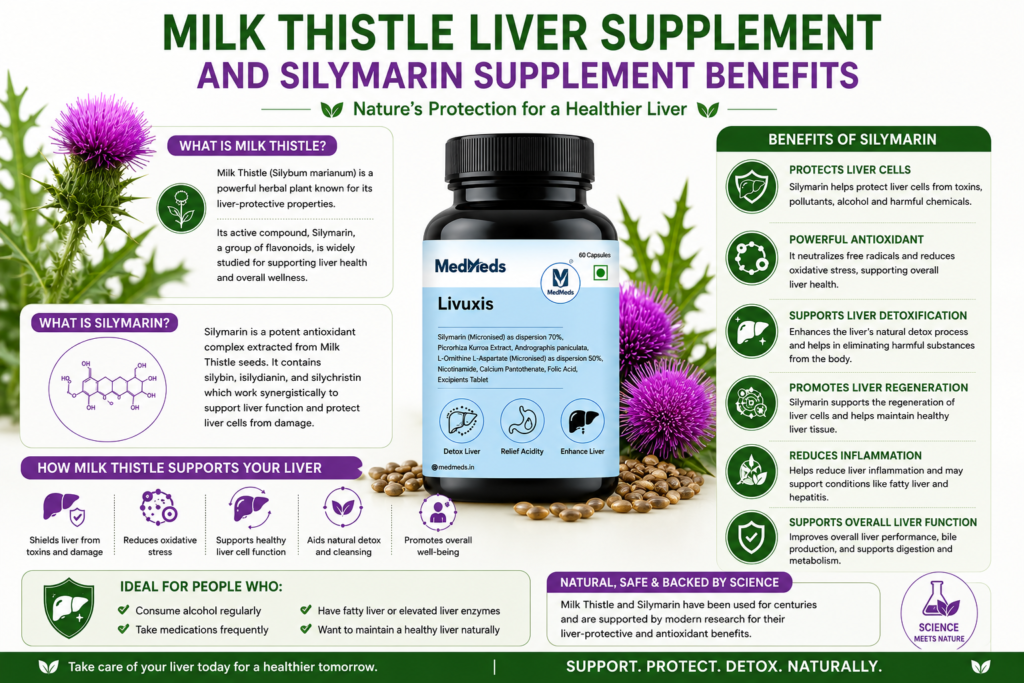
Milk Thistle Liver Supplement and Silymarin Supplement Benefits

A milk thistle Liver Supplement is a very popular choice for those seeking support for their liver health. Milk thistle includes a substance known as Silymarin that has been thoroughly examined by experts for its antioxidant properties and general use in liver health support.

Silymarin supplement benefits, which among other things help in providing antioxidants to protect the cells against environmental hazards, have been recognized all over. High quality products will ensure standardized and high concentration ingredients are contained within.

Liver supplement buying guide

A liver supplement buying guide will always start with examining the brand for quality and testing of its ingredients, as well as their production standards. Quality companies that are always willing to offer details about their sourced ingredients, tests conducted, and safety of the product will be important to take notice of.

Also look at the portion sizes, ingredient concentration and how the product benefits the user; comparison between products and what each provides could offer helpfulness.

Herbal liver health supplements

Many Natural Liver Health Supplements are manufactured through combining natural ingredients with modern scientific nutritional practices in order to gain both traditional effectiveness and contemporary backing. Such products focus on utilizing antioxidants and overall liver wellness factors to your advantage.

As with any product containing various ingredients, care should be taken when picking out an herbal liver supplement. Checking and understanding how effective the ingredients are to you will prevent buying products that simply aren’t as good for you as other products.

Choosing a Liver Support Supplement for Adults

An excellent adult Liver Support Supplement will take your needs and lifestyle requirements into consideration; as adult needs are varied, the type of supplement to get is the one that fits best.

Labels on liver support supplements, especially those intended for adults should be clearly explained. High quality manufacturers offer the best product to your expectations and to your overall health and well-being.

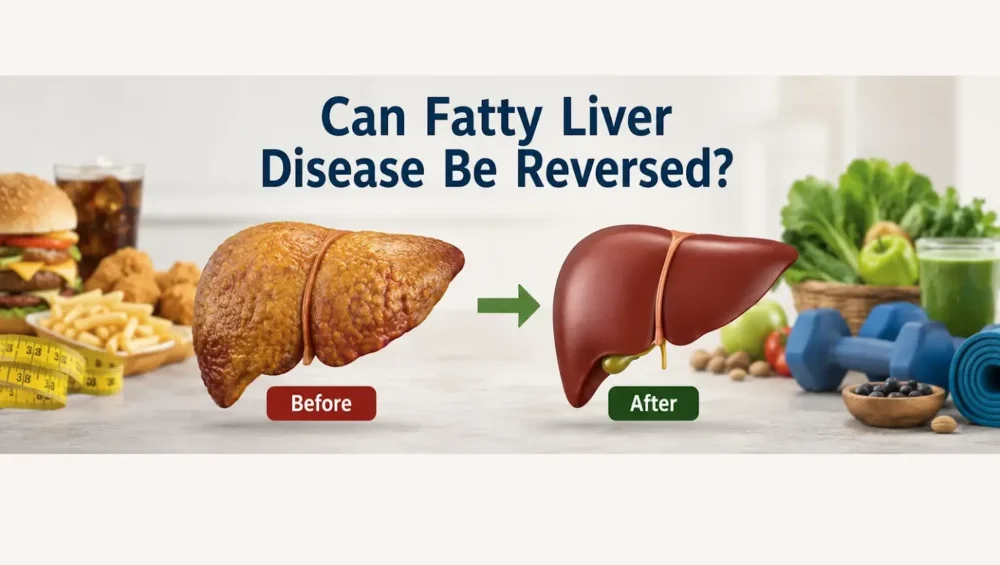
Can Fatty Liver Disease Be Reversed?

A common question people ask is can fatty liver disease be reversed, and the good news is that in many cases it can be improved or even reversed, especially in the early stages. Fatty liver is strongly linked to lifestyle factors such as diet, weight, physical activity, and stress levels. With consistent changes like eating a balanced diet, exercising regularly, avoiding alcohol, and managing weight, liver fat levels can gradually reduce and liver function can improve. However, supplements alone are not a cure and should always be combined with proper medical guidance and healthy habits for the best results.

 Conclusion

Daily liver support supplements can be very beneficial when someone needs consistent nutrition in their routine, they improve overall liver health when taken consistently with other lifestyle changes.

Products like liver health tablets are available in India and consumers must be cautious and vigilant in selecting what best suits them considering the quality, authenticity and standard compliance of the product to gain trust. 

FAQ’S

A liver health supplement is a product containing vitamins, minerals, antioxidants, amino acids, or herbal extracts designed to support normal liver function and overall wellness.

Look for ingredients such as milk thistle (silymarin), antioxidants, amino acids, vitamins, and herbal extracts that are supported by quality research and clearly labeled by the manufacturer.

Liver supplements may support overall liver wellness when combined with a healthy diet, regular exercise, and medical guidance. They should not replace professional treatment or lifestyle changes.

You can support liver health naturally by maintaining a balanced diet, exercising regularly, staying hydrated, limiting alcohol intake, managing stress, and getting adequate sleep.

reverse fatty liver

Can Fatty Liver Disease Be Reversed? 

There is an increasing number of symptoms related to fatty liver disease because people’s eating habits are poor, there are excessive levels of stress and fat in their body, also due to less exercise. Therefore a lot of the patients diagnosed with fatty liver disease always question themselves about the reversal possibility of their liver condition.

Generally, can fatty liver disease be reversed is one of the common questions with a likely positive answer, as the condition can reverse with timely detected and appropriate treatment. 

What Is Fatty Liver Disease?

Fatty liver is basically when there is an increase of fat inside the cells of the liver, kinda like things piling up where they shouldnt. A diagnosis is usually made when the liver contains more than about 5-10% fat by weight.

The most common kind of this fatty liver issue is non-alcoholic fatty liver disease , or NAFLD. This variety can show up in people who do not drink alcohol at all. Or in some cases they drink only a little. NAFLD is really often seen in obese individuals, in people with type 2 diabetes , and also in those with insulin resistance or hypercholesterolaemia. If fatty liver disease is left untreated, it can gradually deteriorate and even turn into an inflamed state, with fibrosis, and in more severe cases it may become cirrhotic. 

Can Fatty Liver Disease Be Reversed?

A lot of people ask this, how to reverse fatty liver after getting the diagnosis. And honestly, luckily the liver has a really strong ability to fix itself over time. Thus with sensible changes to one’s lifestyle and medical treatment it can be possible to reverse fatty liver disease and restore normal liver function.

Catching it early is what tends to work best. In many cases the fatty liver improvement can happen before any lasting or permanent damage sets in. Also, many patients wonder “can fatty liver be reversed naturally” , and for people in the early phases, better daily habits can matter a lot for liver wellbeing. 

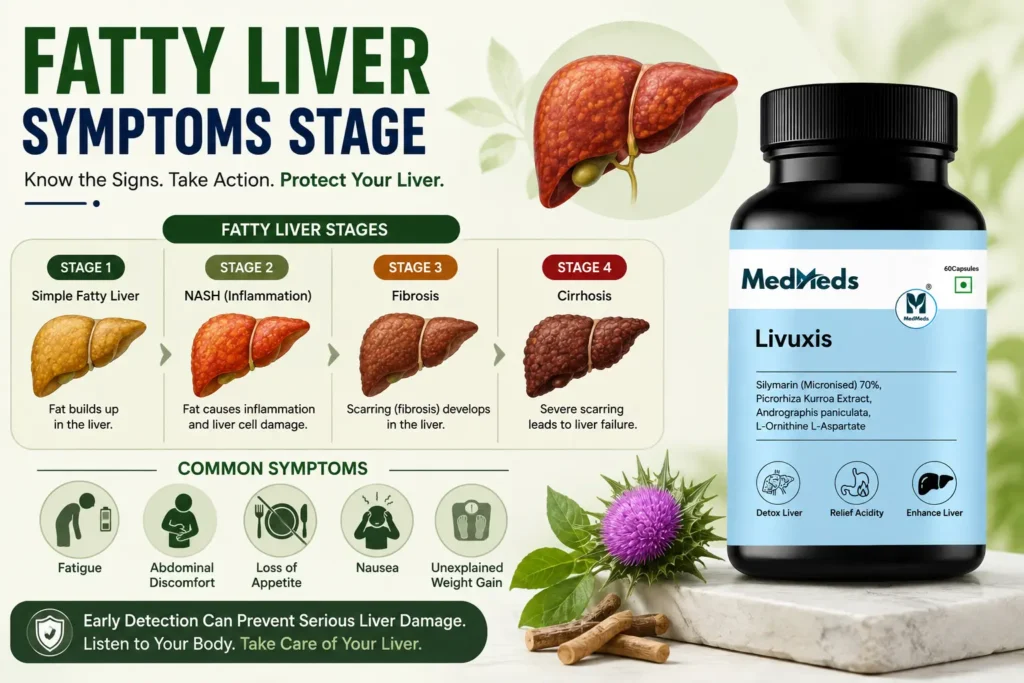
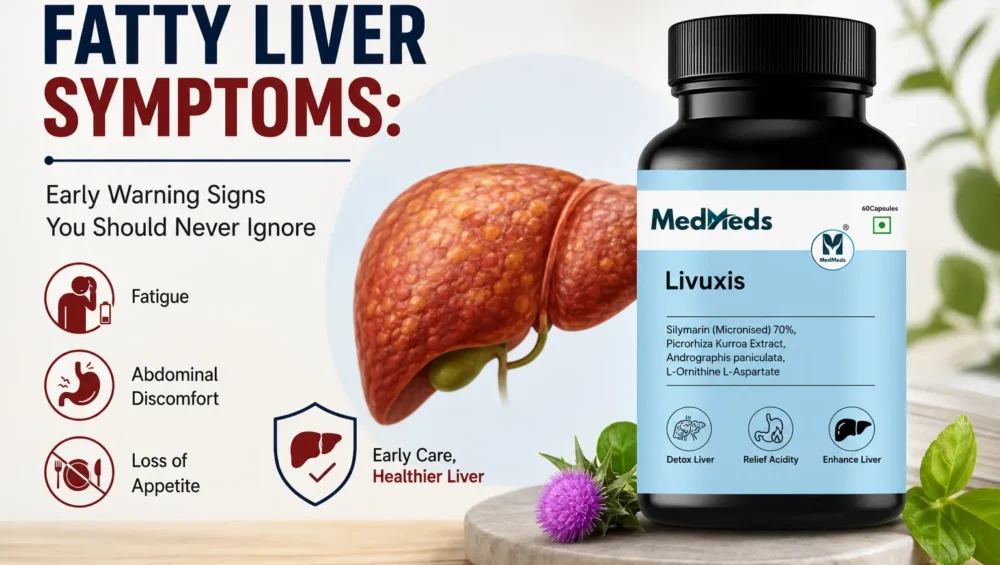
Common Fatty Liver Disease Symptoms

One challenge with fatty liver disease is that symptoms might not show up during the early stages ,so you can be dealing with it and still feel “mostly fine” for a while. 

Some common fatty liver disease signs can include 

  • persistent fatigue. 
  • upper right abdominal discomfort, (kind of a nagging pressure). 
  • weakness, or that sort of low stamina feeling 
  • unexplained weight gain. 
  • elevated liver enzyme levels 

People who have diabetes , obesity, or high cholesterol should think about regular liver health check ups. 

How to Reverse Fatty Liver Naturally

Follow a Fatty Liver Diet Plan

If you are looking for information on how to reverse fatty liver, lifestyle changes are the mainstay of treatment. A healthy daily routine will reduce liver fat, reduce inflammation and improve overall liver health.Eat according to a Fatty Liver Diet Plan

A healthy fatty liver diet plan will assist the liver and aid in the reversal process. Focus on:

  • Grains
  • Fruits and vegetables
  • Protein (lean protein source)
  • Legumes
  • Nuts & seeds
  • Good fats (i.e. Olive oil)

Above and beyond this ensure foods to help cure fatty liver such as dark leafy vegetables, berries, turmeric, green tea and foods rich in fiber are on your meal plan. Do not eat:

  • Sweet drinks
  • Processed foods
  • Fried food
  • Alcohol
  • Refined carbs 

Exercise Regularly

Daily exercise is also beneficial in fatty liver treatment at home. 150 minutes of moderate exercise are suggested at a minimum on a weekly basis according to specialists. Activities like walking, cycling, swimming, and strength training have been known to decrease the liver fat. 

Maintain a Healthy Weight

  • Weight management is one of the most effective lifestyle changes for fatty liver disease.
  • Research shows that losing just 5–10% of body weight can significantly improve liver health and reduce fat accumulation. 

Improve Liver Health Naturally

Simple habits can help improve liver health naturally.

Such as:

  • Adequate hydration,
  • Sufficient quality sleep
  • Stress reduction
  • Nutrient-dense diet..
  • Physical activity 

Fatty Liver Treatment at Home

Many of them are controlling early stages fatty liver with fatty liver treatment at home.

Good diet, exercises, appropriate sleeping and staying away from alcohol could show the effective results in a few months, yet, regular check-ups by doctor is necessary to track the progress. 

Medical Options for Fatty Liver Disease Treatment

If changes to one’s lifestyle do not suffice, doctors could opt for further fatty liver treatment options. Based on the health condition of each individual,

 a fatty liver medicine, or a fatty liver medicine tablet may be prescribed to manage accompanying metabolic abnormalities. Medications should always be taken under supervision.

Best Supplement for Fatty Liver

People search for the best supplement for fatty liver to aid their quest for liver health.

Liver detox supplement, liver detox capsules, liver support tablets are commonly utilized by people trying to get their liver to function well by adapting a healthy lifestyle. Certain doctors may suggest fatty liver tablets in India according to the condition and medical history of the patient. Supplements are never a substitute for proper diet, exercise and professional medical help.

How Long Does Fatty Liver Recovery Take?

The timeline for Fatty liver recovery varies depending on the individual.

Most people will experience an improvement in liver enzyme levels in 3 to 6 months. With adherence to healthy lifestyle practices most individuals should experience a substantial recovery within 9 to 12 months.

You must have patience with your recovery process. 

The Truth About Liver Detox Supplements

Liver detox supplements often claim to flush or restore liver function in a short time.

In truth the liver already detoxifies the body itself and although liver detox capsules can assist with nutrition to support liver function no supplement will reverse liver damage instantly.

Maintaining a healthy lifestyle is still the best method to help keep the liver in optimal function. 

Liver Health Myths and Misconceptions

There are several liver health myths that often mislead people and delay proper treatment. One common myth is that fatty liver disease only affects alcohol drinkers, but in reality, non-alcoholic fatty liver disease (NAFLD) can occur due to poor diet, obesity, and lifestyle factors.

Another myth is that liver detox supplements can fully cleanse the liver. In truth, the liver naturally detoxifies itself, and no supplement can replace a healthy diet and exercise. It is also wrongly believed that fatty liver shows early symptoms, but it often develops silently.

Understanding these liver health myths helps people take timely, correct action and follow proper medical and lifestyle guidance.

Conclusion

Good news for a lot of people: The question “Can fatty liver disease be reversed?” can, at times, have a very positive response. Early diagnosis, adequate fatty liver disease treatment and following an effective fatty liver diet plan can go a long way in turning the condition around.

Whether you’re looking for fatty liver treatment at home, searching for the best supplement for fatty liver, or learning how to treat liver condition naturally-making changes today can help your liver-and you-remain in better health for decades.

FAQ’S

Yes for many fatty liver disease cases especially in the initial stages it is quite reversible with lifestyle changes such as balanced eating, a lot of exercise, proper sleep and weight management.

Yes, with the help of regular exercise many can improve their metabolism and liver fat will be reduced along with healthy weight loss. Such things as walking, swimming, cycling and exercise regimes like strength training help liver health greatly.

Fatty liver disease rarely show many signs in the early stages, it is the later stages which display such things as a lack of energy and poor performance. In these stages many suffer with pain in their abdominal region along with fatigue and they have higher than usual liver enzymes.

Yes, you will be more than surprised how a bit of weight loss can help fatty liver disease. If a loss of 5-10 percent is gained then the liver fat will be significantly lower and its health improve considerably.

Liver detox supplements can provide some nutrient support but it cannot substitute a good healthy diet. It is essential that lifestyle habits such as having a healthy diet and lots of exercise together with medical advice. 

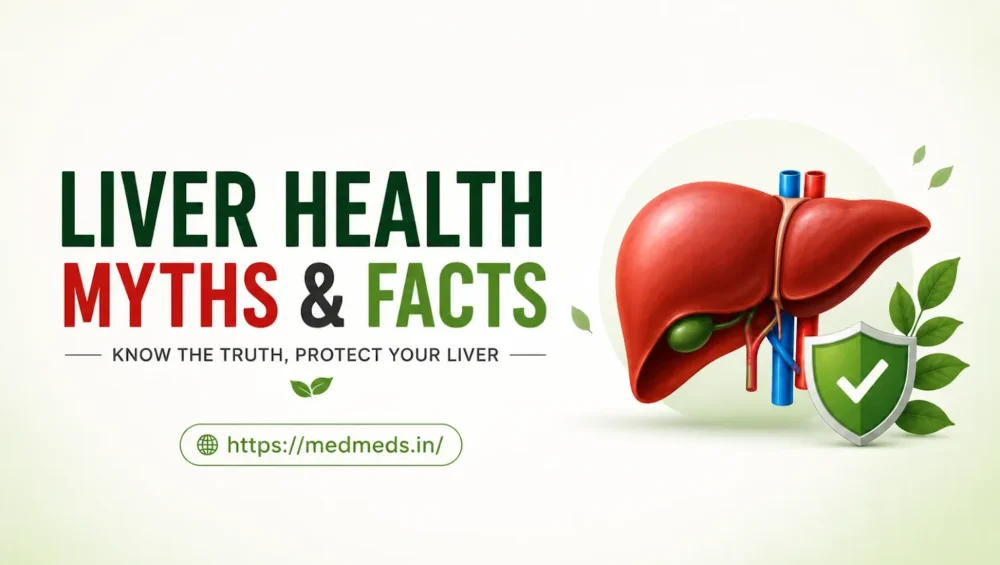
liver health myths and facts

Liver Health Myths and Facts

We all know that the liver is a powerhouse of organs in our body. The liver performs the functions such as digestion, storing nutrients, cleansing our bodies of toxins and over 500 more vital processes on a daily basis. Yet, there are many liver health myths about the liver that play on our minds and thus raise doubts about us and result in negative lifestyle practices as well as delaying treatment or consultations. Let’s address these myths and clarify on their actual reality so that you can continue on the correct path and get yourselves a liver health that you can be happy about.

MYTH 1: Fatty liver disease can only occur among alcohol drinkers.

One of the most common myths is that it is solely drinking alcohol which may result in fatty liver disease in an individual. An important thing that might confuse many of us is the very concept that only the act of drinking would be resulting in the cause of fatty liver diseases thereby causing doubt among the drinkers and making us believe that if we don’t drink, then we are safe. Well, the reality of modern day sedentary living and eating habits coupled with other factor such as obesity and diabetes have given rise to a sharp increment in number of liver diseases among people and it’s a big myth that only alcohol will lead to fatty liver diseases. Believing this would surely be a mistake as it would result in late measures.

FACT 1: Even non- drinkers can suffer from grade 1 fatty liver disease.

Surprisingly it is true that grade 1 fatty liver diseases can also affect individuals who do not at all or rarely ever drink alcohol. Excess body weight, insulin resistance, high cholesterol and poor eating habits are certain main causes for the same and while fatty accumulation would take place among our liver cells, damage would often be null. Such cases can be managed through a better lifestyle, diet plan, exercise and proper weight management. Therefore, getting hold of the truth behind fatty liver mythsand fact is essential for all.

MYTH 2: The disease liver always gives visible symptoms.

Another prevailing myth is that liver diseases have visible symptoms, pain, tiredness or fatigue in us or a feeling of nausea and bloating that indicates symptoms of liver damage. This causes us to disregard our health checkups. It’s a fact that it may take years for the liver disease to be diagnosed as most of the times there are no evident symptoms. Liver myths that make us believe that the liver will indicate the symptoms have led many people to postpone medical tests for quite long and thereby increase potential risks to health.

FACT 2: Grade 2 fatty liver can be asymptomatic.

Individuals suffering from fatty liver grade 2 disease do not show evident symptoms and apart from slight tiredness and abdominal dull ache they generally feel absolutely healthy and normal while their condition develops, hence screening tests are necessary to avoid future problems. It is advisable that such patients continue with a healthy treatment plan so as to get the best prognosis. All India Institute of Medical Sciences (AIIMS) and others believe that every person should be tested to foresee the possibility of suffering from liver diseases to minimize the side effects at later stages.

MYTH 3: Our liver does not play a significant role in our body.

Often it is believed that since normal liver size in cm varies with every person then its measurements would not mean much for our body’s well being and physicians would ignore them in an ultrasound or scanning test. However, this is not the case and liver’s measurements in cm are extremely important for physicians to get a clear idea of whether or not we are functioning appropriately or if something might be the cause of some condition in our body.

FACT 3: The standard measurement of liver in cm provides useful results.

Medical scan reports should be compared with the size of a healthy liver that falls under a certain centimeter measurement range and an abnormally smaller or larger liver could be caused due to fatty liver disease, infection, inflammation and many other factors. Doctors can learn valuable insights from such measurements that are vital if you intend to treat the disease at earliest and avoid later complication and problems as an accurate and well measured liver size would provide doctors vital information with regards to how your liver functioning might be.

MYTH 4: All liver tonics and syrups perform equally.

We believe that most liver syrup work in the same way and give us results equally no matter what the product is. The fact that certain medicines claim to do just anything will also make us believe that they are good for us, yet that is only in the eyes of a businessman or consumer. It is a fact that different companies would be having different ingredient and different levels of control over quality standards. It would not be useful to check the functioning of all such liver tonics/ syrups since their performances vary widely.

FACT 4: A good liver tonic syrup could be beneficial.

High quality liver syrups will consist of a mixture of scientifically tested and proven ingredients and they may be manufactured by respectable pharmaceutical companies. Certain liver syrups will have good health benefits over others for the liver which will lead to an increase in our digestion and liver health whereas other will not be giving enough results. Therefore, relying on guide for liver tonics and syups and speaking to our doctor would lead us to select best liver support supplements. for ourselves.

MYTH 5: Alcohol consumption is the sole contributor to liver disease.

Since we are told that most liver diseases occur because of excessive alcohol intake most people have the mistaken belief that this is the only reason for liver diseases in us. Such a false conception may indeed cause one to neglect many other causes of contracting liver diseases.

FACT 5: A multitude of factors may cause a liver disease and these must be diagnosed by liver specialists.

Liver specialist will reveal that the formation of a liver disease might result in due to Diabetes, Obesity, a virus that causes viral Hepatitis B/ C or due to other reasons such as some autoimmune disorder, certain medicines that may damage our liver and others metabolic disorders. It is therefore extremely important that one correctly diagnose the cause of their liver condition with the help of liver specialists to maintain their health. Seeing liver specialists at a routine basis would also increase awareness and help avoid any complications or side effects in future. 

Myth 6: Liver Function Tests (LFTs) are too expensive.

 Cost is just one of the most important factors as people do not have any other reason for not having their relevant check-ups done; especially people with a risk of developing a liver disease avoid its detection and medication as it can be regarded as being of high price.

Fact 6: Knowledge of the cost of LFTs is conducive towards prevention.

 LFTs  liver function test price  but in no comparison to what may be lost both financially and emotionally once a liver disease has established itself and is progressing rapidly-physical health and finances will both suffer. LFTs detect early warnings in the absence of symptoms allowing for early treatment; and it is imperative for you to make sure that your liver is monitored consistently so that you are given the relevant preventive treatment for the same.

Myth 7: The liver function tests results are hard to understand. 

Customers always find themselves puzzled at the complicated and winding chemical names on their test reports and therefore choose to disregard the relevant information as something insignificant, having no concept of the repercussions that may follow after the read-out of your liver function tests.

Fact 7: A comparison of the range for liver function tests gives an insight into the functions of the liver.

 The enzyme levels along with any other indicators present in the test results may be compared with a set of liver function test normal range so that you may know whether a particular enzyme’s level is normal, more than average or lesser than average. Data included within liver function test reports will go a long way in the assessment of any signs of liver inflammation or developing disorders, which would eventually be a leading cause to a deteriorated liver.

Myth 8: A normal liver function test results guarantee perfect liver health.

 Most customers will assume that since their blood report has given them a normal reading it goes without saying that there is nothing more to the liver that could be abnormal. This is only partially true.

Fact 8: Not all conditions of the liver may be indicated by a normal liver function test result.

 Although you may receive the relevant blood test report indicating that all is normal, not every condition associated with the liver may be detected on blood tests; and may require more invasive tests, or imaging. A thorough knowledge of a patient’s symptoms, history and physical examination should be accounted for in order to not undertreat or overtreat patients.

Myth 9: Hepatic enlargement only happens due to drinking alcohol.

 People perceive liver problems as being associated only with the damaging effects of alcohol because all literature in relation to it primarily discusses those problems which stem as a result of alcoholic drinks; and, this naturally leads to them assuming that such a disease will only develop under the influence of drinks like these. This assumption that problems with the liver are brought about by just one type of damage may actually lead to treatment that is less effectual than it should be.

Fact 9: Many causes contribute to hepatic enlargement.

 Many factors contribute to swelling of the liver; including  liver swelling causes, different types of viral hepatitis, any imbalances in hormones including the use of alcohol etc; It is imperative that you determine the cause of your hepatic enlargement so that other associated conditions of the liver do not develop or become more severe.

Myth 10: Keeping a liver healthy is not possible naturally. 

Although liver disease requires medicine for treatment, you also have control over your lifestyle that could affect your liver greatly. The suggestion here is that if you avoid drugs and take natural treatment instead you will be able to help your liver be healthy.

Fact 10: Certain lifestyle choices may prove very beneficial in maintaining a healthy liver throughout your life. 

Taking the appropriate food that is best suited to your liver, cutting back on unhealthy food choices and choices of meal preparation, keeping as mobile as you are expected to be at relevant times and incorporating liver friendly food into your diet, you will also be able to help take care of your liver. Ensuring that you have a high water intake during your daily routine will be something which is important for liver health as will taking a good course of liver supplements or certain herbal remedies.

Natural Support for Liver Health

Along with a healthy diet and lifestyle, simple natural habits can support liver function. Staying hydrated and eating antioxidant-rich foods may help reduce stress on the liver. One commonly used home remedy is turmeric water, which contains curcumin known for its anti-inflammatory and antioxidant properties. While it is not a treatment for liver disease, adding (turmeric water) in moderation along with proper diet and exercise may support overall liver health.

Conclusion

Understanding the difference between liver health facts and misinformation is essential for protecting your health. Many myths about fatty liver disease, liver detoxes, testing, and supplements can prevent people from making informed decisions. Instead of relying on assumptions, focus on evidence-based information, routine medical checkups, balanced nutrition, and healthy lifestyle habits. By following proven liver disease prevention tips and recognizing the real liver cleansing truth, you can support your liver naturally and maintain better health for years to come.

FAQ’S

Early signs of liver damage may include fatigue, loss of appetite, nausea, abdominal discomfort, dark urine, and yellowing of the skin or eyes. However, many liver condition show no symptoms in the early stages.

Yes, in many cases fatty liver disease can be reversed through weight management, regular exercise, a balanced diet, and reducing sugar and processed food intake.

Foods that support liver health include leafy greens, berries, nuts, fatty fish, whole grains, garlic, turmeric, and plenty of water.

Healthy individuals may only need testing during routine checkups, while people with risk factors such as obesity, diabetes, or alcohol use may require more frequent monitoring.

Yes. Poor diet, obesity, viral hepatitis, certain medications, and genetic conditions can contribute to liver disease even in young adults.

turmeric benefits

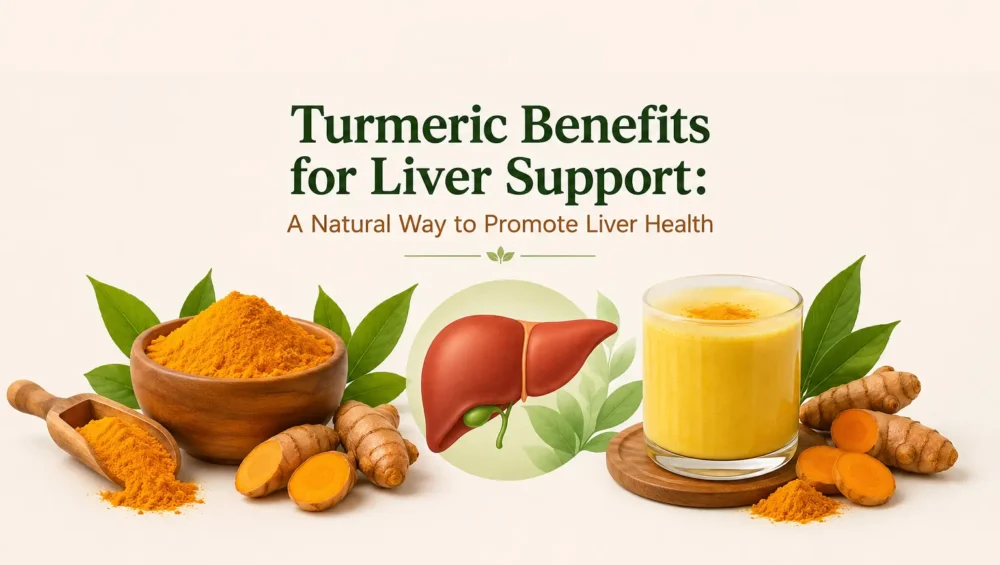
Turmeric Benefits for Liver Support: A Natural Way to Promote Liver Health

The liver is one of the most vital organs in the human body, it is an organ which plays an essential role in removing toxins from the body and also helps in digestion. It stores important nutrients and supports the metabolic process in the body. Because of unhealthy eating, excessive alcohol consumption, obesity and environmental factors there has been an increase in the cases of liver related problems and people are searching for natural remedies to help with liver function.

Turmeric is one such popular home remedy for the liver. Turmeric is known to have great antioxidant and anti-inflammatory effects in the body. For centuries turmeric has been used in traditional medicine and consuming it in the form of turmeric water, turmeric powder or turmeric in warm milk may promote healthy liver function and improve overall well-being. 

What Makes Turmeric Good for the Liver?

Turmeric has active compound that has been identified as curcumin. This curcumin is known to have all the important healing properties of turmeric. Various researches show that curcumin can be responsible for reducing inflammation and providing protective effects against damage of liver cells and helping support in detoxification processes within the body.

The liver functions continuously in breaking down toxins and hazardous substances. Oxidation stress can damage liver cells over a period and a rich antioxidant content in turmeric may help to neutralize this oxidation and improve the overall liver function.

How Turmeric Supports Liver Health

Helps Reduce Inflammation

Chronic inflammation causes several liver diseases and curcumin in turmeric has been proven to lower down pro-inflammatory mediators, that will aid long term wellness. Reduced inflammation will in return aid liver tissue protect against damage.

Supports Natural Detoxification

One of the most widely acknowledged advantages of Turmeric uses in purification process of body. The liver works at filtering toxic from blood. Turmeric can be considered as one supplement that aids liver work in detoxifying pathways by getting rid of waste products from the body more efficiently.

Provides Antioxidant Protection

Nowadays with all the environmental pollutants, consuming too much junk food and also a poor lifestyle there is a significant increase in the oxidation stress in the body. Antioxidant compounds present in turmeric can be good support that protect body from damaging effects and liver is no exception to this rule.

Supports Healthy Fat Metabolism

Accumulation of fat in the liver has been increasingly noted worldwide, therefore balanced diet, weight management and the use of Turmeric may benefit the body by promoting a healthy metabolism of fats.

Turmeric Water for Liver Support

For a good start to your day, try starting it with drinking Turmeric water.Turmeric. Mix it with some warm water, and take it in the morning on an empty stomach, for best effects.

Benefits include:

  • Provides hydration
  • Contains important antioxidant compounds
  • Helps in digestion
  • May boost overall well-being

Simple turmeric water recipe:

  • Boil one glass of water.
  • Stir in ½ a teaspoon of turmeric powder.
  • Stir well.
  • This mixture is best consumed in the morning prior to eating.

 A small amount of black pepper can also be added in to boost curcumin absorption.

How to use turmeric powder?

Turmeric Powder the simplest approach of all for incorporating this spice into your food. Sprinkle some turmeric powder into soups, curries, smoothies, drinks and healthy foods. It is believed that potential benefits may include:

  • Supports gut health
  • Offers protection with antioxidants
  • Promotes a healthy inflammatory response
  • Supports liver wellness

Choose a pure turmeric powder, free of additives or fillers.

Turmeric Milk for Liver health.

An extremely popular home remedy, known as the “golden milk”. A combination of milk heated, with the spice and other ingredients, like black pepper and cinnamon, is usually referred to as turmeric milk.

turmeric milk benefits

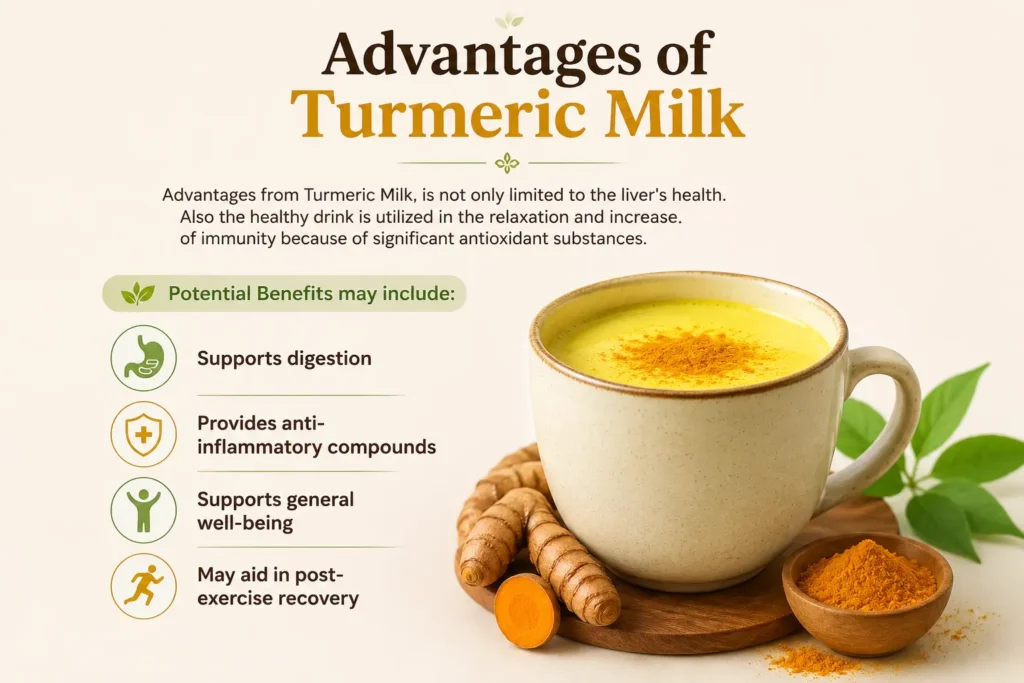
Advantages of Turmeric Milk

Advantages from Turmeric Milk, is not only limited to the liver’s health. Also the healthy drink is utilized in the relaxation and increase of immunity because of significant antioxidant substances.

Potential Benefits may include:

  • Supports digestion
  • Provides anti-inflammatory compounds
  • Supports general well-being
  • May aid in post-exercise recovery

Further Turmeric Milk Benefits

Most people who drink turmeric milk prefer it as part of their bedtime routine. Several turmeric milk benefits have been cited that may help with sleep and overall relaxation. Since liver cell regeneration is a very important part of recovering the liver and health as a whole, drinking this beverage before bedtime could be extremely beneficial.

Simple Turmeric Milk Recipe: 

  • 1 cup warm milk
  •  teaspoon Turmeric
  • Pinch of black pepper
  • Optional Honey

Combine ingredients and enjoy warm.

Can Turmeric Help with Fatty Liver?

Fatty liver symptoms develops when too much fat builds up in liver cells. It often occurs with a poor diet, obesity, insulin resistance and physical inactivity. Turmeric cannot be classified as a medicine but is a common alternative home remedy discussed for fatty liver disease due to its anti-oxidant and anti-inflammatory properties. In some research curcumin is believed to promote liver enzymes within the healthy range, as well as decrease oxidation related stress in relation to build up of fat. However, in reality the best approach to managing fatty liver is through:

  •  A balanced diet
  •  healthy body weight
  •  A physical activity regimen
  •  Limiting alcohol
  •  blood glucose control

Turmeric can be included in the diet as an aid to these beneficial changes in lifestyle.

Other Turmeric Uses for General Well-being:

Apart from Turmeric Benefits for Liver Support there are a variety of everyday uses for this bright yellow spice:

  • Helps digestion
  • Supports immune function
  • Aids in joint pain relief
  • Supports skin health
  • Maintains general health

Because of how versatile turmeric is it can be included easily in daily diet.

Conclusion

Many turmeric benefits for liver support make the spice a necessary component of your daily routine. Whether you take turmeric water, supplement your food with turmeric powder or drink turmeric milk for its benefit the golden spice is a natural way to improve overall well-being. It is important to note that turmeric milk benefits, traditional fatty liver remedies that turmeric can provide have made it popular for health-conscious people. When taken with a well-balanced diet, exercise, adequate hydration and rest, turmeric may offer an natural boost for your liver. 

FAQ’S

 If you have liver disease then you may take the amount of turmeric however you should be advised by your doctor before you start to consume too much or supplements. Turmeric is known to support an unhealthy liver but will not cure it.

 There is no such time of day as being the ‘best time’ for turmeric in the form of effects upon your liver. People who consume turmeric either take a warm glass of turmeric water in the mornings or turmeric milk in the evenings. It will make no difference to the actual effects you receive you will just feel more refreshed in the time of day you chose.

 The positive qualities of turmeric have been recognized for centuries now and they have always been believed to boost the body’s digestive system. It improves digestion that if in not working correctly will have an effect and therefore a detriment to your liver.

 Practically none. Turmeric both fresh and powdered contain exactly the same good stuff. You can consume fresh turmeric in the form of tea, add it to soup or a smoothie or make your own ‘health’ drink and actually how you take it really depends on how you feel it is having the best impact on your body.

You can enhance the benefits of turmeric on your liver by implementing the following habits in your life: adequate rest, being the correct weight, the right type of foods and exercise. With turmeric to the mix of the aforementioned lifestyle choice, your liver’s foundation of health is absolutely spectacular. 

habits that damage your liver

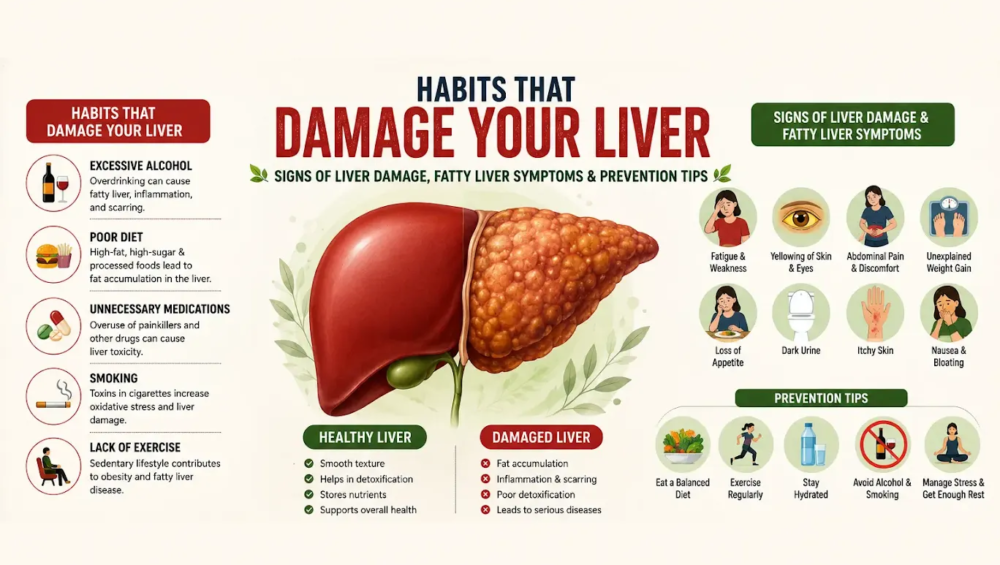
Habits That Damage Your Liver: Signs of Liver Damage, Fatty Liver Symptoms & Prevention Tips

Your liver performs more tasks than any other organ in your body. It rids your body of toxins, helps to digest fats, stores vitamins, controls metabolism, and a number of other tasks too! Certain things that we do each and everyday, could actually be slowly destroying our liver .There is an increased awareness regarding Fatty Liver, Fatty Liver Disease and other type of Liver Disease in today’s world, hence it has become crucial to look after your liver. People aren’t aware of the fact that their daily habits are leading to Liver Damage, Liver Inflammation, Fibrosis, Cirrhosis and even Liver Cancer .Knowing the Early signs of liver disease, symptoms of Liver Damage and ways to have a healthy liver can help you maintain a healthy liver over many years .In this guide we will cover about the most common Habits that damage your liver and how to improve your Liver health naturally. 

What does “liver-damage” mean?

Let us briefly look at what constitutes damage, before discussing these habits:

It is possible for liver cells to accumulate fat, to become inflamed, and then to develop scar tissue (fibrosis), eventually leading to scarring that may be so severe (cirrhosis), or can, in some instances, lead to liver cancer .Damage in its earliest forms, such as fat deposition within the liver, is entirely reversible; it is certainly possible to return the liver back to a state of healthy regeneration .Once functional cells have been replaced by scar tissue, the organ loses a significant amount of its regenerating capacity, making treatment much more problematic. The habits we will focus on are those to ‘cut the risk’ early and give the liver an excellent chance to regenerate: 

Habit 1: Excessive Alcohol Consumption

 Why is it harmful?

Ethanol is metabolized by the liver and can lead to oxidation into acetaldehyde (a toxic substance) as well as oxidative stress, inflammation, and fat accumulation in the liver cells, leading to alcoholic liver disease over a prolonged period of time. 

 Key Facts

  • Light to moderate use becomes even more hazardous when combined with other factors such as obesity and fatty liver.
  • Drinking nothing, or very little alcohol is often the most beneficial single step. 

Protective action

  • Drinking alcohol? Try cutting back, or quitting altogether.
  • Your doctor can check your liver enzymes (ALT and AST) regularly if you regularly drink. Also
  • skip the binge drinking! Pairing moderate drinking with an active, healthy life is   the way to go. 

Habit 2: Poor Diet – High Sugar, Processed Foods & Fructose

Why is it harmful?

So if you’re drinking a lot of sweet things, or eating foods that are highly processed, or have a high amount of fructose, your liver’s goal becomes turning all that extra sugar into fat. This causes what’s known as fat-infiltration, otherwise called steatosis, and can cause your liver to get inflamed. 

Key Facts

  •  NAFLD – a term for fatty liver not caused by drinking-is rapidly growing across the world, and for good reason: lifestyle and dietary choices.
  • The reason that the intake of simple sugar and fructose can lead to an increased load of fat in the liver is clear.

Protective action

  • Choose whole-foods: fruits, vegetables, whole grains rather than sugary snacks.
  • Replace soft drinks / sweetened beverages with water or unsweetened drinks.
  • Be mindful of portion size and avoid “empty calories”.

Habit 3: Obesity and Sedentary Lifestyle

Why is it harmful?

It causes a person to have excessive weight, especially fat around the tummy, sedentary behavior, accumulation of fats in the liver and eventually develops metabolic issues like insulin resistance 

Key Facts

  • Losing even 5% to 10% of body weight can decrease fat levels in the liver and also reduce its inflammatory processes.
  •  Exercise also decreases inflammation and increases the metabolic rate.

Protective action

  • Most days, engage in at least 30 minutes of moderate exercise.
  • Try slow weight loss if overweight (don’t try great dieting which puts stress on liver).
  • Cut down on your sitting time and include regular walking and leg moving break. 

Habit 4: Unnecessary or Improper Use of Drugs, Supplements & Over-the-counter Medications

Why is it harmful?

A lot of drugs (including quite a few which are freely available), herbal preparations and non regulated ‘natural’ products are toxic to the liver – in particular when used without professional supervision or used with alcohol. 

Key Facts

  • We need to remember drugs like paracetamol which is [b]available without prescription and if used in overdose [causes] fulminant hepatic failure.
  • Be cautious – Herbal supplements are not always safe to the liver, there could be dangerous levels. 

Protective action

  • Take medications strictly as directed, read label. Do not self-medicate.
  • Let your doctor know if take any supplements or herbal medicines.
  • Do not combine alcohol with medications.

Habit 5: Frequent Use of Obesogenic Fats, Red/Processed Meats & Saturated Fats 

Why is it harmful?

Consumption of a diet rich in saturated fatty acids and high levels of red and processed meat is associated with greater fat content, inflammation and risk of NAFLD. 

Key facts

  • Pan has been associated with Metabolic Dysfunction as well as with liver disease as well.
  • The liver really troubles with an abundance of nutrients and “bad fats” 

Protective action

  • Lean proteins: fish, poultry, beans.
  • Instead of caving in to unhealthy red/processed meats, opt for alternatives which are a little bit more health friendly.
  • Choose healthier fats such as olive oil, nuts or seeds instead of the saturated animal-fats.
  • Be sure to have a healthy and balanced diet. include plenty of fibre/vegetables or any plant based foods. 

Habit 6: Skipping Meals, Irregular Eating Patterns or High Late-Night Eating

Why is it harmful?

Poor eating habits that leading to irregular eating patterns, bregg breakfast, having large fatty meals during dinner time can influence the metabolism, cause up dress in blood sugar levels and liver’s production of fat and over stress liver function. 

Key facts 

  • Timing is crucial-both the liver follows circadian rhythms and loading it with metabolic demands.
  • Putting away haphazardly designed, excessive and sporadic dinner puts lots of psychological burden on your metabolism. 

Protective action

  • Provide a variety of regular, frequent, and balanced meals for the day.
  • Enormous. Binge at the bill of right! lunch, the, capping up your day.
  • In less than a few minutes you could be scarfing down some filling, hearty, and basic breakfast instead of forgoing.
  • Consume a diet of more energy at breakfast and lunch for example when trying to eat more energy diets choose to eat such foods as wholegrain lean protein and fibre. 

Habit 7: Exposure to Toxins – Environmental, Workplace and Household Chemicals

Why is it harmful?

The Liver: It is the body’s primary detoxifying organ. Can come under stress from industrial chemicals and pesticides, solvents and certain household toxins. 

Key facts

  • Any chemicals such as vinyl chloride have been linked to Liver fat deposition and injury.
  • There are all sorts of day-to-day toxins that we don’t even realize we’re ingesting that can build up over time: 

Protective action

  • Avoid using household chemicals, insecticides and solvents in enclosed areas and should be used with protection.
  • Wash your produce to lower the risk of pesticide poisoning.
  • Special precautions must be taken if you handle chemicals.
  • Do not self-medicate with unauthorized “body cleanses” or “toxins removal” dietary supplements that could overload your liver.

Habit 8: Poor Sleep, High Stress and Chronic Inflammation

Why is it harmful?

Liver Function-Related to Sleep/wake cycle and stress/inflammation burden. Sleep disturbance, Stress, disturbance of Circadian Rhythm increases inflammation and storage of Liver fat

Key facts

  • Liver regenerates and detoxifies during periods of rest: sleep disturbance interrupts it.
  • The chronic stress increases the cortisol level, adds to the metabolic aberration and finally results in the subsequent liver syndrome. 

Protective action

  • Sleep 7-9 hours on a good quality sleep.
  • Incorporate stress-management techniques: mindfulness, moderate exercising, relaxation.
  • Don’t consume heavy food, intoxicant or create based caffeine late into the day.
  • Follow a regular sleep-wake schedule (i.e. Go to bed/wake up at relatively consistent times).

Best Natural Supplements for Liver Health

Many people use natural liver health supplements to support overall liver function along with healthy lifestyle habits. These supplements often contain herbal ingredients like milk thistle, turmeric, dandelion root, and antioxidants that may help protect liver cells, reduce oxidative stress, and support natural detoxification processes. While they can be beneficial for liver wellness, they should not replace a balanced diet, exercise, or medical treatment. The best results are seen when natural supplements are combined with long-term healthy habits and regular medical check-ups.

Conclusion 

Your liver is hardworking 24/7. It filters, repairs and keeps you alive, so you don’t have to. But when we develop damaging patterns of behaviour, we shift the balance of possibility: from protection to harm; from strength to vulnerability. At RPS Hospital, we are here to help you identify these patterns, implement viable lifestyle changes and protect your liver health. If the patterns listed above sound familiar, or if you are concerned about your liver health, please contact us – we will help you make significant lifestyle changes.

FAQ’S

Stage 1- Symptoms are often go unrecognised, until it’s progressed; Fatigue, some discomfort in right upper quadrant, slight elevation of liver enzymes. Stage 2- Symptoms are :

  • Jaundice
  • Weight gain due to Ascites
  • Easy bruising 

Yes – even in established disease if the damage is early (fatty liver or mild inflammation) then alterations in lifestyle can lead to reversal or at least large improvements, which include weight loss, diet, alcohol, exercise. 

There is no safe minimally risky alcohol threshold in the aggregate it exists even in moderate consumption particularly if the individual has other risky behaviors (overeat, obese, viral hepatitis) expert advice: abstain/minimize. 

If you have non-alcoholic fatty liver disease (now more commonly named metabolic dysfunction associated steatotic liver disease) then you do need to change the underlying lifestyle habits: weight, diet, activity, sugar. Alcohol, toxins, smoking all increase your risk and should be eliminated or reduced if possible. Source: (NIH)

Inquire to your healthcare provider about: Lab work for liver function tests (ALT,AST, bilirubin), ultrasound of liver ( as appropriate), screening for Hepatitis B & C (as appropriate). Discuss your risk factors/risk behaviors with your provider. 

fatty liver symtoms

 Fatty Liver Symptoms in Women

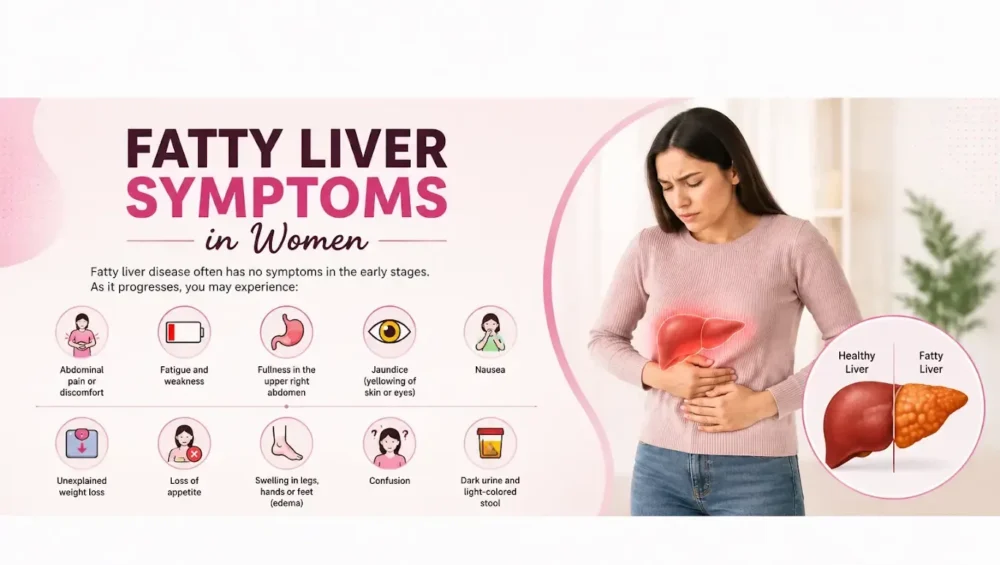
Fatty Liver Disease is the most common type of liver disease worldwide. Excess fat that collects in liver cells causes fat deposition in the liver is known as fat liver. In the early stages, there may be no symptoms. This is one of the reasons it is often referred to as a silent liver disease. Women can present with different Fatty Liver Symptoms than men due to the hormonal changes that happen during pregnancy in the first and third trimester, menopause and PCOS. Liver is well protected by the female hormones like estrogen and similar ones. A change in hormone level can increase the risk of liver disease. Since the fatty liver disease goes untreated, liver inflammation, liver fibrosis, liver cirrhosis and liver failure occurs, it is important to diagnose it early. Recognizing Fatty Liver Symptoms in Women would help find the same and treat it before it develops.

Common Fatty Liver Symptoms in Women

A lot of women exhibit no symptoms in their early years. Even so, there are nuances that may be ignored.

Fatigue- early symptoms of fatty liver disease. The lack of sleep does not guarantee arousal for women.

Symptoms may include:

  • Low energy levels.
  • Difficulty concentrating.
  • Reduced physical performance.
  • Feeling tired throughout the day.

Abdominal Discomfort or Pain- Some women can experience a little pain in their abdomen or tummy, especially in the right hand upper side of the abdomen where the liver is situated. This pain might feel like this:

  • Dull, aching pain
  • Pressure under the ribs
  • Slight tenderness 

Upper right abdominal fullness-  A swollen liver will also very frequently be associated with a feeling of fullness or pressure on the right side and in the upper-right quadrant of the abdomen. 

Unexplained fatigue- An overwhelming number of women complain of feeling physically weak and lethargic even while otherwise generally healthy. This fatigue affects women’s abilities to get through the day as well as exercise.

 Loss of appetite-  Appetite loss  will often begin to occur as liver function decreases. Many women may complain of little to no interest in food, accompanied by sometimes, occasional nausea. 

Advanced Fatty Liver Disease Symptoms

Once the disease has advanced into a more severe form of liver disease, the symptoms will become more apparent and may represent that the liver is damaged to a significant degree.

Jaundice- Jaundice can occur due to bilirubin being present in the bloodstream in larger than  normal quantities.

Symptoms may include:

  • A yellow appearance of the skin
  • Yellow eyes
  • Dark colored urine 

Swelling in Legs and Feet (Edema)– When the liver fails to regulate the amount of fluid the body contains it results in Edema.

 The woman will notice:

  • Observe swollen legs
  • Observe swollen feet
  • Observe swollen hands
  • Ring will become tight, shoes will fit poorly 

Ascites (Fluid in the Abdomen)Ascites refers to fluid build up abdominal.

The symptoms of ascites can be:

  • Enlarged abdomen
  • Quickly expanding abdomen
  • Shortness of breath because of the distended abdomen 

Nausea and Vomiting- When the liver isn’t working well it can set off nonstop nausea and vomiting, and sometimes that just keeps going for a while, like a long time. In some situations, a person may also notice unplanned weight loss even though there hasn’t been any real change in what they eat. If the liver gets badly injured it can lead to portal hypertension, and that may interfere with how the body helps blood clot properly, and then internal bleeding can occur. Signs that suggest internal bleeding might include black stools, vomiting blood, and easy bruising, and each one of those really needs swift medical attention.

Confusion and Brain Fog- Too many toxins in the brain may be the cause of hepatic encephalopathy

This may cause:

  • Confusion
  • Memory loss
  • Brain fog
  • Loss of focus

Dark Urine and Pale Stools-

  • Passing dark-colored urine
  • Light-colored stools
  • Digestive issues 

The Skin becomes Itchy- This occurs because the bile salt has built up in your blood. Spider-Like Blood vessels on the skin. There are very small red blood vessels called Spider Angioma that appear on the chest, neck, arms and on the face. 

Fatty Liver Disease and Menstruation Symptoms

The liver is also involved in metabolising many hormones and some women with impaired liver function can have menstrual irregularities.

  • An irregular period- Some women with fatty liver disease suffer irregular periods due to changes in hormones

  • Heavy periods- Some women may experience heavy periods because they have an imbalanced production of hormones.

  • Missed periods- In cases of severe metabolic dysfunction or liver disease, some women is missed periods.

Hormonal Imbalance and Liver Health Connection- Liver performs an essential role in the catabolism of estrogen.

This could cause:

  • Hormonal imbalance
  • Ovarian hormonal imbalance
  • Changes in fertility
  • Menstrual symptom 

Fatty Liver Symptoms in Menopause

Why the risk of disease increase after menopause- Studies show that postmenopausal women have an increase risk of getting fatty liver disease.

The importance of estrogen in liver protection- A sufficient amount of estrogen level  has proven to protect normal liver cells. The loss of estrogen at menopause decreases the level of protection to the liver.

Belly Fat, Insulin Resistance and Liver Disease- In the post-menopausal period, a good number of women end up with various risk factors that can really raise the odds for fatty liver disease. It often shows up around weight gain, and in particular when the waist area fat becomes more noticeable, plus it goes hand in hand with higher insulin resistance, higher triglycerides , and then some broader metabolic well-being issues. When all these elements stack together, they tend to push the chance of fatty liver upward , fairly quickly, in a noticeable way.

Meanwhile, typical menopause symptoms—like hot flushes, night sweats, vaginal dryness, and that slow creeping weight gain—are also frequently brought up. So if someone is thinking about hormone replacement therapy (HRT) after menopause it s wise to talk with her physician first, just to make sure she figures out whether anything in her own situation could sway liver health, or not.

Acute Fatty Liver of Pregnancy (AFLP)

What is AFLP?

AFLP, the other name for Acute Fatty Liver of Pregnancy, is an uncommon but life-threatening liver condition which typically begins in late pregnancy. Although rare it is a medical emergency due to risk of grave maternal and fetal implications.

Risk factors for AFLP include: 

  • First pregnancy
  • Twins pregnancy
  • Pregnancy of a male child
  • Abnormalities in fat metabolism.

Acute Fatty Liver of Pregnancy (AFLP) Signs & Symptoms

Acute Fatty Liver of Pregnancy (AFLP) has a handful of main signs and symptoms that can show up fast then sort of slide downhill even faster after that. Severe nausea is often one of the first things people notice, and it usually keeps going, it doesn’t really ease up even after meds are given. This is commonly followed by ongoing vomiting that just doesn’t settle, even with proper treatment. A lot of women also mention abdominal discomfort, especially around the upper part of the belly. Jaundice can also appear, so the skin and the whites of the eyes can look yellowish. On top of that, some describe a steady, almost restless urge to drink, along with clear dehydration signals, like dry mouth or reduced output. As liver function starts to decline , confusion, trouble focusing, or that mental fog feeling can creep in, so thinking clearly becomes harder. Because this is such a serious condition, these symptoms really do need immediate medical attention.

Complications of AFLP– If AFLP is left untreated, the outcome is:

  • Liver Failure
  • Kidney Failure
  • Lung Failure
  • Infection

Hemorrhage Pregnancy complications AFLP may also accompany preeclampsia, and cholestasis of pregnancy 

Risk Factors for Fatty Liver in Women

There are several risk factors that contribute to fatty liver disease are:

Obesity and Overweight- One of the main risk factors of fatty liver disease.

Type 2 Diabetes– The blood sugar and resistance to insulin leads to accumulation of fat.

 High cholesterol and triglyceride– High blood fats including cholesterol and triglyceride levels .High risk of liver damage.

Metabolic syndrome

  •  high blood pressure,
  •  high blood sugar, 
  •  obesity and abnormal
  •  blood fats.

Alcohol intake– High intake of alcohol may lead to alcoholic fatty liver disease.

PCOS(polycystic ovary syndrome)– women with polycystic ovary syndrome tend to be insulin resistant and susceptible to higher risk of fatty liver disease.

Post-menopause– Hormonal changes in post-menopausal women lead to higher risk.

Turner’s syndrome– Liver abnormalities are more commonly seen in women with Turner’s syndrome.

Tamoxifen intake- Prolonged tamoxifen use for breast cancer treatment.

Other risk factors also present with fatty liver disease are:

  • Obstructive sleep apnea
  • Hypothyroidism
  • Hypopituitarism
  • Hypogonadism
  • Hispanics
  • Hypothyroidism
  • Hypopituitarism
  • Hypogonadism

How Fatty Liver Disease Is Diagnosed

  • Blood tests– blood test includes the measurement of liver enzymes as well as checking your overall health.

  • Liver function tests– These are blood tests carried out to check how well your liver is working and to diagnose the presence of inflammation.

  • Ultrasound– Usually the first imaging test undertaken for detection of fatty liver disease.

  • Fibro Scan– These tests measure the stiffness of your liver and to determine whether there is evidence of fibrosis.
  • MRI– This type of scan offers a detailed image of the liver tissue.

  • Liver Biopsy– A biopsy might be needed if diagnosis is unclear, and to stage the degree of illness.

Treatment for Fatty Liver Symptoms in Women

While there is no cure, treatment can halt or reverse disease progression.

Weight Loss : Weight loss is an important and effective treatment.

Losing 7–10% of body weight has the potential to help the liver.

Good Eating Habits : Provide nutrition and healthy foods rather than poor quality, fast foods and added sugars.

Exercise : This kind of physical activity can aid your body to burn the liver fat and can improve your insulin resistance. 150 minutes of moderate activity per week is the recommended target.

Alcohol Restriction : Aspirating of alcohol is strongly advised.

Medications : Certain patients may benefit from:

  • Vitamin E
  • Oral diabetes medications
  • Resmetirom (Rezdiffra)

Best Foods for Fatty Liver

A liver-friendly diet may include:

Leafy Greens:

  • Spinach
  • Kale

Fenugreek leaves:

  • Fruits
  • Apples
  • Berries
  • Citrus fruits

Whole Grains:

  • Oats
  • Brown rice
  • Whole wheat

Lean Protein:

  • Fish
  • Chicken
  • Lentils
  • Beans

Nuts and Seeds:

  • Walnuts
  • Almonds
  • Chia seeds

Healthy Fats:

  • Olive oil
  • Avocados
  • Fatty fish

Foods to Avoid

To support liver function improvement, limit:

Sugary Drinks:

  • Soft drinks
  • Energy drinks
  • Sweetened juices

Processed Foods:

  • Packaged snacks
  • Fast food

Refined Carbohydrates:

  • White bread
  • White rice
  • Pastries

Fried Foods:

  • Deep-fried snacks
  • Processed fried meals

Excess Alcohol: Alcohol can accelerate liver disease progression.

Prevention Tips

Women can reduce their risk through healthy lifestyle modifications.

  • Maintain a healthy body weight
  • Exercise regularly
  • Follow a healthy eating plan
  • Control blood sugar
  • Manage cholesterol levels
  • Avoid excessive alcohol
  • Get regular health checkups
  • Address sleep disorders
  • Seek nutritional guidance from a nutritionist

When to See a Doctor

Consult a doctor if you experience:

  • Persistent fatigue
  • Abdominal pain
  • Jaundice
  • Unexplained weight loss
  • Swelling in legs or abdomen
  • Confusion
  • Dark urine
  • Pale stools

In the event of signs of liver failure or internal bleeding, consult your doctor immediately!

Herbal Medicines and Liver Health Support

It is also important to understand the role of herbal medicines in supporting liver health in women with fatty liver symptoms. Certain herbal remedies such as milk thistle, turmeric, and green tea extract are traditionally believed to help improve liver function, reduce inflammation, and support detoxification processes. However, these herbal medicines should be used with caution and never considered a substitute for medical treatment or lifestyle changes. Since the effectiveness and safety of herbal products can vary, it is always recommended to consult a healthcare professional before starting any herbal medicines for fatty liver management.

Conclusion

This condition affects more and more women and in most cases the beginning stages are symptom free. Even though there is little to show the symptoms, fatigue, abdomen pain, and weakness in and out of eating are nothing to shrug off. If the condition progresses, other symptoms such as jaundice, ascites, edema,portal hypertension, liver fibrosis, cirrhosis and liver failure will show up.

Women have several risk factors such as: PCOS, menarche, hormonal imbalances, intra-uterine liver diseases, and other metabolic diseases. Thankfully with prompt action, women can get better. To recover and or stop the progression of this liver disease, women must maintain a normal weight, eat healthily, exercise frequently, and keep their cholesterol and blood sugars down. Any of the above listed conditions present as signs to see a physician or a liver specialist. 

FAQ’S

 Fatigue, minor abdomen pain, weakness, loss of appetite are first signs. Some women have no symptoms for years.

 Yes, liver processes hormones; hence, impaired function may cause hormonal imbalance and irregularities in menstruation.

In most instances, fatty liver is a reversible disease, and early diagnosis can allow it to be reversed.

 Yes, since after menopause women experience a decrease in the amount of estrogen hormones. They are then at greater risk of insulin resistance and accumulation of fats in the liver.

 Yes women with PCOS are at increased risk of fatty liver disease due to insulin resistance and other health related problems.

 Leafy greens, fruits, whole grains, lean protein, seeds, nuts and healthy fats are liver-friendly foods that can reverse the condition.

 Fatty liver can reverse in just months, some can take years depending on the condition and treatment given.

 While at initial stages, it might be relatively harmless; unattended fatty liver can lead to fibrosis, cirrhosis and other complications including liver failure.

 Yes, impaired liver can lead to changes in hormones, which in turn, can cause irregular or delayed periods, sometimes no periods, excessive bleeding, etc.

 It’s advised to see a liver specialist if the symptoms persist or liver test reports and liver scan show damage like cirrhosis or fibrosis.

What is Blood Sugar

What is Blood Sugar?

The Blood Sugar is a group of metabolic disorders characterized by a high amount of glucose in the blood. Either due to the pancreas not producing enough insulin or the body not being able to respond to the insulin properly. There are two major forms, which are classified as Type 1, which affects the pancreas’s ability to produce adequate insulin and Type 2, in which tissues become resistant to insulin. It has no known cause or cure. It affects people of all ages and potentially all ages. Its forms are generally chronic and lifelong. Most forms are manageable but manage it with either medication or lifestyle changes. 

Glucose is a simple sugar, also known as a carbohydrate which comes from the foods we eat or drinks. It gives the human body energy for it to function well. Glucose moves throughout the body in the bloodstream.

However, for glucose to move in the bloodstream to the cells, there is a special key that helps that process happen. It is known as insulin and the organ that produces insulin is called the pancreas. If the body does not have enough of this or cannot use it properly, then the glucose builds up in the body causing High Blood Sugar, also known as hyperglycemia

If someone has that kind of problem over time, then it can develop serious health problems such as heart disease, nerve damage or even eye issues.

The technical name for diabetes is diabetes mellitus. A different disorder also once bore the name diabetes, although that name is now considered obsolete. The full name of diabetes insipidus was diabetes insipidus in contrast with the full name of diabetes mellitus sometimes terms diabetes mellitus is referred to as “sugar diabetes” to distinguish it from the rarer disease diabetes insipidus.

What are the types of Blood Sugar?

 type 2 blood sugar : your body either resists the effects of insulin – or doesn’t produce enough insulin insulin resistance. This is the most common type of diabetes usually in adults but also in children.  When there is pre-diabetes it is what happens before you get type 2 diabetes. At this point your blood glucose levels are higher than normal but not high enough to be diagnosed with diabetes.

Type 1blood sugar : is when your immune system has been attacking the insulin-producing beta cells in your pancreas, it isn’t known why this happens. This form of diabetes accounts for 10 percent of people who have diabetes and is more common with children, young adults but can happen at any time.

How Common is Blood Sugar ?


Blood sugar  is common. In fact, 37.3 million people in the United States have diabetes, which is about 11% of the whole population. 90% to 95% of diabetes cases have type two diabetes. 

In 2019, 537 million adults around the world had diabetes. By 2030, that number is projected to rise to 643 million and by 2045 that number is projected to be 783 millio

Symptoms and Causes

Blood Sugar Symptoms

Symptoms of diabetes include

  • Increased thirst (polydipsia) and dry mouth.
  • Frequent urination.
  • Fatigue.
  • Blurred vision.
  • Unexplained weight loss.
  • Numbness or tingling in your hands or feet.
  • Slow-healing sores or cuts.
  • Frequent skin and/or vaginal yeast infections.

It’s important to talk to your healthcare provider if you or your child has these symptoms.

Additional details about symptoms per type of blood sugar include:

  • Type 1 diabetes: The symptoms of T1D can appear rapidly – in a matter of weeks or months. Sometimes, you’ll experience more symptoms that show another serious condition called diabetic ketoacidosis (DKA). DKA is life-threatening and requires immediate medical attention. The symptoms of DKA include vomiting, abdominal pain, fruity-scented breath and rapid breathing. 
  • Type 2 diabetes and prediabetes: You might not exhibit any noticeable symptoms – especially because they develop gradually. A regular checkup with your healthcare provider may reveal a high blood glucose reading before you even sense the symptoms. Another sign of prediabetes is acanthosis nigricans, which causes patches of darkened skin in specific areas of the body. 
  • Gestational diabetes: Generally, you won’t observe any symptoms. However, if you have gestational diabetes, your healthcare provider will typically conduct a test during the period between your 24th and 28th week of pregnancy.

Symptoms of Causes include

  1. Bad Eating Habits – Foods that have too much sugar, carbohydrates, and bad fats will rapidly cause a spike in the amount of blood sugar. It is challenging for the body to regulate glucose when people eat a lot of sugars, sugary drinks, fast food, white bread, and snacks. Overeating as well as irregular eating times will lead to blood sugar spikes.
  2. Lack of Physical Activity – A sedentary lifestyle lowers the efficiency of using insulin in the body. The inactive muscles require less glucose, meaning that more sugar remains in the blood. People who do not exercise regularly and spend their time sitting increase the risks of high blood sugar and insulin resistance.
  3. Emotional Stress – It can also be said that stress can influence blood sugar directly. When an individual experiences stress, the hormones, like cortisol and adrenaline, activate the production of glucose in the liver. This means that stress can affect one’s ability to manage their blood sugar level.
  4. Insulin Resistance – When insulin is secreted, the glucose is absorbed by the cells. However, there are certain cases when the pancreas does not secrete adequate amounts of insulin. It can also happen that the body’s cells become resistant to the secretion of insulin and fail to absorb the glucose in the body’s system.
  5. Side Effects of Drugs – There are drugs which can influence the glucose level in the body and increase the blood sugar level. Such medications as steroids, anti-hypertensive medications,  immunosuppressive drugs, and some hormone therapies might alter the effect of insulin on the body or promote more glucose formation in the liver.
  6. Health Problems and Diseases – A number of illnesses, including fever, disease, flu, and any other health issues, can cause a temporary elevation of the glucose level in the blood. When an individual gets sick and starts battling the disease, the body is exposed to certain stress hormones that make it hard for insulin to be effective.

Factors That Affect Blood Sugar Levels

Nutritional Influences

Carbohydrates: The main contributor to blood glucose levels. Consuming large amounts of simple or refined carbohydrates (such as sugary beverages, white bread, and candy) leads to quick increases in blood sugar levels.

Dehydration: Insufficient water intake elevates the concentration of glucose in your bloodstream, resulting in higher readings. 

Hormones and Bodily Processes

Insulin Resistance & Deficiency: In the case of diabetes, the pancreas may not produce sufficient insulin, or the cells in the body may become unresponsive to it, a condition known as “insulin resistance,” resulting in elevated glucose levels in the bloodstream.

The “Dawn Phenomenon”: Even in the absence of diabetes, there is a natural surge of hormones in the early morning that prepares the body for waking, which can lead to spikes in blood sugar levels.

Stress and Illness: During periods of stress, injury, or illness, the body secretes hormones such as adrenaline and cortisol, which stimulate the liver to generate and release additional glucose.

Lifestyle and Medication

Physical Activity: Engaging in exercise enables muscles to utilize blood sugar for energy, thereby contributing to a reduction in blood sugar levels.

Medications: Certain medications, particularly steroids and some immunosuppressants, have the potential to elevate blood sugar levels.

Sleep: Inadequate sleep can negatively impact the efficiency with which the body utilizes insulin.

What are the complications of high blood sugar?

The complications of high blood sugar levels are typically classified into two main categories: chronic, which refers to long-term damage resulting from elevated blood sugar, and acute, which pertains to short-term emergencies triggered by critically high or low blood sugar levels. Prolonged periods of uncontrolled blood sugar can lead to stress on organs, nerve damage, and the deterioration of blood vessels.

Management and Treatment

How is Blood sugar managed?

Effective management of blood sugar level depends on a multifaceted approach that includes a well-balanced diet, consistent physical exercise, weight control, and the use of medication. The primary objective is to maintain blood glucose level within a healthy target range to avert potential complications.

The four main aspects of managing diabetes include

Healthy Eating 

Diet serves as the cornerstone for managing blood sugar levels. Concentrate on achieving a balance in your meals by incorporating high-fiber carbohydrates food, lean proteins, and healthy fats, which can help to slow down digestion and avert spikes in blood sugar.


Portion Management: Employ techniques such as the plate method, which involves filling half of your plate with non-starchy vegetables, to regulate carbohydrate consumption.

Hydration: Choose water over sugary sodas or juices.

Regular Physical Activity

Physical activity aids in the utilization of glucose by your muscles for energy and enhances the sensitivity of your body to insulin.

  • Strive to engage in a minimum of 150 minutes of moderate-intensity aerobic activities, such as brisk walking or swimming, each week.
  • Additionally, include strength-training exercises on at least two days per week. 

3. Blood Glucose Monitoring

Tracking your blood sugar levels provides real-time feedback on how specific foods, medications, and activities affect your body.

  • Utilize a Continuous Glucose Monitor or a traditional finger-prick meter to check your levels as directed by your healthcare provider.
  • Record your readings to spot trends and adjust your routine when necessary.

Medication Management

  • For numerous individuals, modifications in lifestyle by themselves are insufficient to maintain blood sugar levels within the desired range.

    It is essential to consistently adhere to the prescribed medications (including oral pills or insulin) precisely as instructed by your healthcare provider.
  • Do not miss any doses or modify your treatment regimen without prior consultation with your physician.

conclusion

The  blood sugar plays a vital role in keeping the body active, healthy, and energized. It provides fuel for the brain, muscles, and organs, helping the body perform everyday functions properly. Maintaining balanced blood glucose levels is important because both high and low sugar levels can affect overall health and may lead to serious complications over time.

A healthy lifestyle that includes balanced meals, regular exercise, proper sleep, hydration, and stress management can help control normal blood sugar levels naturally. Understanding how glucose works in the body also helps in preventing conditions like Diabetes and related health problems. By monitoring habits and making smart lifestyle choices, people can support healthy blood sugar and improve their long-term well-being.

FAQ

High blood sugar can be caused by eating too many sugary foods, lack of exercise, stress, illness, insulin resistance, or conditions like Diabetes.

Common symptoms include excessive thirst, frequent urination, fatigue, blurred vision, slow healing wounds, and unexplained weight loss.

Normal fasting blood sugar levels are usually between 70–99 mg/dL. After meals, levels generally remain below 140 mg/dL in healthy individuals.

Type 1 Diabetes occurs when the body cannot produce insulin, while Type 2 Diabetes happens when the body cannot use insulin properly.

Yes, healthy eating, regular exercise, proper sleep, hydration, stress management, and maintaining a healthy weight can help manage blood sugar levels naturally.

Insulin helps move glucose from the bloodstream into the body’s cells, where it is used for energy. Without enough insulin, blood sugar levels rise.

Foods rich in fiber, lean proteins, whole grains, vegetables, nuts, and healthy fats can help maintain stable blood sugar levels.

Long-term uncontrolled blood sugar may lead to heart disease, nerve damage, kidney disease, vision problems, and other serious health complications.

People with diabetes may need to check their blood sugar daily or as advised by their healthcare provider. Regular monitoring helps maintain healthy glucose levels and prevent complications.

Fatty Liver Disease

Fatty Liver Disease: Causes, Symptoms, Diagnosis, Treatment & Prevention

Fatty Liver Disease has gotten to be one of the most common liver conditions around the world due to bad eating , need of work out, push, and expanding weight rates. This condition happens when abundance fat builds up interior the liver cells over time. Whereas little sums of fat in the liver may not be unsafe, as well much fat can lead to aggravation and long-term liver harm if disregarded. Numerous individuals create this condition gradually without realizing it since indications may not show up amid the early stages.

Modern way of life choices have incredibly expanded the number of individuals confronting Liver Health Problem nowadays. Quick nourishment, sugary drinks, liquor utilization, and physical dormancy contribute intensely to liver fat aggregation. Individuals with diabetes, corpulence, or tall cholesterol are particularly at chance. Early mindfulness is vital since convenient way of life changes may offer assistance invert the condition some time recently it gets to be serious. Keeping up sound propensities and normal therapeutic checkups can back way better liver work and generally wellness in the long term.

What Causes Fatty Liver Disease?

Several variables contribute to Fatty Liver Disease, but weight and overabundance paunch fat stay among the most common causes. When the body stores as well much fat, the liver starts collecting fat stores as well. Destitute dietary propensities such as devouring fricasseed nourishments, prepared snacks, sugary refreshments, and refined carbohydrates increment the hazard altogether. In numerous cases, individuals with inactive ways of life and negligible physical movement involvement quicker fat aggregation in the liver. Over time, this may lead to irritation and liver cell harm if not controlled properly.

Another major reason behind Liver Fat Amassing is affront resistance and sort 2 diabetes. Tall cholesterol and lifted triglyceride levels moreover put extra push on the liver. Overabundance liquor admissions harms liver cells straightforwardly and may lead to alcoholic fatty liver​ Disease. Other causes incorporate thyroid clutters, certain drugs, polycystic ovary disorder (PCOS), and uncommon pregnancy-related liver conditions. Indeed a few medicines taken for long periods may influence liver work continuously. Understanding these causes makes a difference individuals make more beneficial way of life choices and diminish future liver complications.

Early Signs and Fatty Liver Symptoms

Many individuals with  Fatty Liver Symptoms do not take note self-evident caution signs in the starting. The condition regularly creates noiselessly, and a few people as it were find it amid schedule blood tests or wellbeing screenings. Gentle weariness, shortcoming, inconvenience in the upper right midriff, and unexplained weight pick up may some of the time happen. Since these indications are common in numerous wellbeing conditions, individuals frequently disregard them until the illness gets to be more genuine. This is why customary wellbeing checkups are amazingly imperative for early conclusion and prevention.

As the illness advances, more discernible Liver Disease Symptoms may show up. These incorporate yellowing of the skin and eyes (jaundice), swelling in the legs or guts, dull pee, misfortune of craving, sickness, and determined tiredness. Progressed liver harm can too lead to perplexity, simple bruising, and serious stomach torment. Disregarding these caution signs may increment the chance of complications such as fibrosis or cirrhosis. Looking for therapeutic consideration early can offer assistance oversee the condition successfully and diminish the chances of lasting liver damage.

When Should You See a Doctor for Liver Health?

People ought to consider restorative counsel if they take note determined indications related to Liver Health, particularly weariness, stomach inconvenience, sickness, or yellowing of the skin. Numerous liver conditions stay unnoticed amid the early stages, making schedule wellbeing checkups greatly important. People who are overweight, diabetic, or devour liquor routinely ought to screen their liver work more carefully. Early location through customary screening tests may offer assistance avoid serious liver complications and make strides long-term wellbeing results significantly.

Certain caution signs show that prompt consideration for Chronic Liver Disease may be fundamental. Sudden swelling in the guts, extreme shortcoming, unexplained weight misfortune, spewing blood, or perplexity ought to never be overlooked. These side effects might flag progressed liver harm or cirrhosis. Counseling a specialist early permits legitimate conclusion and treatment arranging some time recently the condition declines. A healthcare proficient may too suggest dietary alterations, work out schedules, and standard checking to back liver recuperation and diminish illness progression.

How is Fatty Liver Disease Diagnosed?

Doctors more often than not analyze  Fatty Liver Disease through a combination of restorative history, physical examination, and research facility testing. Blood tests such as liver work tests offer assistance distinguish irregular liver chemical levels that may recommend irritation or liver stretch. These tests give vital data around how well the liver is working. In numerous cases, individuals find greasy liver amid schedule wellbeing examinations since side effects may not be self-evident in the early stages of the disease.

Imaging tests are too commonly utilized for liver function tests​ and conclusion. Ultrasound looks offer assistance identify fat buildup interior the liver, whereas CT checks and MRI looks give more nitty gritty pictures if required. In a few circumstances, a specialist may allude the quiet to a liver master or gastroenterologist for encourage assessment. A liver biopsy may be suggested to degree the degree of liver harm and affirm the seriousness of irritation or fibrosis. Appropriate determination makes a difference specialists make an successful treatment arrange for long-term liver care.

Treatment Options for Fatty Liver Disease

Treatment Option for Fatty Liver

The essential treatment for Fatty Liver Disease centers on sound way of life enhancements or maybe than drugs. Specialists regularly suggest losing overabundance weight continuously since indeed humble weight misfortune can decrease liver fat altogether. A adjusted eat less wealthy in vegetables, natural products, entirety grains, incline proteins, and solid fats underpins liver recuperation. Diminishing sugar admissions, handled nourishments, and browned things too plays a major part in moving forward liver wellbeing actually. Reliable solid propensities can offer assistance invert early-stage greasy liver conditions over time.

Regular physical movement is another vital portion of Fatty Liver Treatment. Exercises such as strolling, yoga, cycling, and quality preparing offer assistance burn overabundance fat and make strides affront affectability. Overseeing blood sugar and cholesterol levels is similarly imperative for diminishing liver stretch. Specialists too prompt maintaining a strategic distance from liquor, smoking, and superfluous drugs that may hurt liver cells assist. In numerous cases, patients who receive more advantageous day by day schedules encounter major changes in liver work and generally wellness without requiring complex therapeutic procedures.

Medicines and Supportive Care for Liver Recovery

Currently, there is no single pharmaceutical affirmed particularly for Liver Recovery Recuperation issues caused by greasy liver infection. In any case, specialists may endorse solutions to oversee related conditions such as diabetes, tall cholesterol, or corpulence. Treating these fundamental issues can offer assistance diminish extra strain on the liver. A few patients may moreover advantage from vitamin supplements or antioxidant bolster beneath appropriate therapeutic supervision. Self-medication ought to continuously be dodged since certain drugs can compound liver harm if taken incorrectly.

Supportive care for Healthy Liver Management regularly includes direction from distinctive healthcare experts. Dietitians can make personalized dinner plans that bolster progressive weight misfortune and adjusted sustenance. Work out pros may prescribe physical movement programs suited to person wellness levels. Analysts and counselors can too offer assistance individuals managing with enthusiastic eating, liquor reliance, or lifestyle-related push. Combining restorative counsel with commonsense way of life bolster regularly gives the best long-term comes about for individuals overseeing greasy liver disease.

Complications Linked to Fatty Liver Disease

If cleared out untreated, Fatty Liver Disease can advance into more genuine liver conditions over time. Overabundance fat in the liver may trigger aggravation, which in the long run causes fibrosis or liver scarring. Proceeded harm can lead to cirrhosis, where solid liver tissue is supplanted by scar tissue. This influences the liver’s capacity to work legitimately and may cause life-threatening complications. Early mediation is imperative since progressed liver infection is much harder to oversee successfully.

Beyond liver-related issues, Liver Inflammation may moreover increment the chance of heart illness, stroke, and kidney illness. Investigate appears that greasy liver is closely connected with metabolic disarranges such as weight and diabetes. In serious cases, constant liver harm may lead to liver disappointment or liver cancer, requiring a transplant. Keeping up a sound way of life and taking after therapeutic exhortation can significantly diminish these dangers. Anticipating complications begins with understanding the reality of untreated greasy liver disease.

Can You Prevent Fatty Liver Disease?

Preventing Fatty Liver Disease primarily depends on keeping up solid every day propensities. Eating a adjusted eat less filled with natural products, vegetables, entire grains, nuts, and sound fats can back legitimate liver work. Dodging sugary refreshments, prepared snacks, and over the top browned nourishments too diminishes the chances of fat buildup in the liver. Parcel control and careful eating are similarly vital for keeping up a solid body weight and avoiding obesity-related liver issues.

Regular work out plays a major part in Fatty Liver Prevention since physical movement makes a difference burn put away fat and progress digestion system. Restricting liquor admissions, maintaining a strategic distance from smoking, and remaining hydrated encourage back liver wellness. Schedule therapeutic checkups are particularly valuable for individuals with diabetes, corpulence, or tall cholesterol. Early location permits quicker way of life changes some time recently extreme harm happens. Straightforward every day enhancements can secure the liver and move forward by and large wellbeing for numerous years.

Conclusion

Fatty Liver Malady is getting to be progressively common due to unfortunate eating propensities, corpulence, stretch, and need of physical action. In spite of the fact that the condition may not appear side effects early, overlooking it can lead to genuine liver complications over time. Understanding the causes, recognizing caution signs, and looking for convenient restorative counsel are basic for securing long-term liver health.

Healthy way of life changes stay the most compelling way to oversee and anticipate Solid Liver Care issues related to greasy liver infection. A nutritious eat less, customary work out, weight administration, and maintaining a strategic distance from liquor can altogether make strides liver work. Schedule wellbeing screenings and early mediation can offer assistance avoid serious complications and bolster superior by and large wellness in the future.

FAQs

Fatty Liver Disease is a condition where excess fat builds up in the liver. It is commonly linked to obesity, diabetes, poor diet, and alcohol consumption.

Early Fatty Liver Symptoms may include fatigue, weakness, mild abdominal discomfort, and unexplained weight gain. Many people may not notice symptoms initially.

Yes, early-stage Fatty Liver Disease can often be reversed through healthy eating, weight loss, regular exercise, and avoiding alcohol.

Foods like green vegetables, fruits, whole grains, nuts, fish, oatmeal, and healthy fats support better Liver Health naturally.

No, obesity, diabetes, high cholesterol, insulin resistance, certain medicines, and PCOS can also cause Fatty Liver Disease.

Doctors diagnose Fatty Liver Disease through blood tests, liver function tests, ultrasound scans, MRI, CT scans, and sometimes liver biopsy.

Yes, regular physical activity helps burn excess fat, improve metabolism, and support Fatty Liver Treatment naturally.

Untreated Liver Disease may lead to liver inflammation, fibrosis, cirrhosis, liver failure, or even liver cancer over time.

Maintaining a healthy weight, eating balanced meals, exercising regularly, limiting alcohol, and avoiding processed foods help in Fatty Liver Prevention.

Select the fields to be shown. Others will be hidden. Drag and drop to rearrange the order.
  • Image
  • SKU
  • Rating
  • Price
  • Stock
  • Availability
  • Add to cart
  • Description
  • Content
  • Weight
  • Dimensions
  • Additional information
Click outside to hide the comparison bar
Compare
Shopping cart close