What is Muscle Stiffness? Definition and Overview
Muscle stiffness is way more than just a little discomfort, it’s kinda a physiological state where your muscle fibers hang out in a constant, involuntary partial contraction. Most times muscles act like an elastic band they stretch so you can move, and then they ease up when you’re resting. But when stiffness shows up, the fibers don’t really get the right biochemical or neurological signal to relax, so the tissue stays rigid and tight, kind of stubborn too. It pushes back against pressure, and even small motions, like your body is asking for one thing and the tissue just refuses to cooperate, even there.
Also it’s kind of different from joint pain. Joint pain often begins in the skeletal structure, or maybe in the cartilage, while Muscle Stiffness is rooted in the soft tissue itself, and that alone can narrow your normal range of motion. When that tension sticks around for long stretches , it can start pressing on nearby capillaries, which then cuts local blood flow quite a lot. After that the metabolic waste like lactic acid lingers in the same region, and suddenly you end up in this loop: dull aching, local throbbing and this heavy restricted feeling. So routine movements start feeling like an uphill battle every single time.
Muscle Stiffness Meaning: What Does It Actually Mean?
To really get the muscle stiffness meaning, you kinda gotta look at how regular everyday life messes with muscle biology in a close up way. Like if someone has chronic stiffness , the muscles are sorta… locked into a guarded holding pattern, almost like theyre bracing for something that never ends , even when nothing is actually going on. This tends to happen because the careful balance of intracellular minerals gets thrown off , mainly calcium and magnesium, and those are basically the molecular on-off switches for muscle behavior. Calcium kind of nudges a muscle to contract, but magnesium supports the “relax” signal, so if that equilibrium goes off, or if the nervous system keeps getting overstimulated for too long , the muscles start staying “switched on” in a sense.
Also, prolonged stillness, or constant repetitive strain doesn t just sit there quietly. It does something. Like, it tweaks the fascia, that dense web of connective tissue that wraps around basically every muscle, and it’s not subtle, at all. When you stay static for too long, the fascia loses hydration and that springy suppleness , then it starts thickening, and it can even help bond muscle fibers together more than it should. And this structural tightening, really, is often why you feel stiff and inflexible, because movements that are normally fluid and natural begin turning into rigid, forced actions, like the body forgot how to ease back out again.
Muscle Stiffness Causes: Why Are Your Muscles Feeling So Tight?
Identifying the exact muscle stiffness causes is the first step toward reclaiming your body’s natural agility. Muscle tissue doesn’t tighten up without a reason; it is always a direct response to specific physical or environmental triggers:
- The Sedentary Desk Trap, (Prolonged Inactivity): is kind of a sneaky thing. Human bodies are biologically made for movement. When you sit in the same rigid chair for hours, your hip flexors, hamstrings, and the lower back muscles stay in a shortened kind of state. Eventually the brain adapts to that posture , it basically starts reprogramming the muscles to stay permanently tight, even after you finally stand up.
- Micro Tears and delayed onset muscle soreness DOMS: when you push your body through heavy lifting, an intense at home workout, or some unfamiliar physical labor you end up creating tiny micro tears in the muscle fibers. While this is totally normal for building more strength, your body’s own inflammatory response to repair those micro tears triggers widespread swelling, and that can feel like intense stiffness about 24 to 48 hours later..
- Cellular Dehydration and Electrolyte Depletion: Water acts as the primary transport medium for nutrients inside muscle cells. When you do not drink enough fluids, or when you lose vital minerals like sodium and potassium through sweat, the muscle cells shrink and lose their ability to glide past one another, resulting in intense rigidity, sudden knots, and painful cramping.
- Mechanical Stress from Postural Imbalances: Slouching over a computer screen, leaning to one side while driving, or looking down at a smartphone forces your structural muscles to work overtime. To prevent your skeleton from collapsing forward, the muscles in your neck and spine undergo continuous isometric contraction, hardening like concrete to support the extra weight.
- The Psychological Stress Reflex: When your mind experiences psychological stress or anxiety, your central nervous system triggers a primitive “fight-or-flight” response. This hormonal surge floods your body with cortisol, causing your muscles—especially around the jaw, shoulders, and back—to clench tightly in anticipation of a physical threat that never comes.

Specific Types of Body Stiffness: Causes, Triggers, and Daily Fixes
Neck Stiffness
- What it is: Neck stiffness is basically this acute tightening in the levator scapulae and trapezius muscles, that hold up the skull and also manage neck turning, pretty much day to day.
- Why it happens (Triggers): usually it’s because you spend hours staring at a monitor that’s not positioned well , or you’re cradling your phone between your ear and shoulder, and then there’s the classic sleeping on a pillow that’s unsupportive or lumpy, so the head just sits wrong.
- What you did to trigger it: you probably were scrolling the previous evening on a digital tablet or smartphone for hours, looking down a lot, which means the smaller muscles in the upper neck have to keep supporting a heavy head at this awkward angle.
- How to fix it naturally: start with slow, careful chin tucks to help bring the cervical spine back into a better line , then do gentle lateral neck tilts, guiding your ear toward your shoulder without rushing. Also, swap out thick pillows for an ergonomic contoured memory foam pillow so you don’t get that same overnight strain again.
Back Stiffness (Lower & Upper Back)
- What it is: This is basically deep, tiring rigidity that shows up across the big erector spinae muscles and the latissimus dorsi, those run sorta parallel to your spine, like both sides are just stuck, not really cooperating
- Why it happens (Triggers): Usually it comes from a weak core ,so your back muscles end up taking the whole load, you lift objects by folding at the waist instead of using your knees, or maybe you keep sitting on a soft, sagging couch, where it just flattens the usual lumbar curve
- What you did to trigger it: You probably lifted a heavy box or carried a grocery bag with rounded shoulders, or you stayed stuck in an office chair for like four hours straight and didn’t stand once to reset your posture .
- How to fix it naturally: Try gentle movement work like Cat-Cow stretch to help lubricate the spinal discs, or lie flat on your back and draw your knees toward your chest to decompress the lower back. Also focus on dynamic walking, like regular purposeful steps, to get fresh blood back into the spinal tissues and calm everything down
Shoulder Stiffness
- What it is: it’s like a pretty severe sense of tightness that just hangs around the deltoids, the rhomboids, and the whole tangled web of tendons that basically keep the arm anchored in the shoulder joint so it stays, put.
- Why it happens, triggers: repetitive overhead motions of course , or sleeping completely on one side with your arm kinda pinned in an odd position under your body. Also if you leave your arms sitting on high desk surfaces, your shoulders end up doing this constant upward hunch, kind of stuck there.
- What you did to trigger it: maybe you spent the day painting a wall, tossing a ball, or doing desk work with the table too high. That forces your shoulders to carry the load of your arms, with zero real pause.
- How to fix it naturally: do gentle shoulder shrugs, then backwards arm circles, to help open up the chest space. Try “wall walks” too—slowly crawl your fingers up a wall to extend your shoulder’s range of motion in a gradual and safe manner.4. Knee & Leg Stiffness
Hip Stiffness
- It’s basically this deep seated kind of tightness, like it’s stuck in the iliopsoas area (your hip flexors) and also in the glute muscle groups. It tends to really clamp down and that, you know, limits your stride when you’re walking.
- And why it happens, well, it’s often linked to the modern lifestyle where your hips stay bent, like around a ninety degree angle, for most of the day. Then over time your hip tendons get physically shortened, not just “tight” in some temporary way.
- As for what triggered mine, it was sitting down for nearly the entire day. At breakfast, then on the commute , at my desk, and later on the living room sofa, with no real counter stretches to open the hips back up.
- To fix it naturally, I’d say try deep low lunges and when you go into them gently push your pelvis forward, kind of to elongate the tight hip flexors. Also add the butterfly stretch, pressing your knees down toward the floor, so you can open up the inner groin and hips a bit more.
What to Do If Natural Stretching and Rest Fail to Bring Relief?
You’ve spent days downing gallons of water , re-arranging your office ergonomics , trying every little stretch you can find online and telling yourself to rest even when you really dont want to… yet that deep, heavy iron-like stiffness in your muscles still wont move. And once that stiffness reaches this stubborn chronic stage it kind of looks like everything has settled really deep into the intramuscular matrix.
At that point, those surface level fixes , even the “easy” ones , just arent enough. The tiny blood vessels inside the locked muscle tissue have tightened up so much that your body basically cant deliver its own natural healing nutrients there. So to break this miserable loop of nonstop tension and pain, you need an external influence that can pass through skin barriers , get down into the muscle layers, and quickly jumpstart circulation so the rigidity loosens from the inside out.
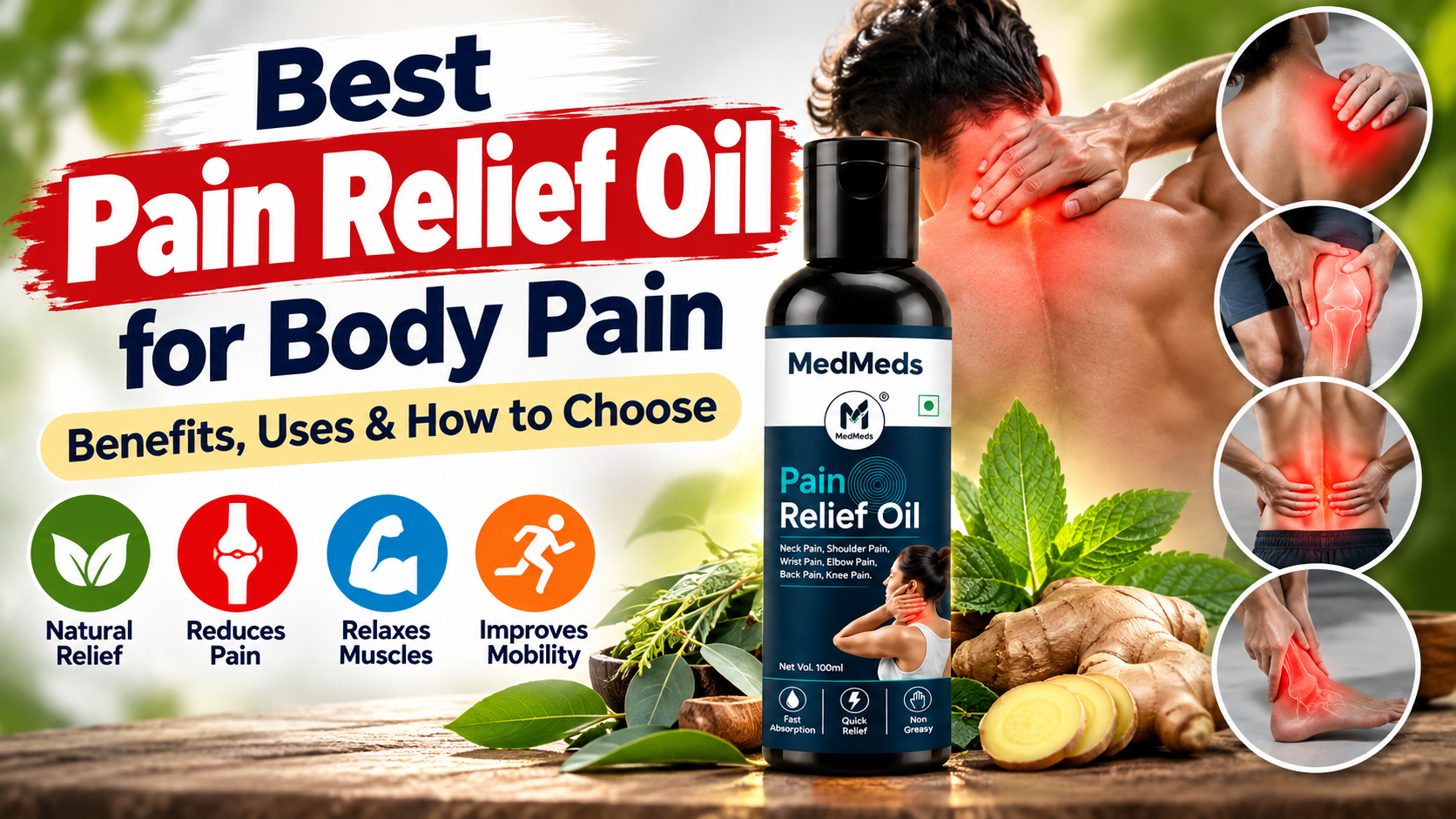
The Ultimate Solution: Experience Instant Mobility with Our Premium Pain Relief Oil
When ordinary adjustments fail to restore your freedom of movement, our specially formulated Pain Relief Oil offers a direct, powerful pathway to comfort. Purpose-built to conquer chronic stiffness, stubborn muscular knots, and deep joint distress, this premium pain oil combines traditional botanical wisdom with high-absorption science to deliver rapid, lasting relief right where your body needs it most.
Why Our Pain Relief Oil Works Wonders on Stiffness:
- Intense transdermal penetration : most common pain relief gels and sprays sort of just lean on menthol, like , to freeze or numb the skin surface for a bit, our oil uses deeply going carrier agents that move active anti-inflammatory herbal molecules down into the underlying muscle fibers, kinda quietly but definitely farther than usual.
- Thermal micro circulation activation : when you apply it, the special herbal compounds react gently with the tissue to make a comforting, localized warmth. That heat then opens up constricted blood vessels right away, so the stiff muscle gets oxygen-rich blood, flushing out stuck residues and lactic acid.
- Natural tissue relaxation : filled with organic anti-inflammatory extracts and those muscle soothing botanicals, this therapeutic oil works directly on hyperactive nerve endings, sort of telling the locked muscle spindles to loosen up and release their painful grip.
- Restores joint lubrication : massaged around sore zones like the knees, the lower back, or the neck , it helps calm localized inflammation, easing the mechanical tension on your tendons and bringing back smooth , fluid motion to your joints.How to Use It for Best Results:
To totally transform your stiff muscles , pour a generous coin-sized amount of the Pain Relief Oil into your palms, then rub them together a bit to warm up the oil. Put it straight onto the affected area , no matter if it’s your aching lower back, your stiff neck, or your tight knees.
With steady circular motions, massage the oil deep into the skin for about 5 to 10 minutes, so the beneficial ingredients have a chance to soak in completely.
For the best kind of comfort , use this oil right after a warm bath while your pores are more open, or work it thoroughly into your muscles right before bed so that its deep-support action can help your body repair , ease, and bring itself back as you sleep.
Stop letting everyday stiffness take over your life. Feel the rich, calming freedom of our premium Pain Relief Oil and move easily again
Conclusion
Muscle stiffness is kind of more than a small everyday bother; it’s like a warning system from your body saying your muscles are overworked, not getting enough flow, and stuck in a chronic, tightened state. If your stiffness shows up because you sit too long at a desk, or after intense physical training, or even from the natural aging of your joints, brushing it off can turn into bigger problems—like trouble moving well over time, and ongoing discomfort that just won’t really quit.
Add our premium Pain Oil into your everyday wellness routine, and you’re not merely hiding the discomfort, you’re actually helping blood circulation move along better, lowering the localized inflammation, and getting those stubborn muscle spindles to settle down. Don’t allow physical rigidity to lock up your potential or decide your daily schedule for you . Reclaim your flexibility, safeguard your joints, and feel that simple pure joy of effortless fluid movement . Give your body the natural care it deserves, then step into a more active, more vibrant, and pain-free life today !
FAQ’S
Morning muscle stiffness is pretty common, it kinda shows up a lot because you were basically still the whole night while you slept, no big surprise. When you stay immobile for hours , the blood flow to your muscles starts to slow down a bit and the joint fluid that normally helps things glide smoothly turns out to be more viscous or thick- feeling. Also if you end up lying in a strange awkward angle or you grab a pillow that does not quite support you then it can set off a small, localized irritation. Then when you finally stand up , you get that tight, rigid sensation like your body is taking its time to “wake up” or something like that , you know?
For quick easing of temporary stiffness, begin with mild heat therapy (a warm shower or a heating pad) to help calm the tight fibers and sort of “wake up” blood flow. Then, follow that with gentle dynamic stretches, not too much too fast, ok. Also massaging the spot using a deep-penetrating pain killer oil can be one of the more effective ways to immediately interrupt the tension loop and get your flexibility back.
The easiest way t o tell them apart is basically by how it feels and where it happens. Muscle stiffness feels more like a dull ache, tightness , or some kind of restriction across a wider stretch of tissue (for example your neck, thighs, or back), and it usually gets better once you start moving around. Joint pain is different though, it’s more often a sharp deep discomfort that you feel right inside a skeletal hinge (like your knees, elbows, or knuckles) and it is usually linked to cartilage wear or inflammation.
When it comes to muscle stiffness, and that chronic, always-acting-tight feeling, heat therapy is nearly always the better choice, for real. Heat tends to soften rigid tissues, it also dilates the small vessels, and in general it helps boost blood flow so the body can clear out the stuck metabolites. Cold therapy, like ice packs, is more of a short term thing, you really use it mostly for acute, sudden injuries, like a brand new ankle sprain or a muscle tear, where you need to numb sharp pain, and also bring down the immediate swelling.
Because a top-tier, well made pain oil is built using safe, natural, and botanical materials, it’s meant to be used every day, kinda effortlessly. If you’re dealing with mild or everyday stiffness, then a single application each day is usually right on track, either after a warm bath or right before you sleep. Now when it comes to chronic, or more intense tightness, you can massage the oil into the specific area 2 to 3 times a day, this helps keep the circulation moving and supports deeper calm relaxation without fuss.
