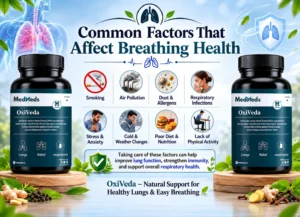
One of the most vital bodily processes is breathing. Your organs and tissues receive oxygen with each breath, while carbon dioxide is expelled. Energy production, physical activity, intellectual function, and general well-being are all supported by healthy lungs. However, a variety of environmental, lifestyle, and medical variables cause breathing problems for millions of people. People can take preventative actions and maintain better respiratory health by being aware of the most common causes of breathing issues. The respiratory system can be adversely affected by a variety of variables, including smoking, air pollution, allergies, and chronic lung disorders. It is feasible to enhance lung function and lower the chance of breathing problems by being aware of these dangers and forming healthy habits. The capacity of the lungs and respiratory system to effectively exchange carbon dioxide and oxygen is referred to as breathing health.
The respiratory system consists of:
- Nasal passageways and the nose
- Windpipe and throat
- Airways and bronchi
- Lungs
- The breathing muscles and diaphragm
When any part of this system becomes irritated, inflamed, blocked, or damaged, Breathing Difficulty can occur.
Breathing Problems: Causes and Types of Breathing Problems: Major Factors Affecting Respiratory Health
Air Pollution and Environmental Toxins
Air pollution is among the main Breathing Problems Solution across the globe.
Outdoor pollutants contain:
- Emissions from cars and vehicles
- Smoke from factories
- Particles from dust
- Construction waste
- Pollutants chemicals
The inhaled air can result in irritation of airways and inflammation of the lungs.
The exposure to air pollution in the long term can cause:
- Coughing
- Wheezing
- Shortness of breath
- Breathing problems
- Higher risk of pneumonia and other lung infections
Children, elderly, and the existing lung patients are more sensitive to polluted air.
Smoking and Tobacco Smoke
One of the greatest harms to respiratory health is smoking. Cigarette smoke is composed of thousands of toxins, which harm your lung tissue and air passages.
Smoking can contribute to:
- Chronic bronchitis
- Emphysema
- Lung cancer
- COPD
smoke can also have a negative impact on your lungs. Those regularly breathing in smoke from others can experience respiratory problems, irritated airways, and respiratory illnesses. Quitting smoking is one of the greatest efforts you can make toward healthy lungs.
Respiratory Infections
Respiratory infections can cause problems with your breathing and lungs.
Common ones are:
- cold
- Influenza
- Bronchitis
- Pneumonia
- Viral respiratory tract infections
These infections make your airways get swollen and fill up with mucus.
You might feel:
- Short of breath
- A cough that just won’t go away
- Discomfort, in your chest
- Wheezing
- Have a fever
Getting infections again. Again can sometimes damage your lungs for good. Washing your hands a lot. Getting the right vaccinations can help you avoid getting infections.
Allergies and Asthma Triggers
Allergies are kinda a big player in breathing problems symptoms, so that s why they show up a lot. Some usual suspects are, pollen dust mites mold spores pet dander, and strong fragrances. When someone is sensitive and they run into these allergenic bits the immune system can respond in a way that brings on airway inflammation.
For people with asthma it’s common to notice
- Wheezing
- Chest tightness
- A cough that just won’t quit
- and breathing difficulties that come along with it.
So figuring out what sets you off and then steering clear of those triggers, is a helpful method for keeping respiratory health stable and steady.
Obesity and lack of physical activity
A lot of people seem to ignore how body weight connects, with breathing health. Like, the link is there and still it gets missed. When someone carries excess weight, it can put real pressure on the lungs and diaphragm , so breathing becomes harder, kinda in a noticeable way.
Obesity might be linked with:
- Shortness of breath
- Sleep related breathing disorders
- Lower lung capacity
- Higher inflammation
And then, a mostly sedentary routine can also quietly weaken the respiratory muscles. On the other hand, regular exercise helps with oxygen usage and it helps build stronger lung support.
Walking, cycling, swimming, or even yoga can all help maintain healthier lung function.
Work Exposure to Dust, Chemicals, and Fumes
In some jobs, employees end up around airborne dangers that can really affect the respiratory system. Higher-risk work usually includes things like: Construction, Mining, Manufacturing, Agriculture, and chemical processing.
People in these roles may end up breathing in:
- dust particles
- chemical vapors
- toxic fumes
- industrial gases
If exposure drags on for months or years, it can trigger chronic respiratory illnesses and, in serious cases, cause irreversible lung injury. So, protective gear, plus strict attention to the workplace safety guidelines, should be treated as essential preventive steps, not just a formality.
Weak Indoor Air Quality
Indoor air quality matters a lot for respiratory health, even if people dont always think about it. Most folks spend much of their day indoors, so indoor pollutants become really, kind of unavoidable in daily life.
Typical indoor pollutants are things like
- Mold
- Dust
- Tobacco smoke
- Household chemicals
- Poor ventilation
These contaminants can irritate the lungs and also make existing breathing issues worse, sometimes faster than youd expect.
To improve indoor air quality you might end up doing a mix of options like :
- Using air purifiers
- Keeping ventilation up to snuff
- Cleaning on a regular basis
- Managing humidity levels
And yeah, it can feel small, but those small changes add up.
Ongoing Respiratory Conditions
A few long term medical issues can directly make breathing harder, kind of every day.
For example:
- Asthma
- COPD
- Pulmonary fibrosis
- Chronic bronchitis
- Other chronic lung disease conditions
These problems usually bring persistent inflammation, or they create airway obstruction, it depends on the case.
People often notice symptoms like:
- A persistent cough
- Wheezing
- Fatigue, or that low energy feeling
- Shortness of breath
Getting an early diagnosis, and then following proper medical care, is critical for preserving quality of life, overall wellbeing.
Weather and shifts across seasons
The weather can affect how you breathe and also the respiratory symptoms you notice. In colder times the airways sometimes get tighter and coughing may show up. When it’s very hot, ozone levels can climb and it may become harder to breathe, like, more than usual. During certain seasons, pollen surges are a common aggravator and can worsen allergies and asthma. Also sudden changes in weather conditions can throw off people who already live with chronic respiratory illnesses. Keeping an eye on air quality reports and checking weather forecasts, in advance, can help at-risk individuals get ready in a safer way.
Stress and Anxiety
Mental health can have a kinda surprising affect on breathing. When stress and anxiety kick in, they can shift normal breathing patterns, in a way that feels strange or unsettling.
If someone is dealing with anxiety, they might notice things like
- Rapid breathing
- Hyperventilation
- Chest tightness
- shortness of breath
Even if these signs are not really from lung disease, they can still feel quite alarming. Keeping stress in check with relaxation practices , meditation, movement or exercise, and enough sleep can help, both mental wellbeing and breathing health.
How These Factors Affect the Lungs
The lungs kind of depend on healthy breathing paths and lung tissue to work the right way, you know.
A lot of those things mentioned before can start, or help start, several issues such as causing airway inflammation, boosting mucus output . They may also damage the lung tissue, and that in turn can reduce oxygen exchange. Sometimes they also trigger breathing difficulties, kinda right away.
Over time, if you keep getting exposed to harmful factors again and again, it may end up leading to longer-term chronic respiratory problems. Getting what these risks really mean is the first step toward prevention.
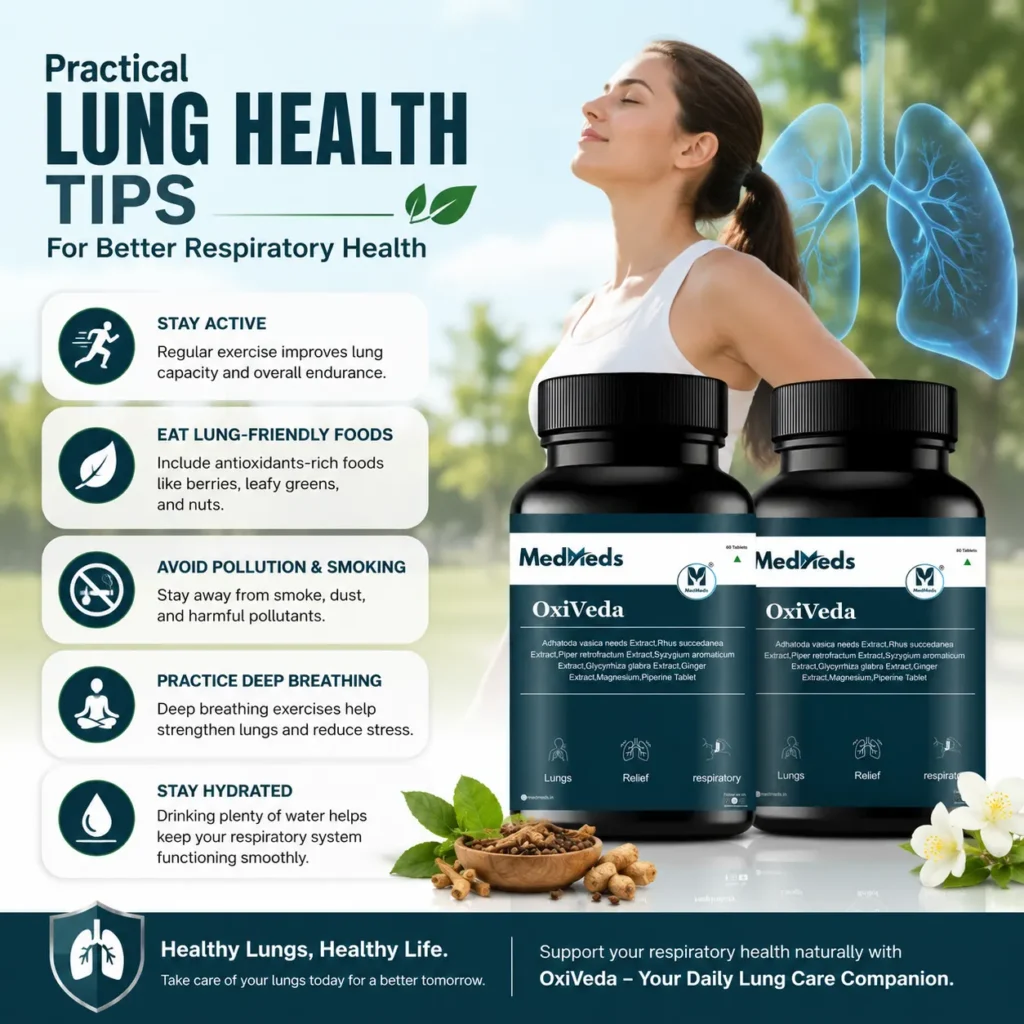
Practical Lung Health Tips for Better Respiratory Health
Taking care of your lungs dosent have to be some big fancy plan or complicated changes.
Even small, daily habits can really matter, like more than you’d think.
- Skip Smoking:-Try to quit smoking completely. Also, stay away from secondhand smoke when you can.
- Move More Often:-Regular exercise helps build the breathing muscles and makes lung function work more efficiently.
- Make Indoor Air Cleaner :-Keep your home spaces tidy, and don’t forget ventilation. Fresh air helps a lot.
- Drink Enough:-Staying hydrated can keep mucus less thick so it clears more easily.
- Handle Allergies Wisely:-Figure out what sets things off, then follow the treatment guidance you get from professionals.
- Use Protective Gear:- In dusty areas, or when chemicals are around, use the right masks and safety equipment.
- Watch the Air Quality:- When pollution is heavy, try to cut back on time outside.
- Try Deep Breathing Practices:- Breathing exercises might support lung function and also help you relax.
- Eat Well, Stay Balanced:- A well rounded diet supports your respiratory system and immune response.
- Think About Extra Wellness Aids:- Some people also look into supportive wellness products like Oxiveda as part of a broader healthy lifestyle routine, but to be clear, the basics—those steady good habits—are what really build lung care over time.
Warning Signs That Require Medical Attention
Warning signs you should take seriously and not just brush off Some breathing-related problem symptoms can be a red flag, and honestly, it should not be ignored, even if it feels minor at first. If you notice any of the following, it’s best to get medical care soon.
- Consider medical attention if you have
- Persistent shortness of breath , especially when it keeps returning
- Wheezing that seems to grow louder or more intense over time
- Chest pain when you inhale , or pain that gets worse with breathing
- A cough that hangs around for weeks , without improving
- Coughing up blood , even small amounts
- Blue lips or blue fingertips
- Repeated respiratory infections, coming back more often than usual
- A sudden struggle to breathe, that feels immediate
Getting checked quickly can help spot serious underlying causes early, and it can also support better treatment results later on.
Conclusion
Getting a real grasp on the most common breathing problems causes is kinda key if you want to keep long term respiratory health safe. Things like air pollution, smoking, respiratory infections, allergies, obesity, workplace exposures, and the whole issue of poor indoor air quality can all mess with the lungs, and the breathing system too. Add chronic lung diseases, weather changes, and even stress, and it’s easy to see how breathing can get affected in different ways.
Good news though, a bunch of these risk factors can be dialed down with sensible lifestyle choices and prevention steps. If you focus on practical lung health tips, stay physically active, cut back on harmful pollutants, and don’t delay when medical care is needed, you can help support strong lungs and get better overall health along the way.
When you take proactive steps today, you’re basically backing healthier breathing, boosting quality of life, and lowering the chance of future respiratory problems.
FAQ’S
The usual causes usually include air pollution, smoking, respiratory infections , allergies, asthma, obesity, poor indoor air quality, and chronic respiratory conditions.
Try regular exercise, avoid smoking, keep a healthy body weight, stay hydrated , and eat a balanced diet. Also, improving the air quality around you helps a lot, even if it sounds simple.
Yes. Stress and anxiety can set off rapid breathing, chest tightness , and that annoying feeling of shortness of breath, even when lung function is normal.
Not always right away, but long term exposure to severe air pollution can push toward chronic lung disease and reduced lung function. It affects vulnerable people the most.
Go get medical help if the breathing problems are persistent , or severe. Also if you have chest pain or it starts interfering with daily activities.