
Best Foods for Respiratory Wellness
Keeping up with good respiratory health is kinda crucial for overall well-being. Our lungs keep working nonstop to bring oxygen to every cell in the body, while also clearing out carbon dioxide. When the lungs are in a decent shape, people often notice better energy, a stronger immune system, and that overall quality of life feels more steady. Even though regular movement and staying away from nasty pollutants are key, food , nutrition actually matters a lot too, for how well the lungs perform.
A nutritious lung-friendly diet can give your body a bundle of antioxidants, vitamins, minerals and those anti-inflammatory compounds that help shield lung tissue from harm. A lot of specialists basically line up on this idea, that picking the best foods for Respiratory Wellness can help you breathe more comfortably, lower inflammation and encourage long-term respiratory steadiness.
In this guide, we’ll look at the best foods for lung health, then break down how nutrition affects respiratory wellness and share practical ways to mix these nutrient-rich picks into your everyday meals, without making it feel like a chore.
The Connection Between Diet and Respiratory Wellness
The foods we eat in our daily routine directly affect our respiratory system. Nutrients like vitamins A, C, E, omega-3 fatty acids, and antioxidants help lessen oxidative stress and inflammation in the lungs. It’s kind of a domino effect , you know, what goes in helps how your airways behave.
Some benefits from respiratory wellness foods are these , not always in the same order though:
- Supporting healthy lung tissue
- Helping reduce inflammation within the airways
- Strengthening the immune defenses
- Improving oxygen exchange
- Assisting with breathing, overall comfort
- Promoting proper lung function
So if you’re asking what kinds of foods help with respiratory wellness, then the nutrient rich choices below should fit into your regular diet, consistently.
Leafy green veggie kinds, like spinach, kale, and Swiss chard
These leafy greens are pretty top tier for respiratory wellness because they’re full of vitamins A, C, and E, plus some pretty potent antioxidants, you know.
Key nutrients in them
- Vitamin C
- Beta carotene
- Magnesium
- Folate
- Lung health advantages
These compounds help push back oxidative stress, and they support lung tissues staying healthy. Magnesium can also help with keeping airway performance pretty steady.
- Ways to add them in daily life
- Toss spinach into smoothies
- Add kale for salads, if you want
- Sauté Swiss chard as a side dish
Overall, these are excellent choices for your lungs and for wellness in general.
Cruciferous vegetables, like broccoli,l Cauliflower, and Brussels Sprouts, have sulfur compound s and antioxidants that help the body manage unwanted residues or “toxins” over time. Kind of.
Key nutrients in them are Vitamin C, fiber, sulforaphane, and folate, so you get a well rounded mix.
For respiratory wellness, sulforaphane might help calm inflammation and also support lung cleansing pathways, which is why these are some of the best foods to reduce irritation in the lungs.
Cruciferous Vegetables
Cruciferous vegetables Broccoli, Cauliflower, and Brussels sprouts maybe sound a little stern , but they’re actually pretty friendly. these contain sulfur compounds along with antioxidants, which in turn help the body with that slow cleanup kind of process, eliminate toxins, well sorta.
Key nutrients you’ll notice are Vitamin C, Fiber, Sulforaphane, and folate. not just one of those , it’s kind of a whole combo.
For respiratory wellness, Sulforaphane may reduce inflammation, and it can also support lung detoxification. so yea, they’re among the better foods for reducing inflammation in the lungs , especially when you keep them in rotation.
Meal tips, roast brussels sprouts, steam broccoli . if you want an easy win add cauliflower to soups, casseroles, or even stir fries.
Citrus Fruits
Oranges, Lemons and Grapefruit, (kinda)
Citrus fruits are pretty packed with vitamin C, and because of that they are valuable foods for better respiratory health, you know, maybe.
They can help support your body in a general way against oxidative stress, particularly in the lungs.
Key Nutrients
- Vitamin C
- Flavonoids
- Antioxidants
Benefits
Vitamin C supports immunity too, and it helps shield lung tissues from oxidative harm.
- Easy Ways to Eat More Citrus
- Try orange slices in the morning, right away.
- Add lemon to your water, or even to warm tea.
- Include grapefruit at breakfast, if you can.
Overall these fruits count among the best for lung health, and they are easy to fit into daily meals.
Fatty Fish Rich in Omega-3 Fatty Acids
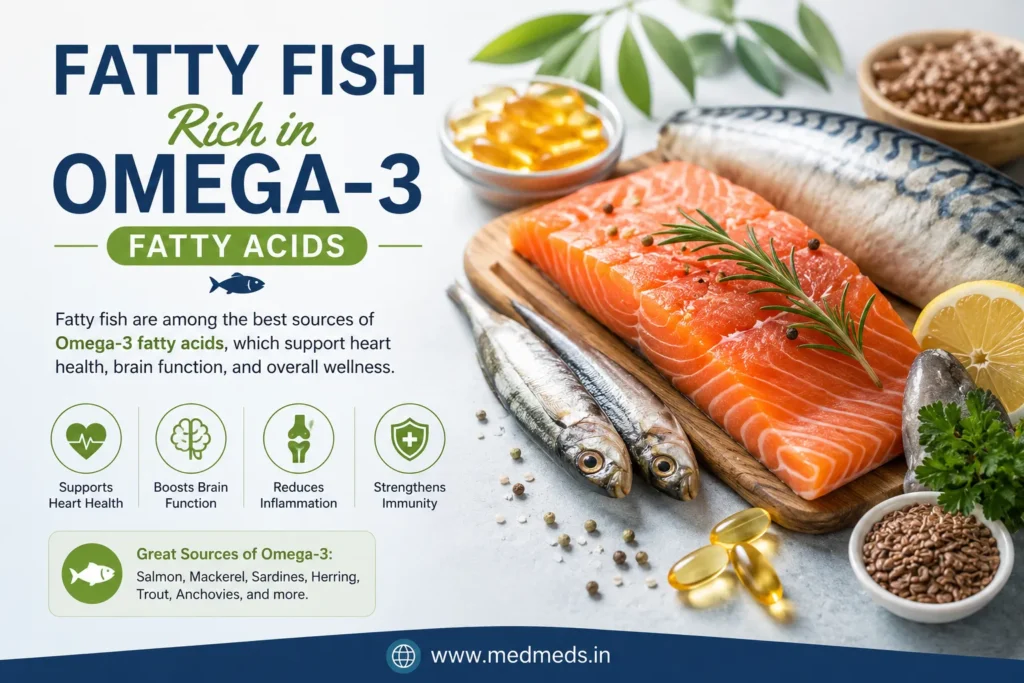
Salmon, Sardines, and mackerel
These kinda fatty fish give you omega-3 fats, which are pretty known for anti inflammatory effects, not just general “health stuff”, you know.
Key nutrients, you might care about
- Omega 3 fats
- Vitamin D
- Protein
What they can do
Omega-3s may help support healthy airways and can improve breathing performance, especially when your lungs feel a bit irritated.
Garlic and Onions
How to eat them: easy ideas. Grill the salmon. Toss sardines into a salad lightly. Have baked mackerel after work. So yeah, they’re solid anti-inflammatory foods for lungs, overall.
Garlic & onions, ok they have been used for centuries to help with whole body wellness. Like generally people say it supports overall health in a kind of broad way, though.
Key nutrients include allicin, quercetin and sulfur compounds.
Because of their anti-inflammatory, and antioxidant qualities they might help back up healthy breathing plus the immune system in particular.
Ways to use them? Just add garlic and onions into soups, toss them in stir-fries, or use them in homemade sauces that you make yourself.
Ginger and Turmeric
These spices are kind of powerful natural anti-inflammatory foods, you know
Key Nutrients
- Gingerol, Curcumin
- Benefits
They might help lower inflammation inside respiratory tissues, and then promote steady airflow too, generally speaking.
Practical Tips
- Brew ginger tea
- Toss turmeric into curries
- Stir in both with smoothies
Those are popular picks for people looking for natural ways, through food, to support lung function.
Apples
Apples are among the most easy to find and nutritious fruits, when you are thinking about respiratory wellness, you know.
Key nutrients
- Quercetin
- Vitamin C
- Dietary fiber
- Benefits
Some research indicates that eating apples consistently could help with keeping good lung capacity, more or less.
- Easy incorporation
- Just eat fresh apples
- Toss them into salads
- Pair with nut butter
Nuts and Seeds
Almonds , Walnuts , Chia Seeds and Flaxseeds ok
Nuts and seeds give healthy fats, plus antioxidant vibes, and it helps with overall balance a bit, you know
Key Nutrients
- Vitamin E
- Omega-3 fats
- Magnesium
Benefits
Vitamin E aids in protecting lung tissue from oxidative harm It’s one of those small support things that matters.
Serving Ideas
Sprinkle seed bits on oatmeal every morning. Toss nuts into salads, blend them into smoothies, and keep it moving.
Legumes and Beans
Lentils, Chickpeas, and Black Beans
Legumes and Beans, kind of a classic combo honestly. Lentils, Chickpeas, and Black Beans— these little power foods are nutrient-dense and they help in general wellbeing. You know, like they are there for your whole body, not just one thing.
Key nutrients include plant protein, plus dietary fiber, iron, and magnesium. Together, they give a sort of steady support for the body in a low-key way.
Tomatoes
Tomatoes are, honestly one of the best diet sources for lycopene, you know that red pigment.
They can help bring some extra good things to the table, too.
Key nutrients are usually the spotlight here: lycopene, plus vitamin C and potassium.
Benefits wise, lycopene works like a strong antioxidant, it may help shield lung tissue from everyday wear and stress.
- If you want to eat more tomatoes, try keep it simple:
- fresh salads, tomato soups and homemade sauces.
Benefits can look like healthy circulation and oxygen transport, which then supports optimal respiratory wellness, not that it’s magic, but it’s pretty helpful.
For meal ideas, try bean soups, lentil curries, or even chickpea salads, simple and fairly flexible.
Green Tea
Green tea, sort of, has compounds that may help with overall wellness and breathing-related health too. In there are key nutrients, like catechins and other polyphenols, which work as antioxidants— these support the body in handling inflammation and oxidative stress in a calmer kind of way. For daily use, try to drink about 1–2 cups per day, and instead of swapping water i mean sugary beverages… replace those with green tea.
Foods and Habits That May Negatively Affect Respiratory Health
When you’re zeroing in on the best foods for respiratory wellness, it’s also kinda crucial to dodge the everyday habits that can mess up your lungs, a bit. Like not just what you eat but also how you live in general.
- Processed Foods:-Highly processed foods usually pack in unhealthy fats, preservatives , and too much sodium, which can feed inflammation.
- Sugary Beverages:- Too much sugar can crank up inflammation, and it may also throw off overall health, in the long run.
- Smoking:-Smoking is still one of the most harmful patterns for lung health and respiratory performance.
Additional Tips
If you want better respiratory wellness:
- Keep yourself hydrated
- Choose a range of bright fruits and vegetables
- Hold a healthy weight
- Move your body regularly
- Avoid smoking ,and keep away from secondhand smoke
- Cut back on ultra-processed foods
These straightforward diet ideas for better respiratory health can really add up, over time.
Conclusion
Picking out the right foods for respiratory wellness is, honestly, one of the better ways to help support your lungs and your general well-being. If you lean into nutrient-rich choices like leafy greens, cruciferous vegetables, berries, citrus fruits, fatty fish, garlic, ginger, turmeric, nuts, seeds, legumes, tomatoes, apples and green tea, you end up getting antioxidants and anti-inflammatory compounds working in the background. These can support breathing and help maintain healthy lung function over time.
If you keep a lung-friendly eating pattern and fold these foods for healthy lungs into your day to day routine, you can make real progress toward long-term respiratory wellness. Also, try to remember that small, steady dietary tweaks, can stick around in a good way, and eventually show up as a meaningful positive effect on your overall respiratory health.
Frequently Asked Questions (FAQ)
Some of the best options include leafy green vegetables, broccoli, citrus fruits, berries, fatty fish, garlic, ginger, turmeric, apples, nuts, seeds, legumes, tomatoes, and green tea.
The best fruits and vegetables for lung health include oranges, lemons, grapefruit, blueberries, strawberries, spinach, kale, broccoli, cauliflower, Brussels sprouts, tomatoes, and apples.
Foods that help improve breathing naturally include omega-3-rich fish, leafy greens, berries, garlic, ginger, turmeric, and foods high in antioxidants and vitamin C.
Understanding how nutrition affects respiratory wellness is important because nutrients like antioxidants, vitamins, and anti-inflammatory compounds help protect lung tissues, reduce inflammation, and support healthy breathing.
The best foods to reduce inflammation in the lungs include fatty fish, berries, leafy greens, cruciferous vegetables, turmeric, ginger, nuts, and seeds.