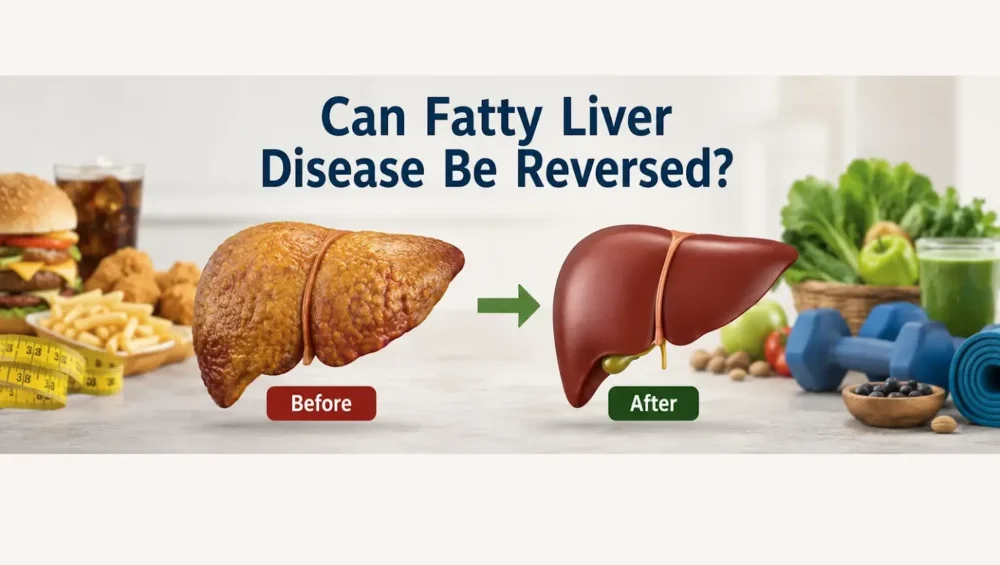
There is an increasing number of symptoms related to fatty liver disease because people’s eating habits are poor, there are excessive levels of stress and fat in their body, also due to less exercise. Therefore a lot of the patients diagnosed with fatty liver disease always question themselves about the reversal possibility of their liver condition.
Generally, can fatty liver disease be reversed is one of the common questions with a likely positive answer, as the condition can reverse with timely detected and appropriate treatment.
What Is Fatty Liver Disease?
Fatty liver is basically when there is an increase of fat inside the cells of the liver, kinda like things piling up where they shouldnt. A diagnosis is usually made when the liver contains more than about 5-10% fat by weight.
The most common kind of this fatty liver issue is non-alcoholic fatty liver disease , or NAFLD. This variety can show up in people who do not drink alcohol at all. Or in some cases they drink only a little. NAFLD is really often seen in obese individuals, in people with type 2 diabetes , and also in those with insulin resistance or hypercholesterolaemia. If fatty liver disease is left untreated, it can gradually deteriorate and even turn into an inflamed state, with fibrosis, and in more severe cases it may become cirrhotic.
Can Fatty Liver Disease Be Reversed?
A lot of people ask this, how to reverse fatty liver after getting the diagnosis. And honestly, luckily the liver has a really strong ability to fix itself over time. Thus with sensible changes to one’s lifestyle and medical treatment it can be possible to reverse fatty liver disease and restore normal liver function.
Catching it early is what tends to work best. In many cases the fatty liver improvement can happen before any lasting or permanent damage sets in. Also, many patients wonder “can fatty liver be reversed naturally” , and for people in the early phases, better daily habits can matter a lot for liver wellbeing.
Common Fatty Liver Disease Symptoms
One challenge with fatty liver disease is that symptoms might not show up during the early stages ,so you can be dealing with it and still feel “mostly fine” for a while.
Some common fatty liver disease signs can include
persistent fatigue.
upper right abdominal discomfort, (kind of a nagging pressure).
weakness, or that sort of low stamina feeling
unexplained weight gain.
elevated liver enzyme levels
People who have diabetes , obesity, or high cholesterol should think about regular liver health check ups.
How to Reverse Fatty Liver Naturally
Follow a Fatty Liver Diet Plan
If you are looking for information on how to reverse fatty liver, lifestyle changes are the mainstay of treatment. A healthy daily routine will reduce liver fat, reduce inflammation and improve overall liver health.Eat according to a Fatty Liver Diet Plan
A healthy fatty liver diet plan will assist the liver and aid in the reversal process. Focus on:
Grains
Fruits and vegetables
Protein (lean protein source)
Legumes
Nuts & seeds
Good fats (i.e. Olive oil)
Above and beyond this ensure foods to help cure fatty liver such as dark leafy vegetables, berries, turmeric, green tea and foods rich in fiber are on your meal plan. Do not eat:
Sweet drinks
Processed foods
Fried food
Alcohol
Refined carbs
Exercise Regularly
Daily exercise is also beneficial in fatty liver treatment at home. 150 minutes of moderate exercise are suggested at a minimum on a weekly basis according to specialists. Activities like walking, cycling, swimming, and strength training have been known to decrease the liver fat.
Maintain a Healthy Weight
Weight management is one of the most effective lifestyle changes for fatty liver disease.
Research shows that losing just 5–10% of body weight can significantly improve liver health and reduce fat accumulation.
Improve Liver Health Naturally
Simple habits can help improve liver health naturally.
Such as:
Adequate hydration,
Sufficient quality sleep
Stress reduction
Nutrient-dense diet..
Physical activity
Fatty Liver Treatment at Home
Many of them are controlling early stages fatty liver with fatty liver treatment at home.
Good diet, exercises, appropriate sleeping and staying away from alcohol could show the effective results in a few months, yet, regular check-ups by doctor is necessary to track the progress.
Medical Options for Fatty Liver Disease Treatment
If changes to one’s lifestyle do not suffice, doctors could opt for further fatty liver treatment options. Based on the health condition of each individual,
a fatty liver medicine, or a fatty liver medicine tablet may be prescribed to manage accompanying metabolic abnormalities. Medications should always be taken under supervision.
Liver detox supplement, liver detox capsules, liver support tablets are commonly utilized by people trying to get their liver to function well by adapting a healthy lifestyle. Certain doctors may suggest fatty liver tablets in India according to the condition and medical history of the patient. Supplements are never a substitute for proper diet, exercise and professional medical help.
How Long Does Fatty Liver Recovery Take?
The timeline for Fatty liver recovery varies depending on the individual.
Most people will experience an improvement in liver enzyme levels in 3 to 6 months. With adherence to healthy lifestyle practices most individuals should experience a substantial recovery within 9 to 12 months.
You must have patience with your recovery process.
The Truth About Liver Detox Supplements
Liver detox supplements often claim to flush or restore liver function in a short time.
In truth the liver already detoxifies the body itself and although liver detox capsules can assist with nutrition to support liver function no supplement will reverse liver damage instantly.
Maintaining a healthy lifestyle is still the best method to help keep the liver in optimal function.
Liver Health Myths and Misconceptions
There are several liver health myths that often mislead people and delay proper treatment. One common myth is that fatty liver disease only affects alcohol drinkers, but in reality, non-alcoholic fatty liver disease (NAFLD) can occur due to poor diet, obesity, and lifestyle factors.
Another myth is that liver detox supplements can fully cleanse the liver. In truth, the liver naturally detoxifies itself, and no supplement can replace a healthy diet and exercise. It is also wrongly believed that fatty liver shows early symptoms, but it often develops silently.
Understanding these liver health myths helps people take timely, correct action and follow proper medical and lifestyle guidance.
Conclusion
Good news for a lot of people: The question “Can fatty liver disease be reversed?” can, at times, have a very positive response. Early diagnosis, adequate fatty liver disease treatment and following an effective fatty liver diet plan can go a long way in turning the condition around.
Whether you’re looking for fatty liver treatment at home, searching for the best supplement for fatty liver, or learning how to treat liver condition naturally-making changes today can help your liver-and you-remain in better health for decades.
FAQ’S
Yes for many fatty liver disease cases especially in the initial stages it is quite reversible with lifestyle changes such as balanced eating, a lot of exercise, proper sleep and weight management.
Yes, with the help of regular exercise many can improve their metabolism and liver fat will be reduced along with healthy weight loss. Such things as walking, swimming, cycling and exercise regimes like strength training help liver health greatly.
Fatty liver disease rarely show many signs in the early stages, it is the later stages which display such things as a lack of energy and poor performance. In these stages many suffer with pain in their abdominal region along with fatigue and they have higher than usual liver enzymes.
Yes, you will be more than surprised how a bit of weight loss can help fatty liver disease. If a loss of 5-10 percent is gained then the liver fat will be significantly lower and its health improve considerably.
Liver detox supplements can provide some nutrient support but it cannot substitute a good healthy diet. It is essential that lifestyle habits such as having a healthy diet and lots of exercise together with medical advice.
Keeping up with good respiratory health is kinda crucial for overall well-being. Our lungs keep working nonstop to bring oxygen to every cell in the body, while also clearing out carbon dioxide. When the lungs are in a decent shape, people often notice better energy, a stronger immune system, and that overall quality of life feels more steady. Even though regular movement and staying away from nasty pollutants are key, food , nutrition actually matters a lot too, for how well the lungs perform.
A nutritious lung-friendly diet can give your body a bundle of antioxidants, vitamins, minerals and those anti-inflammatory compounds that help shield lung tissue from harm. A lot of specialists basically line up on this idea, that picking the best foods for Respiratory Wellness can help you breathe more comfortably, lower inflammation and encourage long-term respiratory steadiness.
In this guide, we’ll look at the best foods for lung health, then break down how nutrition affects respiratory wellness and share practical ways to mix these nutrient-rich picks into your everyday meals, without making it feel like a chore.
The Connection Between Diet and Respiratory Wellness
The foods we eat in our daily routine directly affect our respiratory system. Nutrients like vitamins A, C, E, omega-3 fatty acids, and antioxidants help lessen oxidative stress and inflammation in the lungs. It’s kind of a domino effect , you know, what goes in helps how your airways behave.
Some benefits from respiratory wellness foods are these , not always in the same order though:
Supporting healthy lung tissue
Helping reduce inflammation within the airways
Strengthening the immune defenses
Improving oxygen exchange
Assisting with breathing, overall comfort
Promoting proper lung function
So if you’re asking what kinds of foods help with respiratory wellness, then the nutrient rich choices below should fit into your regular diet, consistently.
Leafy green veggie kinds, like spinach, kale, and Swiss chard
These leafy greens are pretty top tier for respiratory wellness because they’re full of vitamins A, C, and E, plus some pretty potent antioxidants, you know.
Key nutrients in them
Vitamin C
Beta carotene
Magnesium
Folate
Lung health advantages
These compounds help push back oxidative stress, and they support lung tissues staying healthy. Magnesium can also help with keeping airway performance pretty steady.
Ways to add them in daily life
Toss spinach into smoothies
Add kale for salads, if you want
Sauté Swiss chard as a side dish
Overall, these are excellent choices for your lungs and for wellness in general.
Cruciferous vegetables, like broccoli,l Cauliflower, and Brussels Sprouts, have sulfur compound s and antioxidants that help the body manage unwanted residues or “toxins” over time. Kind of.
Key nutrients in them are Vitamin C, fiber, sulforaphane, and folate, so you get a well rounded mix.
For respiratory wellness, sulforaphane might help calm inflammation and also support lung cleansing pathways, which is why these are some of the best foods to reduce irritation in the lungs.
Cruciferous Vegetables
Cruciferous vegetables Broccoli, Cauliflower, and Brussels sprouts maybe sound a little stern , but they’re actually pretty friendly. these contain sulfur compounds along with antioxidants, which in turn help the body with that slow cleanup kind of process, eliminate toxins, well sorta.
Key nutrients you’ll notice are Vitamin C, Fiber, Sulforaphane, and folate. not just one of those , it’s kind of a whole combo.
For respiratory wellness, Sulforaphane may reduce inflammation, and it can also support lung detoxification. so yea, they’re among the better foods for reducing inflammation in the lungs , especially when you keep them in rotation.
Meal tips, roast brussels sprouts, steam broccoli . if you want an easy win add cauliflower to soups, casseroles, or even stir fries.
Citrus Fruits
Oranges, Lemons and Grapefruit, (kinda)
Citrus fruits are pretty packed with vitamin C, and because of that they are valuable foods for better respiratory health, you know, maybe.
They can help support your body in a general way against oxidative stress, particularly in the lungs.
Key Nutrients
Vitamin C
Flavonoids
Antioxidants
Benefits
Vitamin C supports immunity too, and it helps shield lung tissues from oxidative harm.
Easy Ways to Eat More Citrus
Try orange slices in the morning, right away.
Add lemon to your water, or even to warm tea.
Include grapefruit at breakfast, if you can.
Overall these fruits count among the best for lung health, and they are easy to fit into daily meals.
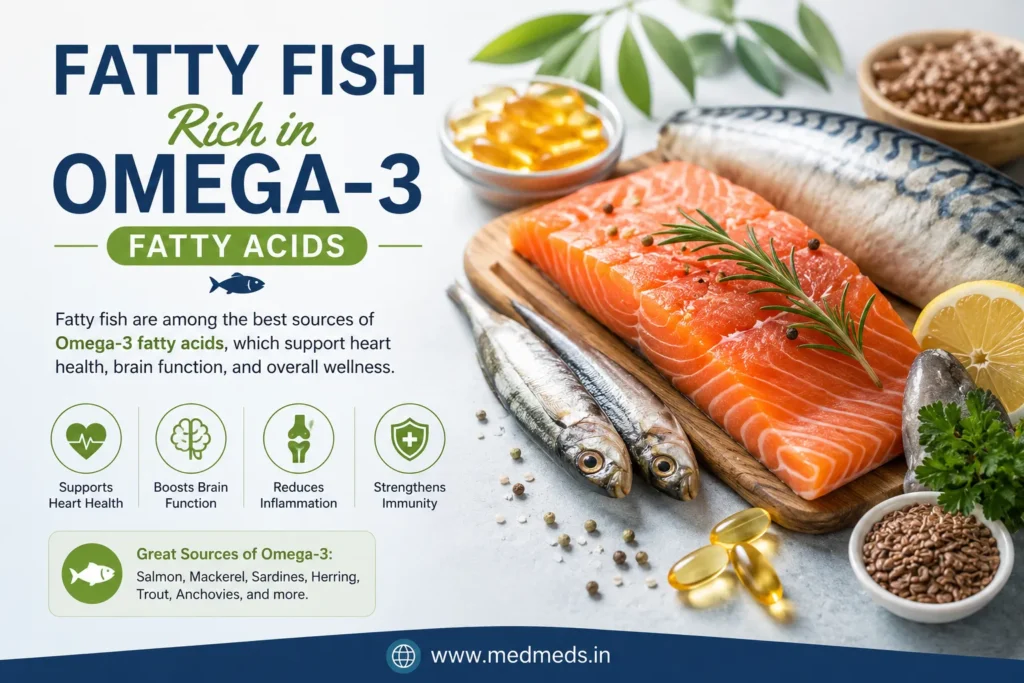
Fatty Fish Rich in Omega-3 Fatty Acids
Salmon, Sardines, and mackerel
These kinda fatty fish give you omega-3 fats, which are pretty known for anti inflammatory effects, not just general “health stuff”, you know.
Key nutrients, you might care about
Omega 3 fats
Vitamin D
Protein
What they can do
Omega-3s may help support healthy airways and can improve breathing performance, especially when your lungs feel a bit irritated.
Garlic and Onions
How to eat them: easy ideas. Grill the salmon. Toss sardines into a salad lightly. Have baked mackerel after work. So yeah, they’re solid anti-inflammatory foods for lungs, overall.
Garlic & onions, ok they have been used for centuries to help with whole body wellness. Like generally people say it supports overall health in a kind of broad way, though.
Key nutrients include allicin, quercetin and sulfur compounds.
Because of their anti-inflammatory, and antioxidant qualities they might help back up healthy breathing plus the immune system in particular.
Ways to use them? Just add garlic and onions into soups, toss them in stir-fries, or use them in homemade sauces that you make yourself.
Ginger and Turmeric
These spices are kind of powerful natural anti-inflammatory foods, you know
Key Nutrients
Gingerol, Curcumin
Benefits
They might help lower inflammation inside respiratory tissues, and then promote steady airflow too, generally speaking.
Practical Tips
Brew ginger tea
Toss turmeric into curries
Stir in both with smoothies
Those are popular picks for people looking for natural ways, through food, to support lung function.
Apples
Apples are among the most easy to find and nutritious fruits, when you are thinking about respiratory wellness, you know.
Key nutrients
Quercetin
Vitamin C
Dietary fiber
Benefits
Some research indicates that eating apples consistently could help with keeping good lung capacity, more or less.
Easy incorporation
Just eat fresh apples
Toss them into salads
Pair with nut butter
Nuts and Seeds
Almonds , Walnuts , Chia Seeds and Flaxseeds ok
Nuts and seeds give healthy fats, plus antioxidant vibes, and it helps with overall balance a bit, you know
Key Nutrients
Vitamin E
Omega-3 fats
Magnesium
Benefits
Vitamin E aids in protecting lung tissue from oxidative harm It’s one of those small support things that matters.
Serving Ideas
Sprinkle seed bits on oatmeal every morning. Toss nuts into salads, blend them into smoothies, and keep it moving.
Legumes and Beans
Lentils, Chickpeas, and Black Beans
Legumes and Beans, kind of a classic combo honestly. Lentils, Chickpeas, and Black Beans— these little power foods are nutrient-dense and they help in general wellbeing. You know, like they are there for your whole body, not just one thing.
Key nutrients include plant protein, plus dietary fiber, iron, and magnesium. Together, they give a sort of steady support for the body in a low-key way.
Tomatoes
Tomatoes are, honestly one of the best diet sources for lycopene, you know that red pigment.
They can help bring some extra good things to the table, too.
Key nutrients are usually the spotlight here: lycopene, plus vitamin C and potassium.
Benefits wise, lycopene works like a strong antioxidant, it may help shield lung tissue from everyday wear and stress.
If you want to eat more tomatoes, try keep it simple:
fresh salads, tomato soups and homemade sauces.
Benefits can look like healthy circulation and oxygen transport, which then supports optimal respiratory wellness, not that it’s magic, but it’s pretty helpful.
For meal ideas, try bean soups, lentil curries, or even chickpea salads, simple and fairly flexible.
Green Tea
Green tea, sort of, has compounds that may help with overall wellness and breathing-related health too. In there are key nutrients, like catechins and other polyphenols, which work as antioxidants— these support the body in handling inflammation and oxidative stress in a calmer kind of way. For daily use, try to drink about 1–2 cups per day, and instead of swapping water i mean sugary beverages… replace those with green tea.
Foods and Habits That May Negatively Affect Respiratory Health
When you’re zeroing in on the best foods for respiratory wellness, it’s also kinda crucial to dodge the everyday habits that can mess up your lungs, a bit. Like not just what you eat but also how you live in general.
Processed Foods:-Highly processed foods usually pack in unhealthy fats, preservatives , and too much sodium, which can feed inflammation.
Sugary Beverages:- Too much sugar can crank up inflammation, and it may also throw off overall health, in the long run.
Smoking:-Smoking is still one of the most harmful patterns for lung health and respiratory performance.
Additional Tips
If you want better respiratory wellness:
Keep yourself hydrated
Choose a range of bright fruits and vegetables
Hold a healthy weight
Move your body regularly
Avoid smoking ,and keep away from secondhand smoke
Cut back on ultra-processed foods
These straightforward diet ideas for better respiratory health can really add up, over time.
Conclusion
Picking out the right foods for respiratory wellness is, honestly, one of the better ways to help support your lungs and your general well-being. If you lean into nutrient-rich choices like leafy greens, cruciferous vegetables, berries, citrus fruits, fatty fish, garlic, ginger, turmeric, nuts, seeds, legumes, tomatoes, apples and green tea, you end up getting antioxidants and anti-inflammatory compounds working in the background. These can support breathing and help maintain healthy lung function over time.
If you keep a lung-friendly eating pattern and fold these foods for healthy lungs into your day to day routine, you can make real progress toward long-term respiratory wellness. Also, try to remember that small, steady dietary tweaks, can stick around in a good way, and eventually show up as a meaningful positive effect on your overall respiratory health.
Frequently Asked Questions (FAQ)
Some of the best options include leafy green vegetables, broccoli, citrus fruits, berries, fatty fish, garlic, ginger, turmeric, apples, nuts, seeds, legumes, tomatoes, and green tea.
The best fruits and vegetables for lung health include oranges, lemons, grapefruit, blueberries, strawberries, spinach, kale, broccoli, cauliflower, Brussels sprouts, tomatoes, and apples.
Foods that help improve breathing naturally include omega-3-rich fish, leafy greens, berries, garlic, ginger, turmeric, and foods high in antioxidants and vitamin C.
Understanding how nutrition affects respiratory wellness is important because nutrients like antioxidants, vitamins, and anti-inflammatory compounds help protect lung tissues, reduce inflammation, and support healthy breathing.
The best foods to reduce inflammation in the lungs include fatty fish, berries, leafy greens, cruciferous vegetables, turmeric, ginger, nuts, and seeds.
Nowadays life comes with this whole pile of problems, and they just keep stacking up, like everything is laying on top of you , and it makes Tired all the Time feel kinda constant. It never really gives you a full break. Long hours at work , too much screen time, meals that are always a little late or straight up skipped , and not enough rest, they all join together, almost like a tag match you didn’t agree to. Then you reach that point where your body can’t really stay in step, you know, the way it should. People often wake up thinking “Okay today I’m gonna feel better” but later they notice they are already running low on drive before the day even begins. It’s more common worry than you might think, it reaches almost everyone, across different ages, and every job type from burned-out professionals to students, and busy parents who are always shuffling tasks and doing things.,
In a lot of cases someone starts feeling tired all the time , not because they’re lazy, but because daily routines mess with the body’s recovery rhythm, at first kinda quietly. After a while that steady tiredness spills into productivity and focus, and it can also pull mood down. Like simple errands start feeling more burdensome than they should.
How Can We Naturally Optimize Our Cellular Biology to Stabilize Energy Levels?
Every movement, thought, and kind of bodily function sort of leans on cellular energy production. Deep inside our cells, mitochondria they just… hang out, these specialized structures are really the ones charged with turning nutrients into usable fuel. When these little cellular power centers get enough nutrients, oxygen , and a fair amount of recovery time, they run pretty smoothly,and that usually supports healthy biological performance most days anyway. But if dietary habits are off , or sleep gets short, or chronic stress keeps showing up, their effectiveness can dip a bit. Then it’s pretty common for people to notice unstable Energy Levels, like energy that bounces around across the day and never really settles.
If you want stronger cellular support, keeping things balanced with nutrition , drinking enough water, and getting restorative sleep is what matters, it helps build a steadier base for physical output and mental clarity too. When energy stays consistent, individuals often remain productive , stay sharp, and feel mentally present along with staying physically capable without those dramatic peaks and dips.
How Do Drinking Water and Staying Hydrated Help Keep You Energetic?
It helps with nutrient transport, temperature control , circulation, digestion, and generally getting rid of wastes. Even mild dehydration can make you Stay Energized, like your brain doesn’t operate as smoothly . Your body also feels less comfortable, kinda irritated or off. A lot of people underestimate how much fluid intake matters for everyday wellness , then they confuse dehydration with hunger, or tiredness , or whatever. which reduces extra stress, and helps overall vitality all day long, from morning right into night. Good hydration also supportsEnergy and Stamina especially when you’re doing something physical and active.
How Can We Reclaim Our Natural Stamina by Fixing Sleep Architecture?
Sleep really is one of those most powerful recovery tools that the human body has. During the deeper stages of sleep, tissues kind of repair themselves, hormones end up more balanced, and important neurological processes also happen. Still, modern routines, like too much screen time, inconsistent schedules, and a less-than-ideal sleep setting , they often get in the way of truly restorative rest. If sleep quality drops even a bit, physical recovery turns less effective and overall stamina tends to fade, slowly. People might start noticing slower recovery after workouts or activity, less drive, and that more constant tired feeling. Better sleep quality supports muscle repair, mental sharpness, and general wellness, while also letting the body keep the ability it needs to face daily issues with more ease. Having consistent sleep patterns is probably one of the most reliable forms of Stamina Support you can get naturally.
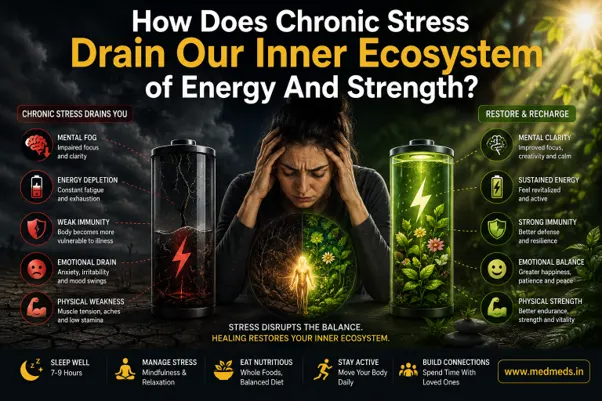
How Does Chronic Stress Drain Our Inner Ecosystem of Energy And Strength?
Stress is kinda a normal part of life, but if it stays around for too long it can start putting strain on the body. Once stress turns into chronic stress , the nervous system tends to keep this high-alert mode on longer than it should, like it never really clocks out. That constant “ready to react” behavior burns through a lot of biological energy, and it can interfere with recovery , digestion, and even how well someone sleeps. Over time, if stress is not managed , people may notice that their stamina takes a hit, their strength slips, and they feel drained—physically, and mentally too. Even everyday chores can suddenly feel like a bigger deal, focus may start wandering, and emotional resilience might soften. When you connect stress with overall wellness it really makes clear why recovery routines matter, because they support long-term health and help performance stay steady. A bunch of people also add Wellness Supplements alongside their stress-management plan, just to give extra backup for general well-being.
What Are the Effective Movement Frameworks Designed to Help You Increase Stamina?
Physical activity kind of plays a huge role in keeping long term health and vitality on track. when people move regularly it seems to help circulation, muscle strength, and overall oxygen delivery , plus it boosts how well the heart and lungs work together. over time these changes make the body more prepared for physical demands, so it doesn’t feel that extreme fatigue all the time. Consistent exercise is one of the more effective approaches to Increase Stamina naturally while at the same time giving real everyday support. whether it’s a walk, cycling, swimming, resistance work , or some other movement habit, it nudges the body to adjust and become stronger, slowly but surely. this gradual progress tends to bring better endurance, easier recovery, and an overall boost in physical capability. for a lot of active people, exercise works like a natural stamina booster, it basically helps health and vitality stay sustainable.
Can Mindful Breathwork Patterns Improve Your Daily Stamina?
Breathing is kind of overlooked, even though it really shapes how energy gets made and it also keeps the nervous system in a more steadier kind of mood. A lot of people drift into shallow breathing patterns, so then you end up pulling in less oxygen and the body ends up carrying extra, pretty avoidable strain. When you practice controlled breathing on purpose you can improve how effectively oxygen gets used, and that usually helps calm the stress reaction down. With better oxygen delivery , muscle output often gets a small boost , and mental sharpness too, so overall physical efficiency tends to rise. After respiratory patterns get tweaked, many people notice they can move through Daily Stamina , staying active and switched on for longer without feeling as cooked. If breathwork stays consistent , it also grows a deeper sense of quiet and everyday well-being, and you start noticing it more in the background. And since breathing efficiency climbs, you might even see extra endurance support show up during hard training, or other demanding physical work.
What Are the Long-Term Benefits of Gradual Cardiovascular Training on Building Endurance?
Cardiovascular exercise generates positive changes, sort of across the whole body, mainly in the heart, lungs , and the circulatory system. With time, those changes make it possible for oxygen plus nutrients to reach working tissues more effectively. Because of that, daily tasks start to feel like they take less effort. At the same time, recovery gets better , and you bounce back faster. Staying consistent is really the base for Building Stamina, and it also helps the process of building endurance over the long run. These improvements support people so they can stay active, tough resilient, and able to join in physical activities with more ease and certainty.
How Do Micronutrients and Adaptogens Create Improved Stamina?
Even though calories are what gives you energy , micronutrients sort of tag along with it in a pretty essential way for overall wellness. Vitamins , minerals , and adaptogenic herbs matter because they help drive a lot of the inner biological tasks that can influence recovery , metabolism , and how well you manage stress. For example, nutrients like magnesium, iron, and the B vitamins assist in maintaining efficient energy production , and adaptogens may help the body adjust more smoothly when stress shows up. When you start putting these pieces together, they can back up Improve Stamina and smoother physical performance, so people can keep a steady level of vitality and resilience even during demanding days. Because of that , many individuals end up adding herbal supplements, multivitamin tablets, and sometimes even a protein powder scoop into a more balanced wellness routine, basically to support recovery and keep bodily systems running the way they should.
How Can We Cultivate a Sustainable Lifestyle Protocol to Remain Energetic Every Day?
Sustainable wellness develops when you consistently follow healthy habits instead of chasing quick fixes or short-term solutions. For long-term strength and energy, focus on balanced nutrition, regular physical activity, proper hydration, quality sleep, and sensible stress management. These habits work together to support overall well-being and help maintain steady energy throughout the day. If you are looking for stamina badhane ke tarike, building these simple habits into your daily routine can be a practical place to start. Over time, small improvements can add up, supporting Natural Wellness, mental clarity, physical endurance, and a more energetic lifestyle. Some people may also consider carefully selected wellness supplements as an additional part of their broader health routine.
What Simple Modifications Transform Your Lifelong Capacity for Physical Endurance?
Growing long term vitality really needs you to stick with sustainable routines that back up general wellness, not just for a week or whatever. Regular exercise, good recovery, balanced nourishment, and steady self care do a lot together for keeping your body feeling capable. When these lifestyle habits build up, they end up strengthening physical endurance, boosting resilience in day to day life and helping with steady energy, plus endurance through different seasons of your life. Over time, once you keep doing the right stuff, the body starts handling physical stress more easily while still keeping comfort, movement, and long term wellness in a better place.
Some people also look into fitness supplements, muscle recovery tablets, energy capsules, and other supportive products that kind of match their plan, instead of replacing the basics. And depending on what the person is aiming for, there are more niche choices too, like men wellness, women wellness, men’s wellness, men’s health supplements, well health supplement, or even an Energy Booster medicine that gets folded into a wider wellness approach for long term health and performance.
Conclusion
Modern fatigue is rarely tied to just one single reason, it is more like the final outcome of everything stacking up, constant connectivity , half-broken rest rhythms , cellular nutrient depletion and that long-running chronic stress you can kind of feel in the background. And when we treat our bodies like machines that are meant to keep going forever, with no real upkeep or servicing, our mitochondria— the cellular powerhouses— end up taking the hit, then you get that same persistent tiredness that seems to land on everyone, busy parents, and also professionals who are fully burned out.
Anyway, real sustainable energy doesn’t usually pop in from some temporary caffeine trick, or a quick jolt stimulant. More often it gets built from the ground up through steady foundational routines, little by little, even if it feels kinda boring in the beginning. Like:
Supporting cellular biology: timing nutrient dense meals with complex carbs, healthy fats, and proteins, so blood sugar stays stable.
Getting fluid efficiency right:keeping hydration handled to support circulation, brain function , and waste removal.
If you start seeing nutrition, hydration, sleep, stress management , and physical movement like one connected ecosystem, it becomes easier to step out of that constant exhaustion loop and into sustained lifelong vitality. And when it makes sense, these core habits can also get paired with supportive tools, like targeted adaptogens, men’s or women’s wellness supplements, or recovery aids, to softly nudge the body’s own resilience, so
FAQ’S
The reason behind this lies in the poor quality of sleep, rather than lack of sleep duration. For example, when your sleep cycle gets affected due to the blue light that emits from devices, as well as having an unhealthy diet like eating late at night, consumption of alcohol, and stressful situations, the body might not have adequate time to go into deep sleep cycles. This is where muscle repair takes place, along with hormone balance, which is a slow process.
A: While small upgrades, like making sure you stay well hydrated and keeping blood sugar fairly steady, can help your alertness show up in a few days, getting cellular mechanisms “in order” and improving mitochondrial efficiency normally needs around 2 to 4 weeks of steady life adjustments, like balanced nutrition and regular movement, and of course sleep that’s actually on time .
Answer: For one to be feeling sleepy despite sleeping for an adequate period of time, this means that what is lacking in such a situation cannot be inadequate sleep time anymore but quality sleep. It could be that prior to going to bed, the individual had exposure to gadgets, hence was looking at his/her screen which produces blue light. He/She could also have eaten too late, taken some alcohol, or been stressed.
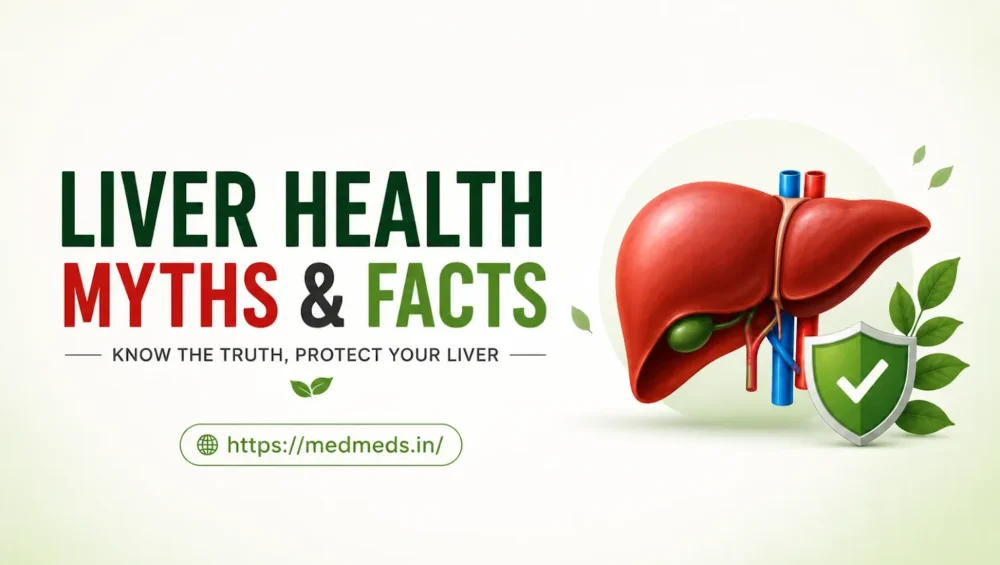
We all know that the liver is a powerhouse of organs in our body. The liver performs the functions such as digestion, storing nutrients, cleansing our bodies of toxins and over 500 more vital processes on a daily basis. Yet, there are many liver health myths about the liver that play on our minds and thus raise doubts about us and result in negative lifestyle practices as well as delaying treatment or consultations. Let’s address these myths and clarify on their actual reality so that you can continue on the correct path and get yourselves a liver health that you can be happy about.
MYTH 1: Fatty liver disease can only occur among alcohol drinkers.
One of the most common myths is that it is solely drinking alcohol which may result in fatty liver disease in an individual. An important thing that might confuse many of us is the very concept that only the act of drinking would be resulting in the cause of fatty liver diseases thereby causing doubt among the drinkers and making us believe that if we don’t drink, then we are safe. Well, the reality of modern day sedentary living and eating habits coupled with other factor such as obesity and diabetes have given rise to a sharp increment in number of liver diseases among people and it’s a big myth that only alcohol will lead to fatty liver diseases. Believing this would surely be a mistake as it would result in late measures.
FACT 1: Even non- drinkers can suffer from grade 1 fatty liver disease.
Surprisingly it is true that grade 1 fatty liver diseases can also affect individuals who do not at all or rarely ever drink alcohol. Excess body weight, insulin resistance, high cholesterol and poor eating habits are certain main causes for the same and while fatty accumulation would take place among our liver cells, damage would often be null. Such cases can be managed through a better lifestyle, diet plan, exercise and proper weight management. Therefore, getting hold of the truth behind fatty liver mythsand fact is essential for all.
MYTH 2: The disease liver always gives visible symptoms.
Another prevailing myth is that liver diseases have visible symptoms, pain, tiredness or fatigue in us or a feeling of nausea and bloating that indicates symptoms of liver damage. This causes us to disregard our health checkups. It’s a fact that it may take years for the liver disease to be diagnosed as most of the times there are no evident symptoms. Liver myths that make us believe that the liver will indicate the symptoms have led many people to postpone medical tests for quite long and thereby increase potential risks to health.
FACT 2: Grade 2 fatty liver can be asymptomatic.
Individuals suffering from fatty liver grade 2 disease do not show evident symptoms and apart from slight tiredness and abdominal dull ache they generally feel absolutely healthy and normal while their condition develops, hence screening tests are necessary to avoid future problems. It is advisable that such patients continue with a healthy treatment plan so as to get the best prognosis.All India Institute of Medical Sciences (AIIMS) and others believe that every person should be tested to foresee the possibility of suffering from liver diseases to minimize the side effects at later stages.
MYTH 3: Our liver does not play a significant role in our body.
Often it is believed that since normal liver size in cm varies with every person then its measurements would not mean much for our body’s well being and physicians would ignore them in an ultrasound or scanning test. However, this is not the case and liver’s measurements in cm are extremely important for physicians to get a clear idea of whether or not we are functioning appropriately or if something might be the cause of some condition in our body.
FACT 3: The standard measurement of liver in cm provides useful results.
Medical scan reports should be compared with the size of a healthy liver that falls under a certain centimeter measurement range and an abnormally smaller or larger liver could be caused due to fatty liver disease, infection, inflammation and many other factors. Doctors can learn valuable insights from such measurements that are vital if you intend to treat the disease at earliest and avoid later complication and problems as an accurate and well measured liver size would provide doctors vital information with regards to how your liver functioning might be.
MYTH 4: All liver tonics and syrups perform equally.
We believe that most liver syrup work in the same way and give us results equally no matter what the product is. The fact that certain medicines claim to do just anything will also make us believe that they are good for us, yet that is only in the eyes of a businessman or consumer. It is a fact that different companies would be having different ingredient and different levels of control over quality standards. It would not be useful to check the functioning of all such liver tonics/ syrups since their performances vary widely.
FACT 4: A good liver tonic syrup could be beneficial.
High quality liver syrups will consist of a mixture of scientifically tested and proven ingredients and they may be manufactured by respectable pharmaceutical companies. Certain liver syrups will have good health benefits over others for the liver which will lead to an increase in our digestion and liver health whereas other will not be giving enough results. Therefore, relying on guide for liver tonics and syups and speaking to our doctor would lead us to select best liver support supplements. for ourselves.
MYTH 5: Alcohol consumption is the sole contributor to liver disease.
Since we are told that most liver diseases occur because of excessive alcohol intake most people have the mistaken belief that this is the only reason for liver diseases in us. Such a false conception may indeed cause one to neglect many other causes of contracting liver diseases.
FACT 5: A multitude of factors may cause a liver disease and these must be diagnosed by liver specialists.
Liver specialist will reveal that the formation of a liver disease might result in due to Diabetes, Obesity, a virus that causes viral Hepatitis B/ C or due to other reasons such as some autoimmune disorder, certain medicines that may damage our liver and others metabolic disorders. It is therefore extremely important that one correctly diagnose the cause of their liver condition with the help of liver specialists to maintain their health. Seeing liver specialists at a routine basis would also increase awareness and help avoid any complications or side effects in future.
Myth 6: Liver Function Tests (LFTs) are too expensive.
Cost is just one of the most important factors as people do not have any other reason for not having their relevant check-ups done; especially people with a risk of developing a liver disease avoid its detection and medication as it can be regarded as being of high price.
Fact 6: Knowledge of the cost of LFTs is conducive towards prevention.
LFTs liver function test price but in no comparison to what may be lost both financially and emotionally once a liver disease has established itself and is progressing rapidly-physical health and finances will both suffer. LFTs detect early warnings in the absence of symptoms allowing for early treatment; and it is imperative for you to make sure that your liver is monitored consistently so that you are given the relevant preventive treatment for the same.
Myth 7: The liver function tests results are hard to understand.
Customers always find themselves puzzled at the complicated and winding chemical names on their test reports and therefore choose to disregard the relevant information as something insignificant, having no concept of the repercussions that may follow after the read-out of your liver function tests.
Fact 7: A comparison of the range for liver function tests gives an insight into the functions of the liver.
The enzyme levels along with any other indicators present in the test results may be compared with a set of liver function test normal range so that you may know whether a particular enzyme’s level is normal, more than average or lesser than average. Data included within liver function test reports will go a long way in the assessment of any signs of liver inflammation or developing disorders, which would eventually be a leading cause to a deteriorated liver.
Myth 8: A normal liver function test results guarantee perfect liver health.
Most customers will assume that since their blood report has given them a normal reading it goes without saying that there is nothing more to the liver that could be abnormal. This is only partially true.
Fact 8: Not all conditions of the liver may be indicated by a normal liver function test result.
Although you may receive the relevant blood test report indicating that all is normal, not every condition associated with the liver may be detected on blood tests; and may require more invasive tests, or imaging. A thorough knowledge of a patient’s symptoms, history and physical examination should be accounted for in order to not undertreat or overtreat patients.
Myth 9: Hepatic enlargement only happens due to drinking alcohol.
People perceive liver problems as being associated only with the damaging effects of alcohol because all literature in relation to it primarily discusses those problems which stem as a result of alcoholic drinks; and, this naturally leads to them assuming that such a disease will only develop under the influence of drinks like these. This assumption that problems with the liver are brought about by just one type of damage may actually lead to treatment that is less effectual than it should be.
Fact 9: Many causes contribute to hepatic enlargement.
Many factors contribute to swelling of the liver; including liver swelling causes, different types of viral hepatitis, any imbalances in hormones including the use of alcohol etc; It is imperative that you determine the cause of your hepatic enlargement so that other associated conditions of the liver do not develop or become more severe.
Myth 10: Keeping a liver healthy is not possible naturally.
Although liver disease requires medicine for treatment, you also have control over your lifestyle that could affect your liver greatly. The suggestion here is that if you avoid drugs and take natural treatment instead you will be able to help your liver be healthy.
Fact 10: Certain lifestyle choices may prove very beneficial in maintaining a healthy liver throughout your life.
Taking the appropriate food that is best suited to your liver, cutting back on unhealthy food choices and choices of meal preparation, keeping as mobile as you are expected to be at relevant times and incorporating liver friendly food into your diet, you will also be able to help take care of your liver. Ensuring that you have a high water intake during your daily routine will be something which is important for liver health as will taking a good course of liver supplements or certain herbal remedies.
Natural Support for Liver Health
Along with a healthy diet and lifestyle, simple natural habits can support liver function. Staying hydrated and eating antioxidant-rich foods may help reduce stress on the liver. One commonly used home remedy isturmeric water, which contains curcumin known for its anti-inflammatory and antioxidant properties. While it is not a treatment for liver disease, adding (turmeric water) in moderation along with proper diet and exercise may support overall liver health.
Conclusion
Understanding the difference between liver health facts and misinformation is essential for protecting your health. Many myths about fatty liver disease, liver detoxes, testing, and supplements can prevent people from making informed decisions. Instead of relying on assumptions, focus on evidence-based information, routine medical checkups, balanced nutrition, and healthy lifestyle habits. By following proven liver disease prevention tips and recognizing the real liver cleansing truth, you can support your liver naturally and maintain better health for years to come.
FAQ’S
Early signs of liver damage may include fatigue, loss of appetite, nausea, abdominal discomfort, dark urine, and yellowing of the skin or eyes. However, many liver condition show no symptoms in the early stages.
Yes, in many cases fatty liver disease can be reversed through weight management, regular exercise, a balanced diet, and reducing sugar and processed food intake.
Foods that support liver health include leafy greens, berries, nuts, fatty fish, whole grains, garlic, turmeric, and plenty of water.
Healthy individuals may only need testing during routine checkups, while people with risk factors such as obesity, diabetes, or alcohol use may require more frequent monitoring.
Yes. Poor diet, obesity, viral hepatitis, certain medications, and genetic conditions can contribute to liver disease even in young adults.
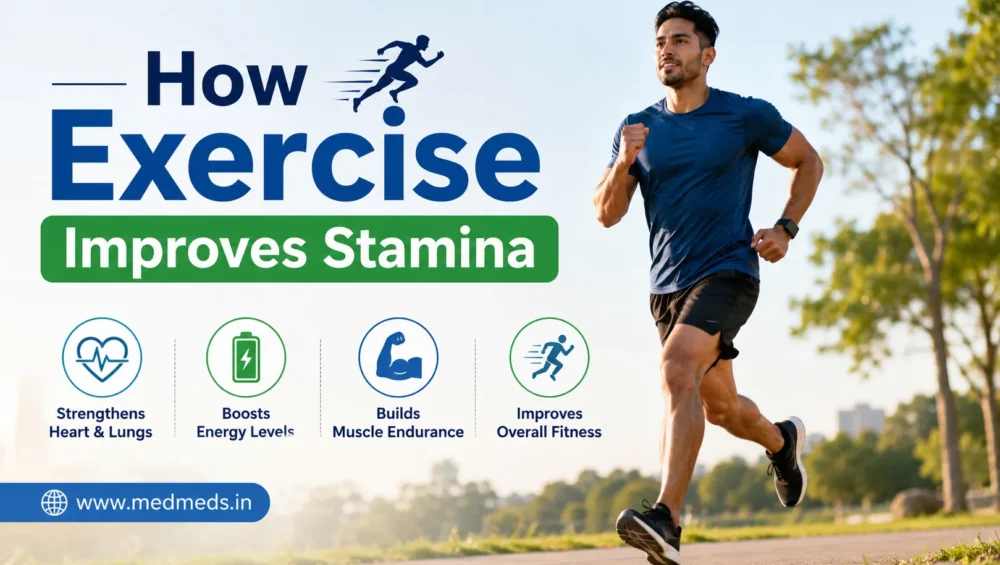
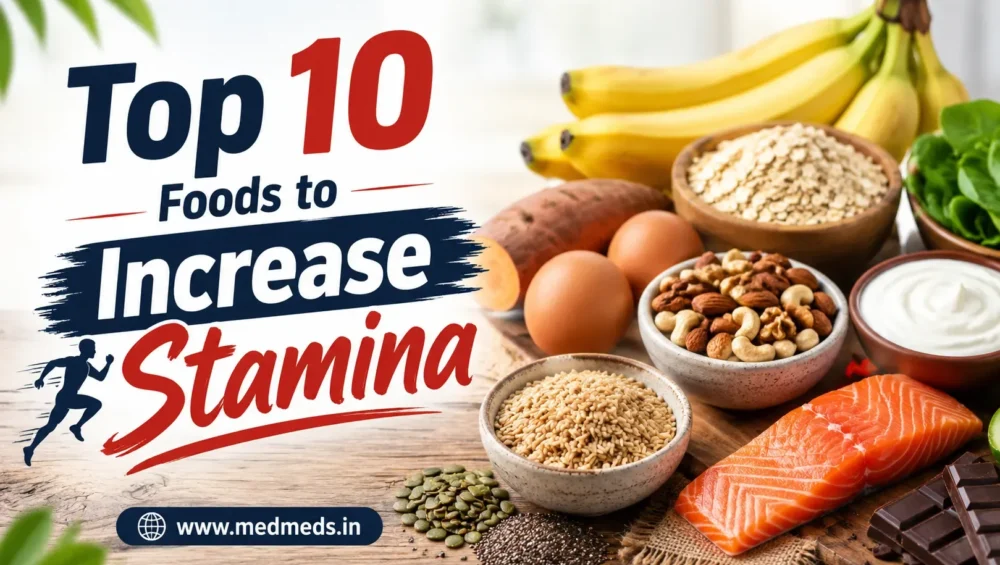
A lot of people end up asking when they can get more energy for day to day stuff, work, sports, or fitness aims. Like, if you ever feel tired after climbing stairs, walking for a while, or finishing up physical chores, then improving stamina can really help you stay up and moving longer , without that heavy, drained feeling.
Stamina is basically how your body keeps going through physical activity for extended stretches. It’s kinda a combined situation, it ties together the performance of your heart, lungs, muscles, and those different energy systems. If you do regular training you are basically conditioning all of that little by little so it works together more smoothly. After that, your everyday activities feel lighter, and you recover quicker afterward. And yes consistent exercise can act like a real stamina booster, keeping you feeling energized throughout the day
The best part is you dont need extreme workouts to build stamina. You just need consistent motion , gradual progress, and the right mix of exercises, which can boost your endurance over time in a pretty steady way.
What Is Natural Endurance and Why Does It Matter for Daily Life?
Building natural stamina is this slow, kinda gradual process that just shows up when your body learns how to handle steady movement. Every time you train, your system begins to figure out how to use oxygen, bring in nutrients, and the stored energy sources in a more efficient way, not just for a short moment but for longer stretches. Doing regular exercise is probably the most natural path to raise endurance, so you stay lively and energized without depending on any stamina tablet, or those fast fixes that don’t really last.
How Does Cardiovascular Fitness Help You Stay Active for Longer?
One of the biggest benefits from exercise is better cardiovascular fitness, you know? Your heart does the whole thing of pumping oxygen- rich blood through your body, and when you exercise your muscles are like “hey we need even more oxygen” so your heart ends up working harder. Kinda like, boosting that cardiovascular fitness with running or cycling is probably the most reliable route for Increase stamina in a natural way
Over time, your heart gets stronger , and also more efficient, meaning it can push more blood with each beat. That’s why physical activity starts to feel less demanding. Because of that, even simple stuff like walking, climbing stairs, jogging, and other everyday motions turns into something that feels less of a burden.
Benefits include:
• Improved blood circulation.
• Better oxygen delivery, to muscles.
• Reduced feelings of fatigue .
• Increased physical performance, and generally more stamina.
• Better overall health.
With a stronger cardiovascular system you can stay on your feet longer periods, without getting breathless, or all worn out. It kind of helps your body keep moving in a more steady way, not just for a short run but overall.
Why Is Lung Capacity Improvement Important for Building Stamina?
Regular exercise really helps with lung capacity , and yeah it’s kind of a big deal. When you’re doing any kind of physical activity your breathing rate goes up , so your body can deliver more oxygen to the muscles that are doing the work. By sticking with a steady endurance routine, you’re using a well known approach to strengthen your respiratory system and keep serious lung problem further away.
And then, as you keep showing up and exercising on a consistent basis, the respiratory system starts to operate in a more efficient, smoother way. You usually take in deeper breaths, and your body then makes better use of oxygen. That kind of change, can also make breathlessness feel less intense during movement , plus it supports stronger overall stamina.
Better use of oxygen ,
• Breath work feels more efficient
• Exercise results become stronger
• Endurance is better for daily tasks
• You feel less wiped out when things drag on
When your body gets oxygen in a more effective way it can turn that into energy more properly , so you can stay in motion for a longer time.
How Does Muscular Endurance Help Reduce Everyday Fatigue?
Improving muscular endurance helps your muscles keep doing the same repetitive movements for longer stretches, before they start feeling exhausted. Whether you are hauling groceries, cycling, hiking, or working out , your muscles still need a steady supply of fuel. With regular training, muscles learn to tap into that energy in a more efficient way and at the same time, resist fatigue.
Some perks you might notice from better muscular endurance include :
• Longer exercise sessions
• Better physical performance
• More reliable posture and stability
• Less muscle fatigue, overall
• Enhanced day to day functionality
Stronger plus more lasting muscles sorta support your body during exercise and also in everyday life.
The Ultimate food for muscle growth.
Eggs: packed with top-tier protein, good fats , and key B vitamins, all of which are needed for muscular recovery and energy output.
Chicken Breast: this usual lean protein thing is pretty efficient, it gives a lot of protein per serving, with smaller fat content, so it can help repair muscle fibers.
Greek Yogurt: includes a mix of quick and slower digesting proteins, whey and casein, so it becomes a solid snack for ongoing muscle support .
Cottage Cheese ( Paneer ): it’s loaded with casein protein that releases amino acids gradually into the bloodstream, which is great for keeping muscles fueled over night.
Fish ( Salmon and Tuna ): packed with first-rate protein and omega-3 fatty acids , these can help calm muscle inflammation and also speed up recovery.
Lentils and Beans: really good plant based protein choices, plus complex carbohydrates and fiber, for longer lasting workout energy .
Which Types of Exercise Are Most Effective for Improving Endurance?
Picking the proper exercise for Strength Endurance can help you build stamina ,quicker and with more intention. Some workout styles hit the body in slightly different ways and that makes it easier to raise both your cardiovascular power and muscular staying power.
A well rounded routine should sneak in aerobic activities, strength training, and interval workouts too, so your stamina development gets the best results.
What Are the Aerobic Exercise Benefits for Long-Term Stamina?
The aerobic exercise benefits of walking and jogging make them some of the most effective activities for improving stamina.
Walking and jogging are kinda the pretty obvious wins when it comes to aerobic exercise, and also they’re among the best ways to build up your stamina overall, honestly. They keep you moving nonstop, like constantly nudging your heart rate upward but in a sort of rhythm that stays pretty steady, and it’s still doable. It’s not overly chaotic, not exactly a total mess either. This kind of thing really trains your cardiovascular system ,and it helps your body learn how to use oxygen more efficiently, which is the real “magic” part .
Walking , and jogging , are kind of the pretty obvious wins when it comes to aerobic exercise and, honestly they’re also among the best ways to build up your stamina overall. They keep you moving without stopping , sort of nudging your heart rate upward in a steady tempo that feels pretty stable, and yeah it’s still doable. It’s not overly chaotic, not really a full-on disaster either. This type of thing trains your cardiovascular system, and it helps your body learn how to use oxygen more efficiently, and that’s the real “magic” part
Benefits of aerobic exercise
• More endurance
• Better blood flow
• Improved heart wellbeing
• Higher calorie burn
• Consistent energy release
Walking is ideal for beginners,while jogging usually feels more demanding for people who are already at a higher fitness level.
What Are the Interval Training Benefits for Faster Stamina Growth? Many fitness experts recommend interval workouts, because of the strong interval training advantages they bring, sort of like a secret weapon for progress. Interval training alternates short stretches of higher effort, with recovery breaks. And yeah, the whole interval training method can feel different each session.
You can try this style:
• Walk quickly for 60 seconds.
• Slow down for 90 seconds.
• Repeat for 15–20 minutes.
Some benefits you might notice, are:
• Improved cardio performance
• Better stamina development
• Increased workout efficiency
• Enhanced calorie burn
• More endurance gains in less time
In short, this approach pushes the body but still keeps the workout fun, and effective too.
Can Bodyweight Exercises Improve Strength and Endurance Together?
Simple bodyweight exercises help improve both strength and endurance without requiring expensive gym equipment.
Examples include:
Squats
Lunges
Push-ups
Step-ups
Planks
Benefits include:
Improved muscle endurance.
Better balance and coordination.
Increased functional strength.
Enhanced mobility.
Support for everyday activities.
These exercises help build a strong foundation that supports overall stamina development.
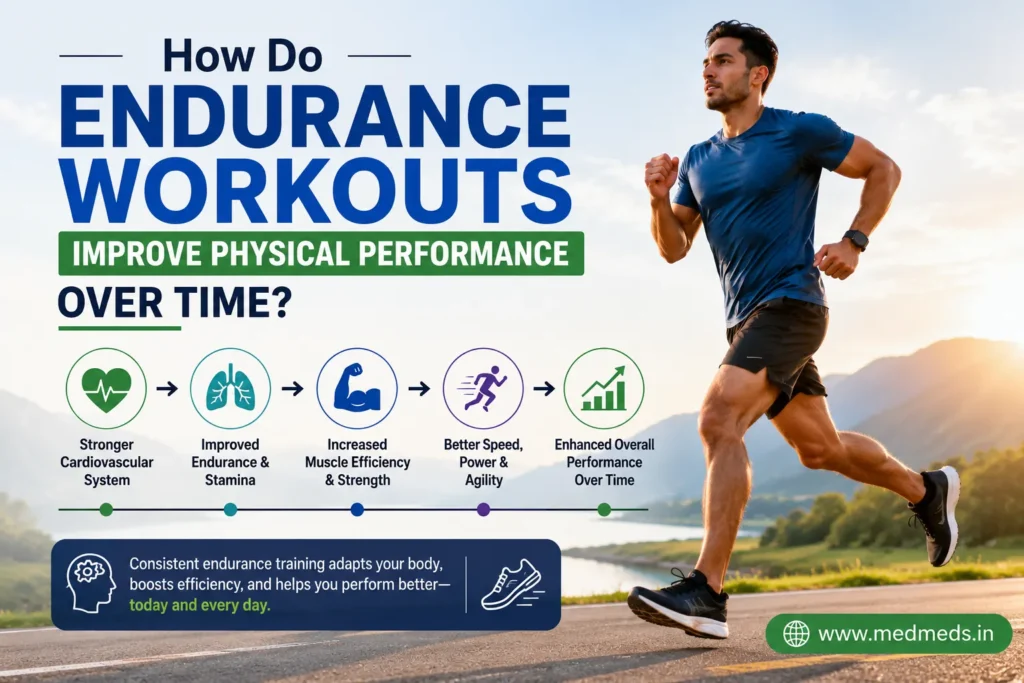
How Do Endurance Workouts Improve Physical Performance Over Time?
The best endurance routines are usually the ones you can actually manage to keep going, day after day, week to week. Sustainability seems to matter more than going all-out, full intensity every single time, you know. If you stick with just one kind of workout, even when it’s really solid, it starts to feel boring fast. Exploring different ways to improve stamina can make your routine more engaging and easier to maintain over time.
A better idea is to switch between weight lifting and running, or do both but in a different order every week. You can even toss in swimming here and there, and add a yoga session too, even when you feel a little lazy, or “just not today.” That mashup taps into different sides of your wellbeing, in a way.
The weights help with muscle growth and they also build sturdiness in your bones. Cardio like cycling helps your heart and lungs work smoother and harder, over time. Yoga gets you moving with more ease, and your balance often sharpens as well. When you change things up, you tend to reach your fitness goals more evenly, and your body gets pushed a bit, but in a useful direction. Also, you dodge that stuck, same-old-same-old mood that shows up when the plan goes stale.
Cycling for Joint-Friendly Exercise
Many people prefer cycling because it is a highly effective joint-friendly exercise that places less stress on the knees and ankles compared to running. Cycling attracts many people because it provides a great workout without hurting the body. It is a low impact activity. This means it does not put heavy pressure on your joints. Running hits the pavement hard. Each step sends a shock through the ankles and knees. Cycling avoids this. The pedals support your weight while your legs move in a smooth circle. This makes it a safe choice for people with old injuries or joint pain. It helps build heart strength and leg muscle without the risk of wear and tear. People who cannot run often find that a bike lets them stay active and fit.
Benefits include:
Improved cardiovascular endurance.
Increased leg strength.
Better stamina development.
Lower impact on joints.
Suitable for all age groups.
Cycling can be performed outdoors or on a stationary bike, making it a versatile option for improving stamina.
Swimming for Full-Body Conditioning
A lot of people seem to lean toward cycling, because it is kinda a pretty joint friendly routine, and it also puts less strain on the knees and the ankles than running does. Cycling feels appealing to many, since it offers a solid workout without causing to much discomfort, to the body. It’s a low impact activity so it doesn’t dump heavy pressure onto your joints. Running on the other hand, hits the ground pretty hard. Every single step sends this jolt right through ankles and knees. With cycling you kind of sidestep that whole thing, the pedals actually hold some of your weight while your legs keep moving in a steady circular rhythm so it feels safer. That’s why it works well for people with older injuries or lingering joint pain. You can also build heart power and leg strength, without the same kind of risk for “wear and tear”. Folks who can’t really run often find that hopping on a bike helps them stay in motion, active and fit.
Some of the benefits include:
• Stronger cardiovascular endurance.
• More leg muscle power.
• Better stamina progress.
• Less impact on the joints.
• Fits just about every age group.
You can do cycling outside, or on a stationary bike so it stays flexible for anyone trying to level up stamina and overall fitness..
Healthy Fitness Routine: Who Should Modify Certain Exercises?
Even though exercise helps most people , making a solid fitness routine is really about choosing activities that match what you need from day to day, and also where you’re at physically right now. When it comes to heart health for high blood pressure, a lot of folks end up seeing that moderate cardio style movement can help circulation work smoother, yet still not push your body into too much strain.
Some typical choices are like
• walking
• light cycling
• swimming
• low-impact aerobic sessions
Meanwhile, workouts that lean on extremely heavy lifting , or those full-on exertion efforts, may not be the best match, unless you’ve got proper professional guidance first.
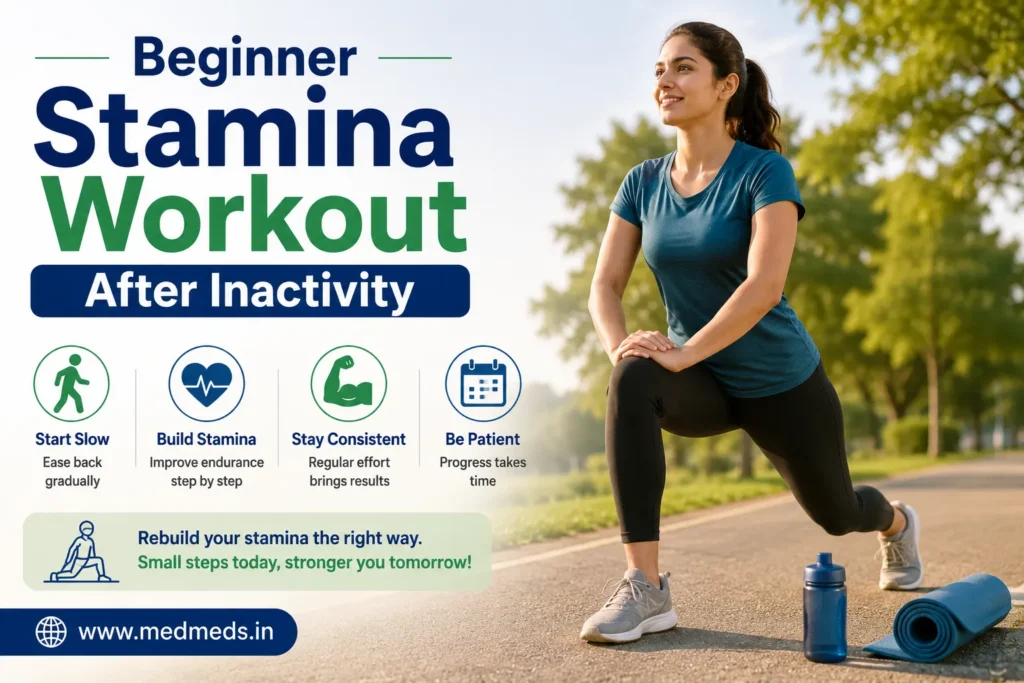
Beginner Stamina Workout After Inactivity
A structured beginner stamina workout: When you’re getting back to exercise after a long pause , having some sort of beginner stamina routine is pretty important even if it feels a little dull at first. A lot of people who stopped hitting the gym or playing sports for a while usually need a clear roadmap, so they can return to feeling “in shape” again. If you jump straight into tough sessions you know the ones that leave you wrecked it can lead to injury, or just full on burnout. A more set endurance plan lets you build capacity step by step , not all at once , not like a sudden switch.
So instead of rushing in, you start with easy basics like light walks or short jogging bursts and then you add a bit more time each week. This helps keep your heart and muscles from getting overwhelmed by too much strain too quickly , and it makes the process feel more manageable. A decent plan also makes it easier to track improvement so you can spot the moment it’s smart to nudge things upward. That slow progression really supports getting your breathing rhythm and strength back, without you crashing halfway through. Also , starting gradually lowers the injury risk, and it stops the kind of exhaustion that tends to mess things up for most folks.
Good starting activities might include :
• Short walks
• Gentle cycling
• Basic stretching
• Light bodyweight drills
Then you build up the workout length and intensity bit by bit , so your body can adapt in a safer way, instead of guessing and hoping for the best.
Fatigue Reduction for Sensitive Joints
Individuals experiencing joint discomfort can focus on activities that support fatigue reduction without creating additional stress on the body.
Suitable options include:
Swimming.
Cycling.
Walking on soft surfaces.
Elliptical training.
These exercises help improve stamina while minimizing impact on the joints.
How Can You Follow a Safe and Effective 12-Week Stamina Training Plan?
Effective stamina training really seems to work best when you stick to the rule of step by step progression. If you push activity too quickly, it can bring on aches, minor discomfort, and sometimes it turns into real setbacks. which is honestly not what you want.
What should you focus on during the first four weeks?
In the beginning phase it’s mostly about keeping it consistent and building that steady daily spark through regular movement, not by going wild or making it overly complicated.
Goals:
• Exercise 3 days per week.
• Walk, cycle, or swim for 20–30 minutes
• Maintain a comfortable pace
• Focus on forming the habit
The big target here is consistency, not forcing harder intensity.
How can you increase physical endurance during weeks five to eight?
This part leans into building stronger endurance by slowly extending each workout, and also adding a few extra movement options.
Goals:
• Build sessions up to 35–45 minutes
• Add squats and wall push-ups
• Stay with the established exercise routine
• Keep nurturing that growing confidence
By now, many people start noticing improved energy, and smoother recovery too..
Which endurance building Exercises Should Be Added During Weeks Nine to Twelve?
The last phase brings in more tough endurance building routines so you can keep progressing, but safely ,yeah . It’s not just one thing though, you’ll notice it slowly. The goals are pretty clear, yet they kinda blend together as you go.
Goals:
• Add one interval session each week.
• Push the pace in certain segments of the workouts.
• Build up overall stamina capacity, bit by bit.
• Keep an eye on how recovery is coming along.
These small, gradual adjustments help you get the best endurance improvements, without overloading the body too much ..
How Can Consistent Exercise Help You Maintain Long-Term Energy?
Getting that long lasting energy from regular exercise is one of those things that honestly feels kinda nice , again and again . It’s like when your heart, lungs, muscles , and even your whole energy system start running smoother, then daily chores feel a bit easier , and you move around with less resistance, more like you want to do it then treating it like a chore.
Building stamina doesn’t have to mean pushing yourself into maxing out, or some kind of weird extremes . It’s more about gradual progress with steady motion, careful recovery , and routine habits that actually fit in your life . Walking, cycling , swimming , bodyweight training, and even sessions that use interval style pacing can help your endurance climb, but only if you keep at it, because if you do it once then stop, it’s not really going to stick.
With patience, and a real kind of commitment, pretty much anyone can raise their stamina, give their energy levels a boost, and land in a lifestyle that feels more active practical , and useful . The whole point is start from wherever you are , keep showing up , and let your body take its time to adjust, adapt and get stronger..
Conclusion
Building physical stamina sort of feels like a slow, satisfying climb, it really depends on small steady efforts rather than big, dramatic moves. And if you mix easy aerobic sessions, like walking or cycling, with interval work, plus a lot of repetition in bodyweight routines, you end up training your heart ,lungs, and muscles to create energy, and then use it in a more efficient way.
For keeping higher physical energy through life, the fitness plan has to match your own health snapshot—so it’s smarter to protect your joints, keep nutrition on point, and not slide into the overdoing yourself zone. Ultimately long-lasting endurance isn’t about forcing your body into painful extremes, it’s more about staying committed to regular motion, giving your body time to adapt ,and choosing a healthier more active lifestyle..
FAQ’S
Most individuals begin to notice an improvement in their energy levels, breathing efficiency, and recovery time within 4 to 6 weeks of starting a consistent, moderate exercise routine. Reaching your peak physical endurance typically takes a full 12-week structured progression.
Yes. Highly effective exercises like brisk walking, running, cycling, and swimming can be done outdoors. Additionally, functional bodyweight movements such as squats, lunges, and push-ups can be performed easily at home without any expensive gym equipment.
For beginners, the optimal frequency is 3 days per week, with rest or recovery days in between. This setup provides a sustainable daily energy boost while giving your muscles, heart, and joints enough time to repair and grow stronger.
There isn’t just one, but high-protein options like whole eggs, lean chicken breast, greek yogurt, paneer, and fish are considered the ultimate food choices. These items supply the essential amino acids needed to repair the muscle fibers used during stamina workouts.
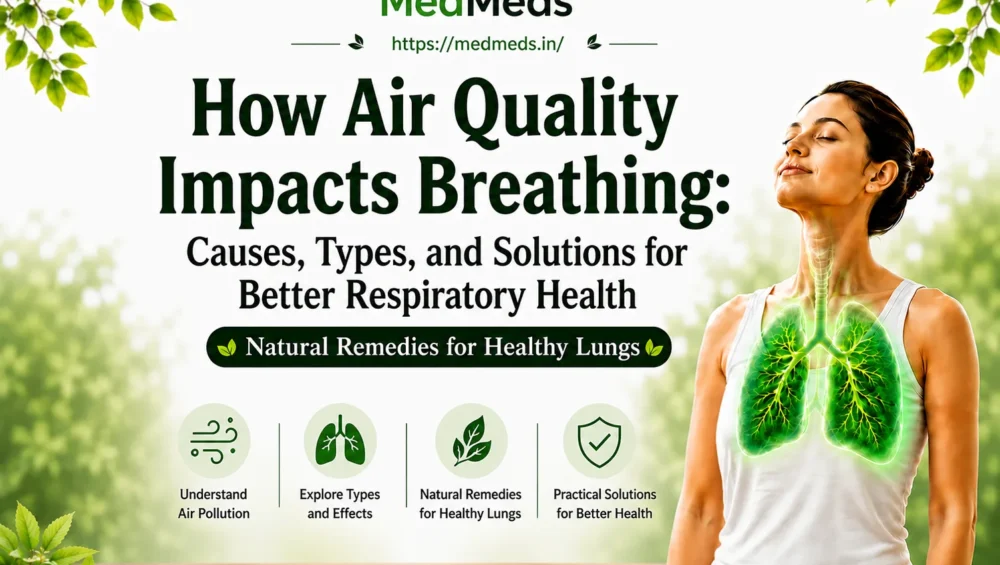
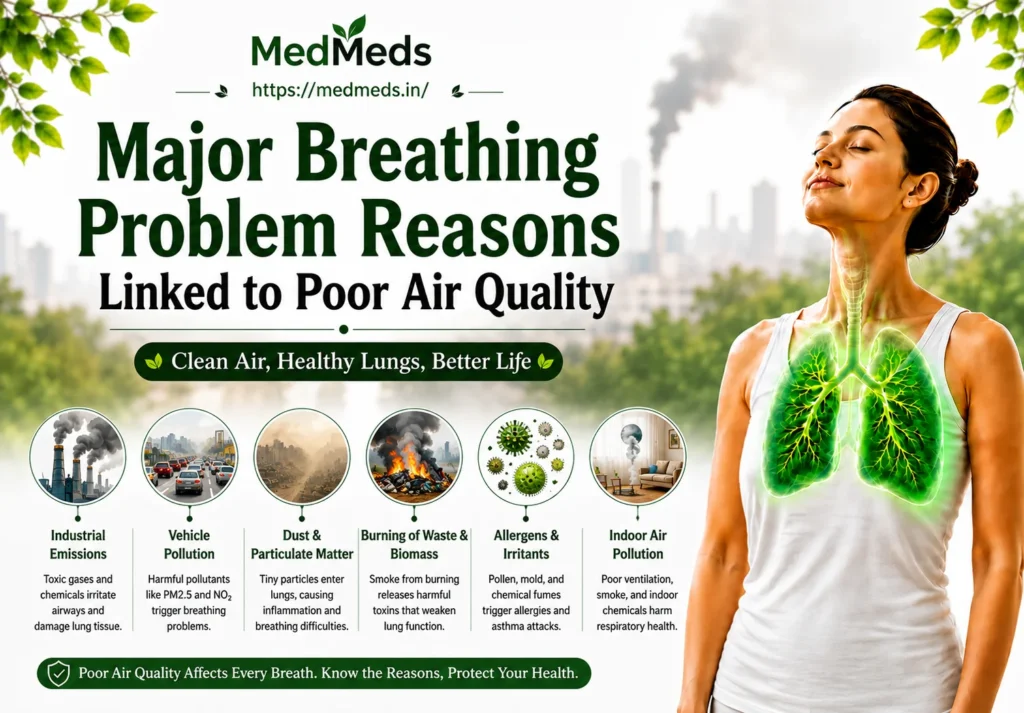
Breathing is one of the most essential functions of the human body, still a lot of people don’t really think about their respiratory health until they get some discomfort or find it hard to breathe. In the past few years, the rising levels of pollution , industrial emissions vehicle exhaust dust smoke, and indoor contaminants have really changed the air quality almost everywhere. Because of that, millions of people end up with breathing problems that slow them down , affect how well they work, and even hurt their general sense of well-being.
Air quality really hits how smoothly our lungs work, like it i s direct. When the air is loaded with harmful pollutants, fussy allergens, and these very tiny microscopic bits, then the respiratory system has to work harder to filter and move those annoyances out. If someone keeps getting exposed for a long stretch, it can bring short-term troubles and also lingering , chronic problems. And sometimes it escalates into serious health complications—yeah, that.
Trying to figure out how air quality messes with breathing is key, if you want to steer clear of respiratory diseases and keep your lungs in good shape, you know. This bit is about how air quality ties into respiratory health, what breathing problem reasons usually are,different types of breathing problems out there, and some workable breathing problem solutions you can use in real life, to help support lung function and your overall wellbeing.
Understanding Air Quality and Its Importance
Air quality is mostly about whether the air is clean or more polluted, kinda like how “fresh” it feels. When the air quality is good, it has very little in the way of pollutants, and it gives a safer place for healthy breathing too. But if the air quality is bad, it can include harmful substances that really can mess with human health in a negative way.
Some common air pollutants include:
Particulate Matter (PM2.5 and PM10)
Carbon Monoxide (CO)
Nitrogen Dioxide (NO₂)
Sulfur Dioxide (SO₂)
Ground-Level Ozone (O₃)
Volatile Organic Compounds (VOCs)
Dust and Smoke Particles
These pollutants can enter therespiratory system and cause irritation, inflammation, and long-term lung damage. Individuals exposed to poor air quality for extended periods often develop breathing problems and respiratory illnesses.
Air quality is basically about how clean, or how polluted, the air feels and looks like it is. When the air quality is good, there are only a few pollutants hanging around and it tends to make for a safer place to breathe, without too much strain on the lungs. If the air quality is bad though, the air can carry a mix of harmful substances, and that can cause real trouble for people’s health, sometimes sooner, sometimes later
How Air Quality Impacts Breathing
The respiratory system is built to filter, warm, and humidify the air, before it actually reaches the lungs. Still, too much pollution can basically overwhelm those natural defenses it has, kinda pushing them past their limit.
Irritation of Airways :- When harmful particles get in the respiratory tract they irritate the lining of the air passages. That irritation can bring on coughing, an uncomfortable throat, and shortness of breath.
Inflammation of Lung Tissue :- When people are exposed to pollutants it can trigger inflammation inside the lungs. Inflamed airways tend to become narrower, so air can not travel as freely. This is one of the major “breathing trouble” reasons connected with lousy air quality. .
Increased Risk of Respiratory Diseases :-Long term exposure to poor air quality raises the chance of developing a few conditions,
including:
Asthma
Bronchitis
Chronic Obstructive Pulmonary Disease (COPD)
Pneumonia
Lung infections
Lung cancer
These problems often lead to breathing issues that last , and they may need continued medical attention or management.
Major Breathing Problem Reasons Linked to Poor Air Quality
A lot of things can mess up breathing. If someone understands the breathing problem reasons behind it they can spot dangers sooner and also try to prevent it. It’s not just one single cause, it’s kind of a mix and match situation, even if it feels random at first.
Air Pollution:-air pollution and lung healthis probably one of the top breathing problem reasons around the globe. Pollutants from vehicles, factories, construction sites, and the burning fuels, all release harmful substances into the air, basically all day long.
Allergens in the Air:-Pollen, mold spores, dust mites, and pet dander can trigger allergic reactions that mess with breathing. These allergens commonly worsen respiratory symptoms, especially for people with asthma, or anyone whose breathing is already sensitive.
Indoor Air Contamination :-A lot of people assume indoor air is safer than outdoor air , but sometimes it’s just as risky. Indoor contaminants often include
Cigarette smoke
Cleaning chemicals
Mold growth
Dust accumulation
Poor ventilation
Smoking and Secondhand Smoke:- Smoking harms lung tissue and can narrow the air passages. Secondhand smoke exposure can still push people into serious breathing problems, especially children who don’t really have a choice.
Respiratory Infections:-Colds, flu, COVID-19, and bacterial infections can inflame the airways and make breathing feel harder than it should. Sometimes it starts mild, then suddenly becomes noticeable.
Occupational Exposure:-Workers in construction, mining, manufacturing, agriculture. you know the usual high exposure jobs often inhale dust, chemicals, and fumes. That inhalation increases respiratory risks, and it builds up over time.
Climate Change and Wildfires:-Higher temperatures, plus more wildfire activity, both contribute to poor air quality. Smoke from wildfires carries fine particles that can travel far, and it can cause significant breathing problems for many people even far away.
Common Types of Breathing Problems
There are a few different types of breathing problems, each one with its own reasons and signs . If people learn about these conditions sooner, they can usually look for the right kind of care, quicker
Shortness of Breath (Dyspnea)
Feeling short of breath is one of the more common breathing issues. Some folks may feel like they can’t fully fill the lungs, or they struggle to get enough air in
Typical causes might include :
Asthma
Heart disease
Anxiety
Air pollution
Lung infections
Wheezing
Wheezing is that high pitched sound people hear while breathing. It often points to airways that are narrowed, or simply blocked up in a way that makes moving air harder
Chronic Cough
A cough that sticks around, more than about eight weeks, may suggest chronic irritation of the respiratory system. This can come from pollutants or an ongoing illness
Rapid Breathing (Tachypnea)
Rapid breathing is when someone breathes faster than usual. This can happen with respiratory infections , lung problems, or even low oxygen levels
Chest Tightness
Chest tightness is often linked with asthma and allergic reactions, it can make breathing feel uncomfortable and kind of tense
Sleep Apnea:- Sleep apnea is also on the more serious side of breathing problems. It involves repeated pauses or interruptions in breathing while someone is asleep, and it can really affect overall health
Hyperventilation
Hyperventilation means breathing too fast , and often deeper than normal. It can disturb the normal balance of oxygen and carbon dioxide in the body
Who Is Most Vulnerable to Air Pollution?
Even though poor air quality affects basically everyone, some groups seem to get hit more often with breathing problems. It’s not just the same level for all people, you know.
Children
Kids have lung problems that are still developing, so they tend to be more sensitive to things like pollution exposure, especially when the air looks wrong.
Older Adults
As people age, lungs problem symptom tends to naturally decline, which makes respiratory complications much more likely.
Individuals with Asthma
For people with asthma, air pollution can really aggravate symptoms, the coughing and wheezing may show up more.
People with Chronic Lung Diseases
Those who have COPD, bronchitis, or other related respiratory conditions are particularly at risk, not just “slightly” either.
Pregnant Women
When air pollution is around during pregnancy, it may influence maternal wellbeing and also fetal health, in ways that are easy to overlook.
Signs That Air Quality Is Affecting Your Breathing
Spotting early clues can help you stop worse complications before they get too far, and you know, it feels like they show up sooner than you think.
Some common signs include
Persistent cough
Wheezing
Shortness of breath
Sore throat
Chest discomfort, or a tight kind of feeling
More mucus than usual
Respiratory infections that seem to pop up often
Fatigue
Reduced ability for exercise
These symptoms might mean your breathing is getting affected by dwindling air quality, and that can happen even when you don’t notice it right away.
Effective Breathing Problem Solutions
Breathing problems can feel rough, but there are practical solutions that help cut down pollutant exposure and, honestly, make breathing feel a bit more normal. For a lot of people this is about doing small things a lot of the time, not some one big trick
Monitor the air quality, like really check it. Looking at the Air Quality Index (AQI) before you go outside helps you dodge those nasty high pollution hours, where everything seems to hit harder
Use air purifiers too, especially ones with HEPA filters. They trap harmful particles and can make indoor air feel cleaner, less dusty, less irritating, in a way that’s easier on the lungs
If the outside air is bad, wear protective masks. N95 masks can filter many airborne pollutants and provide solid protection. Just during those poor air quality periods, not randomly whenever
Improve indoor ventilation and keep air moving. Better ventilation lowers indoor pollutant levels and usually helps your breathing stay more steady
Also, keep indoor spaces clean. Regular cleaning helps remove dust, allergens, and various contaminants that feed into breathing issues, and it’s kind of amazing how much that matters over time
Don’t forget hydration. Drinking enough water helps keep mucus membranes healthy and supports respiratory function, so your system isn’t all dried out
Exercise, but do it smart. Physical activity strengthens the lungs, but outdoor exercise should be avoided during high pollution levels. If you can, choose indoor sessions when conditions are rough Practice breathing exercises. These can be really effective breathing problem solutions for building lung capacity, and improving respiratory efficiency. You can try diaphragmatic breathing, pursed-lip breathing, or deep breathing exercises
Avoid smoking, that one is pretty huge. Quitting smoking remains one of the most effective breathing problem solutions available. Even cutting back is a step but quitting is the goal
And if symptoms keep hanging around, seek medical treatment. Persistent issues should be checked by healthcare professionals, they can provide proper diagnosis and treatment, not just guesswork.
Long-Term Strategies for Better Respiratory Health
Trying to stop breathing problems, really depends on a mix of your own routines plus how you manage the space around you. Not just one thing, you know, it’s kind of all connected
Keep a Solid Lifestyle Eating a balanced diet with plenty of fruits and vegetables helps lung function, because it brings essential antioxidants. Also, a steady hydration routine and consistent sleep, tend to support immune strength, if you pay attention
Cut Down Contact With Pollutants As often as you can.Try to avoid heavily polluted zones. Choose cleaner commute options, when possible. And during severe pollution days, stay indoors, at least for a while. Do Regular Health Checkups
Routine medical check-ups can catch respiratory concerns early, before they grow into something more serious. Sometimes a small symptom is a clue, rather than just “nothing”
Back Cleaner Surroundings When communities push for less emissions and better environmental rules, the air quality usually improves for everyone. It’s not only personal effort, it’s also collective responsibility, kind of tandem action.
The Future of Air Quality and Respiratory Health
As city growth keeps going and industrial work ramps up, air quality is still going to be a big public health issue. Governments, companies, and everyday people all have roles in dialing down pollution and keeping breathing problem in better shape.
With new technology coming in, like smart air monitoring systems, cleaner energy sources, and more effective air filtration tools, there’s real hope that the future will bring less pollution-related breathing trouble. Some solutions are already showing up, kind of quietly, and it feels like things could turn around, even if it takes time.
Conclusion
Air quality has a big, almost profound effect on respiratory health. When people get exposed to pollutants, allergens, smoke, or harmful particles, it can cause all kinds of breathing issues, it can lower lung function, and it may raise the odds of long-term respiratory illnesses.
If you try to understand the main breathing issue reasons, notice the different kinds of breathing problems, and actually use practical breathing problem solutions, that’s one of the important ways to keep lungs healthier and also boost your overall quality of life, day to day.
Also, by keeping an eye on air quality, cutting down exposure to those pollutants, doing a few healthy lifestyle habits, and getting timely medical help when it’s necessary, individuals can safeguard their breathing system and, in time, enjoy easier and healthier breathing for years ahead.
FAQ’S
Poor air quality comes with pollutants like dust, smoke, ozone and fine particulate matter, that can bother the air passages and lungs. If it keeps happening over time ,you may see inflammation build up, lung performance drop, and then all sorts of breathing troubles. This is especially true for people with asthma , allergies, or other respiratory issues they already deal with.
Some of the usual reasons include air pollution, smoking, respiratory infections, allergies, asthma, long term lung conditions, obesity, and being around harsh chemicals or irritating fumes. On top of that, not great indoor air quality can also be a big factor for breathing difficulties.
There are many breathing issues ,for example:
Shortness of breath (Dyspnea)
Wheezing
Chronic cough
Rapid breathing (Tachypnea)
Chest tightness
Sleep apnea
Hyperventilation
Each one has its own causes, plus symptoms, and a few may end up needing medical care.
Yes , absolutely. Air pollution is a very common trigger for asthma attacks. Pollutants can irritate the airways, make inflammation worse and push symptoms up, like wheezing, coughing, and feeling short of breath.
ypical early warning signs include :
Persistent coughing
Wheezing
Shortness of breath
Sore throat
Chest discomfort
More mucus than usual
Often getting respiratory infections
Feeling tired a lot
If these signs linger , it is a good idea to talk with a healthcare professional.
Healthy Breathing is something most people never really think about, until a problem shows up. Still, health experts keep saying that the way people breathe across the day can really shift physical health , mental wellness, energy levels, sleep quality, and even overall quality of life.
As wellness trends keep changing, breathing techniques along with mindfulness routines are getting much more attention from researchers, healthcare professionals, and fitness coaches. You can see it in stress relief programs at work, as well as in yoga and meditation classes, where breathing becomes kind of a main thread in conversations about prevention and daily steadiness.
Even though breathing is an automatic function, experts underline that better breathing habits can help someone feel more awake , more focused, and more tough-minded in everyday life.
The Science Behind Healthy Breathing
Breathing is the body’s main way of getting oxygen to cells, while also letting carbon dioxide out. Every organ depends on a consistent oxygen flow to stay working the way it should, and not sort of lag behind.
If breathing becomes shallow or kinda inefficient, oxygen delivery can drop. That may lower energy output, mess with focus and also reduce physical performance.
Health researchers say the average adult is taking roughly 17,000 to 25,000 breaths in one day. Since breathing happens so constantly, even small upgrades in your breathing style might show up as real changes in overall well-being.
Why Oxygen Intake Matters
Good oxygen intake supports:
Brain function
Heart health
Muscle performance
Immune system activity
Cellular energy production
Experts add that having enough oxygen helps cells make energy in a more streamlined way. This supports stamina, and it also keeps everyday body functions on track, more or less.
Healthy Breathing and Physical Health
Supporting Lung Health:-One of the most important benefits of healthy breathing is maybe improved lung health, and it really matters. The lungs do the job of exchanging oxygen and carbon dioxide. If respiratory function stays in good shape, people often feel more capable staying active , and they may lower the odds of complications that come with poor breathing habits.
Healthcare professionals usually suggest regular physical activity, avoiding smoking, limiting exposure to air pollution , and practicing breathing exercises. Those steps support long term respiratory function, in a kind of steady way.
Promoting Respiratory Health:- Good breathing habits don’t just stop at lung health. They also help with overall respiratory wellbeing. Respiratory specialists often mention diaphragmatic breathing—also known as belly breathing. The idea is that it can make lung performance more efficient by leading to fuller breaths, rather than shallow chest breathing.
With this approach, the diaphragm works in a better, more coordinated manner. That helps the body use oxygen more efficiently, like it’s not wasting as much along the way.
Increased Energy Levels:-Some people get fatigue, but they don’t always connect it to breathing patterns. When oxygen delivery is optimized, the body can create energy more efficiently. Experts say individuals who practice Healthy Breathing often notice:
Improved stamina
Reduced feelings of fatigue
Better exercise performance
Enhanced recovery after physical activity
The Link Between Healthy Breathing and Mental Wellness
Growing scientific evidence suggests that breathing patterns directly influence the nervous system, in ways that are pretty easy to miss at first.
Researchers have found that slow, well-controlled breathing can activate the body’s parasympathetic nervous system, often referred to as the “rest and digest” response. And yeah, it really feels more calm, at least for many people.
This pathway may help bring stress down, while also supporting emotional regulation, even if someone isn’t trying very hard.
Breathing and Stress Management
Stress still counts as one of the most common health issues worldwide. Because of that, plenty of experts now point people toward breathing exercises for stress relief, since it’s simple and still accessible as a wellness tool.
Controlled breathing techniques may help with things like:
Slower heart rate
Less muscle tightness
Gentle relaxation
A steadier emotional state
Mental health professionals often weave these breathing practices into treatment plans for anxiety and for stress-related conditions, too.
Deep Breathing Benefits for Daily Life
The deep breathing benefits health experts commonly highlight include:
Lower stress
Sharper focus
Stronger emotional control
More relaxation
Better oxygen delivery
Studies indicate that even a handful of minutes of slow breathing can cause noticeable physiological changes linked to relaxation and mental clarity.
How Breathing Affects Focus and Productivity
Sleep quality has become a major public health concern as millions of adults report difficulties falling sleep or staying asleep.
Health experts increasingly recommend breathing techniques as part of a healthy bedtime routine.
Better Sleep Through Controlled Breathing
Practicing slow breathing before bed may help:
Lower stress hormones
Reduce racing thoughts
Promote relaxation
Improve sleep quality
People who struggle with stress-related sleep disturbances often find breathing exercises useful for preparing the body and mind for rest.
Because quality sleep is closely linked to immune function, mood regulation, and physical recovery, breathing may indirectly support many aspects of health.
The Rising Popularity of Breathing Exercises
In the last few years breathing practices have turned into a huge wellness trend.
You’ll see them on social media, in workout routines , inside meditation apps and even in workplace wellness programs, where people get guided through sessions.
Many specialists say the reason these breathing methods are catching on is because people are looking for health improvements that are low-cost, easy to find, and still pretty approachable.
Common breathing methods people recommend
A bunch of evidence-leaning breathing techniques are often suggested:
1. Diaphragm breathing:-This approach is about using the diaphragm more and making the abdomen expand when you inhale.
Possible upsides like:
Better lung work
Less stress
More efficient oxygen use
2. Box breathing- Athletes and high-performance folks often use it. Box breathing is basically inhale for the same amount of time you hold, then exhale for the same time, and hold again.
Reported benefits might be:
Sharper attention
Lower anxiety
Stronger mental regulation
3. Alternate nostril breathing:- This one shows up in yoga lineages , and it means breathing through one nostril, then switching.
A few studies indicate it could help with easing tension, and bringing a steadier inner state, too.
Understanding Pranayama Benefits
Among the oldest breathing practices is Pranayama, it is part of traditional yoga and it tends to emphasize controlled breathing techniques in a very deliberate way.
Pranayama benefits that have been supported by research
Research has linked some pranayama practices with
reduced stress levels
better respiratory efficiency
stronger emotional well-being
enhanced relaxation
Health experts often mention that while more research is still underway, many of the findings suggest pranayama may help both physical health and psychological wellbeing , though of course the story is not fully finished yet.
Healthy Breathing in a Modern Lifestyle
Among the oldest breathing practices is Pranayama, it is part of traditional yoga and it tends to emphasize controlled breathing techniques in a very deliberate way.
Pranayama benefits that have been supported by research
Research has linked some pranayama practices with
reduced stress levels
better respiratory efficiency
stronger emotional well-being
enhanced relaxation
Health experts often mention that while more research is still underway, many of the findings suggest pranayama may help both physical health and psychological wellbeing , though of course the story is not fully finished yet.
Conclusion
Healthy breathing is being seen more and more as one of the main pillars for physical as well as mental balance. It helps with lung health and respiratory health but also, it can nudge your energy levels upward, support focus, stress management, and even better sleep. Breathing, kind of quietly, touches almost everything in everyday life.
As breathing exercises keep becoming more popular inside wellness plans and healthcare settings, experts say that breathing the right way is still one of the simplest and most available tools we have for long-run health. Not just the fancy routines either, because even basic breathing improvements can matter.
So whether you go with deep breathing, mindfulness practices, or pranayama methods, noticing how you breathe might be a small change, but it can bring real, meaningful benefits to your overall wellbeing.
FAQ’S
Healthy breathing helps with oxygen delivery , energy production , better focus , stress management, and just overall well-being too.
Breathing brings oxygen to the organs , and it removes carbon dioxide, which supports basic body functions.
Yes . Controlled breathing techniques can, kind of, trigger relaxation responses in the nervous system.
Deep breathing brings stress reduction, improved focus, a calmer state, and better oxygen intake.
Try diaphragmatic breathing, keep a solid posture , move your body with regular exercise, and avoid smoking or inhaling smoke.
Feeling tired during the day or running out of energy during physical activity can make everyday tasks feel harder. Your daily diet can play an important role in supporting energy and stamina. Foods that provide carbohydrates, protein, healthy fats, fiber, vitamins, and minerals can help support your body’s nutritional needs.
If you want to increase stamina naturally adding nutritious foods to your regular meals is a simple place to start. Instead of relying mainly on sugary snacks or energy drinks, choose whole foods that provide useful nutrients and lasting nourishment.
Here are 10 nutritious foods that can support energy, physical activity, and stamina as part of a balanced diet.
1. Bananas
Bananas are one of the easiest stamina building foods to include in your daily diet. They provide carbohydrates, potassium, vitamin B6, and fiber, making them a convenient choice for an active lifestyle.
Why Bananas Support Stamina
Carbohydrates are an important source of fuel for physical activity. Bananas provide naturally occurring carbohydrates that the body can use for energy.
They also contain potassium, an essential mineral involved in normal muscle and nerve function.
How to Eat Bananas
You can enjoy a banana:
On its own as a snack
With oats
With Greek yogurt
With peanut butter
With almonds or walnuts
With whole-grain toast
A banana can be a convenient option before physical activity or between meals.
2. Oats
Oats are among the most practical high energy foods for breakfast. They provide carbohydrates and fiber and can easily be combined with fruits, protein, nuts, and seeds.
Why Oats Support Stamina
The carbohydrates in oats provide fuel, while their fiber content can make a meal more filling. This makes oats a useful alternative to highly processed breakfast foods.
Adding protein and healthy fats can make an oat-based meal more balanced and satisfying.
How to Eat Oats
Try oats with:
Banana or berries
Greek yogurt
Almonds or walnuts
Chia seeds
Dates
Milk
For a nutritious breakfast, combine oats with fruit and a source of protein.
Eggs are a convenient source of high-quality protein and can easily be included in breakfast, lunch, or dinner. They are a practical food choice for people looking to support an active lifestyle.
Why Eggs Support Stamina
Protein helps maintain and repair body tissues, including muscles. Getting enough protein is an important part of a balanced diet, particularly for people who exercise regularly.
Eggs also provide several vitamins and minerals, including vitamin B12, which contributes to normal energy metabolism.
How to Eat Eggs
You can have eggs as:
Boiled eggs
Vegetable omelets
Scrambled eggs
Egg sandwiches
Eggs with whole-grain toast
For a balanced meal, combine eggs with vegetables and a carbohydrate source.
4. Nuts and Seeds
Almonds, walnuts, peanuts, pumpkin seeds, sunflower seeds, and chia seeds are nutrient-dense foods. They provide healthy fats, protein, fiber, and various vitamins and minerals.
Healthy fats and protein can make snacks more satisfying, while their calories contribute to overall energy intake.
Nuts and seeds are also convenient because they require little or no preparation.
How to Eat Nuts and Seeds
Add a small portion to:
Oatmeal
Yogurt
Smoothies
Fruit bowls
Salads
Because nuts and seeds are calorie-dense, a small handful can be enough for a snack.
5. Sweet Potatoes
Sweet potatoes are a nutritious source of carbohydrates, fiber, and beta-carotene. They can be a useful addition to meals for people looking for nutritious foods to increase energy levels.
Why Sweet Potatoes Support Stamina
Carbohydrates are an important source of fuel for physical activity. Sweet potatoes provide carbohydrates along with fiber and other nutrients.
They can also be combined with protein to create a more balanced meal.
How to Eat Sweet Potatoes
Try sweet potatoes:
Baked
Boiled
Roasted
Mashed
Added to grain bowls
You can combine them with eggs, lentils, vegetables, fish, or chicken.
6. Greek Yogurt
Greek yogurt is a convenient source of protein and can be combined with fruits, oats, nuts, and seeds. Depending on the variety, it may also provide carbohydrates and other nutrients.
Why Greek Yogurt Supports Stamina
Protein can help make meals and snacks more satisfying. Combining Greek yogurt with carbohydrate-rich foods such as fruit or oats creates a balanced snack.
It is also convenient for people who want a quick food option with little preparation.
How to Eat Greek Yogurt
Try Greek yogurt with:
Banana
Berries
Oats
Nuts
Chia seeds
Dates
Choose plain or lower-added-sugar varieties when possible.
7. Brown Rice
Brown rice is a whole-grain carbohydrate that provides fiber along with several nutrients. It can be a useful staple for meals that provide regular fuel throughout the day.
Why Brown Rice Supports Stamina
Carbohydrates are an important source of fuel, particularly for people who are physically active. Brown rice provides carbohydrates while also contributing fiber to the meal.
Combining it with protein and vegetables can create a more balanced meal.
How to Eat Brown Rice
A simple meal could include:
Brown rice + dal + vegetables + yogurt
You can also combine brown rice with eggs, fish, chicken, beans, or other protein sources.
8. Dates
Dates are naturally sweet fruits containing carbohydrates, making them a convenient choice among foods for quick energy.
They are small, portable, and require no preparation, which makes them easy to include in a busy routine.
Why Dates Support Stamina
The carbohydrates in dates can provide readily available fuel. This makes them a convenient snack around physical activity.
However, dates are relatively concentrated in natural sugars and calories, so reasonable portions are important.
How to Eat Dates
You can:
Eat them on their own
Combine them with almonds
Add them to oats
Mix them into yogurt
Blend them into smoothies
A few dates with a small portion of nuts can make a convenient snack.
9. Fatty Fish
Fatty fish such as salmon, sardines, and mackerel provide high-quality protein and healthy fats, including omega-3 fatty acids.
Why Fatty Fish Supports Stamina
Protein is important for maintaining and repairing muscle tissue. Healthy fats are also an important part of a balanced diet.
Including fish as part of a varied diet can therefore support overall nutrition and an active lifestyle.
How to Eat Fatty Fish
You can have fish:
Grilled
Baked
Steamed
With brown rice
With vegetables
In a salad
A meal combining fish, vegetables, and a carbohydrate source provides a variety of nutrients.
10. Spinach and Leafy Greens
Spinach, kale, mustard greens, and other leafy vegetables provide vitamins, minerals, fiber, and antioxidants.
Although leafy greens are not high-calorie foods, they are an important part of a nutritious diet.
Why Leafy Greens Support Stamina
Feeling energetic is not only about consuming calories. Your body also needs a range of vitamins and minerals to support normal body functions.
Including leafy greens regularly can contribute to an overall nutritious eating pattern.
How to Eat Leafy Greens
You can add leafy greens to:
Omelets
Dal
Salads
Soups
Sandwiches
Smoothies
Combining leafy greens with protein and carbohydrate sources can make a more complete meal.
The foods you choose every day can play an important role in supporting energy and stamina. Bananas, oats, eggs, nuts and seeds, sweet potatoes, Greek yogurt, brown rice, dates, fatty fish, and leafy greens each provide different nutrients that can contribute to a balanced diet.
If you want to increase stamina naturally, focus on including a variety of nutrient-rich foods in your regular meals rather than depending on quick energy fixes. A balanced diet can provide the carbohydrates, protein, healthy fats, vitamins, minerals, and fiber your body needs to support an active lifestyle. Along with good nutrition, regular physical activity is important because exercise improves stamina by helping the body adapt to sustained physical effort over time.
Yes. Most of these foods can be included regularly as part of a varied and balanced diet. The appropriate amount depends on your individual nutritional needs and overall diet.
Yes. A vegetarian diet can provide the nutrients needed for energy and physical activity when it includes whole grains, legumes, dairy or suitable alternatives, nuts, seeds, fruits, and vegetables.
It can help to limit foods and drinks high in added sugar and low in nutritional value, such as sugary drinks, highly processed snacks, and excessive sweets.
Combining different food groups can create a more balanced meal. For example, oats with yogurt and fruit, brown rice with dal and vegetables, or eggs with whole-grain toast and vegetables can provide a wider range of nutrients.
Yes. Combining fruit with a small portion of nuts or seeds can provide carbohydrates along with protein, healthy fats, and other nutrients.
Many of these foods can fit into a balanced weight-management diet when portions are appropriate. Foods such as vegetables, fruits, oats, eggs, yogurt, whole grains, and fish can provide useful nutrients.
Homemade meals can make it easier to control ingredients, portion sizes, added sugar, salt, and cooking methods. Building meals around whole or minimally processed foods can support a nutritious eating pattern.
No. Different foods provide different nutrients. A varied diet is a better approach than relying on a single food.
Medical Disclaimer
This article is intended for general educational and informational purposes only. The foods discussed here can be part of a healthy, balanced diet, but they are not intended to diagnose, treat, or cure any medical condition.
Individual nutritional needs can vary based on age, health status, activity level, medications, and dietary requirements. If you have a medical condition, food allergy, or specific nutritional concern, speak with a qualified healthcare professional or registered dietitian before making significant changes to your diet.
If you experience persistent or unexplained tiredness, consult a healthcare professional rather than relying only on dietary changes.
About the Author
The MedMeds Health Editorial Team creates health and wellness content focused on nutrition, lifestyle, supplements, and general wellbeing. Content is prepared using reliable health and nutrition information and written in simple language to help readers make informed decisions.
Health information published on this website is intended for educational purposes and should not replace advice from a qualified healthcare professional.
In recent years, herbal products have kind of become more popular among folks who want to go for a more natural way to keep up their well-being, you know. People have been paying a lot closer attention to health and lifestyle choices lately , so consumers are watching the ingredients in the things they use every day. This shift has pushed many individuals to explore natural health product that match their own wellness aims. Rather than the heavily processed options, herbal products are often pulled from plants and botanical sources that have been used for generations. There’s also this pretty clear bond to nature, and old traditional routines, which makes them feel like a calmer, more intentional choice for people trying to balance their health. And honestly, the growing curiosity around natural wellness items also seems to echo a broader movement toward preventive care, plus everyday healthier living habits.
What Are Herbal Products?
Herbal products are basically formulations made from plants, roots, leaves, flowers, fruits and seeds, that over the years have been seen as useful for wellness supporting purposes, kinda like a steady companion. You can find them in all sorts of shapes too , like capsules, powders, herbal teas, oils, extracts and even tablets. A lot of people pick plant based supplements because it feels like a pretty direct way to add natural ingredients to their daily routine, with less hassle, y’know.
The use of herbs goes back thousands of years and a whole bunch of cultures built real know how about how certain plants can assist, depending on the situation. These days, brands try to mix that older wisdom with newer production techniques, so the end result feels safe and dependable, more or less. And the demand for herbal dietary supplements keeps climbing since many consumers want options that match their preferences for ingredients that come right out of nature.
Why Are Herbal Products Becoming More Popular?
The way herbal products are getting popular is mostly because people, ya know, are changing how they think about health, like wellness is a whole thing now. Lately modern shoppers are way more informed than before. They often look up the ingredients before buying, so there is this bigger interest in herbal wellness solution that feel open, and use naturally derived materials. A lot of folks seem to drift away from items with those huge strings of unfamiliar ingredients and instead pick products that include botanical extracts they actually recognize. And honestly, the wellness driven lifestyle, plus social media noticing, and all those educational resources, they all push the demand for other kinds of wellness solutions. As people start focusing on long term health more seriously, herbal products keep getting attention as if they’re part of a wider wellness game plan.
How Do Herbal Products Support a Natural Lifestyle?
A natural lifestyle usually means making certain choices that help with overall well-being, while keeping unnecessary contact with artificial substances as low as possible. Herbal products seem to fit right into this idea, kinda naturally , since they are generally made from botanical ingredients that are sourced from the natural world. Lots of people enjoy the simplicity, and the realness that comes with herbal formulations. Whether someone is into healthy eating, steady physical training , or more mindful ways of living, herbal products can still go along with those daily habits. When individuals pick items that include natural herbal remedies , they can lean into a wellness routine that feels closer to traditional practices, and to genuine nature origins. That connection with nature is one of the biggest reasons many people stay with herbal products.
Why Do Consumers Prefer Plant-Based Ingredients?
The demand for plant based products has expanded quite a bit in recent years, sort of reshaping a bunch of areas from food all the way to personal care and overall wellness. A lot of consumers seem to like pure herbal ingredients because they are often viewed as cleaner, and more closely linked to natural sources. Plant sourced ingredients are broadly known and usually simpler for customers to make sense of, than those more tangled synthetic compounds. The way plant derived extracts have been gaining popularity really points to a wish for products that focus on ingredient quality and a kind of open transparency. As people become more alert about what they put in their bodies, herbal products keep showing up as a top pick, especially for anyone chasing naturally sourced wellness choices.
What Makes Herbal Products a Holistic Wellness Choice?
Holistic wellness is more or less about supporting the body, mind, and lifestyle like theyre tangled together in one big picture of health. Herbal products get connected to holistic well being a lot, because they seem to match that wider way of taking care of yourself. Instead of fixating on just one little bit of health , many herbal formulations are built to play along with other daily routines like proper eating, moving your body, calming down, and that quiet self care stuff. So yeah, using herbal health solutions tends to fit naturally into wellness philosophies that talk about harmony and steady long-term upkeep. For a lot of people, herbal products arent merely “extra pills” or simple supplements, but more like a full lifestyle gameplan, aimed at overall wellness.
Are Herbal Products Suitable for Everyday Use?
One of the reasons herbal products have become so popular is that they feel, kind of, versatile and convenient. They come in formats that slot into everyday life without to much fuss, like capsules, teas, powders, and liquid extracts. A lot of people end up using these herbal products as part of a daily wellness support ritual, to go along with other healthy habits. Since they are easy to find and simple to use, they can be added into busy schedules without real changes in lifestyle. You can take them in the morning, later during the day, or as part of an evening unwind, and that flexible approach is what draws in many different consumers. And yeah, plant based wellness products, they just keep things practical.
How Do Herbal Products Connect Traditional Knowledge with Modern Wellness?
Using herbs for wellness things has a long and storied history across different cultures worldwide, and people have basically been paying attention for ages. In ancient times civilizations carefully watched the plants, they wrote down what worked, and in doing so they built knowledge systems that still kind of shape modern routines. Nowadays, a lot of herbal products take inspiration from traditional herbal medicine, but they also get a boost from research improvements and manufacturing know-how. So you end up with this blend of old, practical insight and newer innovation, it gives consumers that special kind of draw. Keeping these ancient herbal traditions alive helps people link back to tried-and-true self care habits, while still getting the simple convenience, plus the consistent quality standards we expect in the current market.
Why Is Ingredient Transparency Important?
The use of herbs for well ness kind of purposes has a long and pretty rich history across cultures worldwide. Ancient civilizations kind of watched plants closely, then documented what they noticed, and in doing so, built knowledge frameworks that still, today, nudge a lot of modern habits. Nowadays, many herbal products are inspired by traditional herbal medicine , but they also take advantage of research progress and improvements in manufacturing. So this mix of old wisdom with newer innovation gives the whole thing a special kind of pull for consumers. And when ancient herbal traditions are preserved people can end up connecting with wellness routines that have been tested over time , while also getting the practical convenience and quality expectations that fit today’s marketplace.
How Do Herbal Products Support Preventive Wellness?
Preventive wellness is mostly about keeping yourself healthy with proactive lifestyle choices, not waiting around for a problem to show up before you react. A lot of people add herbal products into their daily routines as a kind of natural self care, partly to help with overall well-being. When healthy nutrition , exercise, stress management, and other wellness centered routines are put together, consumers can make a pretty complete way of looking at health. Herbal products are often seen as complementary tools, that kind of support everything else you’re already doing. And honestly the rising popularity of herbal healthcare seems tied to a better awareness of preventive wellness, plus the whole idea of caring for long term health, not just the immediate situation.
Herbal Medicine for Stamina
People looking for herbal medicine for stamina often consider plant-based ingredients as part of their daily wellness routine. Herbal formulations may provide nutritional support for energy, physical endurance, and overall vitality, depending on the ingredients used. However, their effects can vary from person to person, and they should not be viewed as an instant solution for low energy or fatigue. A balanced diet, regular exercise, adequate sleep, proper hydration, and stress management should remain the foundation of a healthy lifestyle. Before using any herbal product, check its ingredients, recommended dosage, possible side effects, and safety information, especially if you take medications or have an existing health condition.
Why Are Herbal Products Popular Across Different Age Groups?
Herbal products tend to pull in people of all ages because wellness needs kind of shift, as life keeps moving. Younger folks might try herbal products alongside an energetic, health minded routine, and many professionals prefer quick and convenient choices that still line up with their wellness goals. As for older adults they may weave herbal products into a calm daily practice that helps keep vitality up, and supports overall well-being, too. The flexibility of herbal nutrition solutions is a big reason they fit so many lifestyles and individual preferences. Overall this wide reach has helped herbal products become a pretty common, well accepted category in the wellness industry.
What Should You Consider Before Choosing Herbal Products?
Picking really good herbal products takes some thinking, not just a quick look. People should check how good the ingredients are, also the way they are produced , the manufacturing standards, and the overall brand reputation. Product transparency matters too, because without clear details it is hard to feel confident about what you’re getting. Learning about the possible herbal health benefits tied to certain ingredients can guide someone toward choices that fit their own aims. And it’s smart to lean toward brands that use steady quality control, plus share the sourcing information in a real, straightforward way. If you spend a bit of time reading and comparing, you can usually spot dependable organic herbal products, and that can actually support your wellness journey in a more grounded manner.
Why Is Sustainability Important in Herbal Wellness?
As environmental awareness keeps growing, sustainability has started to matter a lot for many consumers, and honestly it seems like more people are looking for that kind of thing lately. Responsible sourcing and environmentally friendly production, are now seen as major priorities in the herbal industry too. A lot of individuals decide on sustainable herbal products because they believe it supports both their own personal wellness, and also their broader environmental responsibility at the same time. Ethical cultivation practices help keep plant resources from being used up too fast, and they also encourage a kind of long term ecological balance. You can feel this eco friendly wellness trend, it really mirrors a rising desire to make purchasing decisions that do good for both individuals, and the planet.
Conclusion
Herbal products keep getting more popular, because they blend natural ingredients with old knowledge and some fresh modern invention in a way that feels right to health-minded people today . They support a steadier day-to-day balance, and at the same time they often shine a light on ingredient transparency and sustainability so there are a bunch of benefits for anyone who wants a more natural road to wellness. The fact that awareness about herbal supplement benefits is still rising, tells us shoppers are leaning more and more toward products that match their principles and the way they live. So when someone chooses well-made blends built from natural healing herbs, they can tuck herbal wellness routines into their daily schedule fairly easily, and still feel like they’re backing their overall health .
FAQ’S
Herbal products are wellness products made from plant-based ingredients such as roots, leaves, flowers, seeds, and botanical extracts. These natural health products are commonly used as part of a balanced lifestyle and wellness routine.
A lot of people pick herbal products because they have botanical ingredients that come from natural sources , you know. They are frequently chosen by individuals who want plant based wellness options that feel more in line with holistic choices and that whole way of living. Sometimes it seems simpler, like it just fits better, even if it s not exactly perfect.
Yeah, most herbal products are put together using natural herbal remedies sourced from plants, and herbs really. Still, people should go ahead an read the label, just to get the full picture of what’s inside, like the whole ingredient roster and the overall product composition, because it can be a bit more complicated than it seems at first .
Yes, most herbal products are made with natural herbal remedies, got from plants and herbs. That’s why consumers really should read the labels though, so they can understand the full ingredient list, and even the product composition, properly.
Herbal products are typically made from plant derived extracts and botanical sources, while synthetic products are created using manufactured compounds. The choice often depends on personal preferences and wellness goals.
If yoIf you are looking for a natural stamina booster to support energy, physical performance, and everyday endurance, Shilajit is one supplement you may come across. This dark, mineral-rich substance has been used traditionally in Ayurveda for vitality and general wellness, while modern research has begun examining its possible effects on muscular performance and male hormone levels.
But does Shilajit actually improve stamina? The answer is more nuanced than many supplement advertisements suggest. Early human studies have reported promising findings, including better retention of muscular strength after fatigue and increases in testosterone-related measures with specific purified Shilajit preparations. However, these studies are relatively small, and their results cannot automatically be applied to every Shilajit product.
This guide explains Shilajit benefits for men, possible uses, research-based dosage information, side effects, safety considerations, and how Shilajit may fit into a healthy approach to improving stamina.
Quick answer: Shilajit may support certain aspects of physical performance and male wellness, but current human evidence is limited. It should be viewed as a potential supplement rather than a proven treatment for low energy, low testosterone, chronic fatigue, or sexual problems.
What Is Shilajit?
Shilajit is a naturally occurring, dark, sticky substance found in mountainous regions. It develops over long periods through the transformation of plant material and other organic substances.
Its composition can vary depending on its geographic source, processing, and purification. Shilajit contains organic compounds, minerals, fulvic substances, and other constituents that researchers continue to investigate.
Shilajit has traditionally been described as a Rasayana, a category associated with rejuvenation and vitality. This traditional use has contributed to its modern popularity as a stamina booster. For people wondering what is stamina it generally refers to the ability to sustain physical or mental activity over a period of time without becoming excessively fatigued.
However, raw Shilajit and purified Shilajit should not be treated as interchangeable. Product quality is important because poorly processed or contaminated Ayurvedic products can pose health risks. The National Center for Complementary and Integrative Health (NCCIH) notes that some Ayurvedic preparations have contained potentially toxic amounts of lead, mercury, or arsenic.
Is Shilajit a Natural Stamina Booster?
Stamina depends on several factors, including cardiovascular fitness, muscle strength, sleep, nutrition, hydration, stress, and general health. No single supplement can replace these foundations.
Shilajit is nevertheless being studied for its possible role in physical performance. One randomized controlled trial involving 63 recreationally active men examined purified Shilajit at 250 mg and 500 mg daily for eight weeks. The researchers found that the 500 mg group showed better retention of maximal muscular strength following a fatiguing exercise protocol in a subgroup analysis.
These findings are interesting, but the study was relatively small and used a specific standardized preparation. Therefore, it would be inaccurate to describe Shilajit as a guaranteed stamina enhancer.
A more evidence-based description is that purified Shilajit may support certain measures of physical performance, while additional research is needed.
Shilajit Benefits for Men
Research on Shilajit is still developing. The following potential benefits are based on limited human research and should not be interpreted as established medical treatments.
1. May Support Physical Stamina
One reason people consider stamina supplements for men is to maintain energy and physical performance during exercise or demanding daily activities.
The 2019 randomized controlled trial mentioned above investigated whether Shilajit could influence strength following fatigue. The researchers reported that 500 mg per day of a standardized preparation for eight weeks helped preserve maximal muscular strength in a particular subgroup of participants.
This provides some early evidence for a possible role in physical performance, but larger studies are needed.
2. May Support Healthy Testosterone Levels
Testosterone plays important roles in male reproductive health, muscle development, bone health, and other physiological functions. This has led to interest in Shilajit and testosterone.
A randomized, double-blind, placebo-controlled study published in Andrologia examined purified Shilajit in healthy men aged 45–55. Participants received 250 mg twice daily for 90 days. The study reported increases in total testosterone, free testosterone, and DHEAS compared with placebo.
However, this does not mean that every Shilajit supplement will increase testosterone.
The study used a specific purified preparation and involved a relatively limited population. Men concerned about low testosterone should obtain appropriate medical evaluation rather than using Shilajit as a substitute for diagnosis or treatment.
3. May Complement Exercise Performance
People interested in a best supplement for running stamina should remember that endurance training remains the foundation of cardiovascular performance.
Shilajit research has primarily examined specific measures of muscular performance rather than proving that it improves running performance in all users.
Therefore, it may be considered a complementary supplement for some healthy adults, but it should not replace:
Cardiovascular training
Resistance exercise
Adequate nutrition
Hydration
Recovery
Sufficient sleep
4. May Be Relevant to Male Reproductive Wellness
Traditional use has associated Shilajit with male vitality and reproductive wellness. A small clinical study also investigated processed Shilajit in men with oligospermia and reported improvements in several semen parameters after treatment. However, the study was small and should not be interpreted as proof that Shilajit is a fertility treatment.
If you are experiencing fertility problems, it is better to consult a qualified healthcare professional than rely on sexual stamina supplements or other supplements alone.
5. May Support General Vitality
Traditional Ayurvedic use has linked Shilajit with vitality and rejuvenation.
Modern research is investigating several possible biological mechanisms, but evidence remains insufficient to support claims that Shilajit can prevent aging, dramatically increase energy, or provide universal health benefits.
For this reason, a natural energy booster for men should be viewed as part of a broader wellness strategy rather than a quick solution.
6. May Support Muscular Recovery-Related Measures
Recovery is essential for maintaining physical stamina.
The 2019 Shilajit study measured muscular strength and serum hydroxyproline, a marker associated with connective-tissue metabolism. The researchers reported favorable findings with the 500 mg daily preparation.
However, these results do not establish that Shilajit improves everyday recovery for everyone.
More research is needed before making stronger claims.
7. Contains Compounds Being Studied for Antioxidant Activity
Shilajit contains fulvic substances and other compounds that have been investigated for biological activity.
Laboratory research has explored antioxidant-related mechanisms, but laboratory findings should not automatically be interpreted as proof that consuming Shilajit prevents disease or oxidative-stress-related conditions in humans.
A supplement cannot compensate for consistently poor lifestyle habits.
If you sleep poorly, eat an inadequate diet, remain inactive, or experience persistent stress, taking Shilajit is unlikely to solve the underlying problem.
If appropriate for you, Shilajit should complement:
Regular physical activity
Balanced nutrition
Adequate protein intake
Consistent sleep
Hydration
Stress management
Avoiding tobacco
Limiting excessive alcohol
Shilajit Evidence at a Glance
Area
What current evidence suggests
Physical performance
Promising but limited human evidence
Muscular strength after fatigue
Some positive findings from a small trial
Testosterone
Positive findings in one controlled study
Fertility
Preliminary evidence only
Running endurance
Insufficient evidence
General energy
Not firmly established
Long-term safety
Limited evidence
Product quality
Major consideration
The key point is that promising research is not the same as proven effectiveness.
How to Take Shilajit
Shilajit is commonly available as resin, powder, or capsules.
There is no universal Shilajit dosage that applies to every product because concentration, purification, formulation, and manufacturing methods can differ.
Clinical studies have used specific preparations and doses. For example:
One testosterone study used 250 mg twice daily for 90 days.
One exercise study evaluated 250 mg and 500 mg daily for eight weeks.
These research doses should not automatically be treated as personal medical recommendations.
When using a Shilajit product:
Follow the manufacturer’s labeled serving.
Do not increase the dose to obtain faster results.
Check whether the product has been purified and tested.
Look for clear ingredient and batch information.
Speak with a healthcare professional if you take medication or have a medical condition.
Shilajit Resin vs Capsules vs Powder
Shilajit Resin
Resin is a concentrated, sticky form that is often associated with traditional use. However, appearance alone cannot confirm purity.
Shilajit Capsules
Capsules are convenient and make it easier to measure a labeled serving. They can be a practical option for people who prefer a standardized format.
Shilajit Powder
Powder is another available form. Accurate measurement is important, so follow the product’s instructions rather than estimating the amount.
Which Form Is Better?
There is no strong evidence that resin is automatically better than capsules or powder.
Purity, testing, accurate labeling, and manufacturing quality are more important than the physical form.
When Is the Best Time to Take Shilajit?
There is no scientifically established best time of day for Shilajit.
Some products recommend taking it in the morning or around exercise, but instructions vary between formulations.
The safest approach is to follow the specific product label.
If you experience nausea, dizziness, stomach discomfort, or another unwanted reaction, discontinue use and seek appropriate medical advice.
Shilajit Side Effects
Human safety data on Shilajit remain limited, particularly for long-term use.
Possible problems may include:
Digestive discomfort
Nausea
Headache
Dizziness
Allergic reactions
Problems associated with contaminated products
“Natural” does not automatically mean risk-free. NCCIH notes that supplement safety can be affected by drug interactions and contamination, and manufacturers do not necessarily have to establish the safety and effectiveness of supplements before they reach consumers.
Seek urgent medical attention if you experience symptoms of a serious allergic reaction, such as breathing difficulty or significant swelling.
Why Purified Shilajit Matters
Product quality is one of the most important considerations when choosing Shilajit.
The composition of naturally sourced Shilajit can vary, and poorly processed products may contain unwanted contaminants.
NCCIH specifically warns that some Ayurvedic preparations have contained potentially toxic levels of heavy metals, including lead, mercury, and arsenic.
This does not mean that every Shilajit product is contaminated. Instead, it highlights why consumers should choose products from manufacturers that provide meaningful quality-control information.
What to Look for When Buying Shilajit
Look for:
Clearly identified ingredients
Purification information
Batch or lot information
Appropriate contaminant testing
Clear serving instructions
Transparent manufacturer information
Reasonable health claims
Be cautious of products promising:
Instant stamina
Guaranteed testosterone increases
Permanent sexual enhancement
Miracle results
Cures for medical conditions
Who Should Be Careful With Shilajit?
Talk with a healthcare professional before using Shilajit if you:
Take prescription medication
Use testosterone replacement therapy
Have a chronic health condition
Have kidney or liver problems
Have prostate-related concerns
Have a condition involving abnormal iron levels
Are pregnant or breastfeeding
Have previously reacted to supplements
Research into Shilajit-drug interactions is incomplete, so professional advice is especially important if you take regular medication.
Include adequate protein, whole grains, vegetables, fruits, healthy fats, and sufficient fluids.
Exercise Consistently
Combine cardiovascular activity with resistance training. Gradually increasing training load can improve endurance and physical capacity.
For anyone searching for the best supplement for running stamina remember that structured cardiovascular training is far more fundamental than any supplement.
Stay Hydrated
Fluid requirements vary according to activity, climate, body size, and individual needs. Adequate hydration can help support exercise performance.
Manage Stress
Long-term stress can affect sleep, motivation, recovery, and perceived energy. Regular exercise, relaxation practices, and healthy routines can help.
Avoid Smoking
Smoking can negatively affect cardiovascular and respiratory health, both of which contribute to physical endurance.
Is Shilajit Really a Natural Stamina Booster?
Possibly—but the current evidence is not strong enough to call Shilajit a proven stamina treatment.
Human research has produced some encouraging findings.
One controlled trial found that a standardized 500 mg daily Shilajit preparation helped preserve maximal muscular strength following a fatiguing exercise protocol in a subgroup of recreationally active men.
Another randomized study reported increases in total testosterone, free testosterone, and DHEAS after 90 days of purified Shilajit in healthy middle-aged men.
However, these findings came from specific preparations and relatively small studies.
Therefore, the most accurate conclusion is that purified Shilajit may have potential for supporting certain aspects of physical performance and male vitality, but more high-quality research is needed.
Conclusion
Shilajit shows promise as a natural stamina booster, with research suggesting benefits for energy, performance, and male wellness. However, evidence is still limited, and results vary by product quality and individual health. Always choose purified, tested Shilajit and follow proper dosage. As the WHO emphasizes, true health comes from a balanced lifestyle, not supplements alone.
(FAQs)
Some studies have explored the relationship between Shilajit and testosterone levels, but the results are still limited. More high-quality research is needed before making clear conclusions. If you’re considering Shilajit for hormone-related concerns, it’s best to speak with a healthcare professional.
Shilajit has been traditionally used in Ayurveda to support reproductive wellness, and some early research has looked at its role in male fertility. However, current evidence is not strong enough to confirm that it improves fertility for everyone. A healthy lifestyle and medical advice remain important if you have fertility concerns.
Many healthy women over 40 choose Shilajit as part of their wellness routine. However, individual health needs vary. Women who are pregnant, breastfeeding, have a medical condition, or take prescription medicines should consult a healthcare professional before using any dietary supplement.
Many people use Shilajit to support daily energy and reduce feelings of tiredness as part of a healthy lifestyle. However, fatigue can have many causes, including poor sleep, stress, or medical conditions. If tiredness is ongoing or severe, it’s important to seek medical advice.
Shilajit is not a muscle-building supplement. Some people include it in their fitness routine to support energy and recovery, but building muscle mainly depends on strength training, adequate protein intake, and proper rest. It should not be considered a replacement for these essentials.
In India, FSSAI regulates food and dietary supplements—not Shilajit as an ingredient itself. When buying a Shilajit supplement, look for products from brands that follow FSSAI regulations, have proper labeling, and maintain quality standards.
Some people take Shilajit on an empty stomach, while others prefer taking it after food. The best approach depends on the specific product and your personal tolerance. Always follow the instructions on the product label, and if you experience stomach discomfort, consider taking it with food or seek advice from a healthcare professional.
Shilajit is not a muscle-building supplement. Some people include it in their fitness routine to support energy and recovery, but building muscle mainly depends on strength training, adequate protein intake, and proper rest. It should not be considered a replacement for these essentials.
Medical Disclaimer
The information provided in this article is for educational and informational purposes only and should not be considered medical advice, diagnosis, or treatment. While Shilajit has a long history of traditional use in Ayurveda, individual results may vary, and scientific research is still evolving.
Dietary supplements are not intended to diagnose, treat, cure, or prevent any disease. Always consult a qualified healthcare professional before starting any new supplement, especially if you are pregnant, breastfeeding, have a medical condition, or are taking prescription medications.
If you experience any adverse reactions after using a supplement, discontinue use and seek medical advice promptly. Always purchase supplements from trusted brands and follow the recommended usage instructions provided on the product label.
About the Author
MedMeds Editorial Team is dedicated to creating reliable, research-based health and wellness content. Our articles are prepared after reviewing trusted medical resources, scientific studies, and traditional Ayurvedic references to provide readers with accurate and easy-to-understand information.
We focus on topics related to herbal supplements, nutrition, lifestyle, and overall wellness. Every article is written in simple language and follows current content quality standards to help readers make informed health decisions.
Our goal is to educate, not to replace professional medical advice. Before starting any dietary supplement or making significant changes to your health routine, always consult a qualified healthcare professional, especially if you have an existing medical condition, are pregnant or breastfeeding, or are taking prescription medications.