
What Is Shilajit? A Complete Guide to Benefits, Uses, Side Effects & How to Take It
Feeling Low on Energy? Here’s Why Everyone Is Talking About Shilajit
Do you often feel tired even after getting enough sleep? Do your energy levels drop before the day is over? Whether you’re working long hours, exercising regularly, or simply trying to keep up with a busy routine, maintaining daily energy can sometimes feel like a challenge.
That’s one reason why natural wellness supplements have become increasingly popular. Many people searching for natural ways to boost stamina , how to improve stamina, or how to increase stamina naturally often come across one name repeatedly—shilajit.
But what exactly is shilajit? Is it just another trending supplement, or is there a reason it has remained popular for generations?
In this guide, you’ll discover everything you need to know about shilajit, including how it forms, what it contains, how it may support daily wellness, how to use it responsibly, and what to look for when choosing a quality product. Whether you’re new to shilajit or simply want reliable information before trying it, this article will help you make an informed decision.
What Is Shilajit?
Shilajit is a naturally occurring mineral-rich substance that forms over hundreds of years as organic plant material breaks down in high-altitude mountain regions. It naturally contains fulvic acid, humic compounds, and trace minerals. Today, it is commonly available as resin, capsules, powder, and gummies and is used as a dietary supplement to support overall wellness and an active lifestyle.
What Exactly Is Shilajit?
Unlike herbs that are harvested from plants, shilajit is a naturally formed mineral-rich substance created through a slow geological process. Over hundreds of years, organic plant material becomes compressed between layers of mountain rocks. As it gradually decomposes under changing temperatures, pressure, and microbial activity, it transforms into a thick, dark, resin-like material.
During warmer months, this substance slowly seeps through cracks in the rocks, where it is collected and purified before being used in dietary supplements.
Today, shilajit is available in several convenient forms, including:
- Resin
- Capsules
- Powder
- Gummies
- Liquid extracts
Many people include shilajit in their daily wellness routine because of its naturally occurring nutrients and long history of traditional use. It is also frequently discussed alongside products designed for stamina support and active lifestyles.
Quick Facts About Shilajit
| Feature | Details |
| Natural Source | High-altitude mountain regions |
| Color | Dark brown to black |
| Texture | Thick, sticky resin |
| Main Nutrients | Fulvic acid, humic compounds, trace minerals |
| Available Forms | Resin, capsules, powder, gummies |
| Primary Purpose | Daily wellness and nutritional support |
How Is Shilajit Formed?
One of the most fascinating things about shilajit is how nature creates it.
Unlike ingredients that can be grown within a season, shilajit develops over centuries. Organic plant matter becomes trapped within mountain rocks, where it slowly breaks down through natural biological and environmental processes.
As temperatures increase during the summer, the mineral-rich substance gradually emerges from cracks in the rocks. After careful collection, it undergoes purification to remove unwanted impurities before being processed into supplements.
This long natural formation process is one reason authentic shilajit is considered a unique natural ingredient.
Did You Know?
The quality of shilajit depends not only on where it is sourced but also on how carefully it is purified and tested before reaching consumers.
What Makes Shilajit Different From Other Supplements?
The supplement market is filled with products that claim to improve energy and performance. However, shilajit stands apart because it is naturally rich in a wide range of beneficial compounds rather than relying on a single active ingredient.
Purified shilajit commonly contains:
- Fulvic acid
- Humic substances
- More than 80 naturally occurring trace minerals
- Natural plant-derived compounds
- Antioxidants
Because of this unique nutritional profile, manufacturers often include shilajit in formulations marketed as power booster plus , power booster plus capsule, or booster capsule products. However, ingredients vary from one brand to another, so checking the label and choosing products from reputable manufacturers is always recommended.
Why Has Shilajit Become So Popular?
Interest in shilajit has increased significantly over the past few years as more people look for natural ways to support an active lifestyle.
Instead of depending entirely on sugary energy drinks or high-caffeine beverages, many individuals are exploring long-term wellness habits. People searching for how to boost stamina naturally, increase stamina naturally, or a herbal stamina booster without side effects often come across shilajit while researching nutritional supplements.
Its availability in multiple forms—such as resin, capsules, powder, and gummies—has also made it easier for different users to include it in their daily routine.
However, it’s important to remember that no supplement works in isolation. A balanced diet, regular physical activity, quality sleep, and proper hydration remain the foundation of long-term health and energy.
Why Do So Many People Take Shilajit?
One of the biggest reasons people search for shilajit online is simple—they want to feel more energetic, active, and productive throughout the day. Whether it’s long office hours, regular workouts, or the physical demands of daily life, maintaining consistent energy is becoming a priority for many people.
While shilajit is not a magic solution or an instant energy booster, its naturally occurring minerals and fulvic acid have made it a popular addition to many wellness routines. Researchers continue to study its potential effects, and although more evidence is needed in some areas, early findings and traditional use have contributed to its growing popularity.
Let’s explore the most commonly discussed benefits of shilajit and what current research suggests.
1. May Help Support Daily Energy Levels
Feeling exhausted before the day ends is a common concern. Poor nutrition, stress, and inadequate sleep can all contribute to low energy.
Shilajit naturally contains fulvic acid and trace minerals that are believed to support normal cellular function. Since every cell in the body relies on nutrients to produce energy, many people include shilajit in their daily routine as part of an overall wellness plan.
If you’re looking for how to improve stamina, remember that supplements work best when combined with:
- A balanced diet
- Regular physical activity
- Quality sleep
- Proper hydration
- Stress management
Together, these habits create a stronger foundation for long-term vitality.
Expert Tip: Sustainable energy comes from healthy daily habits. Supplements should complement—not replace—a healthy lifestyle.
2. May Support Physical Endurance
Whether you’re a gym enthusiast, runner, cyclist, or someone with a physically demanding job, endurance plays an important role in daily performance.
Many users choose shilajit because they hope to stay active for longer periods without feeling fatigued too quickly. While research is ongoing, some studies suggest that shilajit’s nutritional compounds may support normal energy metabolism and exercise performance.
This is one reason it is often discussed alongside stamina booster products designed for active individuals.
However, exercise consistency, proper nutrition, and recovery remain the biggest contributors to improved endurance.
Quick Checklist for Better Endurance
- Exercise regularly
- Eat enough protein
- Stay hydrated
- Sleep 7–9 hours
- Include nutrient-rich foods
- Use supplements responsibly
3. Supports an Active Lifestyle
Today’s lifestyle demands constant movement.
Some people spend hours in meetings.
Others work physically demanding jobs.
Many juggle family responsibilities while trying to maintain a fitness routine.
For these reasons, more individuals are searching for how to increase stamina naturally instead of depending on temporary energy boosts.
Shilajit fits into this trend because it provides naturally occurring minerals rather than synthetic stimulants. Many users include it alongside healthy habits to support daily vitality and overall wellness.
Remember, lasting results come from consistency—not shortcuts.
4. May Help Support Cognitive Wellness
Energy isn’t only about physical performance.
Mental focus also matters.
Busy work schedules, long study sessions, and constant screen time can sometimes leave people feeling mentally drained.
Researchers are exploring whether some naturally occurring compounds in shilajit may help support healthy brain function. Although more research is still needed, many people include it in their daily routine to complement healthy lifestyle habits that support cognitive wellness.
Simple habits that also support focus include:
- Drinking enough water
- Taking regular breaks
- Eating nutrient-rich meals
- Exercising regularly
- Getting sufficient sleep
5. A Rich Source of Naturally Occurring Minerals
One reason shilajit stands out from many supplements is its nutritional profile.
Purified shilajit naturally contains:
- Fulvic acid
- Humic compounds
- Iron
- Magnesium
- Zinc
- Potassium
- Calcium
- Copper
- Selenium
- More than 80 trace minerals
These nutrients play various roles in maintaining normal body functions, making shilajit a popular choice among people interested in natural wellness.
6. Popular Among Fitness Enthusiasts
Walk into almost any fitness community today, and you’ll likely hear someone talking about shilajit.
Why?
Because many people who exercise regularly are interested in supporting:
- Daily energy
- Recovery
- Endurance
- Consistent performance
Some supplement manufacturers combine shilajit with herbal ingredients in formulations marketed as power booster, power booster capsule uses, or booster plus capsules benefits. Since ingredient combinations differ between products, it’s important to review the label carefully and choose products that meet quality standards.
Can Shilajit Alone Increase Stamina?
This is one of the most common questions people ask.
The honest answer is no supplement alone can dramatically improve stamina.
If you’re searching for increase stamina naturally, the most effective approach combines multiple healthy habits:
| Healthy Habit | Why It Matters |
| Regular Exercise | Builds endurance over time |
| Balanced Nutrition | Provides essential nutrients |
| Quality Sleep | Supports recovery |
| Hydration | Helps maintain physical performance |
| Stress Management | Reduces fatigue |
| Consistency | Delivers long-term results |
Shilajit may complement these habits, but it should never replace them.
Is Shilajit Better Than Other Wellness Supplements?
There’s no universal answer because everyone’s goals are different.
Some people prefer resin.
Others choose capsules for convenience.
Some combine shilajit with products marketed as capsule to increase stamina or stamina capsules, while others use it as a standalone supplement.
The best choice depends on:
- Your wellness goals
- Product quality
- Ingredient transparency
- Lifestyle habits
- Professional medical advice when needed
Instead of searching for a “miracle supplement,” focus on building a complete wellness routine that includes healthy eating, movement, hydration, and proper rest.
How should I take shilajit to get the best results?
The answer depends on the form you choose, your daily routine, and following the recommended serving size on the product label. Using more than recommended does not necessarily provide additional benefits.
Let’s look at everything you need to know before adding shilajit to your wellness routine.
Different Forms of Shilajit
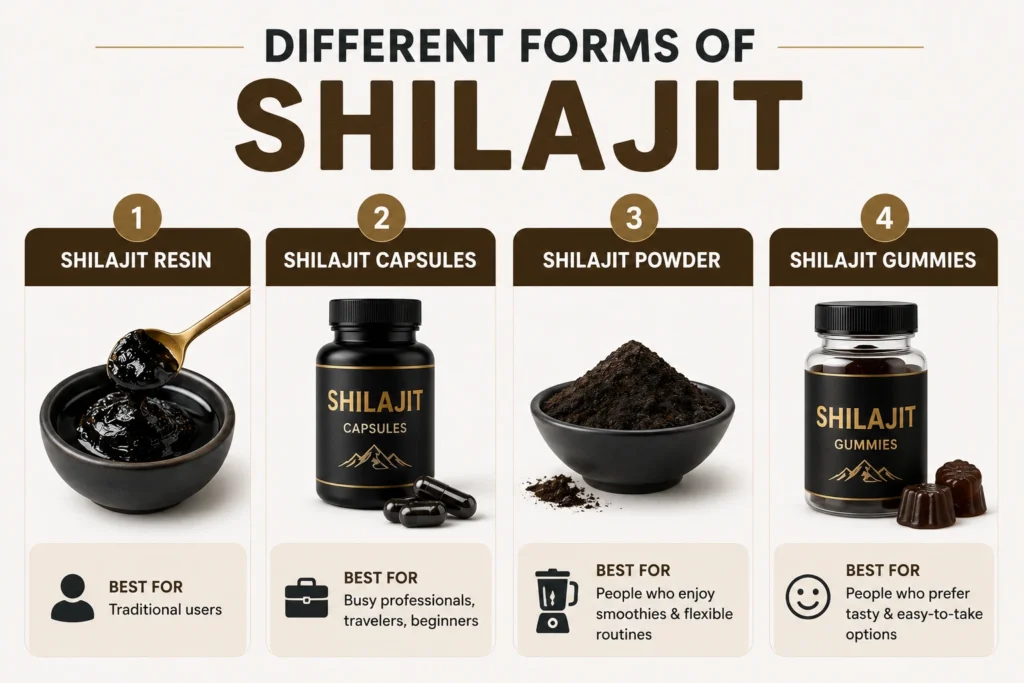
One reason shilajit has become so popular is that it’s available in several convenient forms. Each option has its own advantages, making it easier for people to choose according to their lifestyle.
1. Shilajit Resin
Resin is the most traditional form of shilajit. It has a thick, sticky texture and is usually dissolved in warm water or milk before consumption.
Best For
- People looking for minimal processing
- Users who don’t mind preparing it daily
Advantages
✔ Minimal processing
✔ Easy to adjust serving size
✔ Often preferred by experienced users
2. Shilajit Capsules
Capsules are among the most convenient options because they’re pre-measured and easy to carry.
They eliminate the need to measure resin or mix powder, making them ideal for busy schedules.
Many people who use power booster plus capsule, booster capsule, or stamina capsules prefer capsule formats because of their simplicity and portability.
Best For
- Office workers
- Frequent travelers
- Beginners
- Busy professionals
Advantages
✔ Convenient
✔ No preparation needed
✔ Easy to include in a daily routine
3. Shilajit Powder
Powder is another common option and is usually mixed with water, smoothies, or other beverages.
Some people choose powder because it can be blended into different recipes or drinks.
Best For
- People who enjoy smoothies
- Flexible daily routines
4. Shilajit Gummies
Gummies have become increasingly popular because they are simple to consume and often have a more pleasant taste than resin.
They may appeal to users who dislike swallowing capsules or the natural flavor of resin.
Resin vs Capsule vs Powder vs Gummies
| Form | Convenience | Taste | Easy to Carry |
| Resin | Medium | Strong Natural Flavor | ❌ |
| Capsules | Excellent | Neutral | ✅ |
| Powder | Good | Mild | ✅ |
| Gummies | Excellent | Pleasant | ✅ |
Each form can be suitable depending on your personal preference and lifestyle.
How to Take Shilajit
Regardless of the form you choose, always follow the serving instructions provided by the manufacturer.
General recommendations include:
- Take it consistently.
- Drink enough water throughout the day.
- Combine it with balanced nutrition.
- Stay physically active.
- Store the product according to the manufacturer’s instructions.
Many people searching for how to increase stamina expect immediate changes, but supplements generally work best when used consistently as part of healthy daily habits.
Best Time to Take Shilajit
There is no single “perfect” time that works for everyone.
Many users choose to take shilajit:
Morning
Ideal for people who want to include it as part of their daily wellness routine before starting work or exercise.
Before Physical Activity
Some users prefer taking it before workouts as part of their pre-exercise nutrition plan.
With Meals
Taking supplements with meals may be more comfortable for some individuals, depending on the product and personal preference.
The best routine is the one you can follow consistently.
Should You Take Shilajit Every Day?
Many products are designed for regular daily use, but the recommended frequency depends on the specific formulation.
Instead of increasing the amount yourself, follow the manufacturer’s instructions.
Consistency is generally more important than taking larger amounts.
Can You Combine Shilajit with Other Supplements?
Some wellness products combine shilajit with herbs, vitamins, or minerals.
Others use it alongside formulations marketed as power booster, capsule to increase stamina, or products highlighting booster plus capsules benefits.
Before combining multiple supplements:
✔ Read ingredient labels carefully.
✔ Avoid unnecessary duplication of ingredients.
✔ Consult a healthcare professional if you have any medical conditions, are pregnant, breastfeeding, or take prescription medications.
Common Mistakes to Avoid
Many first-time users make simple mistakes that can affect their overall experience.
1. Buying Low-Quality Products
Always choose products from reputable manufacturers that provide quality testing information.
2. Expecting Overnight Results
Supplements are designed to complement a healthy lifestyle—not provide instant transformation.
3. Ignoring Healthy Habits
No supplement can replace:
- Nutritious meals
- Exercise
- Proper sleep
- Hydration
4. Taking More Than Recommended
Using higher amounts than directed does not guarantee better outcomes and may increase the risk of unwanted effects.
5. Choosing Price Over Quality
Authenticity, purity, and testing standards are far more important than finding the cheapest product.
Tips for Better Results
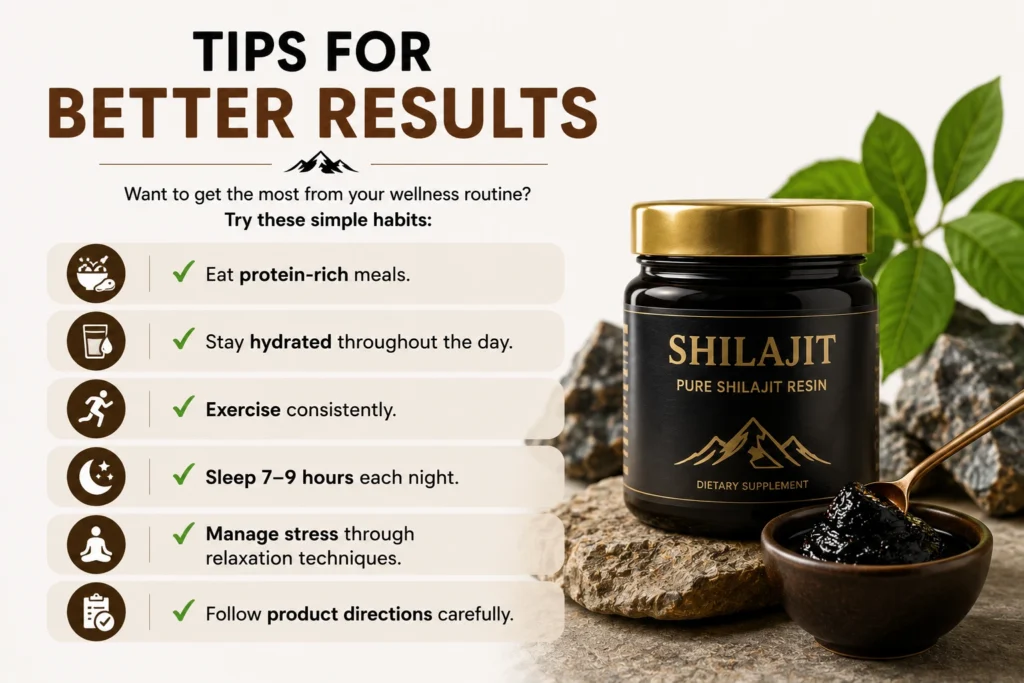
Want to get the most from your wellness routine?
Try these simple habits:
✅ Eat protein-rich meals.
✅ Stay hydrated throughout the day.
✅ Exercise consistently.
✅ Sleep 7–9 hours each night.
✅ Manage stress through relaxation techniques.
✅ Follow product directions carefully.
These habits are often more effective for long-term wellness than relying on supplements alone.
Is shilajit suitable for everyone?
The answer depends on factors like your health, lifestyle, and the quality of the product you choose. While many people include shilajit in their wellness routine, understanding who may benefit from it, who should be cautious, and how to select a reliable product is essential.
Shilajit for Men
Shilajit has become increasingly popular among men who want to maintain an active lifestyle and support their daily wellness goals.
Many people searching for benefits of power pulse tablet or power booster capsule uses also come across shilajit because it is commonly included in wellness formulations aimed at supporting energy and vitality.
Some of the reasons men choose shilajit include:
- Supporting daily energy levels
- Complementing regular exercise
- Helping maintain an active lifestyle
- Supporting overall nutritional intake through naturally occurring minerals
It’s important to remember that individual experiences vary, and supplements should be viewed as one part of a healthy routine—not a replacement for good nutrition or exercise.
Shilajit for Women
Shilajit isn’t only used by men. Many women also include it in their wellness routine to support overall health and vitality.
People often search for terms like shilajit for womens when looking for information about whether it’s appropriate for female use.
Women may choose shilajit to complement:
- Busy work schedules
- Active lifestyles
- Daily nutritional support
- General wellness goals
As with any dietary supplement, women who are pregnant, breastfeeding, or managing a medical condition should consult a qualified healthcare professional before use.
Who May Consider Using Shilajit?
While everyone’s wellness goals are different, shilajit is commonly used by:
Fitness Enthusiasts
People who exercise regularly often include nutritional supplements as part of their overall routine.
Working Professionals
Long office hours and demanding schedules can make daily wellness a priority.
Active Adults
Individuals who enjoy walking, cycling, sports, or outdoor activities often focus on maintaining consistent energy through healthy lifestyle habits.
Older Adults
Some adults explore mineral-rich supplements as part of healthy aging strategies, always under appropriate professional guidance when necessary.
Who Should Avoid Shilajit?
Although shilajit is widely available, it may not be suitable for everyone.
You should seek medical advice before using shilajit if you:
- Are pregnant or breastfeeding
- Have chronic medical conditions
- Take prescription medications
- Have known allergies to supplement ingredients
- Have concerns about mineral intake
A healthcare professional can help determine whether a particular supplement is appropriate for your individual situation.
Are There Any Side Effects?
Most people tolerate quality shilajit products well when used according to the manufacturer’s instructions. However, like many dietary supplements, unwanted effects may occur in some individuals.
Possible side effects can include:
- Digestive discomfort
- Mild stomach upset
- Allergic reactions in sensitive individuals
The likelihood of problems may increase when low-quality or improperly purified products are used.
That’s why choosing a trusted manufacturer is just as important as deciding whether to use shilajit in the first place.
Safety Tip: Never purchase products that don’t clearly mention ingredient information, manufacturing details, or quality testing.
How to Identify High-Quality Shilajit
Not every product available online offers the same level of quality.
Before buying, check the following points carefully.
1. Purity
Choose products that clearly mention purification and quality standards.
2. Third-Party Testing
Independent laboratory testing provides additional confidence about product quality.
Always read the ingredient list.
3. Ingredient Transparency
Some supplements combine shilajit with herbs, vitamins, or minerals.
If you’re considering products such as power booster, review the complete formulation to understand exactly what you’re taking.
4. Brand Reputation
A reputable company usually provides:
- Complete ingredient information
- Manufacturing details
- Customer support
- Transparent labeling
Avoid products with unrealistic promises or vague descriptions.
5. Customer Reviews
Verified customer feedback can provide useful insights into product quality and user experience.
However, remember that reviews reflect individual experiences and should not be treated as medical evidence.
Red Flags to Watch Out For
When shopping for shilajit, avoid products that:
❌ Promise instant results
❌ Claim to cure diseases
❌ Hide ingredient information
❌ Have no manufacturer details
❌ Lack quality certifications
Reliable wellness brands focus on transparency rather than exaggerated marketing claims.
Healthy Habits Matter More Than Any Supplement
Many people searching for how to increase stamina naturally hope to find one product that solves everything.
In reality, long-term wellness depends on everyday habits.
Here’s a simple formula:
| Healthy Habit | Why It Matters |
| Balanced Diet | Provides essential nutrients |
| Regular Exercise | Supports endurance and strength |
| Quality Sleep | Helps the body recover |
| Hydration | Maintains normal body function |
| Stress Management | Supports overall well-being |
| Consistency | Builds sustainable results |
Supplements like shilajit are designed to complement these habits—not replace them.
Quick Buying Checklist
Before purchasing any shilajit supplement, ask yourself:
✅ Is the product purified?
✅ Does the brand provide transparent ingredient information?
✅ Is there evidence of quality testing?
✅ Does the label include serving instructions?
✅ Is the manufacturer reputable?
If the answer is “yes” to all of these questions, you’re more likely to choose a product that meets good quality standards.
Shilajit: Myths vs Facts
Many claims about shilajit circulate online, but not all of them are accurate. Here’s what you should know.
| Myth | Fact |
| Shilajit works instantly. | Shilajit is a dietary supplement that is generally used consistently over time as part of a healthy lifestyle. |
| The more you take, the better the results. | Taking more than the recommended serving is not advised and does not guarantee better outcomes. |
| All shilajit products are the same. | Product quality varies based on sourcing, purification, manufacturing, and testing. |
| Shilajit can replace healthy food. | A balanced diet remains essential. Supplements are designed to complement, not replace, proper nutrition. |
| Shilajit is only for athletes. | Many people with different lifestyles use it as part of their wellness routine. |
| Capsules are less effective than resin. | Effectiveness depends more on product quality and formulation than the delivery form alone. |
| Natural products are always risk-free. | Even natural supplements should be used responsibly and according to label directions. |
| Everyone should take shilajit. | Some individuals, such as pregnant or breastfeeding women and people with certain medical conditions, should seek professional medical advice before use. |
Conclusion
Shilajit continues to attract attention because of its long history of traditional use and its naturally rich nutritional profile. While research on shilajit is still evolving, many people include it as part of a balanced wellness routine to complement healthy lifestyle habits.
The World Health Organization (WHO) consistently emphasizes that good health is built on a balanced diet, regular physical activity, adequate sleep, proper hydration, and other healthy lifestyle practices. Dietary supplements should support these habits rather than replace them.
If you’re considering adding shilajit to your daily routine, choose a high-quality product from a reputable manufacturer, follow the recommended serving instructions, and maintain realistic expectations. When combined with nutritious eating, regular exercise, stress management, and sufficient rest, shilajit can be one part of a thoughtful approach to overall wellness.
FAQ
Yes, many shilajit supplements are designed for daily use. Always follow the serving instructions on the product label and avoid exceeding the recommended amount. If you have any medical conditions or take medications, consult a healthcare professional before use.
Both forms can be effective when sourced from reputable manufacturers. Resin is less processed, while capsules offer convenience and consistent serving sizes. The best option depends on your lifestyle and personal preference.
Yes. Resin and powder are commonly mixed with warm water or milk, while capsules and gummies are usually taken with water. Always follow the manufacturer’s directions.
Look for products that mention purification, third-party testing, transparent ingredient lists, and quality certifications. Buying from a trusted brand helps reduce the risk of counterfeit or low-quality products.
Yes. Like most dietary supplements, shilajit has a shelf life. Always check the expiry date and store it according to the instructions on the packaging to maintain quality.
Most pure shilajit products are suitable for vegetarians. However, capsule shells and additional ingredients vary by brand, so always check the ingredient list if you follow a vegetarian or vegan lifestyle.
Keep shilajit in a cool, dry place away from direct sunlight and moisture. Always close the container tightly after use and keep it out of reach of children.
Yes. Capsules and gummies are generally the most convenient options for travel because they are easy to carry and require no preparation. If carrying resin, ensure the container is tightly sealed.
Absolutely. Regular exercise, balanced nutrition, proper hydration, quality sleep, and stress management remain the most effective long-term strategies for maintaining energy and endurance. Supplements can support these habits but should not replace them.
Medical Disclaimer
The information provided in this article is intended for educational and informational purposes only and should not be considered medical advice, diagnosis, or treatment. While every effort has been made to ensure the accuracy of the content, individual health needs and responses to supplements may vary.
Shilajit is a dietary supplement and is not intended to diagnose, treat, cure, or prevent any disease. Always consult a qualified healthcare professional before starting any new supplement, especially if you are pregnant, breastfeeding, have an existing medical condition, or are taking prescription medications.
Never exceed the recommended serving size, and purchase supplements only from reputable brands that follow quality and safety standards.
About the Author
MedMeds Editorial Team
The MedMeds Editorial Team is dedicated to creating well-researched, reader-friendly, and evidence-based health and wellness content. Our articles are carefully reviewed to provide accurate and up-to-date information on nutrition, herbal supplements, fitness, and healthy lifestyle practices.
We focus on simplifying complex health topics into practical guides that help readers make informed wellness decisions. Every article is created using trusted sources, current research, and editorial quality standards to ensure reliable and easy-to-understand content.
Disclaimer: Our content is designed for educational purposes only and should never replace professional medical advice. Always consult a qualified healthcare provider for personalized health recommendations.