Joint and muscle discomfort is a common issue that can affect people of all ages due to aging, physical activity, stress, or underlying health conditions. While modern medicine offers quick solutions, many individuals are turning toward traditional herbal remedies for long-lasting and natural relief. These remedies, deeply rooted in Ayurveda and other ancient healing systems, focus on reducing inflammation, improving mobility, and promoting overall wellness.
In this article, we explore the most effective herbal remedies for joint and muscle discomfort and how they support natural healing.
Why Choose Herbal Remedies for Pain Relief?
Herbal remedies are gaining popularity because they offer a natural and holistic approach to pain management. Unlike chemical-based treatments, they aim to address the root cause of discomfort rather than just masking symptoms.
Benefits of herbal remedies include:
- Fewer side effects
- Natural anti-inflammatory properties
- Long-term joint health support
- Improved flexibility and mobility
- Safe for regular use (when used properly)
Popular Traditional Herbal Remedies
1. Turmeric (Haldi)
Turmeric is one of the most powerful herbs used in traditional medicine. It contains curcumin, a compound known for its strong anti-inflammatory and antioxidant properties.
Benefits:
- Reduces joint inflammation
- Helps manage arthritis symptoms
- Supports overall joint health
2. Ginger (Adrak)
Ginger has been used for centuries to relieve muscle soreness and joint pain. It works by reducing inflammation and improving circulation.
Benefits:
- Eases muscle stiffness
- Promotes blood flow
- Reduces pain naturally
3. Ashwagandha
Ashwagandha is a well-known adaptogenic herb in Ayurveda that helps the body manage stress and inflammation.
Benefits:
- Reduces joint swelling
- Supports muscle strength
- Improves recovery and energy
4. Eucalyptus Oil
Eucalyptus oil is widely used in herbal pain relief oils due to its cooling and soothing effects.
Benefits:
- Provides instant pain relief
- Reduces inflammation
- Relaxes muscles
5. Sesame Oil (Til Oil)
Sesame oil is commonly used as a base oil in Ayurvedic massages. It penetrates deeply into tissues and nourishes joints.
Benefits:
- Improves joint lubrication
- Enhances flexibility
- Supports detoxification
Herbal Oils for External Application
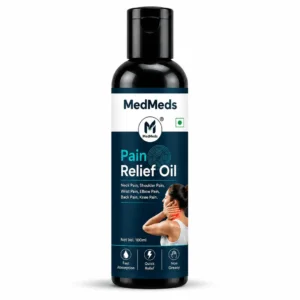
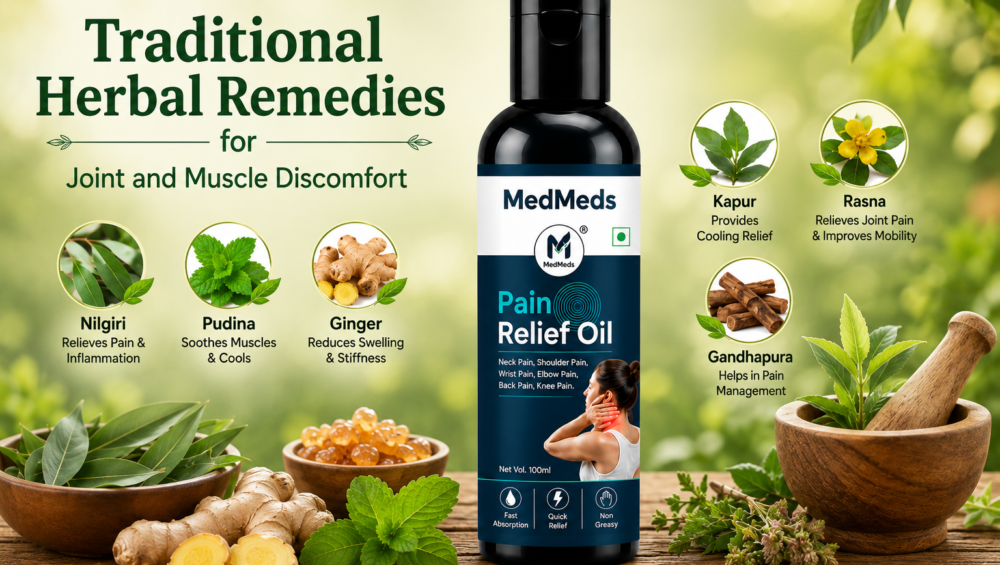
One of the most effective ways to use herbal remedies is through topical application. Herbal pain relief oils combine multiple ingredients to provide quick and targeted relief.
Regular massage with herbal oil can:
- Improve blood circulation
- Reduce stiffness and swelling
- Promote relaxation and healing
- Enhance joint mobility
This makes herbal oils a preferred choice for people dealing with chronic pain, arthritis, or post-workout soreness.
Lifestyle Tips to Enhance Herbal Remedies
For better results, herbal remedies should be combined with a healthy lifestyle:
- Maintain a balanced diet rich in anti-inflammatory foods
- Stay physically active with light exercise or yoga
- Practice regular stretching
- Stay hydrated
- Get adequate rest and sleep
These habits help improve overall joint, muscle health and muscle stiffness .
Conclusion
Traditional herbal remedies offer a safe, natural, and effective way to manage joint and muscle discomfort. With powerful ingredients like turmeric, ginger, and eucalyptus oil, these remedies not only relieve pain but also support long-term joint health.
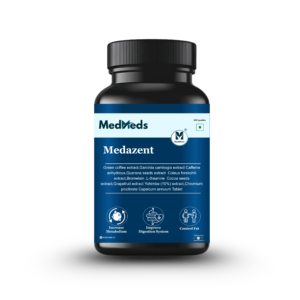
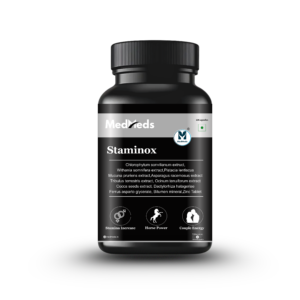
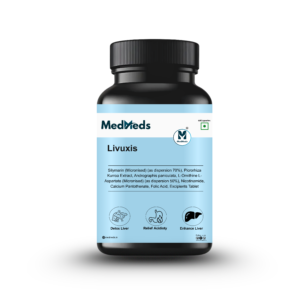
When combined with a healthy lifestyle and supportive supplements, herbal solutions can provide a holistic approach to pain management and overall well-being. Whether you are dealing with occasional soreness or chronic discomfort, embracing natural remedies can be a step toward a healthier, more active life.
FAQ’S
Yes, many herbs have anti-inflammatory properties that help reduce pain and improve joint function.
Most herbal remedies are safe for daily use, but it is best to follow recommended guidelines.
They can provide quick relief, especially when massaged into the affected area.
They help manage symptoms but do not cure arthritis.
Yes, especially if you have existing medical conditions or are on medication.