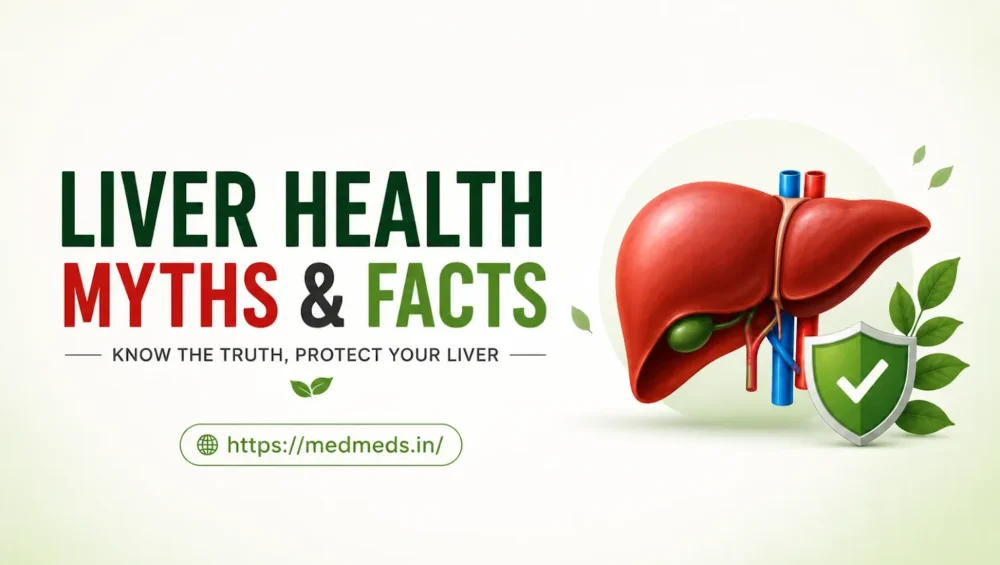
We all know that the liver is a powerhouse of organs in our body. The liver performs the functions such as digestion, storing nutrients, cleansing our bodies of toxins and over 500 more vital processes on a daily basis. Yet, there are many liver health myths about the liver that play on our minds and thus raise doubts about us and result in negative lifestyle practices as well as delaying treatment or consultations. Let’s address these myths and clarify on their actual reality so that you can continue on the correct path and get yourselves a liver health that you can be happy about.
MYTH 1: Fatty liver disease can only occur among alcohol drinkers.
One of the most common myths is that it is solely drinking alcohol which may result in fatty liver disease in an individual. An important thing that might confuse many of us is the very concept that only the act of drinking would be resulting in the cause of fatty liver diseases thereby causing doubt among the drinkers and making us believe that if we don’t drink, then we are safe. Well, the reality of modern day sedentary living and eating habits coupled with other factor such as obesity and diabetes have given rise to a sharp increment in number of liver diseases among people and it’s a big myth that only alcohol will lead to fatty liver diseases. Believing this would surely be a mistake as it would result in late measures.
FACT 1: Even non- drinkers can suffer from grade 1 fatty liver disease.
Surprisingly it is true that grade 1 fatty liver diseases can also affect individuals who do not at all or rarely ever drink alcohol. Excess body weight, insulin resistance, high cholesterol and poor eating habits are certain main causes for the same and while fatty accumulation would take place among our liver cells, damage would often be null. Such cases can be managed through a better lifestyle, diet plan, exercise and proper weight management. Therefore, getting hold of the truth behind fatty liver mythsand fact is essential for all.
MYTH 2: The disease liver always gives visible symptoms.
Another prevailing myth is that liver diseases have visible symptoms, pain, tiredness or fatigue in us or a feeling of nausea and bloating that indicates symptoms of liver damage. This causes us to disregard our health checkups. It’s a fact that it may take years for the liver disease to be diagnosed as most of the times there are no evident symptoms. Liver myths that make us believe that the liver will indicate the symptoms have led many people to postpone medical tests for quite long and thereby increase potential risks to health.
FACT 2: Grade 2 fatty liver can be asymptomatic.
Individuals suffering from fatty liver grade 2 disease do not show evident symptoms and apart from slight tiredness and abdominal dull ache they generally feel absolutely healthy and normal while their condition develops, hence screening tests are necessary to avoid future problems. It is advisable that such patients continue with a healthy treatment plan so as to get the best prognosis. All India Institute of Medical Sciences (AIIMS) and others believe that every person should be tested to foresee the possibility of suffering from liver diseases to minimize the side effects at later stages.
MYTH 3: Our liver does not play a significant role in our body.
Often it is believed that since normal liver size in cm varies with every person then its measurements would not mean much for our body’s well being and physicians would ignore them in an ultrasound or scanning test. However, this is not the case and liver’s measurements in cm are extremely important for physicians to get a clear idea of whether or not we are functioning appropriately or if something might be the cause of some condition in our body.
FACT 3: The standard measurement of liver in cm provides useful results.
Medical scan reports should be compared with the size of a healthy liver that falls under a certain centimeter measurement range and an abnormally smaller or larger liver could be caused due to fatty liver disease, infection, inflammation and many other factors. Doctors can learn valuable insights from such measurements that are vital if you intend to treat the disease at earliest and avoid later complication and problems as an accurate and well measured liver size would provide doctors vital information with regards to how your liver functioning might be.
MYTH 4: All liver tonics and syrups perform equally.
We believe that most liver syrup work in the same way and give us results equally no matter what the product is. The fact that certain medicines claim to do just anything will also make us believe that they are good for us, yet that is only in the eyes of a businessman or consumer. It is a fact that different companies would be having different ingredient and different levels of control over quality standards. It would not be useful to check the functioning of all such liver tonics/ syrups since their performances vary widely.
FACT 4: A good liver tonic syrup could be beneficial.
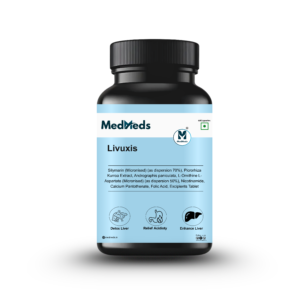
High quality liver syrups will consist of a mixture of scientifically tested and proven ingredients and they may be manufactured by respectable pharmaceutical companies. Certain liver syrups will have good health benefits over others for the liver which will lead to an increase in our digestion and liver health whereas other will not be giving enough results. Therefore, relying on guide for liver tonics and syups and speaking to our doctor would lead us to select best liver support supplements. for ourselves.
MYTH 5: Alcohol consumption is the sole contributor to liver disease.
Since we are told that most liver diseases occur because of excessive alcohol intake most people have the mistaken belief that this is the only reason for liver diseases in us. Such a false conception may indeed cause one to neglect many other causes of contracting liver diseases.
FACT 5: A multitude of factors may cause a liver disease and these must be diagnosed by liver specialists.
Liver specialist will reveal that the formation of a liver disease might result in due to Diabetes, Obesity, a virus that causes viral Hepatitis B/ C or due to other reasons such as some autoimmune disorder, certain medicines that may damage our liver and others metabolic disorders. It is therefore extremely important that one correctly diagnose the cause of their liver condition with the help of liver specialists to maintain their health. Seeing liver specialists at a routine basis would also increase awareness and help avoid any complications or side effects in future.
Myth 6: Liver Function Tests (LFTs) are too expensive.
Cost is just one of the most important factors as people do not have any other reason for not having their relevant check-ups done; especially people with a risk of developing a liver disease avoid its detection and medication as it can be regarded as being of high price.
Fact 6: Knowledge of the cost of LFTs is conducive towards prevention.
LFTs liver function test price but in no comparison to what may be lost both financially and emotionally once a liver disease has established itself and is progressing rapidly-physical health and finances will both suffer. LFTs detect early warnings in the absence of symptoms allowing for early treatment; and it is imperative for you to make sure that your liver is monitored consistently so that you are given the relevant preventive treatment for the same.
Myth 7: The liver function tests results are hard to understand.
Customers always find themselves puzzled at the complicated and winding chemical names on their test reports and therefore choose to disregard the relevant information as something insignificant, having no concept of the repercussions that may follow after the read-out of your liver function tests.
Fact 7: A comparison of the range for liver function tests gives an insight into the functions of the liver.
The enzyme levels along with any other indicators present in the test results may be compared with a set of liver function test normal range so that you may know whether a particular enzyme’s level is normal, more than average or lesser than average. Data included within liver function test reports will go a long way in the assessment of any signs of liver inflammation or developing disorders, which would eventually be a leading cause to a deteriorated liver.
Myth 8: A normal liver function test results guarantee perfect liver health.
Most customers will assume that since their blood report has given them a normal reading it goes without saying that there is nothing more to the liver that could be abnormal. This is only partially true.
Fact 8: Not all conditions of the liver may be indicated by a normal liver function test result.
Although you may receive the relevant blood test report indicating that all is normal, not every condition associated with the liver may be detected on blood tests; and may require more invasive tests, or imaging. A thorough knowledge of a patient’s symptoms, history and physical examination should be accounted for in order to not undertreat or overtreat patients.
Myth 9: Hepatic enlargement only happens due to drinking alcohol.
People perceive liver problems as being associated only with the damaging effects of alcohol because all literature in relation to it primarily discusses those problems which stem as a result of alcoholic drinks; and, this naturally leads to them assuming that such a disease will only develop under the influence of drinks like these. This assumption that problems with the liver are brought about by just one type of damage may actually lead to treatment that is less effectual than it should be.
Fact 9: Many causes contribute to hepatic enlargement.
Many factors contribute to swelling of the liver; including liver swelling causes, different types of viral hepatitis, any imbalances in hormones including the use of alcohol etc; It is imperative that you determine the cause of your hepatic enlargement so that other associated conditions of the liver do not develop or become more severe.
Myth 10: Keeping a liver healthy is not possible naturally.
Although liver disease requires medicine for treatment, you also have control over your lifestyle that could affect your liver greatly. The suggestion here is that if you avoid drugs and take natural treatment instead you will be able to help your liver be healthy.
Fact 10: Certain lifestyle choices may prove very beneficial in maintaining a healthy liver throughout your life.
Taking the appropriate food that is best suited to your liver, cutting back on unhealthy food choices and choices of meal preparation, keeping as mobile as you are expected to be at relevant times and incorporating liver friendly food into your diet, you will also be able to help take care of your liver. Ensuring that you have a high water intake during your daily routine will be something which is important for liver health as will taking a good course of liver supplements or certain herbal remedies.
Natural Support for Liver Health
Along with a healthy diet and lifestyle, simple natural habits can support liver function. Staying hydrated and eating antioxidant-rich foods may help reduce stress on the liver. One commonly used home remedy is turmeric water, which contains curcumin known for its anti-inflammatory and antioxidant properties. While it is not a treatment for liver disease, adding (turmeric water) in moderation along with proper diet and exercise may support overall liver health.
Conclusion
Understanding the difference between liver health facts and misinformation is essential for protecting your health. Many myths about fatty liver disease, liver detoxes, testing, and supplements can prevent people from making informed decisions. Instead of relying on assumptions, focus on evidence-based information, routine medical checkups, balanced nutrition, and healthy lifestyle habits. By following proven liver disease prevention tips and recognizing the real liver cleansing truth, you can support your liver naturally and maintain better health for years to come.
FAQ’S
Early signs of liver damage may include fatigue, loss of appetite, nausea, abdominal discomfort, dark urine, and yellowing of the skin or eyes. However, many liver condition show no symptoms in the early stages.
Yes, in many cases fatty liver disease can be reversed through weight management, regular exercise, a balanced diet, and reducing sugar and processed food intake.
Foods that support liver health include leafy greens, berries, nuts, fatty fish, whole grains, garlic, turmeric, and plenty of water.
Healthy individuals may only need testing during routine checkups, while people with risk factors such as obesity, diabetes, or alcohol use may require more frequent monitoring.
Yes. Poor diet, obesity, viral hepatitis, certain medications, and genetic conditions can contribute to liver disease even in young adults.