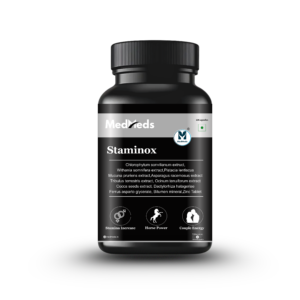
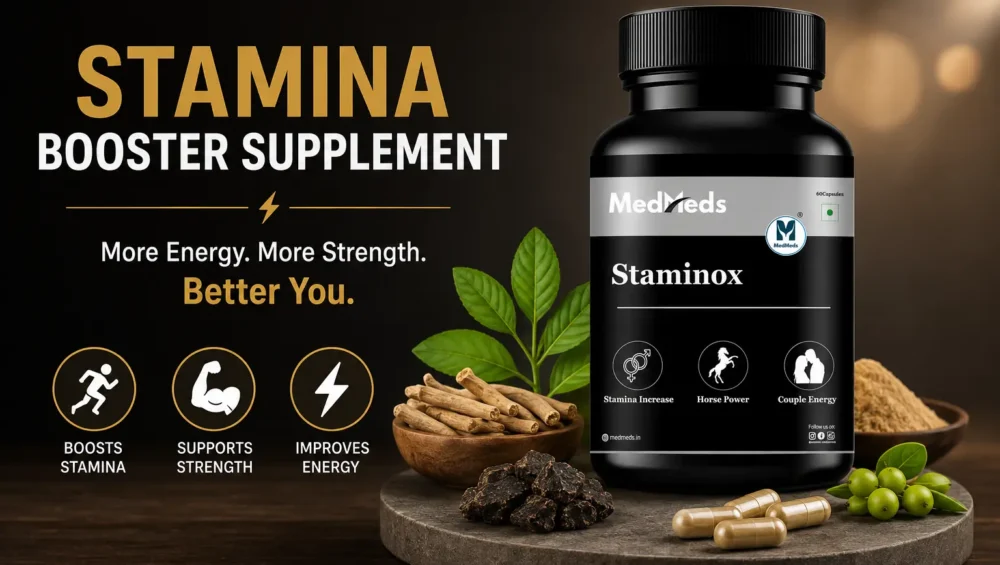
Stamina plays an important role in everyday life. From working and travelling to exercising and completing household tasks, good energy and endurance can make daily activities easier to manage. Sleep quality, nutrition, hydration, stress, physical activity, and recovery can all influence how energetic you feel.
A stamina booster supplement may provide additional nutritional support when used as part of a healthy lifestyle. However, supplements should complement—not replace—a balanced diet, regular physical activity, adequate sleep, hydration, and appropriate recovery.
If tiredness or reduced physical performance is persistent or unexplained, it is important to look beyond supplements and consider whether an underlying health or nutritional issue may be involved.
What Is a Stamina Booster Supplement?
A stamina supplement is generally formulated to provide nutritional support for energy, endurance, exercise performance, or general physical activity. Depending on the formulation, it may contain vitamins, minerals, amino acids, caffeine, creatine, or plant-based ingredients.
The evidence behind these ingredients is not identical. Some ingredients have been studied extensively for particular types of exercise, while others have limited or mixed evidence. The NIH Office of Dietary Supplements notes that the scientific evidence for dietary supplements varies considerably depending on the ingredient and the intended use.
This means a supplement should not be judged simply by the number of ingredients listed on its label. The amount, form, quality, safety profile, and evidence for each ingredient matter.
Why Is Stamina Important?
Good energy stamina can help you manage everyday physical activities more comfortably. Stamina is not limited to intense workouts. Walking, climbing stairs, travelling, working, playing sports, and household activities can all require physical endurance.
Several lifestyle factors can affect how energetic you feel:
- Poor or insufficient sleep
- Long working hours
- Ongoing stress
- Lack of regular exercise
- Unbalanced nutrition
- Dehydration
- Long periods of inactivity
- Excessive training without adequate recovery
Improving these basic habits should generally be the first step when trying to improve everyday energy and endurance.
For adults, the World Health Organization recommends 150–300 minutes of moderate-intensity aerobic physical activity per week, or 75–150 minutes of vigorous-intensity activity, along with muscle-strengthening activities on at least two days per week.
Who May Consider Stamina Support?
Adults with demanding work schedules, active lifestyles, or regular exercise routines may look for additional nutritional support.
For example, someone who exercises regularly may consider supplementation alongside training and recovery. Similarly, someone with a physically demanding job may be interested in maintaining normal energy levels throughout the day.
However, supplements should not automatically be used to explain persistent tiredness.
If low energy continues for several weeks, becomes severe, or interferes with work, exercise, sleep, or normal daily activities, speaking with a healthcare professional is a better approach than simply increasing supplement intake.
How Does a Stamina Booster Work?
There is no single mechanism for every stamina supplement because different products contain different ingredients. Some formulations provide nutrients involved in normal energy metabolism. Others contain ingredients studied for exercise performance, while certain herbal formulations are traditionally used for general wellness.
For example, caffeine can temporarily reduce feelings of fatigue and may improve endurance during some types of exercise. Creatine is more strongly associated with repeated short bursts of high-intensity activity rather than long-distance endurance. Therefore, a supplement to increase stamina should not be considered an instant solution. Long-term endurance depends heavily on training, nutrition, hydration, sleep, and recovery.
Potential Benefits of Stamina Support
The potential benefits depend on the formulation and the individual’s nutritional status.
Supports Daily Energy
Adequate nutrition, sleep, hydration, and regular movement are important for maintaining normal energy levels.
A supplement may provide additional nutritional support when dietary intake does not adequately meet an individual’s needs. However, taking a supplement does not automatically increase energy in someone who already has adequate nutrition.
For example, vitamin B12 deficiency can cause tiredness and weakness, but NIH guidance notes that B12 supplementation does not improve athletic performance or endurance in people who already have sufficient B12 status.
Supports Physical Performance
Endurance and performance depend on the type of activity being performed.
Running, cycling, swimming, resistance training, sports, and physically demanding work place different demands on the body. Therefore, the best supplement for stamina depends on the person’s goals, diet, training routine, and individual nutritional needs.
Complements an Active Routine
Supplements can be considered as one component of a broader wellness routine.
Regular exercise, balanced meals, sufficient fluids, adequate sleep, and recovery remain more important foundations for maintaining physical performance.
May Support Exercise Recovery
Recovery gives the body time to adapt to training. Adequate food, fluids, sleep, and rest are essential after demanding physical activity.
A supplement may complement these habits when appropriate, but it should not be used as a replacement for proper recovery.
Ingredients Commonly Found in Stamina Supplements
Different products contain different ingredients, so it is important to check the actual label rather than assuming every supplement provides the same benefits.
| Ingredient | Why It May Be Included | What the Evidence Suggests |
| Caffeine | Alertness and exercise support | May improve endurance and reduce perceived fatigue in some situations |
| Creatine | High-intensity exercise support | Stronger evidence for repeated short, intense activity than endurance exercise |
| Vitamin B12 | Normal blood and nerve function | Important when deficient; does not act as an extra energy booster when B12 status is adequate |
| Ashwagandha | Stress and general wellness support | Some evidence for stress and sleep; evidence for athletic performance remains insufficient |
| Citrulline | Exercise-performance support | Evidence remains limited and mixed |
The NIH Office of Dietary Supplements explains that some exercise supplements have useful evidence for specific activities, while others have limited evidence or may not provide the claimed performance benefits.
Ashwagandha and Stamina
Ashwagandha is a traditional herbal ingredient frequently included in wellness and performance products.
According to the National Center for Complementary and Integrative Health (NCCIH), some ashwagandha preparations may help with stress and insomnia, but there is not enough high-quality evidence to establish its effectiveness for athletic performance. NCCIH also notes potential side effects and interactions with certain medicines and medical conditions.
This is why an herbal ingredient should not automatically be described as a proven stamina enhancer. Its evidence, dose, preparation, and safety profile should all be considered.
What Can Affect Your Stamina?
Reduced energy or endurance can have many possible causes.
Common lifestyle factors include:
- Poor sleep
- Ongoing stress
- Inadequate nutrition
- Dehydration
- Physical inactivity
- Excessive training
- Long working hours
- Irregular daily routines
Nutritional deficiencies can also contribute to tiredness. For example, vitamin B12 deficiency can cause fatigue and weakness. However, this does not mean everyone experiencing tiredness needs a B12 supplement. The appropriate response depends on the underlying cause and nutritional status.
If reduced stamina is persistent, unexplained, or accompanied by other concerning symptoms, professional evaluation is more appropriate than self-treating with supplements.
Stamina Support for Men
Men may have different nutritional and fitness requirements depending on age, activity level, diet, exercise, work routine, and recovery. A stamina booster for men may be considered as additional nutritional support for adults who want to complement an active lifestyle.
However, stamina is not determined by gender or supplementation alone.
Regular physical activity, sufficient nutrition, hydration, quality sleep, and recovery all contribute to maintaining physical performance. Claims that a supplement can automatically increase testosterone, sexual performance, or physical strength should be evaluated carefully because evidence varies considerably between ingredients and products.
Stamina Support for Running and Workouts
Running and resistance training place different demands on the body.
People searching for the best supplement for running stamina should first evaluate:
- Daily calorie and nutrient intake
- Hydration
- Training volume
- Sleep
- Recovery
- Exercise intensity
- Overall fitness level
Useful habits include:
- Start workouts with an appropriate warm-up.
- Increase duration and intensity gradually.
- Stay adequately hydrated.
- Eat balanced meals.
- Allow recovery between demanding sessions.
- Maintain a consistent training schedule.
- Avoid increasing training load too quickly.
Creatine, for example, has evidence for repeated short bursts of intense activity but appears to have limited value for endurance activities such as distance running.
This illustrates why choosing a supplement should depend on the actual activity rather than simply selecting the product with the strongest marketing claim.
Natural Ways to Increase Stamina
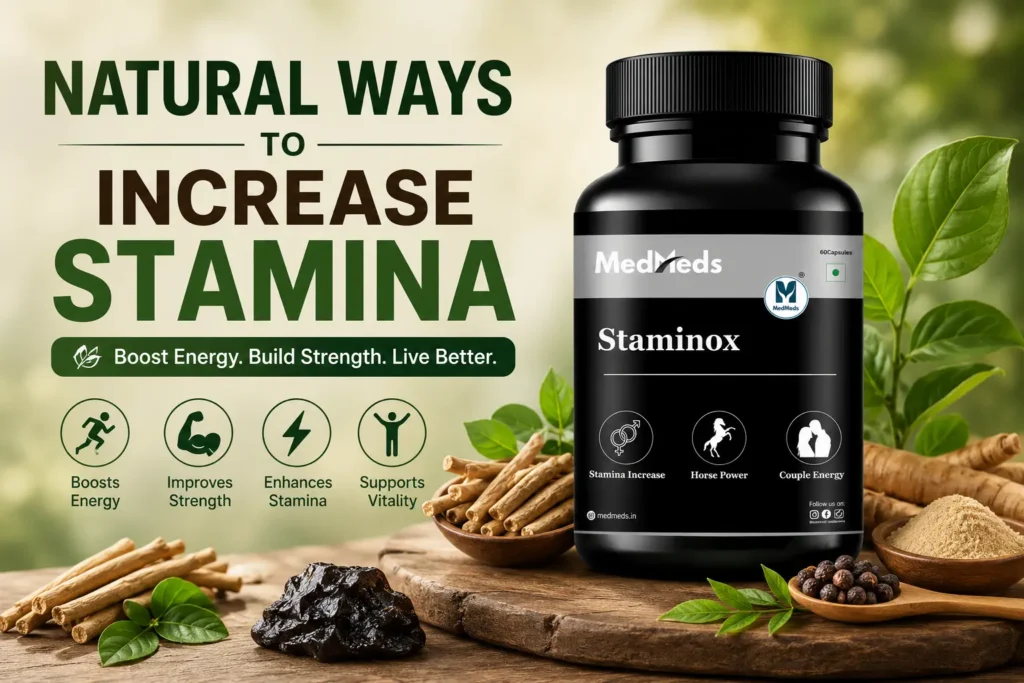
If you want to increase stamina focus first on habits that improve overall fitness and recovery.
Exercise Regularly
Walking, cycling, running, swimming, resistance training, and other forms of physical activity can improve fitness when performed consistently.
Beginners should start at a comfortable level and gradually increase duration or intensity.
WHO recommends regular physical activity for adults and advises combining aerobic activity with muscle-strengthening exercises.
Eat a Balanced Diet
The body needs adequate carbohydrates, protein, fats, vitamins, minerals, and fluids to support normal physiological functions and physical activity.
A balanced diet can include:
- Vegetables and fruits
- Whole grains
- Pulses and legumes
- Dairy or suitable alternatives
- Nuts and seeds
- Protein-rich foods
- Healthy sources of dietary fat
Supplements should not be used as a substitute for a nutritionally adequate diet.
Stay Hydrated
Adequate fluid intake is important for normal physical performance.
Not drinking enough fluids can contribute to tiredness, especially during exercise, prolonged physical activity, or hot weather.
Drink fluids regularly and pay particular attention to hydration around physical activity.
Prioritize Sleep
Sleep is an important part of physical and mental recovery.
Maintaining a consistent sleep schedule and allowing enough time for rest can make daily activities and exercise easier to manage.
Manage Stress
Long-term stress can contribute to tiredness and reduced motivation.
Regular breaks, physical activity, relaxation techniques, hobbies, and time outdoors may help support overall well-being.
How to Choose the Best Stamina Booster
Choosing a supplement should involve more than looking at marketing claims.
The best stamina booster should have clear information about:
- Complete ingredient list
- Amount of each active ingredient
- Recommended serving
- Intended use
- Manufacturer information
- Storage instructions
- Safety warnings
- Potential allergens
- Relevant quality information
The NIH Office of Dietary Supplements recommends paying attention to supplement labels and emphasizes that evidence for individual ingredients varies.
Look Beyond the Number of Ingredients
A long ingredient list does not automatically make a product better.
Instead, consider whether:
- The ingredients are clearly identified.
- The amount per serving is provided.
- The product makes realistic claims.
- Safety warnings are clearly stated.
- The ingredients have credible evidence for the intended purpose.
Avoid products that promise instant stamina, guaranteed results, or unrealistic physical transformation.
Stamina Supplement Comparison: What Should You Look For?
| Factor | Why It Matters |
| Ingredient transparency | Helps you understand what you are taking |
| Dosage information | Makes appropriate use easier |
| Evidence | Helps distinguish supported claims from marketing |
| Safety information | Helps identify potential risks |
| Intended use | Different ingredients may suit different goals |
| Quality information | Provides additional confidence in the product |
| Professional guidance | Important when medical conditions or medicines are involved |
A supplement should be selected according to the individual’s needs rather than simply because it is advertised as the “strongest” or “fastest” option.
How to Use Stamina Supplements Responsibly
When using stamina booster tablets follow the serving instructions provided on the product label.
Taking more than the recommended amount does not necessarily produce better results and can increase the risk of side effects depending on the ingredients.
For better overall support, combine supplementation with:
- Regular physical activity
- Balanced meals
- Adequate hydration
- Sufficient sleep
- Appropriate recovery
Check the Ingredients
A stamina capsule can contain different combinations of vitamins, minerals, herbs, amino acids, or other ingredients.
Read the complete label before use, especially if you have allergies or dietary restrictions.
Follow the Recommended Serving
Do not exceed the manufacturer’s recommended serving unless a qualified healthcare professional has specifically advised you to do so.
If you take prescription medicines or have a medical condition, ask a healthcare professional whether the ingredients are appropriate for you.
Be Consistent With Your Routine
Endurance develops over time.
Exercise, nutrition, hydration, sleep, and recovery should remain the foundation of your routine. Supplementation, when appropriate, should be treated as an additional component rather than the main solution.
Safety and Precautions
Although supplements may be appropriate for some adults, they are not suitable for everyone.
Stamina pills should be used according to their product instructions and should not be treated as medicines for unexplained fatigue.
Keep these precautions in mind:
- Do not exceed the recommended serving.
- Check all active and inactive ingredients.
- Consider possible interactions with medicines.
- Follow storage instructions.
- Keep supplements away from children.
- Speak with a healthcare professional if you are pregnant or breastfeeding.
- Seek professional advice if you have a medical condition.
- Stop using a product and seek appropriate medical advice if you experience a severe or unusual reaction.
Herbal ingredients also require careful consideration. For example, NCCIH notes that ashwagandha can cause side effects in some people and may interact with certain medicines; it is also not recommended during pregnancy and breastfeeding.
Persistent tiredness, weakness, breathlessness, dizziness, or reduced physical performance should not automatically be treated with supplements. These symptoms may have different causes and may require professional evaluation.
Supplements vs Lifestyle: What Matters More?
A supplement can be convenient, but it should not replace the fundamentals of physical fitness.
| Approach | Role in Stamina |
| Regular exercise | Builds fitness and endurance |
| Balanced nutrition | Provides essential nutrients |
| Hydration | Supports normal physical performance |
| Sleep | Supports recovery |
| Stress management | Supports overall well-being |
| Supplements | May provide additional nutritional support |
The most sustainable approach is to combine these habits rather than depending on a single product.
Final Thoughts
Good stamina is built through consistent habits rather than depending on a single product. Regular physical activity, balanced nutrition, adequate hydration, sufficient sleep, stress management, and proper recovery form the foundation of everyday energy and endurance. WHO recommends regular physical activity for adults, including aerobic activity and muscle-strengthening exercises.
A suitable supplement may provide additional nutritional support when used responsibly. However, the benefits depend on the ingredients, formulation, dosage, individual needs, and quality of evidence. Before choosing a product, look beyond marketing claims. Check the ingredient list, serving information, safety warnings, and evidence behind the ingredients. If persistent or unexplained tiredness affects your daily life, speak with a healthcare professional to identify the possible underlying cause.
FAQ
Stamina generally develops gradually. Consistent exercise, balanced nutrition, adequate sleep, hydration, and recovery are more important for long-term endurance than expecting an immediate change from a supplement.
Yes. Poor or insufficient sleep can contribute to tiredness and may make physical activity feel more demanding. Maintaining a consistent sleep routine can support recovery and daily functioning.
Age can influence muscle strength, recovery, activity levels, and physical fitness. However, regular physical activity and healthy lifestyle habits can support fitness across adulthood.
Ongoing stress can contribute to tiredness and reduced motivation. Regular movement, relaxation, adequate rest, and healthy routines may help support overall well-being.
Yes. Inadequate fluid intake can contribute to tiredness and reduced physical performance, particularly during exercise or hot weather. Staying adequately hydrated is important for an active lifestyle.
No. Safety depends on the ingredients, dosage, health status, medicines, and individual circumstances. People with medical conditions, those taking medicines, and pregnant or breastfeeding individuals should seek appropriate professional advice.
Yes. Walking can be a practical starting point for people who are new to exercise. Increasing duration and intensity gradually can help improve fitness over time.
Vitamin B12 is important for normal blood and nerve function, and deficiency can cause tiredness and weakness. However, B12 supplementation does not appear to improve athletic performance or endurance when a person already has adequate B12 status.
If unusual tiredness or reduced stamina persists, becomes severe, or interferes with normal activities, it is advisable to speak with a healthcare professional rather than relying only on supplements.
Medical Disclaimer
This article is intended for general educational and wellness information only. Dietary supplements are not intended to diagnose, treat, cure, or prevent disease.
Individual responses to supplements can vary. Always follow the product label and consult a qualified healthcare professional before starting a new supplement if you have a medical condition, take prescription medicines, are pregnant or breastfeeding, or have concerns about persistent fatigue.
About the Author
The MedMeds Health & Wellness Team creates educational content covering nutrition, wellness supplements, lifestyle, and everyday health. Content is developed with an emphasis on responsible health information, clear explanations, and evidence-based sources.