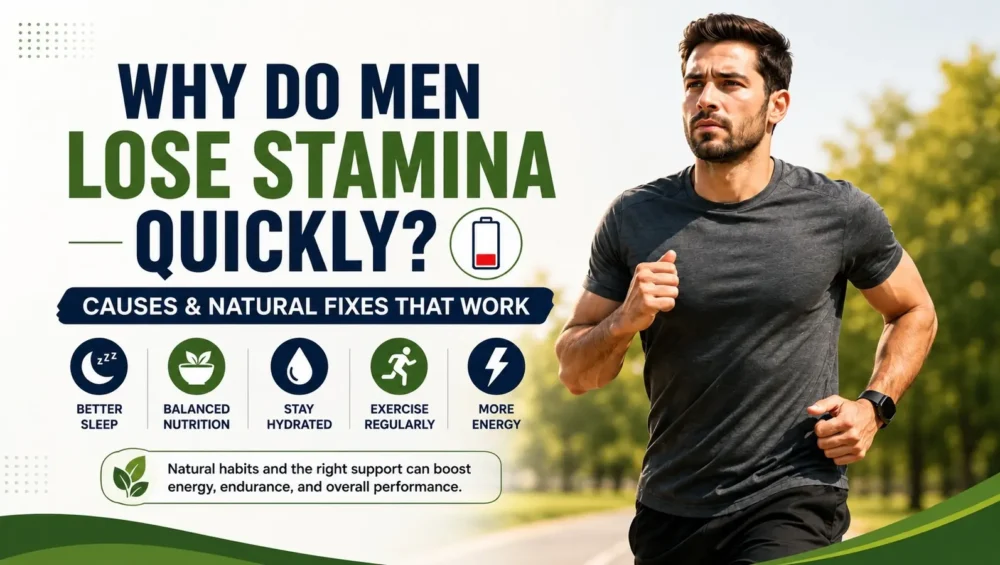
Have you ever found yourself asking, Why do men lose stamina quickly, even though you’re not that old? Maybe climbing stairs leaves you breathless, your workouts feel harder than before, or you run out of energy halfway through the day. Low stamina is more common than many men realize, and it can affect everything from work productivity to fitness and confidence. Stamina is your body’s ability to perform physical or mental activities for an extended period without becoming exhausted. It depends on healthy muscles, an efficient heart and lungs, balanced hormones, proper nutrition, and enough recovery time. When one or more of these areas are affected, your energy levels begin to decline. The good news is that most cases of low stamina can be improved naturally. Small but consistent lifestyle changes often make a noticeable difference within a few weeks. In this guide, you’ll learn the common reasons behind reduced endurance, warning signs to watch for, and practical ways to regain your strength naturally.
Why Do Men Lose Stamina Quickly?
Causes of low stamina in men can vary from simple lifestyle habits to underlying health conditions. Stamina isn’t controlled by a single organ; instead, it’s the result of your cardiovascular system, muscles, hormones, and metabolism working together efficiently.
When your heart pumps oxygen-rich blood effectively, and your muscles use that oxygen efficiently, you can stay active for longer. However, poor fitness, unhealthy habits, or medical issues reduce this efficiency, causing you to feel tired much sooner.
Several factors influence stamina, including:
- Physical fitness
- Cardiovascular endurance
- Muscle strength
- Nutrition
- Sleep quality
- Hydration
- Hormone balance
- Mental health
- Recovery after exercise
Your body works like a rechargeable battery. If you constantly drain it without enough fuel, rest, and recovery, your energy reserves become depleted. Over time, even simple daily activities may begin to feel challenging.
Cardiovascular endurance is one of the biggest contributors to stamina. It refers to your heart and lungs’ ability to deliver oxygen to your muscles during activity. The better this system functions, the longer you can exercise or perform daily tasks without feeling exhausted.
Common Causes of Low Stamina in Men
Fatigue and low stamina in males often develop gradually rather than overnight. Identifying the root cause is the first step toward finding an effective solution.
1. Lack of Physical Activity
Many men spend long hours sitting at work and get very little exercise. Over time, inactivity weakens the heart, reduces lung efficiency, and causes muscles to tire more quickly.
Regular movement improves oxygen delivery throughout the body, helping you stay active for longer periods without fatigue.
2. Poor Nutrition
Your body needs high-quality fuel to produce energy. Diets high in processed foods and sugary snacks may provide a temporary boost, but they often lead to energy crashes later.
A balanced diet should include:
- Lean protein
- Whole grains
- Fruits
- Vegetables
- Healthy fats
- Plenty of water
Nutrients such as iron, magnesium, vitamin D, and vitamin B12 play an important role in maintaining healthy energy levels.
3. Inadequate Sleep
Why do I get tired so fast male is a question many men ask after weeks of poor sleep. During sleep, your body repairs muscle tissue, restores hormone balance, and replenishes energy stores.
Consistently getting less than seven hours of quality sleep can reduce physical performance, slow recovery, and increase daytime fatigue.
4. Chronic Stress
Fatigue and low stamina in males can also be linked to long-term stress. When you’re under constant pressure, your body releases cortisol, commonly known as the stress hormone. While cortisol is helpful in short bursts, consistently high levels can drain your energy, slow muscle recovery, and reduce your motivation to stay active.
Stress doesn’t only affect your mind—it impacts your physical performance too. Many men notice they feel exhausted even after a full night’s sleep because their bodies are constantly in “fight or flight” mode.
Simple ways to reduce stress include:
- Practice deep breathing for 5–10 minutes daily
- Spend time outdoors
- Exercise regularly
- Listen to relaxing music
- Limit excessive caffeine and alcohol
- Make time for hobbies and family
5. Dehydration
Why do I get tired so fast, male is sometimes answered by something surprisingly simple—dehydration. Water helps transport nutrients, regulate body temperature, and keep muscles working efficiently. Even mild dehydration can make physical activity feel much harder.
Signs of dehydration include:
- Dry mouth
- Dark-colored urine
- Headaches
- Muscle cramps
- Dizziness
- Reduced exercise performance
Aim to drink water consistently throughout the day instead of waiting until you feel thirsty. If you’re exercising or working in hot weather, you’ll likely need even more fluids.
6. Low Testosterone Levels
Low testosterone and stamina loss are closely connected in some men. Testosterone supports muscle growth, red blood cell production, bone health, recovery, and overall energy. While testosterone naturally declines with age, an unusually low level may contribute to persistent fatigue and reduced endurance.
Some common symptoms include:
- Low energy
- Reduced muscle strength
- Difficulty building muscle
- Lower sex drive
- Mood changes
- Slower recovery after exercise
Only a healthcare professional can diagnose testosterone deficiency through appropriate testing. Never assume low testosterone is the cause without proper evaluation.
7. Underlying Medical Conditions
Causes of low stamina in men may include health conditions that require medical treatment rather than lifestyle changes alone. If fatigue is severe or develops suddenly, it’s important not to ignore it.
Conditions that can reduce stamina include:
- Iron-deficiency anemia
- Diabetes
- Thyroid disorders
- Heart disease
- Chronic lung disease
- Sleep apnea
- Depression
- Vitamin deficiencies
Treating the underlying condition often leads to significant improvements in energy and endurance.
Signs of Low Stamina and Fatigue
Why do men lose stamina quickly often becomes easier to answer when you recognize the warning signs. Low stamina usually develops gradually, making it easy to overlook until it begins affecting daily life.
Common symptoms include:
- Feeling exhausted after light activity
- Shortness of breath during exercise
- Muscle weakness
- Low motivation
- Difficulty concentrating
- Frequent daytime sleepiness
- Longer recovery after workouts
- Reduced athletic performance
If these symptoms continue for several weeks despite healthy habits, schedule a medical check-up to identify any underlying causes.
Foods and Habits That Support Better Stamina
A healthy lifestyle is built on daily choices. The foods you eat and the habits you follow can either improve your endurance or slowly reduce your energy over time.
| Food or Habit | How It Supports Stamina |
| Oats | Provide slow-release carbohydrates for lasting energy |
| Eggs | Supply protein and B vitamins for muscle recovery |
| Bananas | Offer quick energy and potassium for muscle function |
| Spinach | Rich in iron to support oxygen transport |
| Salmon | Contains omega-3 fats that support heart health |
| Greek yogurt | High in protein for recovery |
| Drinking enough water | Prevents dehydration and muscle fatigue |
| Sleeping 7–9 hours | Restores energy and supports hormone balance |
| Daily walking | Improves cardiovascular endurance |
| Managing stress | Reduces cortisol and improves recovery |
Building stamina isn’t about making one dramatic change. It’s about improving multiple small habits that work together over time.
How to Improve Stamina Naturally
Improving your endurance doesn’t happen overnight, but consistent habits can make a noticeable difference within a few weeks. How to improve stamina quickly in males starts with strengthening your body from the inside out rather than relying on temporary energy boosters.
Focus on gradual improvements instead of expecting instant results. Small daily changes are more sustainable and often produce better long-term outcomes.
1. Build Your Cardiovascular Endurance
Cardiovascular endurance is your heart and lungs’ ability to supply oxygen-rich blood to your muscles during physical activity. The stronger this system becomes, the longer you can stay active without feeling exhausted.
The best cardio activities include:
- Brisk walking
- Jogging
- Cycling
- Swimming
- Hiking
- Dancing
- Rowing
Aim for at least 150 minutes of moderate aerobic exercise every week. Beginners can start with 20–30 minutes a day and gradually increase intensity as fitness improves.
2. Include Strength Training
Exercises to increase stamina should include resistance training alongside cardio. Building stronger muscles allows your body to perform daily tasks more efficiently while reducing fatigue during physical activity.
Effective compound exercises include:
- Squats
- Push-ups
- Lunges
- Deadlifts
- Bench press
- Pull-ups
- Rows
Training two or three times a week is enough for most men to improve both strength and endurance.
3. Prioritize Quality Sleep
Fatigue and low stamina in males are often linked to poor sleep quality rather than simply sleeping fewer hours. During deep sleep, your body repairs muscles, restores hormone balance, and replenishes energy stores needed for the next day.
Improve your sleep by:
- Going to bed at the same time every night
- Avoiding caffeine late in the day
- Keeping your bedroom cool and dark
- Reducing screen time before bed
- Limiting heavy meals close to bedtime
Good sleep is one of the fastest ways to improve recovery and overall performance.
4. Stay Hydrated Every Day
Why do I get tired so fast, male can sometimes be explained by inadequate fluid intake. Water helps transport nutrients, regulate body temperature, lubricate joints, and maintain healthy circulation during exercise.
Simple hydration tips include:
- Drink water throughout the day
- Increase fluids during workouts
- Eat water-rich fruits and vegetables
- Replace electrolytes after prolonged exercise
- Don’t wait until you feel thirsty
Proper hydration supports better endurance and faster recovery.
5. Eat Balanced Meals
Foods that improve stamina provide your body with steady energy instead of quick spikes followed by crashes. Eating a balanced combination of carbohydrates, protein, healthy fats, vitamins, and minerals helps maintain consistent energy throughout the day.
Choose foods such as:
- Oats
- Brown rice
- Sweet potatoes
- Eggs
- Fish
- Chicken
- Leafy green vegetables
- Nuts and seeds
- Fresh fruits
- Greek yogurt
Avoid relying heavily on sugary snacks and processed foods, which often lead to temporary energy followed by fatigue.
6. Manage Stress Effectively
Energy levels are closely connected to your mental health. Chronic stress keeps cortisol levels elevated, making it harder for your body to recover after physical activity and leaving you feeling drained.
Healthy stress-management strategies include:
- Meditation
- Deep breathing exercises
- Spending time in nature
- Reading
- Yoga
- Talking with supportive friends or family
- Taking regular breaks from work
Even 10 to 15 minutes of relaxation each day can positively impact both physical and mental endurance.
7. Consider Natural Stamina Support
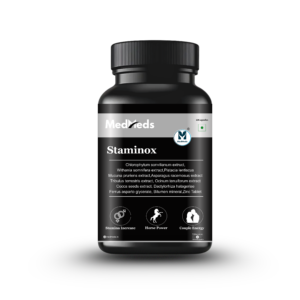
Many men look for a natural stamina booster to support their energy and endurance alongside a healthy lifestyle. Some supplements contain ingredients such as ashwagandha, beetroot extract, Panax ginseng, Rhodiola rosea, or L-citrulline, which have been studied for their potential role in supporting exercise performance and reducing fatigue.
While these supplements may be helpful for some individuals, they work best alongside regular exercise, nutritious meals, quality sleep, and proper hydration. Always choose products from reputable manufacturers and consult a healthcare professional if you have existing medical conditions or take prescription medications.
Best Foods and Exercises to Boost Stamina
Combining healthy nutrition with regular physical activity produces the best long-term results. Exercises to increase stamina are most effective when paired with a balanced diet that supports muscle recovery and sustained energy production.
The following habits can help improve endurance:
Best Foods
- Oats
- Bananas
- Eggs
- Spinach
- Salmon
- Sweet potatoes
- Brown rice
- Greek yogurt
- Almonds
- Berries
Best Exercises
- Brisk walking
- Running
- Cycling
- Swimming
- Jump rope
- Circuit training
- High-Intensity Interval Training (HIIT)
- Rowing
- Hiking
- Bodyweight workouts
Consistency matters more than intensity. A realistic workout routine followed week after week delivers far better results than occasional high-intensity sessions followed by long periods of inactivity.
When to See a Doctor
While lifestyle improvements can increase stamina for many men, low testosterone and stamina loss or persistent fatigue may sometimes indicate an underlying medical condition that requires professional attention. Ignoring symptoms can delay treatment and affect your overall health.
You should consult a healthcare provider if you experience:
- Fatigue lasting more than a few weeks
- Shortness of breath during light activity
- Chest pain or discomfort
- Frequent dizziness or fainting
- Unexplained weight loss
- Persistent muscle weakness
- Low libido combined with ongoing fatigue
- Difficulty completing everyday activities
A doctor may recommend blood tests or other evaluations to check for conditions such as anemia, diabetes, thyroid disorders, vitamin deficiencies, sleep apnea, or hormone imbalances. Identifying the root cause early often leads to faster treatment and better long-term outcomes.
Daily Habits That Keep Your Stamina High
Improving endurance isn’t about making one major change—it’s about building healthy routines that you can maintain over time. How to improve stamina quickly in males becomes much easier when these habits become part of your daily lifestyle.
Try to follow these simple practices every day:
- Exercise for at least 30 minutes.
- Eat balanced meals with protein, healthy fats, and complex carbohydrates.
- Drink enough water throughout the day.
- Sleep for 7–9 hours each night.
- Reduce stress through mindfulness or relaxation techniques.
- Avoid smoking and limit alcohol consumption.
- Maintain a healthy body weight.
- Take regular breaks if you have a desk job.
- Stay consistent rather than aiming for perfection.
Remember that progress is gradual. Improving your stamina by even a small amount each week can lead to significant gains over several months.
Conclusion
If you’ve ever asked yourself, Why do men lose stamina quickly, the answer is rarely just one factor. Poor fitness, inadequate sleep, dehydration, stress, unhealthy eating habits, hormone imbalances, and certain medical conditions can all contribute to reduced endurance and low energy.
The encouraging news is that most men can improve their stamina naturally through regular exercise, better nutrition, quality sleep, stress management, and proper hydration. Building cardiovascular endurance, strengthening your muscles, and supporting recovery are all essential for long-term performance.
If your symptoms continue despite making healthy lifestyle changes, don’t hesitate to seek medical advice. Addressing the underlying cause early can help restore your energy, improve your quality of life, and support better overall health.
Frequently Asked Questions
Why do I get tired so fast, male is a common question with many possible answers. Poor sleep, lack of exercise, dehydration, stress, poor nutrition, and certain medical conditions can all reduce your energy and stamina. If fatigue persists, consult a healthcare professional for an evaluation.
Low testosterone and stamina loss are linked because testosterone helps support muscle strength, recovery, red blood cell production, and overall energy. Low testosterone can contribute to fatigue, but only proper medical testing can confirm a deficiency.
How to improve stamina quickly in males depends on your starting fitness level and consistency. Many people notice small improvements within two to four weeks, while more significant increases in endurance typically occur after eight to twelve weeks of regular exercise and healthy habits.
Foods that improve stamina include oats, eggs, bananas, spinach, salmon, sweet potatoes, brown rice, Greek yogurt, berries, and nuts. These foods provide long-lasting energy, support muscle recovery, and help maintain steady performance throughout the day.
Exercises to increase stamina include brisk walking, jogging, cycling, swimming, rowing, hiking, jump rope, circuit training, and HIIT workouts. Combining aerobic exercise with strength training offers the best long-term improvements in endurance.
Causes of low stamina in men can include natural age-related changes, but regular exercise, a healthy diet, quality sleep, and good stress management can help maintain high energy levels well into older adulthood. Significant or sudden fatigue should always be evaluated by a healthcare professional.