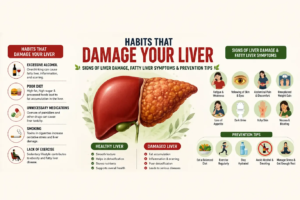
Your liver performs more tasks than any other organ in your body. It rids your body of toxins, helps to digest fats, stores vitamins, controls metabolism, and a number of other tasks too! Certain things that we do each and everyday, could actually be slowly destroying our liver .There is an increased awareness regarding Fatty Liver, Fatty Liver Disease and other type of Liver Disease in today’s world, hence it has become crucial to look after your liver. People aren’t aware of the fact that their daily habits are leading to Liver Damage, Liver Inflammation, Fibrosis, Cirrhosis and even Liver Cancer .Knowing the Early signs of liver disease, symptoms of Liver Damage and ways to have a healthy liver can help you maintain a healthy liver over many years .In this guide we will cover about the most common Habits that damage your liver and how to improve your Liver health naturally.
What does “liver-damage” mean?
Let us briefly look at what constitutes damage, before discussing these habits:
It is possible for liver cells to accumulate fat, to become inflamed, and then to develop scar tissue (fibrosis), eventually leading to scarring that may be so severe (cirrhosis), or can, in some instances, lead to liver cancer .Damage in its earliest forms, such as fat deposition within the liver, is entirely reversible; it is certainly possible to return the liver back to a state of healthy regeneration .Once functional cells have been replaced by scar tissue, the organ loses a significant amount of its regenerating capacity, making treatment much more problematic. The habits we will focus on are those to ‘cut the risk’ early and give the liver an excellent chance to regenerate:
Habit 1: Excessive Alcohol Consumption
Why is it harmful?
Ethanol is metabolized by the liver and can lead to oxidation into acetaldehyde (a toxic substance) as well as oxidative stress, inflammation, and fat accumulation in the liver cells, leading to alcoholic liver disease over a prolonged period of time.
Key Facts
- Light to moderate use becomes even more hazardous when combined with other factors such as obesity and fatty liver.
- Drinking nothing, or very little alcohol is often the most beneficial single step.
Protective action
- Drinking alcohol? Try cutting back, or quitting altogether.
- Your doctor can check your liver enzymes (ALT and AST) regularly if you regularly drink. Also
- skip the binge drinking! Pairing moderate drinking with an active, healthy life is the way to go.
Habit 2: Poor Diet – High Sugar, Processed Foods & Fructose
Why is it harmful?
So if you’re drinking a lot of sweet things, or eating foods that are highly processed, or have a high amount of fructose, your liver’s goal becomes turning all that extra sugar into fat. This causes what’s known as fat-infiltration, otherwise called steatosis, and can cause your liver to get inflamed.
Key Facts
- NAFLD – a term for fatty liver not caused by drinking-is rapidly growing across the world, and for good reason: lifestyle and dietary choices.
- The reason that the intake of simple sugar and fructose can lead to an increased load of fat in the liver is clear.
Protective action
- Choose whole-foods: fruits, vegetables, whole grains rather than sugary snacks.
- Replace soft drinks / sweetened beverages with water or unsweetened drinks.
- Be mindful of portion size and avoid “empty calories”.
Habit 3: Obesity and Sedentary Lifestyle
Why is it harmful?
It causes a person to have excessive weight, especially fat around the tummy, sedentary behavior, accumulation of fats in the liver and eventually develops metabolic issues like insulin resistance
Key Facts
- Losing even 5% to 10% of body weight can decrease fat levels in the liver and also reduce its inflammatory processes.
- Exercise also decreases inflammation and increases the metabolic rate.
Protective action
- Most days, engage in at least 30 minutes of moderate exercise.
- Try slow weight loss if overweight (don’t try great dieting which puts stress on liver).
- Cut down on your sitting time and include regular walking and leg moving break.
Habit 4: Unnecessary or Improper Use of Drugs, Supplements & Over-the-counter Medications
Why is it harmful?
A lot of drugs (including quite a few which are freely available), herbal preparations and non regulated ‘natural’ products are toxic to the liver – in particular when used without professional supervision or used with alcohol.
Key Facts
- We need to remember drugs like paracetamol which is [b]available without prescription and if used in overdose [causes] fulminant hepatic failure.
- Be cautious – Herbal supplements are not always safe to the liver, there could be dangerous levels.
Protective action
- Take medications strictly as directed, read label. Do not self-medicate.
- Let your doctor know if take any supplements or herbal medicines.
- Do not combine alcohol with medications.
Habit 5: Frequent Use of Obesogenic Fats, Red/Processed Meats & Saturated Fats
Why is it harmful?
Consumption of a diet rich in saturated fatty acids and high levels of red and processed meat is associated with greater fat content, inflammation and risk of NAFLD.
Key facts
- Pan has been associated with Metabolic Dysfunction as well as with liver disease as well.
- The liver really troubles with an abundance of nutrients and “bad fats”
Protective action
- Lean proteins: fish, poultry, beans.
- Instead of caving in to unhealthy red/processed meats, opt for alternatives which are a little bit more health friendly.
- Choose healthier fats such as olive oil, nuts or seeds instead of the saturated animal-fats.
- Be sure to have a healthy and balanced diet. include plenty of fibre/vegetables or any plant based foods.
Habit 6: Skipping Meals, Irregular Eating Patterns or High Late-Night Eating
Why is it harmful?
Poor eating habits that leading to irregular eating patterns, bregg breakfast, having large fatty meals during dinner time can influence the metabolism, cause up dress in blood sugar levels and liver’s production of fat and over stress liver function.
Key facts
- Timing is crucial-both the liver follows circadian rhythms and loading it with metabolic demands.
- Putting away haphazardly designed, excessive and sporadic dinner puts lots of psychological burden on your metabolism.
Protective action
- Provide a variety of regular, frequent, and balanced meals for the day.
- Enormous. Binge at the bill of right! lunch, the, capping up your day.
- In less than a few minutes you could be scarfing down some filling, hearty, and basic breakfast instead of forgoing.
- Consume a diet of more energy at breakfast and lunch for example when trying to eat more energy diets choose to eat such foods as wholegrain lean protein and fibre.
Habit 7: Exposure to Toxins – Environmental, Workplace and Household Chemicals
Why is it harmful?
The Liver: It is the body’s primary detoxifying organ. Can come under stress from industrial chemicals and pesticides, solvents and certain household toxins.
Key facts
- Any chemicals such as vinyl chloride have been linked to Liver fat deposition and injury.
- There are all sorts of day-to-day toxins that we don’t even realize we’re ingesting that can build up over time:
Protective action
- Avoid using household chemicals, insecticides and solvents in enclosed areas and should be used with protection.
- Wash your produce to lower the risk of pesticide poisoning.
- Special precautions must be taken if you handle chemicals.
- Do not self-medicate with unauthorized “body cleanses” or “toxins removal” dietary supplements that could overload your liver.
Habit 8: Poor Sleep, High Stress and Chronic Inflammation
Why is it harmful?
Liver Function-Related to Sleep/wake cycle and stress/inflammation burden. Sleep disturbance, Stress, disturbance of Circadian Rhythm increases inflammation and storage of Liver fat.
Key facts
- Liver regenerates and detoxifies during periods of rest: sleep disturbance interrupts it.
- The chronic stress increases the cortisol level, adds to the metabolic aberration and finally results in the subsequent liver syndrome.
Protective action
- Sleep 7-9 hours on a good quality sleep.
- Incorporate stress-management techniques: mindfulness, moderate exercising, relaxation.
- Don’t consume heavy food, intoxicant or create based caffeine late into the day.
- Follow a regular sleep-wake schedule (i.e. Go to bed/wake up at relatively consistent times).
Best Natural Supplements for Liver Health
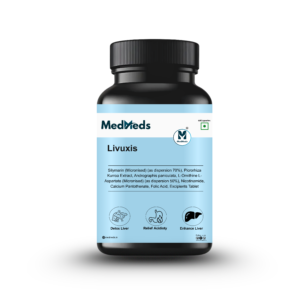
Many people use natural liver health supplements to support overall liver function along with healthy lifestyle habits. These supplements often contain herbal ingredients like milk thistle, turmeric, dandelion root, and antioxidants that may help protect liver cells, reduce oxidative stress, and support natural detoxification processes. While they can be beneficial for liver wellness, they should not replace a balanced diet, exercise, or medical treatment. The best results are seen when natural supplements are combined with long-term healthy habits and regular medical check-ups.
Conclusion
Your liver is hardworking 24/7. It filters, repairs and keeps you alive, so you don’t have to. But when we develop damaging patterns of behaviour, we shift the balance of possibility: from protection to harm; from strength to vulnerability. At RPS Hospital, we are here to help you identify these patterns, implement viable lifestyle changes and protect your liver health. If the patterns listed above sound familiar, or if you are concerned about your liver health, please contact us – we will help you make significant lifestyle changes.
FAQ’S
Stage 1- Symptoms are often go unrecognised, until it’s progressed; Fatigue, some discomfort in right upper quadrant, slight elevation of liver enzymes. Stage 2- Symptoms are :
- Jaundice
- Weight gain due to Ascites
- Easy bruising
Yes – even in established disease if the damage is early (fatty liver or mild inflammation) then alterations in lifestyle can lead to reversal or at least large improvements, which include weight loss, diet, alcohol, exercise.
There is no safe minimally risky alcohol threshold in the aggregate it exists even in moderate consumption particularly if the individual has other risky behaviors (overeat, obese, viral hepatitis) expert advice: abstain/minimize.
If you have non-alcoholic fatty liver disease (now more commonly named metabolic dysfunction associated steatotic liver disease) then you do need to change the underlying lifestyle habits: weight, diet, activity, sugar. Alcohol, toxins, smoking all increase your risk and should be eliminated or reduced if possible. Source: (NIH)
Inquire to your healthcare provider about: Lab work for liver function tests (ALT,AST, bilirubin), ultrasound of liver ( as appropriate), screening for Hepatitis B & C (as appropriate). Discuss your risk factors/risk behaviors with your provider.